
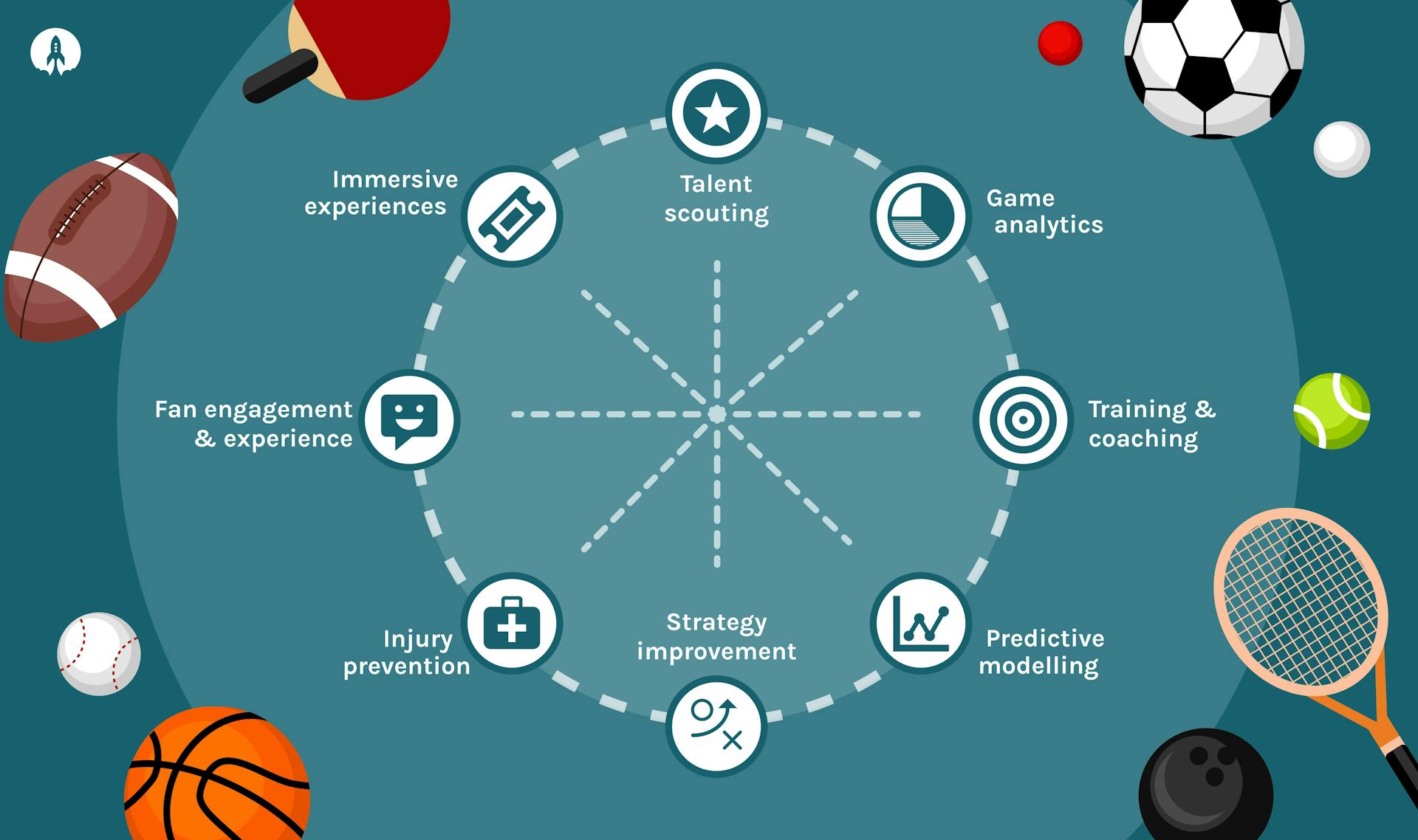

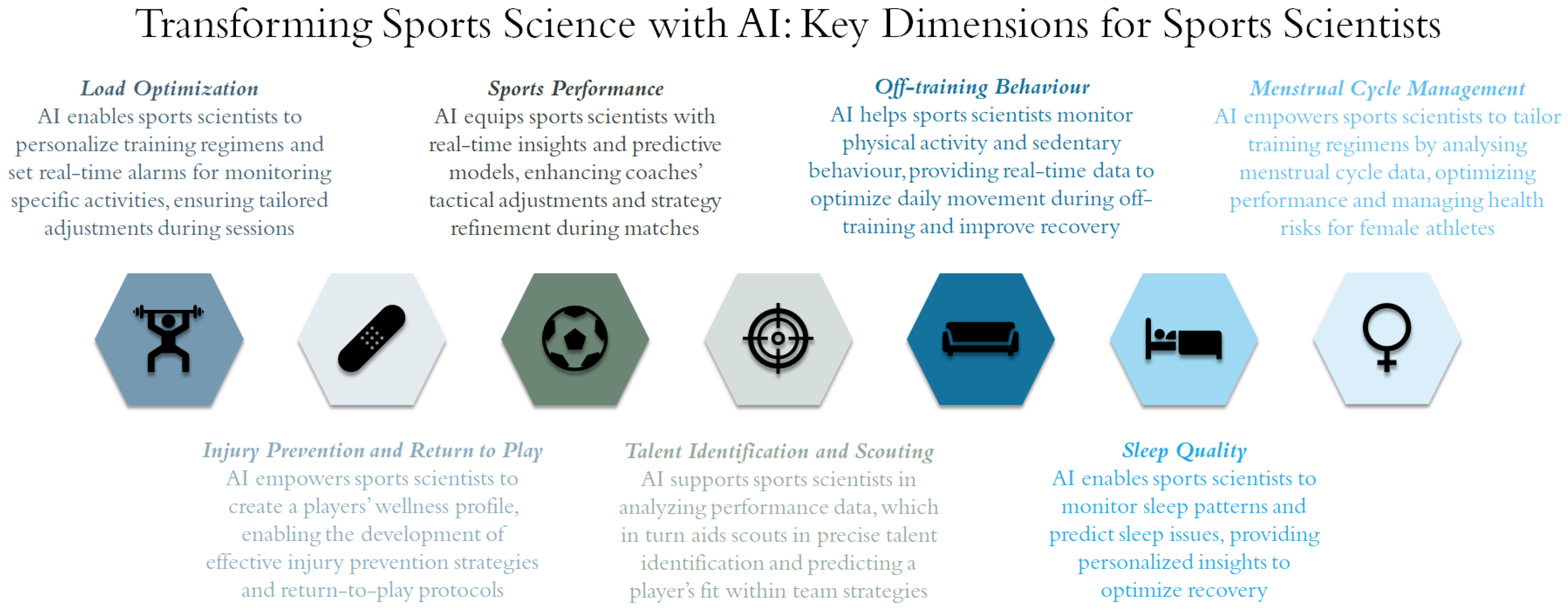
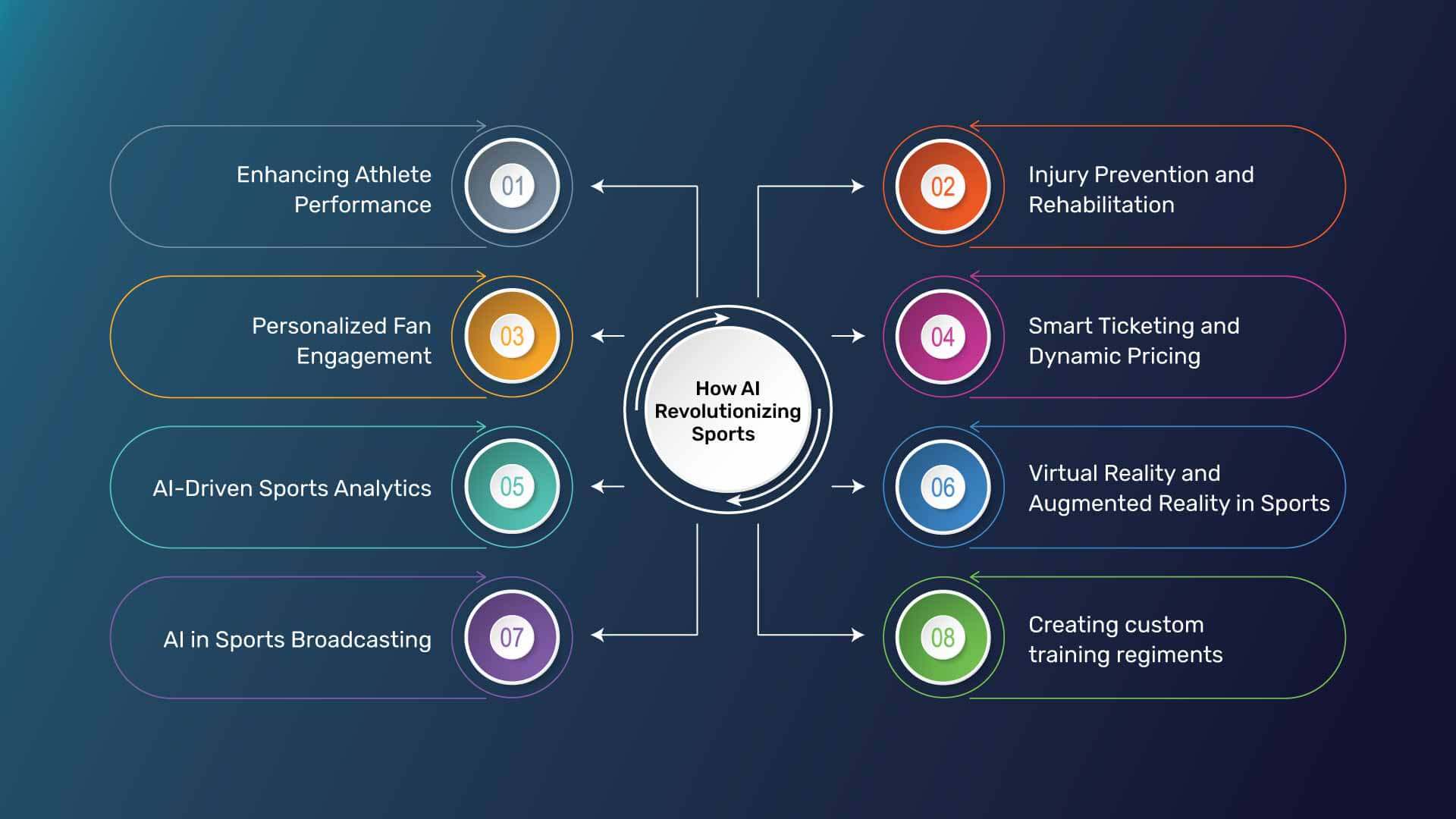
AI-powered systems are transforming how athlete performance is continuously evaluated, offering real-time insights that enhance training, recovery, and injury prevention. Here’s how these technologies are being utilized:
???? Real-Time Performance Monitoring
AI systems analyze data from wearables and sensors to assess metrics such as heart rate, movement patterns, and fatigue levels. This continuous monitoring allows for immediate adjustments to training loads, helping to prevent overtraining and optimize performance. For instance, platforms like Catapult provide tools to evaluate performance and monitor training loads, enabling coaches to adapt strategies accordingly. Catapult
???? Data-Driven Insights
Advanced analytics platforms process vast amounts of data to identify trends and patterns in an athlete’s performance. These insights support informed decision-making, from tactical adjustments during competitions to long-term development strategies. VueMotion, for example, utilizes AI and computer vision to provide detailed, objective analysis of athlete movements, creating movement profiles that track interventions and performance over time. vuemotion.com
???? Injury Prevention and Recovery Optimization
By analyzing historical data and real-time metrics, AI systems can predict potential injury risks and suggest personalized recovery plans. This proactive approach helps in minimizing downtime and ensuring athletes are in peak condition for performance. AI tools track injuries and recovery, enhancing athlete welfare by minimizing downtime. Catapult
???? Enhanced Fan Engagement
AI technologies are not only benefiting athletes but also enhancing the spectator experience. For example, Wimbledon introduced an AI-powered “match chat” tool that provides live statistical analysis and answers to match-related questions in real-time, appealing particularly to younger audiences. The Times
Leave a Reply
You must be logged in to post a comment.