
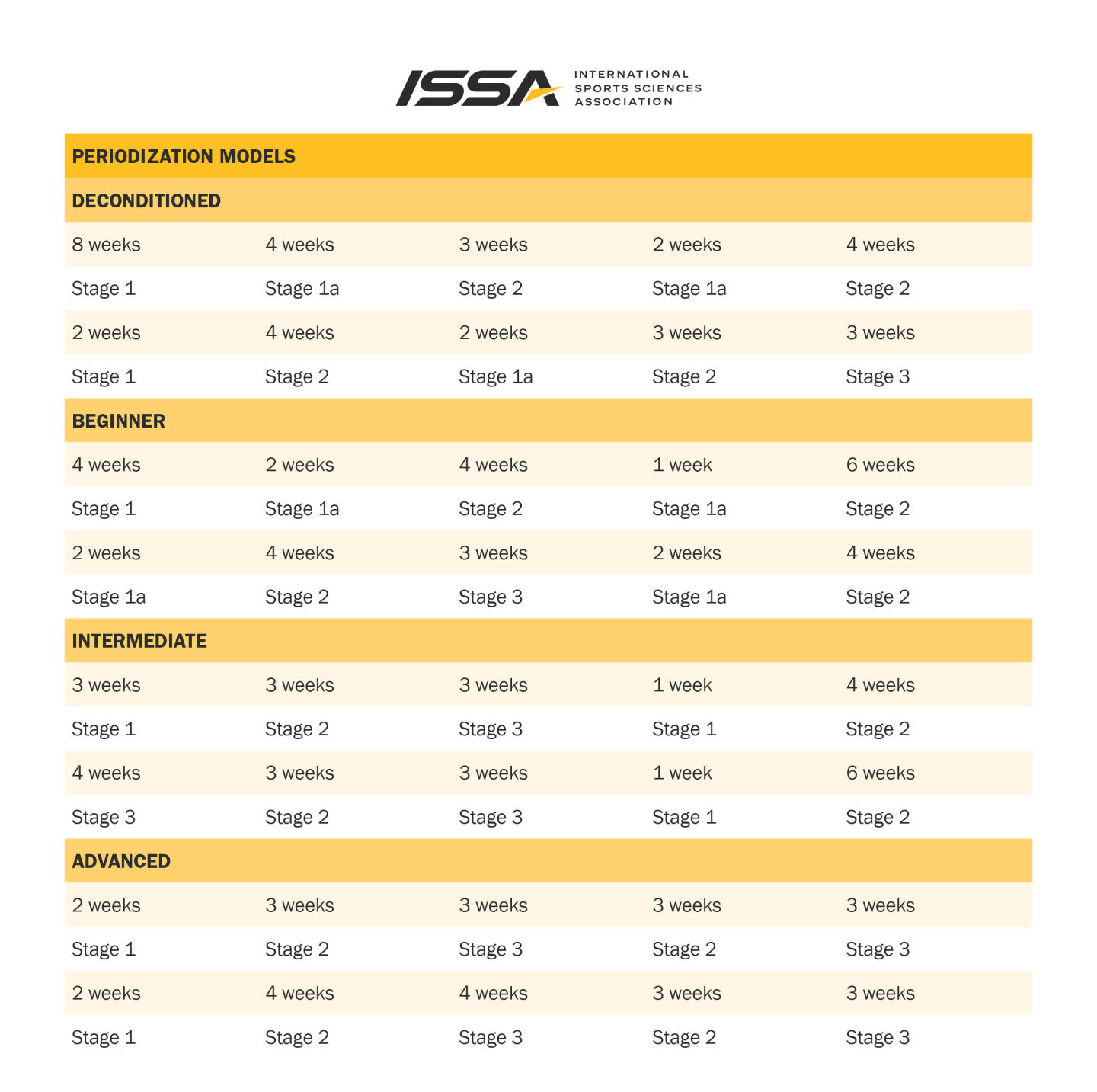
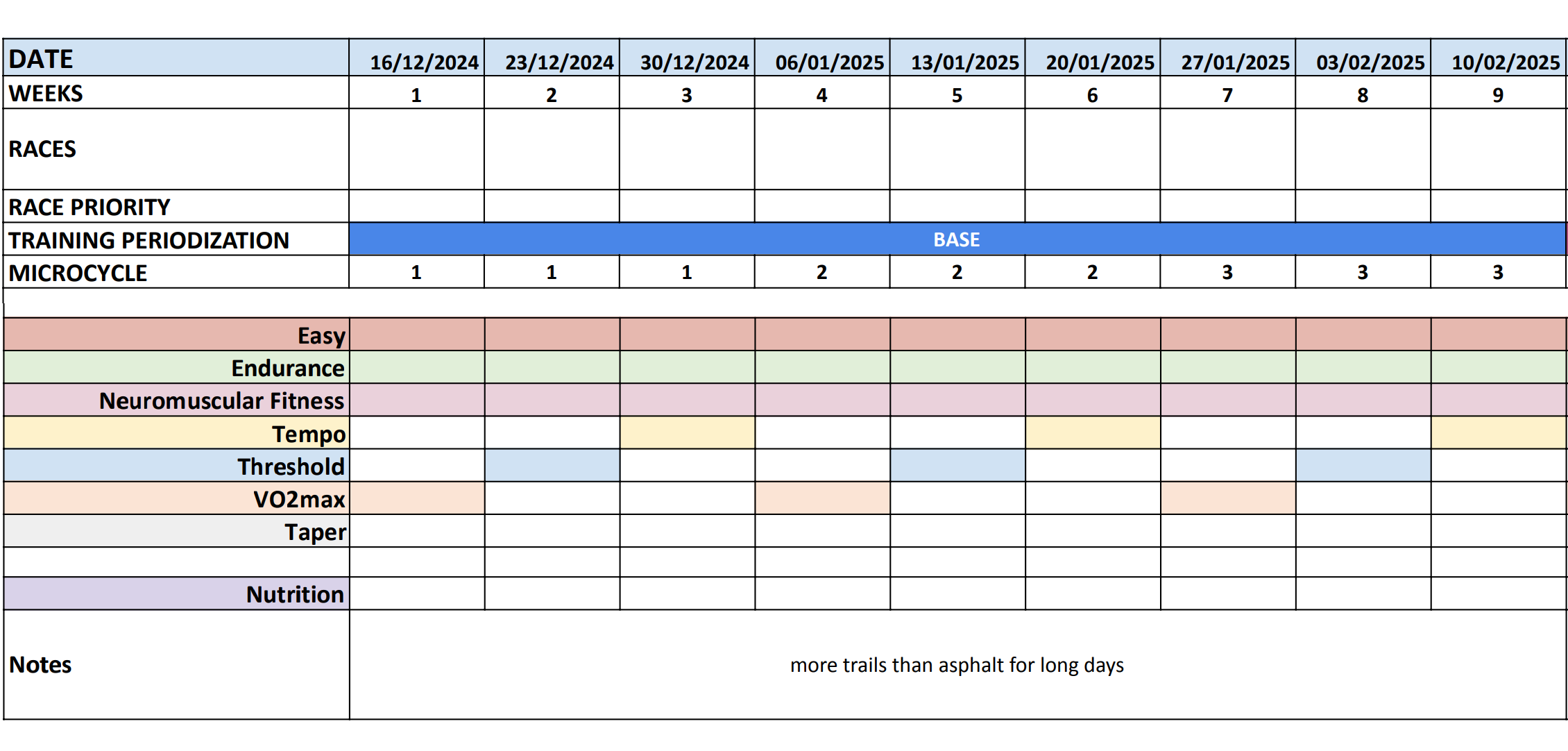


Machine learning (ML) is revolutionizing the optimization of training periodization by enabling data-driven, individualized approaches that enhance performance and minimize injury risk. Here’s how ML is transforming training strategies:
???? ML-Driven Periodization Optimization
Recent studies have introduced innovative methodologies to refine training periodization using ML:ResearchGate
- Optimized Adjustment Evolutionary Computing Feature Selection (OA-EC-FS): This technique identifies critical features—such as physiological, psychological, and biomechanical data—that influence training outcomes. By selecting relevant features, coaches can tailor training programs to individual athletes’ needs, enhancing performance and reducing injury risk. ResearchGate
- Enhanced Adaptive Rough Decision Optimization (EARDO): EARDO combines adaptive rough set theory to evaluate and rank periodization strategies. It considers performance metrics and psychological factors, providing a comprehensive model for selecting optimal training plans that balance performance enhancement and injury prevention. Informatica
???? Personalized Training Programs
ML algorithms analyze vast datasets—encompassing training loads, biomechanical metrics, and recovery patterns—to develop personalized training regimens. These programs adapt in real-time, adjusting variables like intensity, volume, and recovery periods based on individual responses, thereby optimizing performance outcomes. ISSA Online+1ISSA Online+1
⚠️ Injury Risk Management
By monitoring training loads and biomechanical data, ML models can predict injury risks, allowing for timely interventions. For instance, systems like Sparta Science utilize force plate data analyzed through ML to identify movement imbalances, enabling the creation of personalized corrective programs to prevent injuries. WIRED
???? Cognitive Load and Fatigue Monitoring
Advanced ML models also incorporate psychological factors such as mental fatigue and stress into training periodization. By integrating these elements, training plans can be adjusted to account for cognitive load, ensuring a balanced approach that promotes both physical and mental well-being. Informatica
???? Practical Applications
Incorporating ML into training periodization allows for:
- Dynamic Adjustments: Real-time modifications to training plans based on ongoing performance data.
- Holistic Athlete Profiles: Comprehensive assessments that include physiological, biomechanical, and psychological data.
- Enhanced Recovery Strategies: Tailored recovery protocols that consider individual needs and stress levels.
- Injury Prevention: Proactive identification of potential injury risks through predictive modeling.
Leave a Reply
You must be logged in to post a comment.