
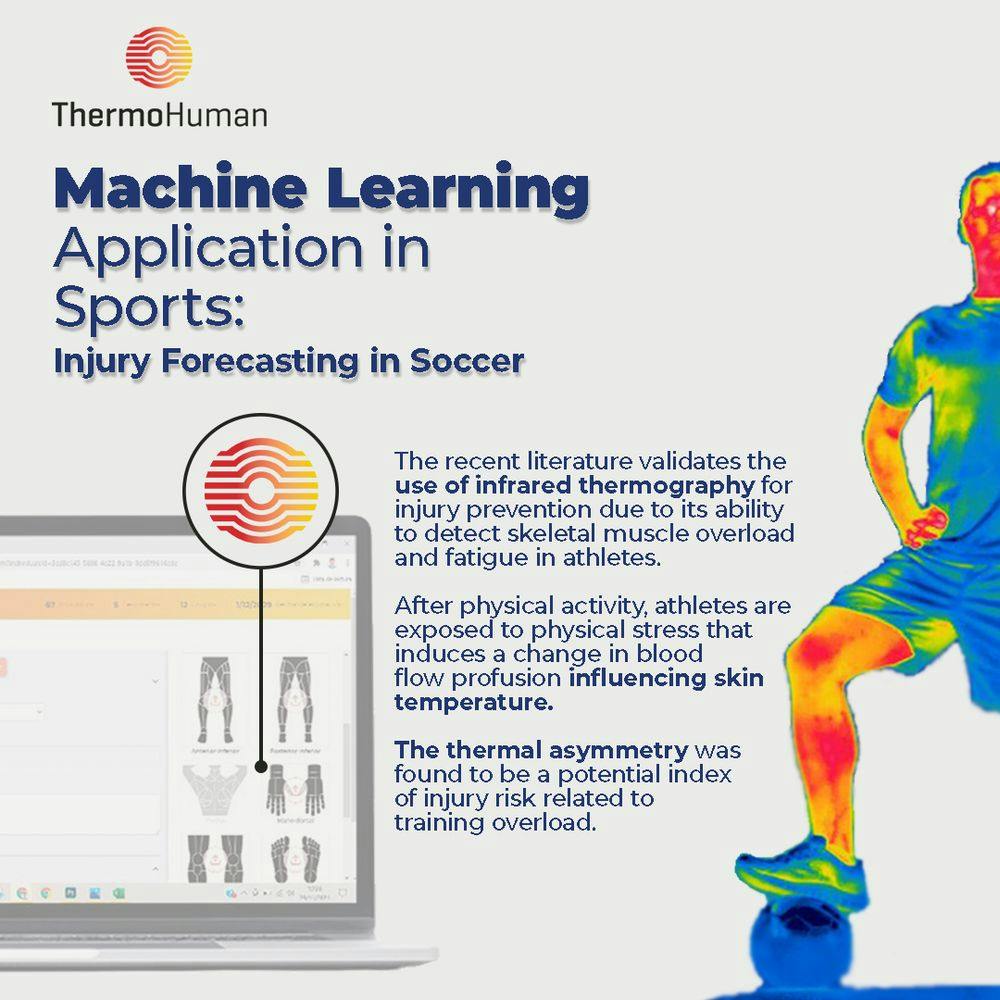


Integrating machine learning (ML) into Neftaly can significantly enhance the ability to forecast athlete training outcomes and assess injury risks. By analyzing data from wearables, smart equipment, and performance metrics, ML models can provide actionable insights to optimize training regimens and prevent injuries.
???? Machine Learning Models in Sports Performance and Injury Prediction
1. Predictive Accuracy and Early Warning Systems
Recent studies have demonstrated that deep learning models, such as Long Short-Term Memory (LSTM) networks, achieve high accuracy in predicting sports injuries. For instance, an LSTM model achieved an accuracy of 91.5% in forecasting injuries, outperforming other models like Random Forests and Support Vector Machines .ScienceDirect+2ResearchGate+2SIN-CHN Scientific Press+2ScienceDirect
Moreover, the IPE-DL model, which integrates permutation entropy measures with deep learning, achieved an accuracy of 92%, sensitivity of 89%, and specificity of 94% in predicting sports injuries. This model effectively identifies subtle changes in athletes’ physiological and biomechanical states that precede injuries .ResearchGate+1SIN-CHN Scientific Press+1
2. Data Sources and Model Inputs
Effective ML models for injury prediction utilize a combination of data sources, including:
- Wearable Devices: Collect data on heart rate variability, movement patterns, and fatigue levels.
- Environmental Conditions: Monitor factors such as temperature, humidity, and field conditions.
- Training Load Parameters: Assess the intensity, volume, and frequency of training sessions.Taylor & Francis Online+3Sports Tech Research Network+3Sportsmith+3
- Athlete-Specific Metrics: Include age, injury history, and biomechanical assessments.
Integrating these diverse data points allows for a comprehensive analysis of injury risk factors and training outcomes.
3. Challenges and Considerations
Despite the promising capabilities of ML in sports injury prediction, several challenges remain:SpringerLink
- Data Quality and Consistency: Ensuring accurate and consistent data collection across different devices and platforms.Frontiers
- Model Interpretability: Developing models that provide understandable insights for coaches and athletes.
- Generalization Across Sports: Adapting models to be effective across various sports with different movement patterns and injury profiles.
Addressing these challenges is crucial for the successful implementation of ML in sports performance and injury prediction.
???? Implementing ML Models in Neftaly
To integrate ML models effectively into Neftaly’s athlete development programs:
- Data Integration: Combine data from wearables, smart equipment, and environmental sensors into a centralized platform.PMC
- Model Development: Collaborate with data scientists to develop and train ML models tailored to specific sports and athlete profiles.
- Real-Time Monitoring: Implement systems that provide real-time feedback to athletes and coaches based on model predictions.
- Continuous Improvement: Regularly update models with new data to improve accuracy and adapt to evolving training conditions.
Leave a Reply
You must be logged in to post a comment.