


Neftaly: Key Developments in Sports Equipment Over Time
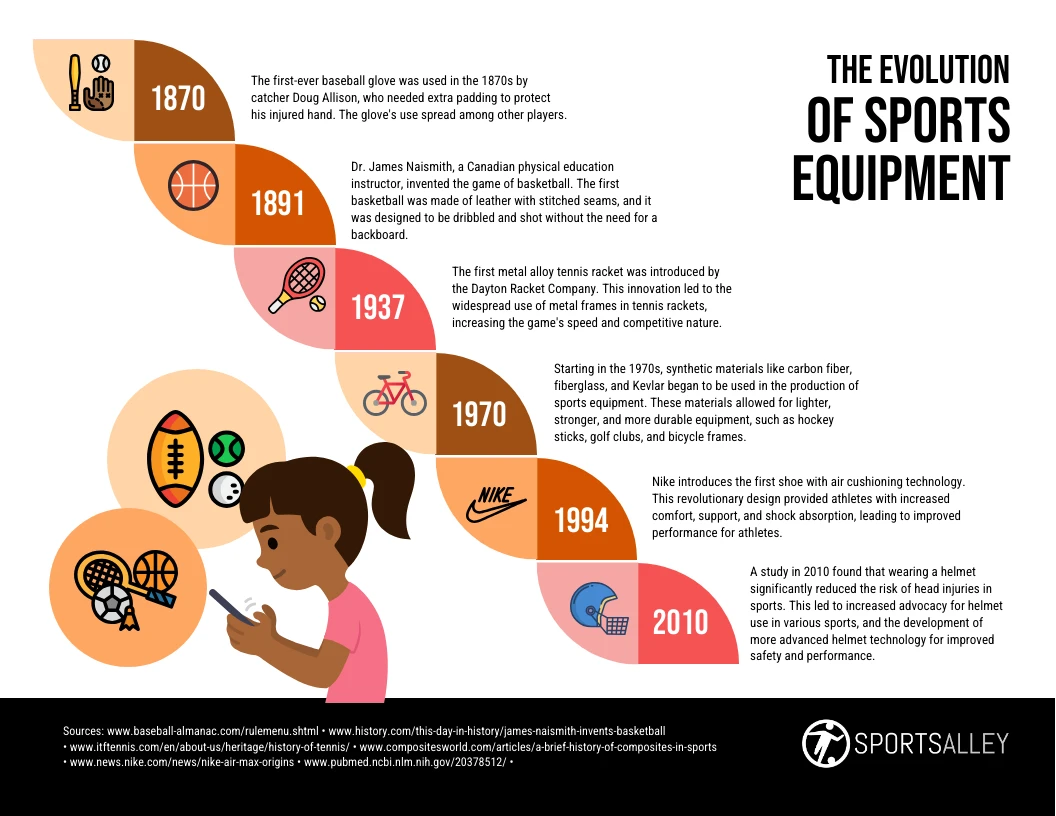
The evolution of sports equipment reflects humanity’s ingenuity and the relentless pursuit of performance, safety, and fairness. From ancient civilizations to the modern era, advancements in materials, design, and technology have transformed how athletes train, compete, and recover.
???? Ancient Beginnings
The origins of sports equipment trace back to early civilizations. In ancient Egypt, depictions reveal rudimentary balls made from animal bladders and bones, laying the foundation for future advancements in sports gear . Similarly, ancient Chinese records from the Warring States period (476–221 BC) mention the use of a football, indicating early forms of sporting tools .physicalculturestudy.comWikipedia
????️ Industrial Revolution & Material Innovations
The Industrial Revolution marked a significant turning point, introducing mass production and new materials. The discovery of vulcanized rubber in the mid-1800s led to the creation of inflatable balls, revolutionizing sports like basketball and football . Synthetic fabrics such as nylon and polyester emerged, offering lightweight, moisture-wicking, and stretchable properties ideal for sportswear.Flex Fitness Equipment Au
Companies like Easton Sports pioneered the use of aluminum in sports equipment. In 1969, Easton began manufacturing aluminum baseball bats, followed by aluminum hockey stick shafts in the early 1980s, which were approved for use in the NHL .Wikipedia
???? Mid-20th Century: Safety and Performance
The 1920s saw the introduction of soft leather helmets in football. By the 1940s, plastic helmets became mandatory, and by the 1960s, molded polycarbonate helmets were standard. Today, helmets incorporate smart technology to minimize concussion risks and enable two-way communication .SubAir Systems+1
???? Late 20th Century: High-Performance Materials
The late 20th century witnessed the integration of advanced materials like carbon fiber, titanium, and ceramics into sports equipment. These materials offer enhanced strength, reduced weight, and improved performance. For instance, Howard Head’s innovations in the 1950s led to the development of the first commercially successful aluminum laminate skis and oversized tennis rackets, significantly impacting skiing and tennis equipment design .Wikipedia
???? 21st Century: Smart and Specialized Gear
The 21st century has ushered in an era of smart and specialized sports equipment. Wearable technology, such as fitness trackers and smart clothing, allows athletes to monitor performance metrics in real-time. In swimming, Speedo’s LZR Racer swimsuits, introduced in 2008, utilized polyurethane panels to reduce drag, leading to numerous world records before being banned due to performance-enhancing concerns .WIRED+1
In running, Nike’s Vaporfly shoes, featuring a carbon fiber plate and innovative foam, have revolutionized competitive running since their 2016 debut, enabling runners to achieve faster times and setting new records .WIRED
???? Gender-Inclusive Design
Recognizing the need for gender-specific equipment, Kelly Dyer, a former hockey player, collaborated with manufacturers to design equipment tailored for women. This included smaller-radius sticks, tailored gloves, and protective padding, addressing the unique needs of female athletes and promoting inclusivity in sports .The Guardian
???? Looking Ahead
The future of sports equipment lies in the integration of artificial intelligence, augmented reality, and sustainable materials. These innovations aim to enhance athlete performance, improve safety, and promote environmental responsibility. As technology continues to evolve, sports equipment will undoubtedly advance, offering athletes new tools to achieve excellence.
Leave a Reply
You must be logged in to post a comment.