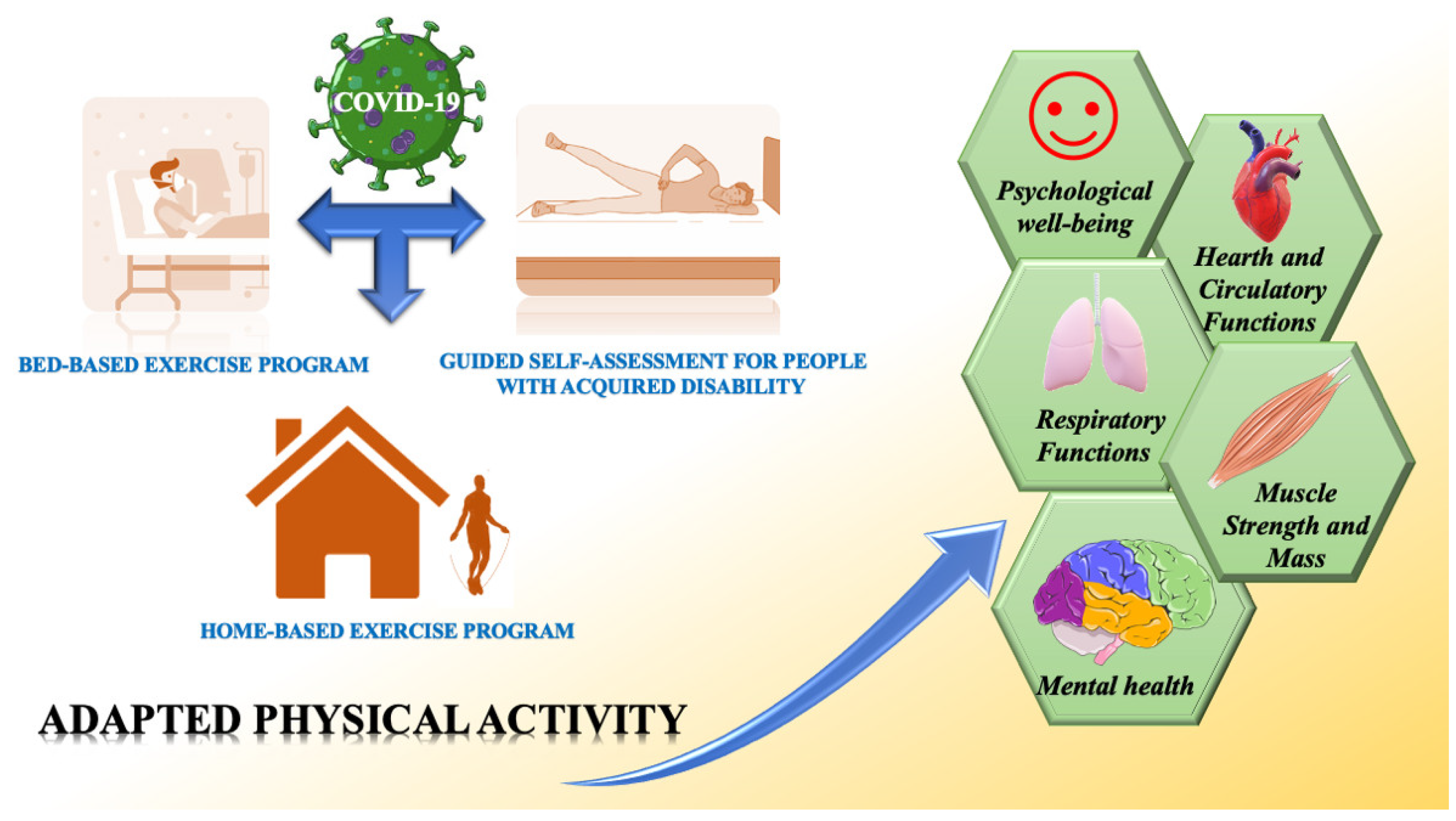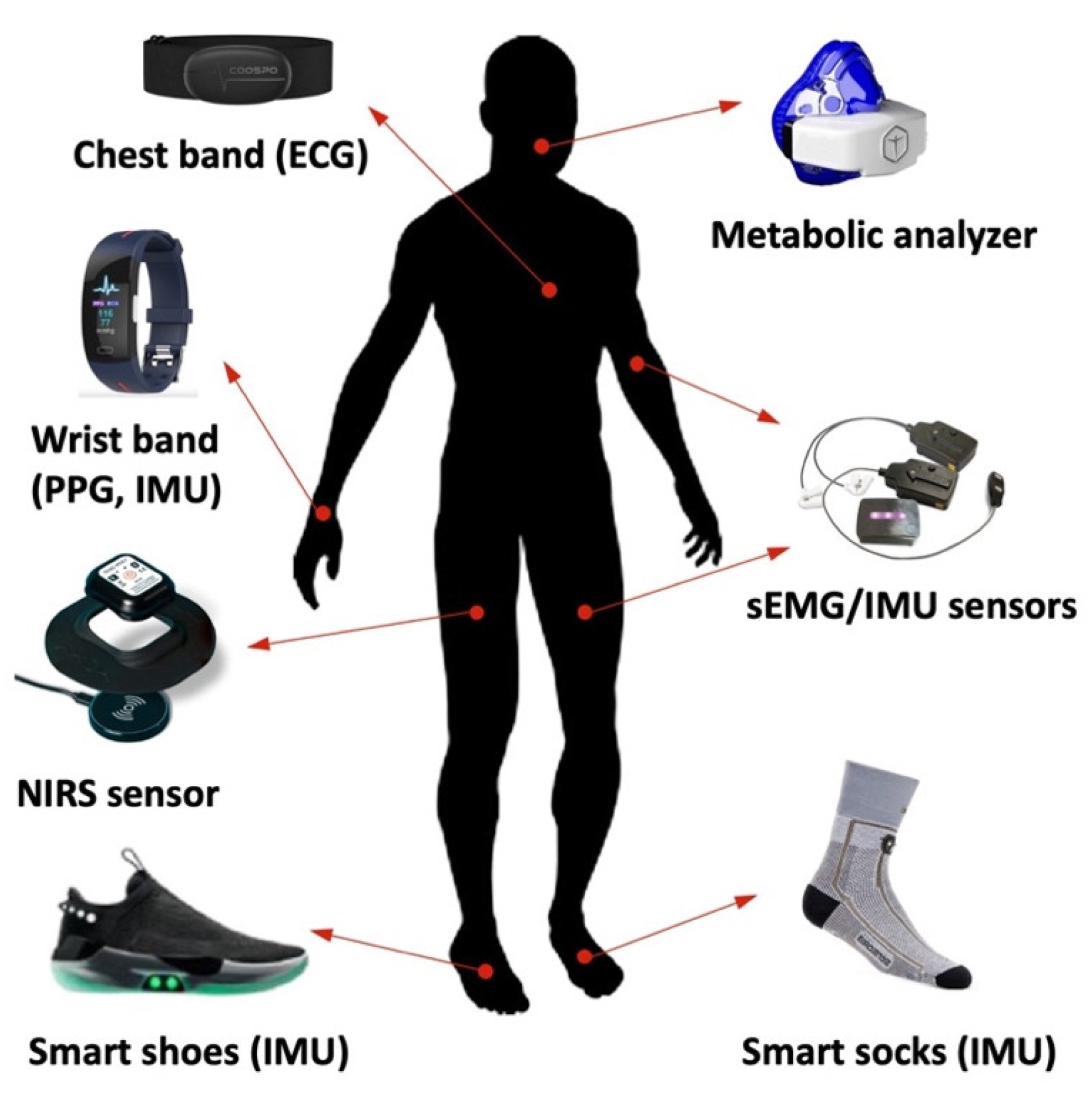


Wearable technology is significantly enhancing adaptive sports training by providing real-time data and personalized feedback, which are crucial for athletes with disabilities. These advancements enable tailored training programs, improved performance, and better injury prevention.Number Analytics
???? Key Applications of Wearable Tech in Adaptive Sports
1. Wheelchair Sports Performance Monitoring
In wheelchair basketball and rugby, inertial measurement units (IMUs) are integrated into wheelchairs to capture kinematic data such as speed, acceleration, and rotation. This data helps coaches assess mobility performance and make informed decisions about training and equipment adjustments. shimmersensing.com
2. Muscle Activity and Joint Monitoring
Wearable sensors track muscle activity and joint movements, providing insights into an athlete’s biomechanics. This information is vital for designing personalized training programs and monitoring recovery, ensuring that athletes perform exercises safely and effectively. Robo Bionics
3. Fatigue and Stress Detection
Devices that monitor stress levels and fatigue can alert coaches to potential risks, allowing for adjustments in training loads or techniques before injuries occur. This proactive approach enhances athlete safety and prolongs careers. SpringerLink+1
4. AI-Powered Coaching
Emerging trends include AI-powered wearables that analyze performance data to provide actionable insights. These systems can optimize training routines, reduce injury risk, and improve overall athletic performance. Number Analytics
⚠️ Challenges and Considerations
- Cost and Accessibility: High-quality wearable technologies can be expensive, limiting access for some athletes.
- Standardization: The lack of standardization in adaptive sports tech can create confusion and barriers to adoption. Number Analytics
- User-Centered Design: Ensuring that wearable devices are designed with the specific needs of athletes with disabilities in mind is crucial for their effectiveness. Number Analytics
???? Future Directions
The future of wearable technology in adaptive sports includes:
- Enhanced AI Integration: Developing more sophisticated AI algorithms to provide deeper insights into athlete performance.
- Improved Accessibility: Making wearable devices more affordable and accessible to a broader range of athletes.
- Personalized Feedback Systems: Creating systems that offer real-time, personalized feedback to athletes, aiding in immediate performance adjustments.