AI-Driven Biomechanics in Adaptive Sports
Artificial Intelligence (AI) is revolutionizing adaptive sports by providing personalized, real-time biomechanical analysis that enhances performance, safety, and inclusivity for athletes with disabilities. AI technologies, including machine learning, computer vision, and wearable sensors, are being integrated into adaptive sports to optimize movement patterns, improve assistive devices, and facilitate individualized training.
???? Personalized Movement Analysis
AI-powered systems analyze athletes’ movements to detect subtle biomechanical patterns, offering insights into joint angles, muscle activation, and overall movement efficiency. For instance, AI models can assess gait and posture in athletes using prosthetics or wheelchairs, providing data to refine techniques and reduce the risk of injury. These analyses enable coaches and therapists to tailor training programs that accommodate individual needs and abilities.
???? Enhancing Assistive Devices
AI is instrumental in advancing the design and functionality of prosthetics and orthotics. By incorporating AI algorithms, these devices can adapt to an athlete’s movements in real-time, improving control and responsiveness. For example, AI-driven prosthetics can adjust to different terrains or sports-specific demands, offering athletes greater autonomy and performance capabilities. Robo Bionics
????♂️ Real-Time Performance Feedback
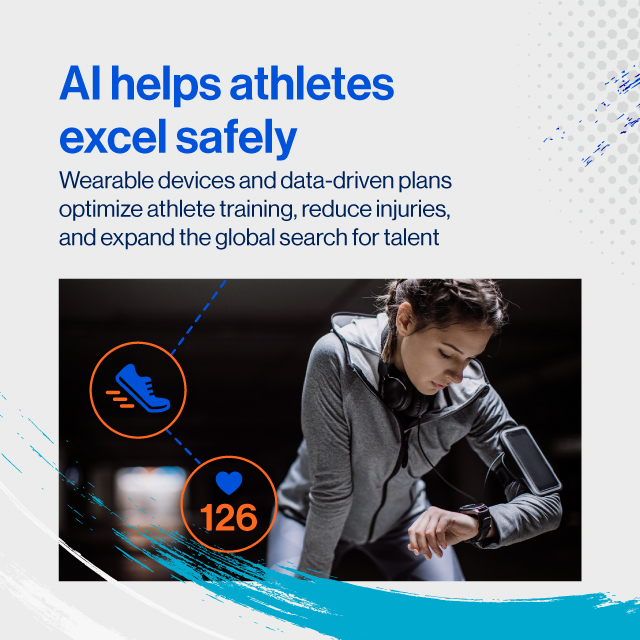
Wearable AI technologies, such as smart sportswear embedded with sensors, provide real-time feedback on an athlete’s performance. These devices monitor parameters like muscle fatigue, joint stress, and movement symmetry, alerting athletes and coaches to potential issues before they lead to injury. This proactive approach allows for timely adjustments to training and competition strategies.
???? Injury Prevention and Rehabilitation
AI-driven analytics are used to predict and prevent injuries by identifying risky movement patterns and overuse indicators. In rehabilitation, AI assists in developing personalized recovery plans by analyzing progress and adjusting protocols accordingly. This individualized approach accelerates recovery and enhances the effectiveness of rehabilitation programs. Sports Injury Bulletin
???? Promoting Inclusivity and Accessibility
The integration of AI in adaptive sports promotes inclusivity by providing athletes with disabilities access to advanced training tools and performance analytics. AI enables the development of customized equipment and training programs that cater to diverse abilities, ensuring that all athletes have the opportunity to compete and excel.