

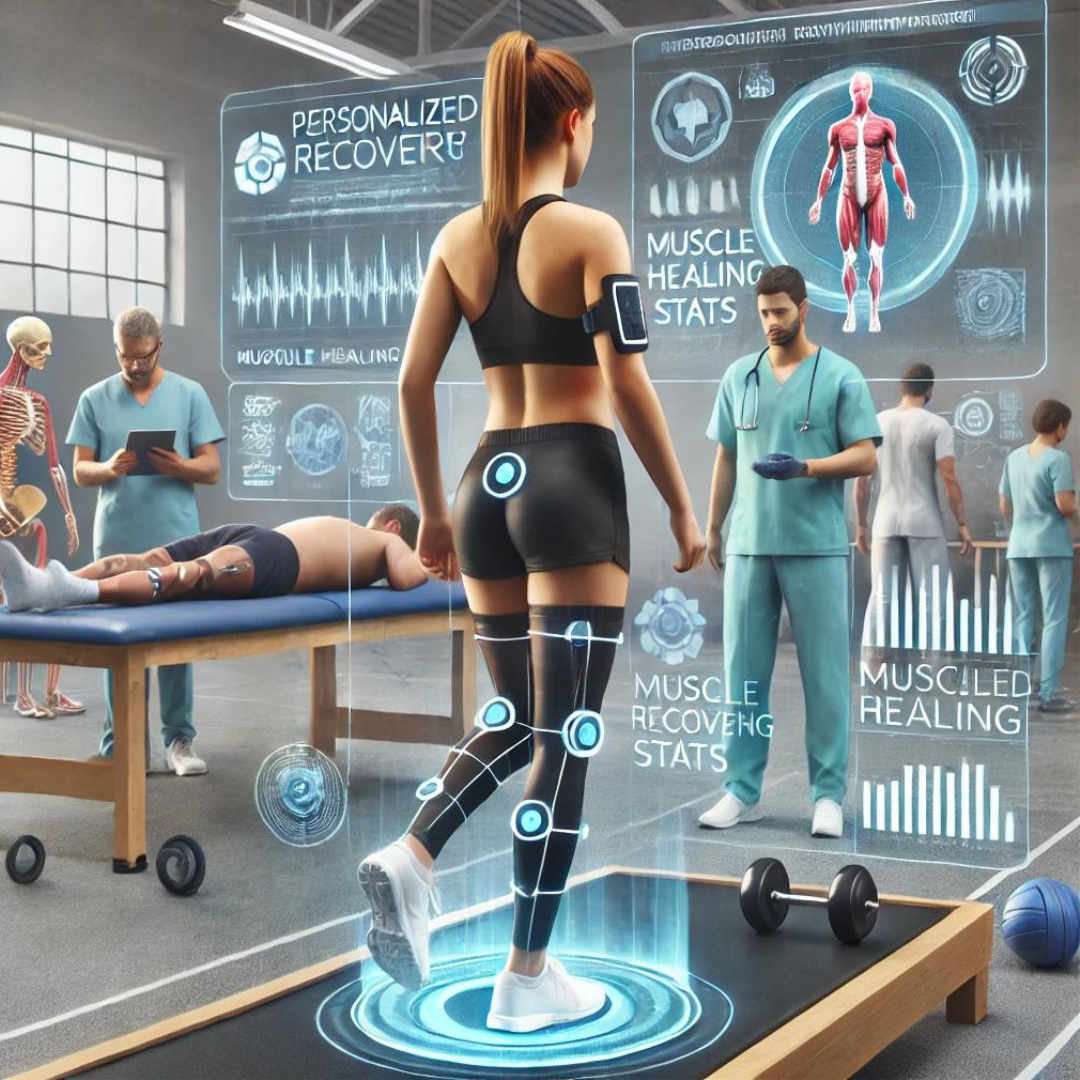


Neftaly’s integration of artificial intelligence (AI) into recovery protocols is revolutionizing how athletes and fitness enthusiasts manage rest between training sessions. By leveraging real-time data from wearables and AI-driven analytics, Neftaly offers personalized recovery strategies that enhance performance and reduce the risk of overtraining.
???? How AI Optimizes Recovery
1. Personalized Recovery Plans
AI analyzes individual data—such as heart rate variability (HRV), sleep patterns, muscle soreness, and activity levels—to create tailored recovery protocols. These plans adjust dynamically based on real-time feedback, ensuring optimal rest and readiness for subsequent training sessions .AICompetence.org
2. Monitoring Training Load and Fatigue
AI systems track both external loads (e.g., distance run, weight lifted) and internal loads (e.g., perceived exertion, HRV) to assess an athlete’s fatigue levels. This comprehensive monitoring helps in balancing training intensity with adequate recovery, preventing overtraining and associated injuries .SportsFirst
3. Real-Time Adjustments
Advanced AI platforms can modify training loads in real-time based on recovery metrics. For instance, if an athlete’s HRV indicates insufficient recovery, the system may recommend lighter training or additional rest, optimizing performance outcomes .AICompetence.org
4. Integration with Wearable Technology
Devices like smartwatches and fitness bands collect data on sleep quality, muscle recovery rates, and fatigue levels. AI analyzes this information to adjust recovery protocols, ensuring that athletes receive personalized guidance for optimal recovery .AICompetence.org+1Oyelabs+1Oyelabs
5. Enhancing Mental Resilience
AI not only focuses on physical recovery but also monitors psychological factors such as mood and stress levels. By addressing both physical and mental aspects, AI helps in maintaining overall well-being and readiness for training .AICompetence.org
????♂️ Real-World Applications
- Professional Sports Teams: Organizations like the England women’s national football team utilize AI to monitor player health, adjusting training and recovery plans based on individual data .
- Rehabilitation Centers: Clinics employ AI to create customized recovery plans for patients, adjusting protocols in real-time to enhance recovery outcomes .
- Fitness Enthusiasts: Individuals use AI-powered apps to track recovery metrics and receive personalized recommendations, optimizing their training and recovery cycles .
???? The Future of AI in Recovery
The future of AI in recovery lies in its ability to integrate more diverse data sources, such as genetic information and environmental factors, to provide even more personalized recovery strategies. Advancements in AI algorithms will continue to enhance the precision and effectiveness of recovery protocols, leading to improved athletic performance and reduced injury rates.