

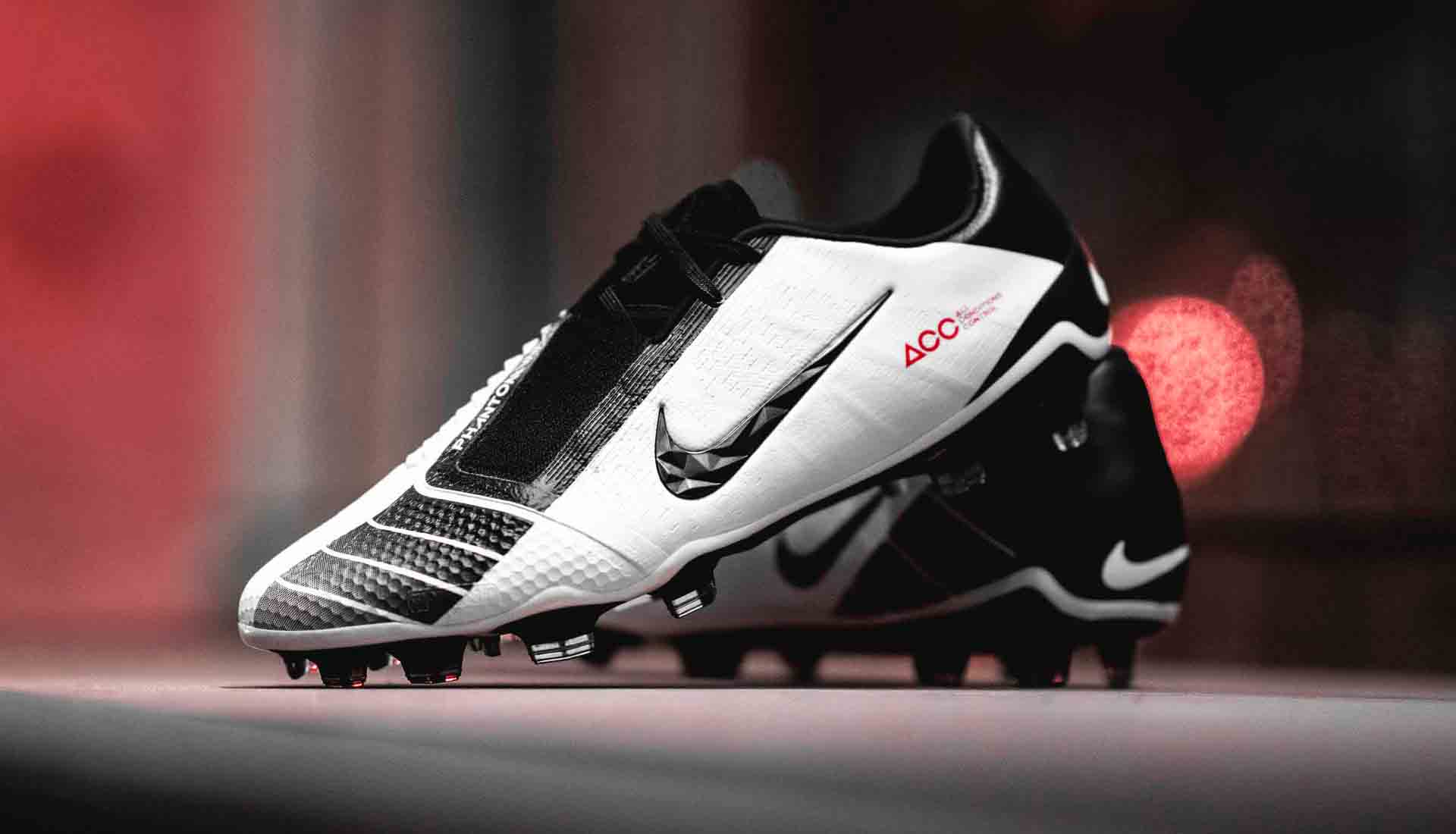
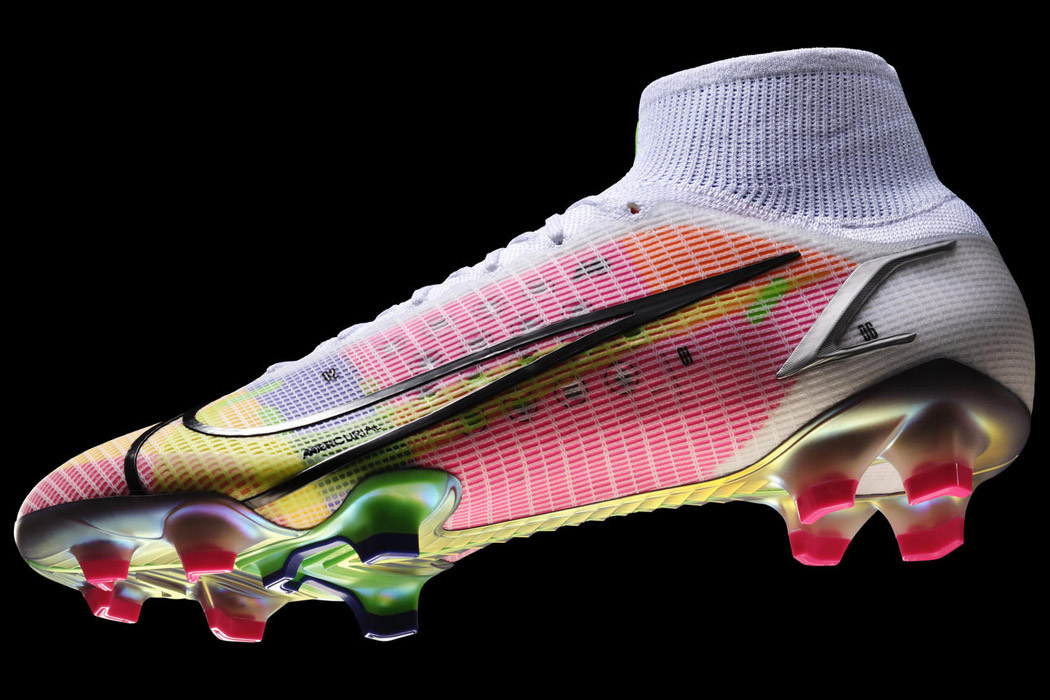


The development of the modern soccer boot is a fascinating journey of innovation, blending tradition with cutting-edge technology to enhance performance, comfort, and style.
???? Origins: From King Henry VIII to the 20th Century
The first recorded football boots were made for King Henry VIII in 1526, crafted from leather with metal studs for grip . By the 1920s, German brothers Adi and Rudolf Dassler created models resembling modern football boots, featuring leather uppers and steel studs, which significantly reduced weight and improved traction .Football Boots+1Google Arts & Culture+1
???? Mid-20th Century: Innovation in Materials
In the mid-1900s, the introduction of kangaroo leather revolutionized soccer boots. Its lightweight and supple nature provided players with enhanced ball control and comfort . The 1954 World Cup saw the German team wearing boots with screw-in studs, a design innovation by Adi Dassler that allowed for customizable traction .Viterbi Engineering+2Wikipedia+2Wikipedia
⚙️ 1990s–2000s: Technological Advancements
The 1990s and 2000s marked a period of significant technological advancements in soccer boot design:
- Adidas Predator (1994): Introduced rubber elements on the upper to enhance ball control and swerve.
- Nike Mercurial (1998): Focused on lightweight design for speed, with the Mercurial Vapor worn by Ronaldo during the 1998 World Cup .Wikipedia
- Lotto Zhero Gravity (2006): Featured a laceless design, offering a clean strike surface and improved ball control.Wikipedia+2WIRED+2
These innovations paved the way for more specialized boots catering to different playing styles and positions.Wikipedia
???? 2010s–Present: Cutting-Edge Materials and Design
Modern soccer boots incorporate advanced materials and design features:
- Flyknit Technology: Nike’s Magista boots utilize Flyknit for a sock-like fit, enhancing flexibility and reducing weight .WIRED
- Primeknit Uppers: Adidas’s laceless boots like the Predator and Copa series use Primeknit for a snug fit and improved ball control.
- Carbon Fiber Plates: Incorporated in soleplates to provide responsive energy return and support.
- Bladed Studs: Designed to offer superior traction and stability, especially during quick directional changes .
These advancements aim to enhance player performance by offering a combination of comfort, agility, and precision.
????♂️????♀️ Inclusivity and Customization
Modern brands are increasingly focusing on inclusivity and customization:
- Women-Specific Designs: Brands are developing boots tailored to the anatomical differences of female athletes, addressing concerns like foot shape and weight distribution.Wikipedia
- Custom Fit Options: Technologies like Adidas’s Speedfactory and Nike’s customization services allow players to personalize boots for optimal fit and performance.
???? Future Trends
The future of soccer boots is poised to embrace further innovations:
- Smart Boots: Integration of sensors to monitor performance metrics such as speed, distance, and kick strength.
- Sustainable Materials: Development of eco-friendly materials to reduce environmental impact.
- Enhanced Fit Technologies: Advancements in 3D printing and adaptive materials to create boots that conform perfectly to individual foot shapes.
These developments aim to provide players with tools that not only enhance performance but also contribute to sustainability and personalized comfort.
For a deeper dive into the evolution of soccer boots, you might find this video insightful: