Neftaly is a Global Solutions Provider working with Individuals, Governments, Corporate Businesses, Municipalities, International Institutions. Neftaly works across various Industries, Sectors providing wide range of solutions.
The history of women’s hockey championships reflects the steady growth of the sport and its increasing recognition on the global stage. Early forms of organized women’s hockey date back to the late 19th and early 20th centuries in Canada, but opportunities for formal championships were limited due to societal barriers and lack of institutional support. The 1980s marked a turning point, with the introduction of regional and national tournaments, laying the groundwork for international competition.
The first official International Ice Hockey Federation (IIHF) Women’s World Championship was held in 1990 in Ottawa, Canada, signaling a major milestone for the sport. This event brought together top teams from across the world and gave women’s hockey legitimacy as a global competition. Over time, powerhouse nations such as Canada, the United States, and later Finland and Sweden began to establish strong rivalries, fueling both the competitiveness and visibility of the championships. These tournaments also played a vital role in lobbying for the inclusion of women’s hockey in the 1998 Winter Olympics in Nagano, Japan.
Since its Olympic debut, women’s hockey championships have continued to expand in scale and popularity. The IIHF Women’s Worlds have become an annual highlight, while national leagues and continental tournaments provide platforms for athletes to showcase their skills year-round. Media coverage and grassroots programs have further contributed to growth, inspiring new generations of female players worldwide. The history of women’s hockey championships is therefore not just about competition but also about the fight for equality, recognition, and the ongoing development of the sport at all levels.
Neftaly: The History of Modern DanceSport Championships
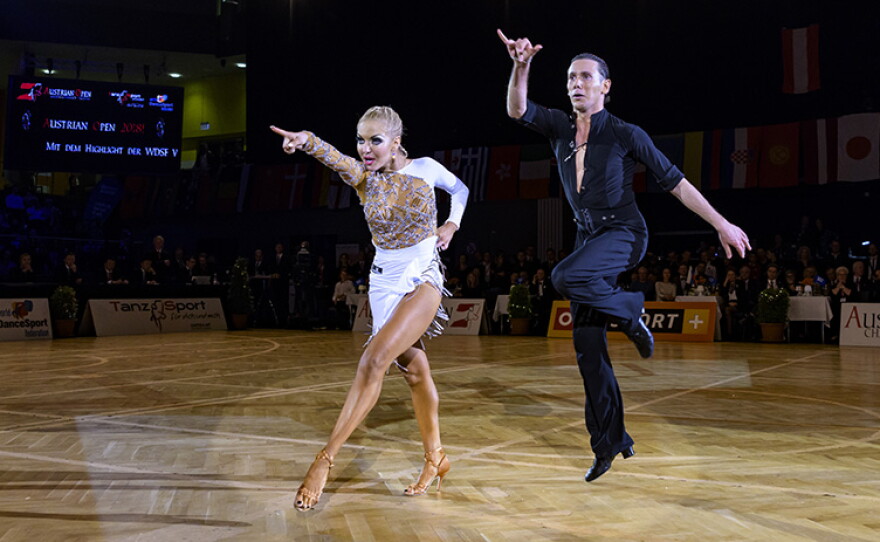
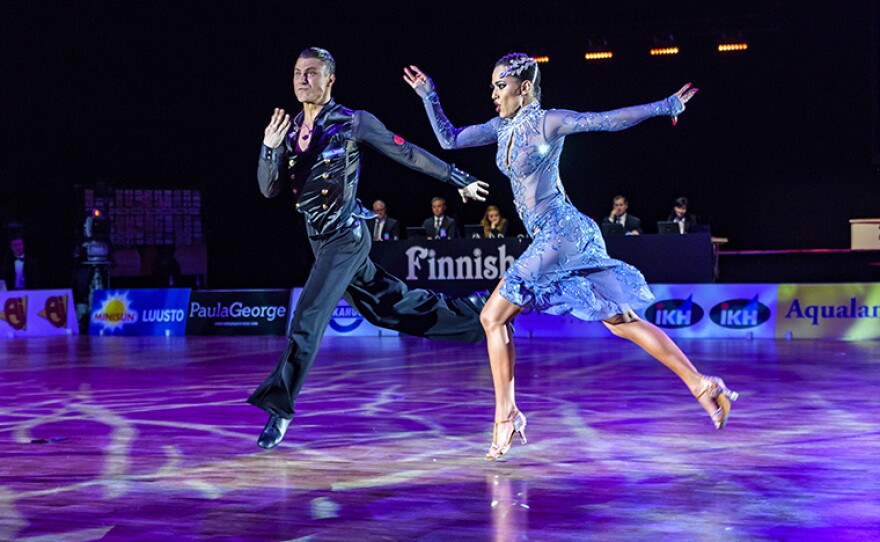
Modern DanceSport, the competitive form of ballroom dancing, has evolved into a globally recognized sport with a rich history of championships. Its journey from informal social gatherings to prestigious international competitions reflects the growing appreciation of dance as both an art form and a sport.
???? Early Beginnings and Formation of Competitions
The roots of competitive ballroom dancing trace back to the early 20th century. In 1907, the first international tango competition was held in Nice, France, marking a significant milestone in the formalization of dance competitions. This event set the stage for the establishment of various ballroom dance championships across Europe. Lifetime+1
In 1935, the Fédération Internationale de Danse pour Amateurs (FIDA) was founded in Prague, aiming to standardize dance competitions. However, FIDA was dissolved in 1956, leading to the formation of the International Council of Amateur Dancers (ICAD) in 1957 in Wiesbaden, Germany. This organization played a pivotal role in organizing international dance competitions and promoting dance as a sport. worlddancesport.org+2Wikipedia+2
???? Establishment of the World DanceSport Federation (WDSF)
The IDSF became a member of the General Association of International Sports Federations (GAISF) in 1992 and was recognized by the International Olympic Committee (IOC) in 1997. In 2011, the organization was renamed the World DanceSport Federation (WDSF) to underscore its international scope. Wikipedia+1
???? Growth and Globalization of Championships
Since the mid-20th century, DanceSport championships have expanded globally, with major events held in various countries. The WDSF oversees numerous competitions, including the World DanceSport GrandSlam Series, which features top dancers from around the world competing in Latin and Standard categories. These events showcase the highest levels of skill and artistry in competitive ballroom dancing.theworldgames.org+2KPBS Public Media+2
???? DanceSport as a Sport and Art Form
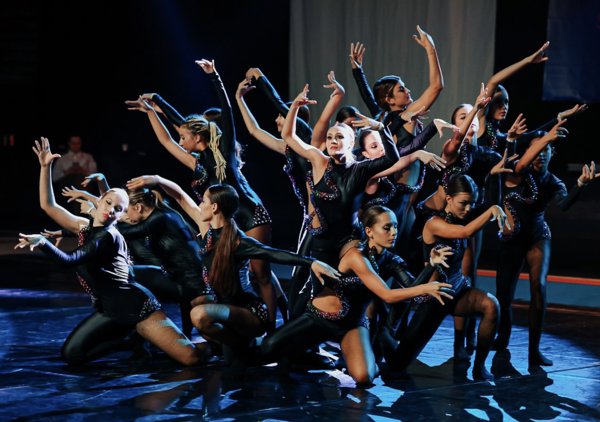
Modern DanceSport championships are characterized by a blend of athleticism and artistic expression. Competitors are judged on their technical proficiency, musicality, and choreography, with performances often incorporating elements of theater and storytelling. This fusion of sport and art has contributed to the growing popularity and prestige of DanceSport competitions worldwide.
???? Media Coverage and Popularity
The first television broadcast of a DanceSport competition occurred in Germany in 1960, bringing the sport into the homes of viewers and increasing its visibility. Since then, DanceSport has been featured in various media outlets, further solidifying its status as a respected competitive discipline. worlddancesport.org
???? The Future of DanceSport Championships
Looking ahead, DanceSport continues to evolve, with innovations in choreography, technology, and global participation. The WDSF remains committed to promoting DanceSport as a recognized Olympic sport, working towards greater inclusion and representation on the international stage.KPBS Public Media+11worlddancesport.org+11wikidancesport.com+11
Modern DanceSport championships have a rich history that reflects the sport’s evolution from social dances to a globally recognized competitive discipline. Through the efforts of organizations like the WDSF, DanceSport continues to thrive, captivating audiences and inspiring dancers worldwide.
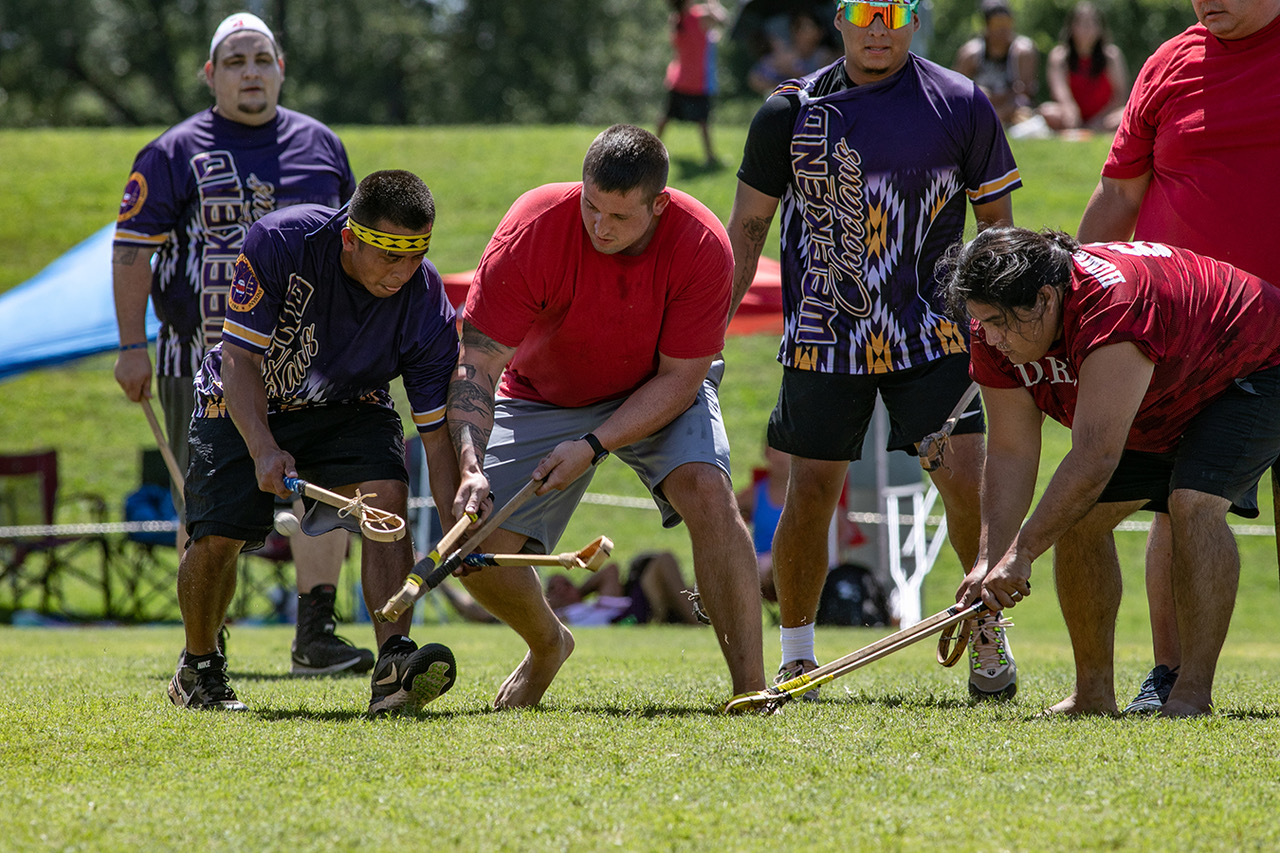
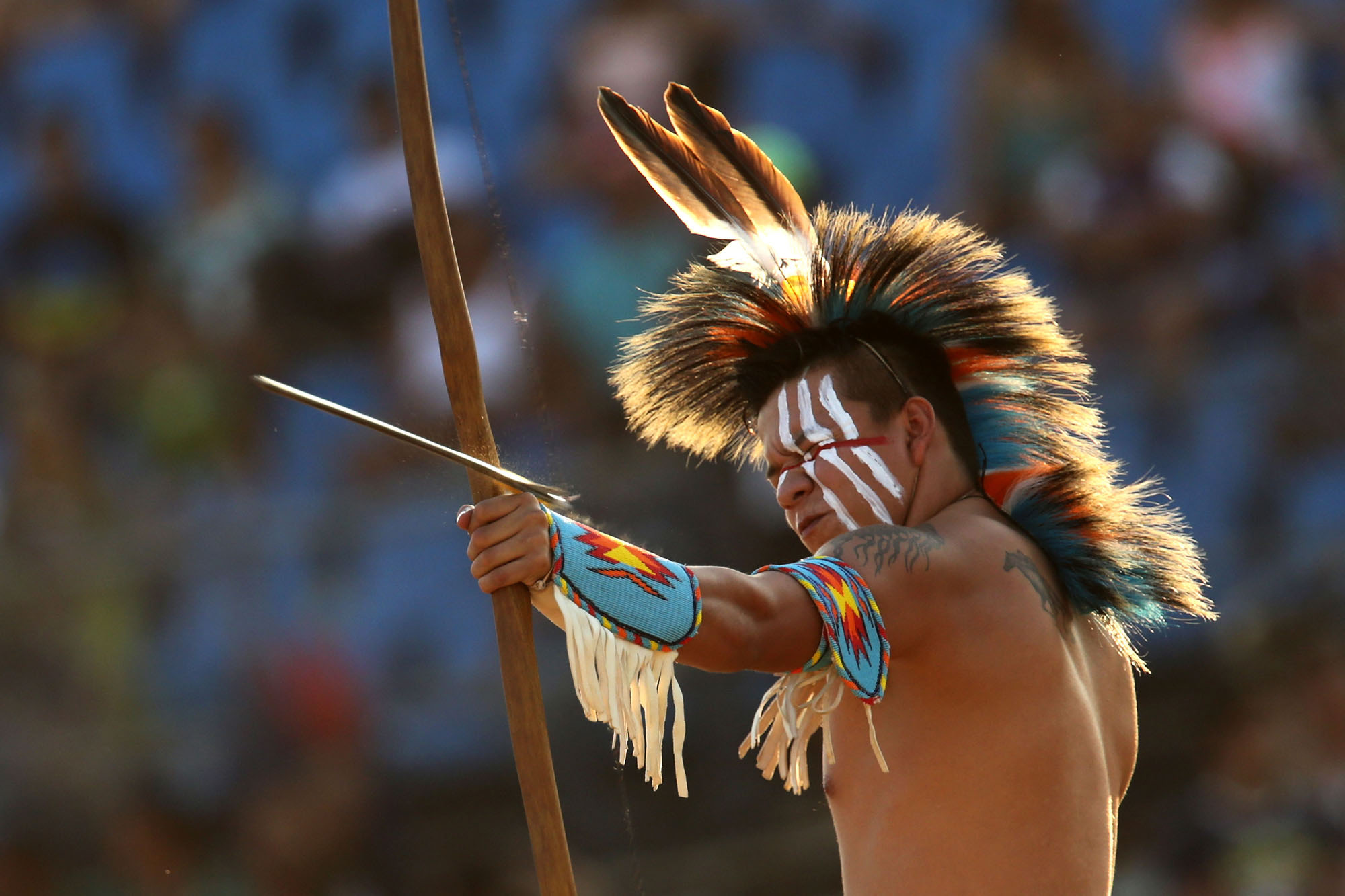
Here are vivid illustrations of indigenous sports integrated into national-level events—from traditional Cherokee stickball and Brazil’s World Indigenous Games to symbolic Indigenous fixtures at Olympic-style gatherings—setting a powerful tone for Neftaly’s vision.
Global Precedents: Indigenous Sports in National Championships
National Indigenous Cricket Championships (Australia) As part of the Imparja Cup, this competition has evolved into a national-level Indigenous Australian cricket tournament—providing pathways for Indigenous participants to shine in cricket through structured, recognized competitions.Wikipedia
Sir Doug Nicholls Round (AFL, Australia) The Australian Football League hosts an annual Indigenous Round—now named in honor of Sir Doug Nicholls—with teams wearing Indigenous artwork, performing cultural rituals, and adopting traditional names—making Indigenous heritage a celebrated part of the sport’s national identity.Wikipedia
Meghalaya Games (India) This regional multi-sport event in Meghalaya has integrated indigenous tribal games—such as maw-point (seven stones), rah mukhrah (heavy-rock races), and wa’pong sika (bamboo pole contests)—into its roster, blending cultural traditions with competitive formats.Wikipedia
Arctic Winter Games (Circumpolar Regions) A biennial multilateral sporting event celebrating Arctic and Indigenous cultures through competitions that include both modern sports and traditional games, reinforcing cultural significance alongside athletic excellence.Wikipedia
National Aboriginal Hockey Championships (Canada) This Canadian U15 and U18 hockey tournament includes opening ceremonies rich with Indigenous cultural performances, attire, and music—embedding cultural pride into the national youth sporting framework.Wikipedia
How Neftaly Can Integrate Indigenous Sports in National Programs
Strategy
Description
Cultural Festival Integration
Introduce traditional Indigenous sports as exhibition or medal events within national championships to highlight cultural legacy.
Indigenous Rounds & Ceremonies
Designate Indigenous heritage-themed rounds in domestic leagues—complete with cultural visuals, rituals, and creative branding.
Dedicated Indigenous Championships
Launch national competitions analogous to the Imparja Cup—offering formal pathways for Indigenous sports and athletes.
Educational Showcases at Events
Pair traditional game demonstrations (e.g., Inuit games, stickball) with historical storytelling for spectators.
Youth Engagement Hubs
Set up cultural-sport zones at championships where youth can try traditional games, learn crafts, and meet athletes.
Media Storytelling Campaigns
Produce feature stories or live broadcasts explaining the cultural context of Indigenous sports to build broader appreciation.
Why This Works for Neftaly
Cultural Respect & Visibility Elevates Indigenous traditions as core national assets—not side acts—affirming respect and heritage.
Enriches National Storytelling Demonstrates unity through sport while celebrating the diversity of cultural expression.
Strengthens Youth Identity & Access Creating inclusive competition platforms inspires Indigenous youth and values their heritage.
Builds Social Cohesion Through Sport Shared sporting platforms centered on cultural inclusion nurture understanding, pride, and connection.