Neftaly Email: sayprobiz@gmail.com Call/WhatsApp: + 27 84 313 7407

Tag: changed

Neftaly is a Global Solutions Provider working with Individuals, Governments, Corporate Businesses, Municipalities, International Institutions. Neftaly works across various Industries, Sectors providing wide range of solutions.

Neftaly Email: sayprobiz@gmail.com Call/WhatsApp: + 27 84 313 7407

  • Neftaly Famous sports events that changed the course of history

    Neftaly Famous sports events that changed the course of history

    Neftaly Famous Sports Events That Changed the Course of History

    Sports have always been more than just games. At their most powerful, they inspire nations, break down barriers, and even spark social revolutions. At Neftaly, we celebrate the power of sports to transform the world. Here are some of the most famous sports events that didn’t just make headlines — they changed history.


    1. 1936 Berlin Olympics – Jesse Owens Defies Nazi Ideology

    In the heart of Nazi Germany, Adolf Hitler sought to use the 1936 Olympics as a display of Aryan supremacy. Instead, African American athlete Jesse Owens won four gold medals in track and field, shattering Hitler’s propaganda. Owens’ victories sent a powerful message against racism and showcased the strength of diversity on a global stage.


    2. 1966 World Cup – England Wins, Football Unites a Nation

    England’s only FIFA World Cup win in 1966 wasn’t just a sporting triumph; it was a unifying national moment. Emerging from post-war recovery, England’s victory reignited national pride and gave birth to a modern football culture that continues to influence the game today.


    3. 1972 Munich Olympics – Tragedy Sparks Change

    The Munich Olympics turned tragic when Palestinian terrorists took Israeli athletes hostage, resulting in 11 deaths. This event reshaped global attitudes toward sports security and diplomacy, leading to the overhaul of international security protocols at sporting events.


    4. 1995 Rugby World Cup – Mandela, Springboks, and South African Unity

    After the fall of apartheid, South Africa hosted the Rugby World Cup. Nelson Mandela famously donned a Springboks jersey — once a symbol of division — and presented the trophy to white captain Francois Pienaar. This moment became a turning point in reconciliation and nation-building for South Africa.


    5. 1968 Mexico City Olympics – Black Power Salute

    American athletes Tommie Smith and John Carlos raised black-gloved fists during the medal ceremony to protest racial injustice in the United States. Their silent protest became an enduring symbol of civil rights activism and athlete advocacy worldwide.


    6. 2008 Beijing Olympics – China’s Global Statement

    The 2008 Olympics marked China’s reintroduction to the world stage as a modern superpower. From the breathtaking opening ceremony to the nation’s dominance in medal counts, the event showcased China’s political, economic, and cultural rise.


    7. 2020 Tokyo Olympics – Held Amid a Pandemic

    Delayed by a year due to COVID-19, the Tokyo 2020 Olympics (held in 2021) symbolized resilience, global unity, and the power of sport in difficult times. With no spectators and strict safety measures, it was a historic display of adaptation and perseverance.


    Why It Matters

    At Neftaly, we believe in the transformative power of sports. These iconic moments remind us that sports are not just about competition — they’re about courage, change, and connection. From breaking racial barriers to uniting nations, sports have shaped history and will continue to write its future.


    Join Neftaly in celebrating the moments that moved us, united us, and changed the world — one game at a time.

  • Neftaly Famous athletes who changed the face of their sports

    Neftaly Famous athletes who changed the face of their sports


    Famous Athletes Who Changed the Face of Their Sports

    Throughout history, certain athletes have transcended their games, redefining their sports and inspiring generations worldwide. Their talent, determination, and impact extend far beyond records and trophies—they transformed culture, broke barriers, and shifted perceptions.

    1. Muhammad Ali (Boxing)

    Ali revolutionized boxing with his unique style, charismatic personality, and fearless activism. He challenged racial injustice and became a global symbol of courage and social change.

    2. Serena Williams (Tennis)

    Serena’s dominance, athleticism, and resilience reshaped women’s tennis, inspiring countless athletes and pushing the sport toward greater inclusivity and power.

    3. Michael Jordan (Basketball)

    Jordan’s unparalleled skill and competitive drive elevated basketball to new heights, popularizing the NBA worldwide and becoming a cultural icon through sports and business.

    4. Pelé (Soccer)

    Pelé brought soccer to global prominence, combining extraordinary talent with sportsmanship. His legacy paved the way for the sport’s international growth and accessibility.

    5. Billie Jean King (Tennis)

    A pioneer for gender equality, King’s athletic achievements and advocacy advanced women’s rights in sports and beyond, changing attitudes and policies forever.


    At Neftaly, we celebrate these trailblazers who redefined what’s possible in sports. Their legacies inspire athletes to not only excel but to use their platforms for meaningful change.


  • Neftaly How fan engagement has changed with digital platforms

    Neftaly How fan engagement has changed with digital platforms

    How Fan Engagement Has Changed with Digital Platforms

    Digital platforms have revolutionized the way sports fans connect with teams, athletes, and each other. The rise of social media, streaming services, and interactive apps has created new opportunities for immersive and personalized fan experiences.

    1. Real-Time Interaction

    Fans can now engage live through comments, polls, and chats during games, bringing a new level of immediacy and community.

    2. Behind-the-Scenes Access

    Digital content offers exclusive looks at training, locker rooms, and personal moments, deepening the fan-athlete connection.

    3. Global Reach

    Fans worldwide can follow their favorite teams and athletes, breaking geographical barriers and growing international fanbases.

    4. User-Generated Content

    Supporters create and share their own content, from memes to fan art and commentary, enriching sports culture.

    5. Personalized Experiences

    Data-driven platforms tailor content recommendations, merchandise offers, and notifications to individual fan preferences.


    At Neftaly, we celebrate how digital platforms have transformed fan engagement, making sports more accessible, interactive, and inclusive than ever before.

  • Neftaly Famous athletes who changed the game

    Neftaly Famous athletes who changed the game

    https://thegrio.com/cdn-cgi/image/width%3D1048%2Cheight%3D590%2Cfit%3Dcrop%2Cquality%3D80%2Cformat%3Dauto%2Conerror%3Dredirect%2Cmetadata%3Dnone/wp-content/uploads/sites/34/2022/01/Jackie-Robinson.jpg
    https://thegrio.com/wp-content/uploads/sites/34/2024/07/GettyImages-2160014075-e1719941820444.jpg?w=1024
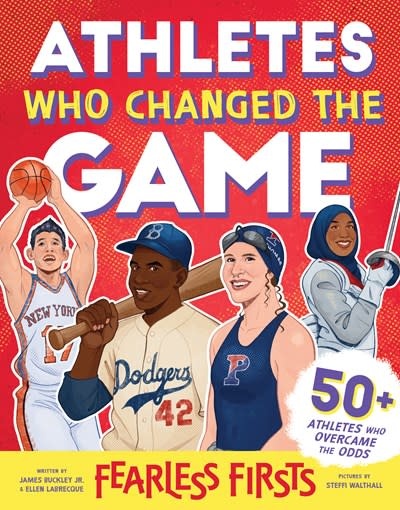
    https://cdn.shoplightspeed.com/shops/611345/files/62153551/sourcebooks-explore-athletes-who-changed-the-game.jpg
    https://www.nickiswift.com/img/gallery/athletes-who-changed-their-game-by-changing-their-lifestyle/intro-1672940355.jpg

    Here’s a visual tapestry of some legendary athletes whose feats have literally changed the game—from social trailblazers to technical innovators.


    Neftaly: Famous Athletes Who Changed the Game

    1. Muhammad Ali – The People’s Champion

    Beyond his lightning-fast footwork and ring dominance, Ali became an icon of resistance and identity. His bold activism—refusing military service and championing racial justice—transformed boxing into a platform for social change. He remains celebrated as one of the most influential athletes ever. ToxigonWikipediaUS Daily News

    2. Michael Jordan – Global Elevation of Basketball

    Jordan soared past athletic excellence to cultural immortality. With six NBA titles, global fandom, and the Air Jordan brand, he revolutionized sports marketing, raised the bar for athletic branding, and turned basketball into a worldwide spectacle. ToxigonSporting NewsDr. Matthew LynchSpotlight Feature

    3. Billie Jean King – Equality in Motion

    Her famous 1973 “Battle of the Sexes” win was more than a tennis match—it was a statement. King’s unwavering advocacy for gender equality and LGBTQ+ rights opened doors for generations of female athletes. Toptenz.netSpotlight Feature

    4. Serena Williams – Power, Precision, and Perseverance

    With 23 Grand Slam titles and one of the fiercest serves in tennis history, Serena redefined the sport. Off-court, she’s a voice for racial and gender justice, inspiring athletes to use their platforms for meaningful change. ToxigonSASTV

    5. Usain Bolt – Lightning on the Track

    Bolt shattered speed records with unparalleled charisma. His dazzling 100m and 200m performances not only redefined athletic limits but reenergized global interest in track and field. US Daily NewsSASTV

    6. Babe Ruth – Home Runs and Heroism

    Ruth’s booming bat changed how baseball was played. In an era dominated by small-ball, his power hitting reoriented the sport’s strategic focus—and made him one of the first true sports celebrities in America. Spotlight FeatureDr. Matthew Lynch

    7. Jesse Owens – Records and Resistance

    At the 1936 Berlin Olympics, Owens won four gold medals, defying Nazi propaganda and racial ideology. His feats remain an enduring symbol of dignity, resilience, and unspoken defiance. Spotlight FeatureWikipedia

    8. Dick Fosbury – Reinventing the High Jump

    Fosbury flipped the game—literally—with the “Fosbury Flop.” After introducing his unconventional technique in the 1968 Olympics, it became the standard high-jump method almost overnight. Wikipedia

    9. Jonah Lomu – Rugby’s Global Superstar

    Lomu redefined rugby with his rare blend of size, speed, and power. His explosive presence at the 1995 Rugby World Cup shifted how wingers were valued and turned rugby into a truly global spectacle. Wikipedia


    Neftaly Insight: Why They Matter

    • Trailblazing on and off the field: These athletes weren’t just game-changers—they were society-changers, from racial equality to redefining athleticism.
    • Lasting legacy: Their influence continues—in sport, culture, marketing, and activism.
    • Beyond performance: They expanded what it means to be an athlete—merging excellence with identity, innovation, and impact.

    Would you like to spotlight one of these icons further, or explore modern contenders like Simone Biles or Megan Rapinoe? Just say the word!


    More on these game‑changers

    50 legendary athletes who've changed the world of women's sports

    businessinsider.com

    50 legendary athletes who’ve changed the world of women’s sports

  • Neftaly How soccer uniforms have changed over the decades

    Neftaly How soccer uniforms have changed over the decades

    How Soccer Uniforms Have Changed Over the Decades

    Soccer uniforms have evolved dramatically over the years, reflecting changes in fashion, technology, performance needs, and branding. From heavy, restrictive kits to lightweight, high-tech apparel, the transformation mirrors the sport’s growth and professionalization.

    Early 20th century: Soccer uniforms were simple and utilitarian. Players wore long-sleeved cotton shirts, heavy wool shorts, and sturdy leather boots. Durability was prioritized over comfort or performance.

    1950s–1970s: Lighter fabrics and shorter shorts became popular, improving mobility. Team colors and crests started gaining prominence, emphasizing identity and pride. Nylon and polyester blends began to replace heavier materials, enhancing breathability.

    1980s–1990s: Uniform design became more dynamic, with bold patterns, sponsor logos, and vibrant colors entering mainstream kits. Advancements in synthetic fabrics improved moisture-wicking and reduced weight, allowing players to move faster and more comfortably.

    2000s–2010s: High-performance materials, including mesh panels and stretch fabrics, became standard. Technology focused on aerodynamics, ventilation, and moisture control. Clubs and national teams experimented with innovative designs to boost brand appeal and marketability.

    2020s–present: Modern uniforms integrate cutting-edge textile technology, sustainability, and personalization. Eco-friendly fabrics, anti-odor treatments, and 3D tailoring for optimal fit are common. Branding, fan merchandise, and digital engagement influence design as much as on-field performance.

    In summary, soccer uniforms have transitioned from heavy, practical kits to lightweight, technologically advanced apparel that enhances performance, showcases identity, and drives commercial appeal. This evolution reflects the broader modernization and globalization of the sport.