Neftaly is a Global Solutions Provider working with Individuals, Governments, Corporate Businesses, Municipalities, International Institutions. Neftaly works across various Industries, Sectors providing wide range of solutions.
Dealing with the Pressures of Commercialization in Sports
Commercialization has transformed modern sports, bringing sponsorships, broadcasting deals, and global marketing opportunities. While these financial gains can enhance development and exposure, they also create pressures that affect athletes, teams, and governing bodies.
Maintaining Athletic Integrity: Athletes and organizations face pressure to prioritize profit over performance or sportsmanship. Upholding ethical standards, fair play, and dedication to the sport is essential to preserve credibility and trust.
Balancing Performance and Marketability: Athletes are often expected to deliver both on-field success and public appeal. Managing this dual expectation requires support systems that address media obligations, brand partnerships, and personal well-being.
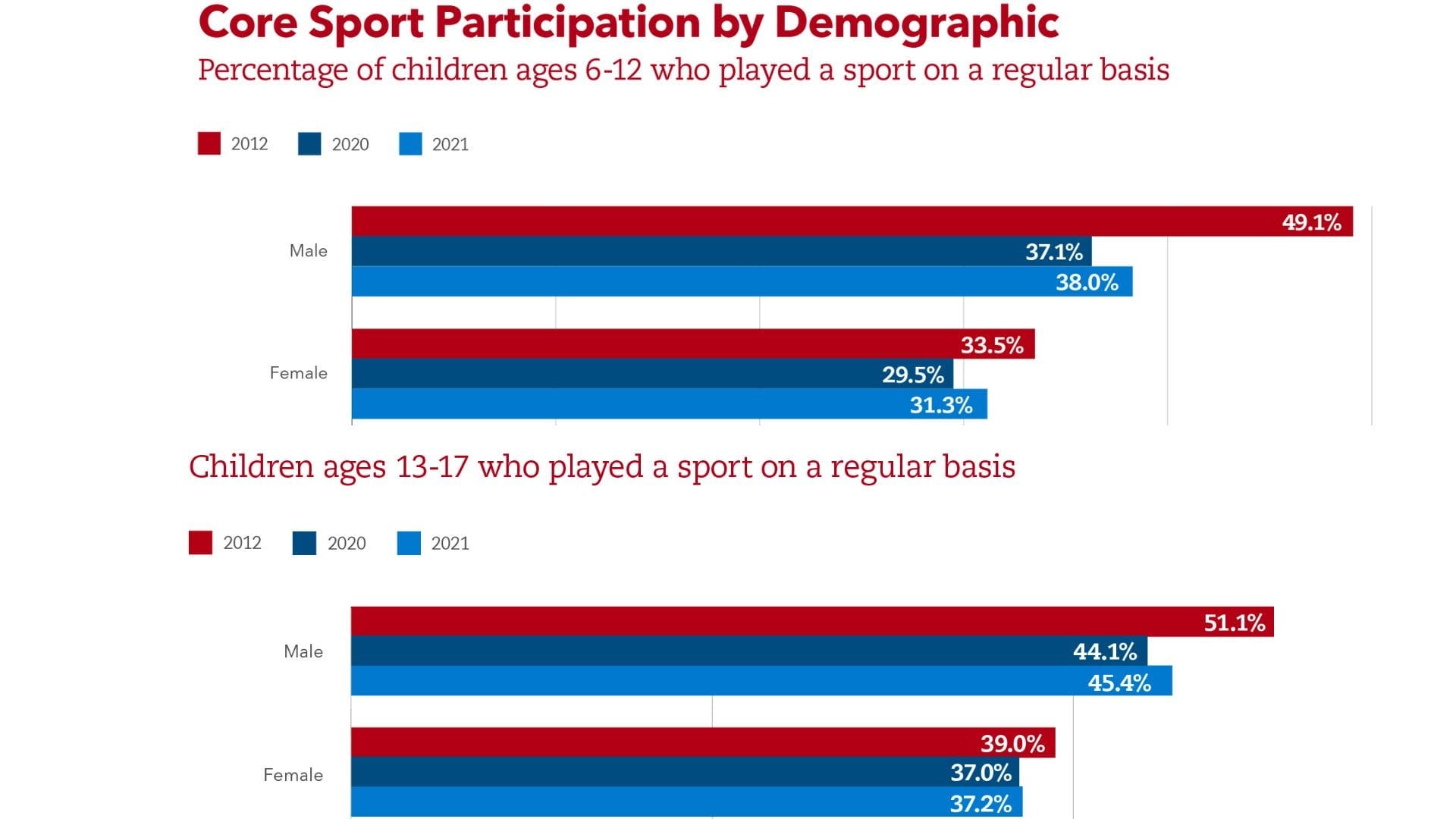
Protecting Athlete Welfare: Commercial pressures can lead to overtraining, early specialization, or scheduling conflicts. Ensuring proper rest, mental health support, and workload management helps athletes thrive while meeting commercial demands.
Transparent Governance and Decision-Making: Sports organizations must balance revenue generation with fairness, access, and equitable resource distribution. Transparency in contracts, sponsorship deals, and event organization protects stakeholders from exploitation.
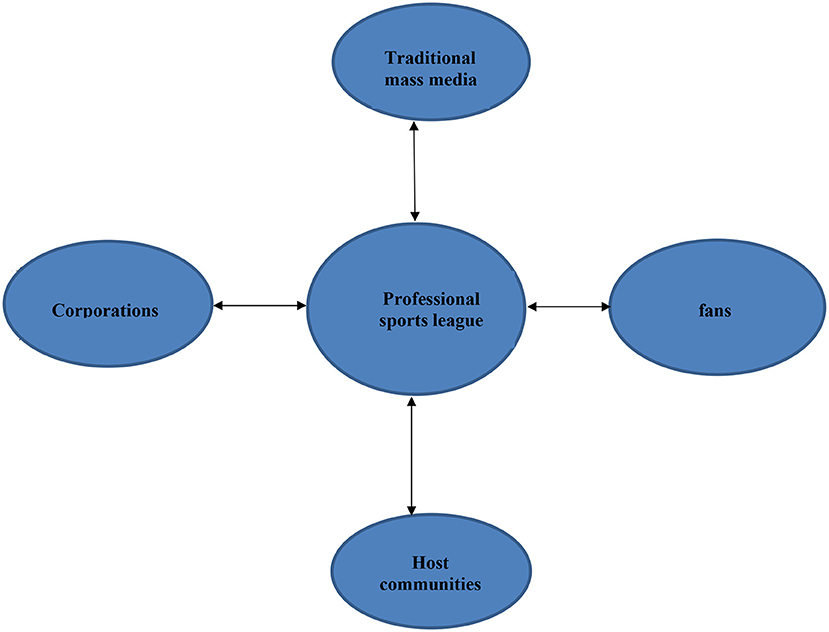
Fan Engagement vs. Profit Motivation: While commercialization drives revenue, maintaining authentic fan experiences and community connection is crucial. Ethical marketing and fan-centered initiatives help prevent exploitation for financial gain alone.
In essence, dealing with commercialization pressures requires a careful balance between financial opportunities and the core values of sport. By prioritizing integrity, athlete welfare, and ethical governance, sports can thrive economically while staying true to their purpose.
Neftaly: Balancing Competitive Integrity with Commercialization
1. Strong Governance & Institutional Oversight
Building robust governance structures is essential for protecting sporting integrity amid commercial pressures. Sports organizations must adopt transparent policies, enforce ethical codes, and ensure accountability in decision-making. This helps prevent conflicts of interest, corruption, and rule manipulation.Number Analytics+1
Organizations such as the International Olympic Committee (IOC) and FIFA maintain ethics commissions, codes of conduct, and governance mechanisms dedicated to preserving fair competition.genlasix.comNumber Analytics
2. Regulation & Financial Fairness
Implementing financial regulations—such as salary caps, revenue sharing, and fair play rules—encourages equitable competition. These measures prevent wealthier clubs from monopolizing talent and help maintain a level playing field.The Insurance UniverseThe Insurance Universe
3. Monitoring Systems & Integrity Education
Advanced technologies like data analytics and betting-market monitoring help detect anomalies, match-fixing, and corruption early. Educational initiatives—such as transparency workshops and integrity tours—ensure that all participants understand the ethical risks and consequences.Number AnalyticsWikipedia
4. Ethics-Driven Revenue Strategies
Commercialization should align with the core values of sports. Sponsorships must be vetted to avoid associations with controversial industries. Contracts should include ethical clauses that allow withdrawal in case of misconduct.The Insurance UniverseFasterCapitalUS Schools
Sponsors can also play a positive role by funding athlete welfare and integrity education, promoting ethical behavior inside and outside the arena.FasterCapital
Public disclosure of finances—through audits, reports, and independent reviews—builds trust and accountability. Whistleblower programs help deter wrongdoing by enabling safe reporting of corruption or ethical violations.Number Analytics
Embedding ethics into sports culture requires ongoing education for athletes, coaches, leaders, and sponsors. Initiatives like New Zealand’s proactive anti-doping and integrity programs—including “Speak Out” campaigns—demonstrate how education fosters accountability and protects fairness.Wikipedia
Organizations like Panathlon International promote ethics through value-based frameworks, helping sports bodies navigate complex commercial environments while preserving the spirit of fair play.Wikipedia
7. Reinvestment & Social Responsibility
Rather than prioritizing profits, reinvesting commercial revenues into grassroots development, athlete welfare, and clean-competition infrastructure sustains sports’ long-term health and competitive balance.genlasix.com
8. Real-Time Enforcement & Adaptation
As commercialization evolves—through areas like sports betting—regulations must evolve too. Recent scandals underscore the importance of responsive enforcement and multistakeholder regulation to preserve trust in sports.Axios
Vet sponsors, maintain ethical clauses, support athlete welfare
Transparency
Public disclosures, financial audits, protection for whistleblowers
Education & Culture
Ongoing training, integrity campaigns, ethical role modeling by leaders
Social Responsibility
Reinvestment into development, health, and equality
Adaptive Enforcement
Up-to-date regulations, technology integration, quick responses to emerging threats
In summary, balancing commercialization with competitive integrity demands a multi-layered approach: unwavering governance, ethical financial practices, proactive monitoring, transparency, targeted education, and reinvestment. When implemented effectively, these strategies ensure that sports remain credible, fair, and sustainable—even as they grow more commercialized.
Would you like to explore examples from specific leagues (like European football, NBA, or global Olympics), or dive deeper into best-in-class governance models?
Neftaly: The Role of Media in the Commercialization of Sports
Media has been a pivotal force in transforming sports from localized pastimes into global entertainment industries. Its influence spans broadcasting, digital platforms, and social media, each contributing uniquely to the commercialization of sports.
???? Broadcasting: The Financial Backbone
Television and streaming platforms have been instrumental in monetizing sports. The sale of broadcasting rights has become a primary revenue stream for sports organizations. For instance, the International Olympic Committee’s deal with NBC to broadcast the Olympics through to the 2032 Games was valued at $7.75 billion . These substantial deals enable leagues to invest in infrastructure, talent, and global expansion.Wikipedia
???? Digital Platforms: Expanding Reach and Engagement
The rise of Over-the-Top (OTT) platforms has revolutionized sports consumption. Ormax Media’s launch of the Ormax Sports Track in India exemplifies this shift, providing insights into viewer engagement and marketing effectiveness for digital sports content . Such tools help sports entities tailor content to audience preferences, enhancing fan loyalty and attracting advertisers.The Economic Times
???? Social Media: Direct Fan Interaction and Branding
Platforms like Instagram, TikTok, and Twitter have become essential for sports marketing. Athletes and teams utilize these channels to build personal brands, engage with fans, and attract sponsorships. Social media’s interactive nature allows for real-time communication, fostering a sense of community and increasing the commercial value of sports entities .Greenfly
????️ Sponsorship and Advertising: Integrating Brands into Sports Culture
Media exposure enhances the effectiveness of sponsorships and advertising. Events like the Paris 2024 Olympics showcased increased product placements and influencer marketing, reflecting a shift towards integrating brands seamlessly into sports content . This integration not only boosts revenue but also shapes consumer perceptions and behaviors.Financial Times
???? Athlete Branding and Media Representation
Media plays a crucial role in constructing athlete identities. While this can elevate athletes to global stardom, it also subjects them to intense scrutiny. The portrayal of athletes in media influences public perception and can impact their marketability and endorsement opportunities.
⚖️ Ethical Considerations: Balancing Commercial Interests and Integrity
The commercialization of sports through media raises ethical questions, such as the potential erosion of amateurism and the pressure on athletes to perform beyond healthy limits . Additionally, the dominance of male perspectives in sports media can marginalize women’s sports and perpetuate gender biases .WikipediaWikipedia
In conclusion, media serves as a catalyst in the commercialization of sports, driving revenue, expanding reach, and shaping public perception. However, this influence necessitates a balanced approach to ensure that the integrity of sports and the well-being of athletes remain at the forefront.