


The Most Dangerous Extreme Sports
Extreme sports, characterized by high risk and intense physical demands, attract thrill-seekers worldwide. While they offer unparalleled adrenaline rushes, they also come with significant dangers. Here’s an overview of some of the most perilous activities:
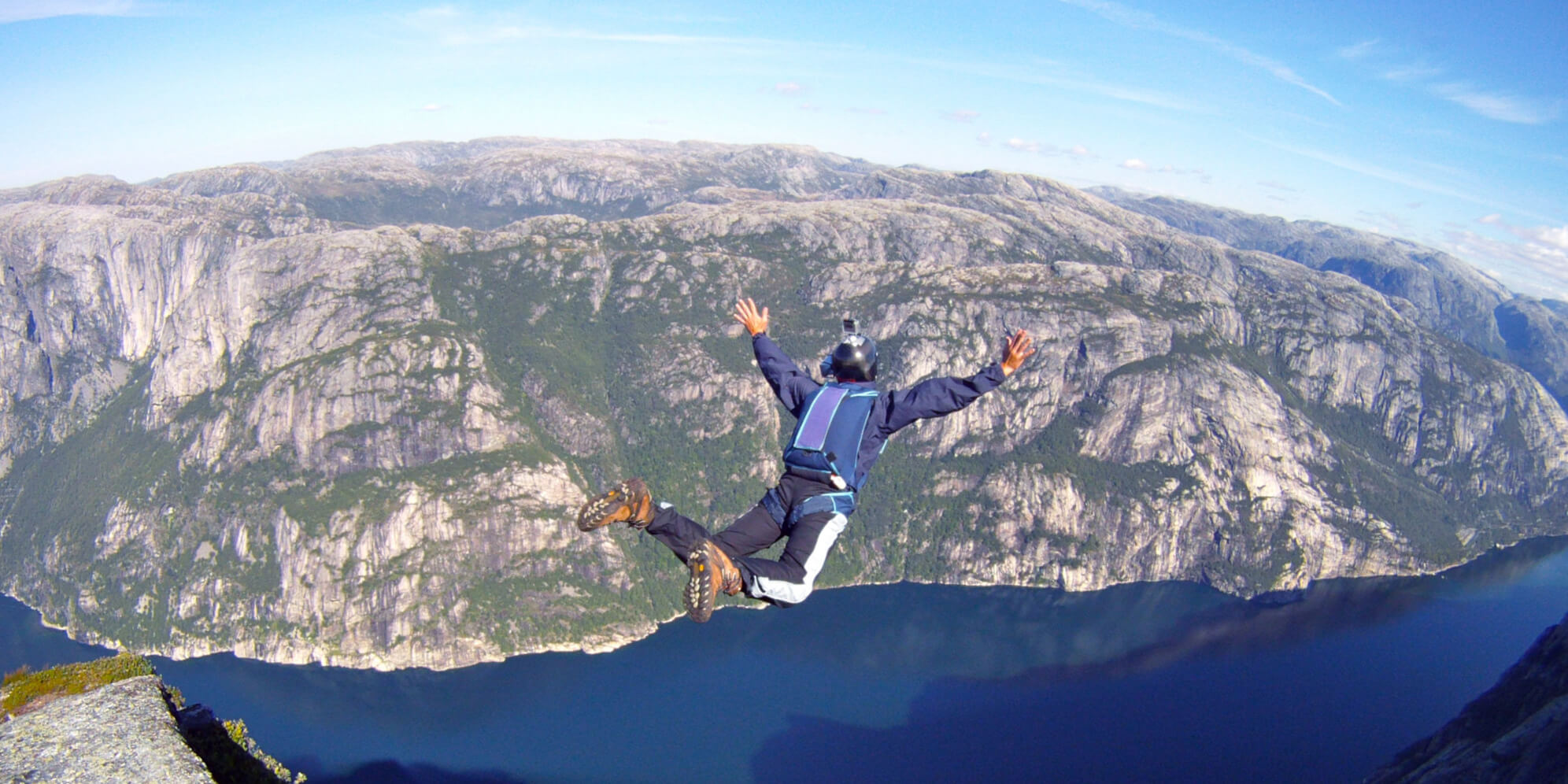
1. BASE Jumping
BASE jumping involves leaping from fixed objects like buildings, antennas, bridges, and cliffs, deploying a parachute to break the fall. Due to the low altitudes, there’s minimal time for parachute deployment, increasing the risk of fatality. Statistics indicate that BASE jumping has one of the highest fatality rates among extreme sports. ZULUDIVER+1RAI
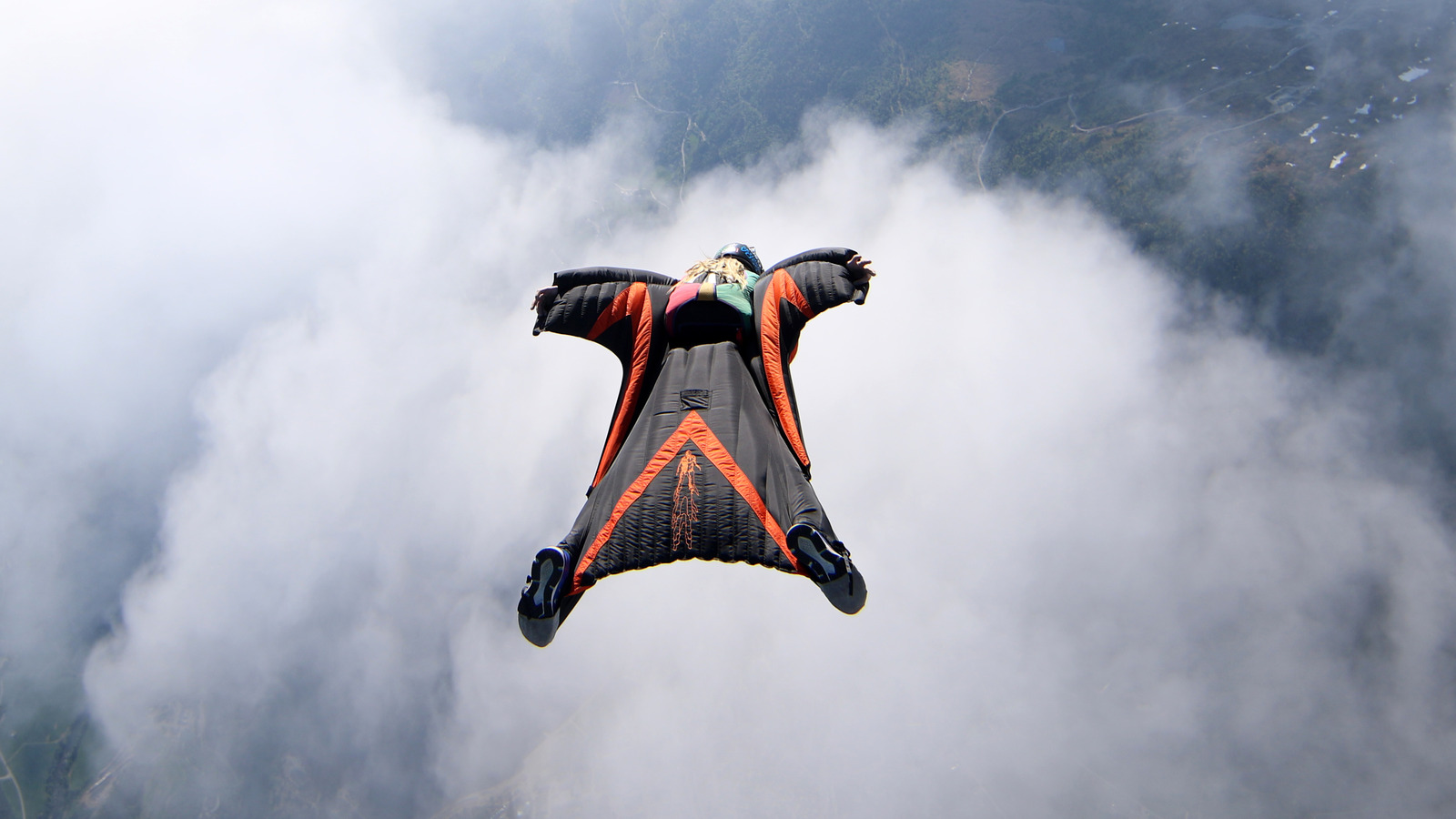
2. Wingsuit Flying
Wingsuit flying enables individuals to glide through the air using a specialized suit that adds surface area to the human body. This sport requires precise control and timing, as pilots navigate through narrow spaces and near obstacles. The sport’s inherent risks are underscored by the fatalities of experienced athletes, such as Dean Potter, who died during a wingsuit flight in Yosemite National Park. TIME+4Reddit+4The Scottish Sun+4TIME
3. Freediving
Freediving entails diving underwater on a single breath without the use of breathing apparatus. While it offers a serene experience, it also poses risks like shallow water blackout, decompression sickness, and nitrogen narcosis. Modern freedivers can reach depths exceeding 400 feet and hold their breath for over 24 minutes, highlighting the sport’s extreme nature. Popular Mechanics
4. Free Solo Climbing
Free solo climbing is rock climbing without ropes or safety gear. The absence of protective equipment means that any fall can be fatal. Climbers must possess exceptional skill and mental fortitude to navigate challenging routes. The sport gained widespread attention with the documentary “Free Solo,” which showcased Alex Honnold’s ascent of El Capitan.
5. Cave Diving
Cave diving combines underwater diving with spelunking, exploring submerged cave systems. The sport’s dangers include entanglement, equipment failure, and disorientation in dark, confined spaces. Incidents in cave diving often result in fatalities due to the challenging environment.Wikipedia+2Wikipedia+2
6. Tow-In Surfing
Tow-in surfing involves using a jet ski to tow surfers into massive waves that are otherwise inaccessible by paddling. Surfers then ride these colossal waves, which can reach heights of up to 100 feet. The immense power of the waves and the speed required make this a high-risk activity. Explore
7. Heli-Skiing
Heli-skiing entails being dropped by helicopter onto remote, untracked mountain slopes to ski or snowboard. The risks include avalanches, crevasses, and rapidly changing weather conditions in isolated areas. While exhilarating, the sport demands thorough preparation and awareness of environmental hazards. Skydive Carolina+2Explore+2
8. Big Wave Surfing
Big wave surfing involves riding waves that are at least 20 feet high, often in challenging ocean conditions. Surfers face dangers such as being held underwater by powerful waves, collisions with the ocean floor, and encounters with marine life. The sport requires exceptional skill and courage to navigate these formidable waves.
9. Ski Mountaineering
Ski mountaineering combines alpine climbing with skiing, requiring participants to ascend peaks before descending on skis. The sport involves navigating glaciers, icefalls, and steep terrain, posing risks of avalanches, crevasses, and extreme weather conditions. Athletes like Cody Townsend have undertaken ambitious projects to ski challenging lines, highlighting the sport’s inherent dangers. GQ
10. Street Luge
Street luge is a gravity-powered sport where riders lie on their backs on a wheeled board, racing down paved roads at high speeds. The sport’s risks include high-speed crashes, loss of control, and collisions with obstacles or vehicles. Despite the dangers, it remains a popular activity for adrenaline enthusiasts.
Conclusion
Engaging in extreme sports offers unparalleled thrills but comes with significant risks. Participants should undergo proper training, use appropriate safety equipment, and remain aware of environmental factors to mitigate dangers. Understanding the risks associated with these sports is crucial for ensuring safety and preparedness. AirMedCare Network
Insights into Extreme Sports and Their Risks

Precipice of fear: the freerider who took skiing to its limits
I’m a real life Superman flying through the air at breakneck speeds – I was inspired by