Neftaly Email: sayprobiz@gmail.com Call/WhatsApp: + 27 84 313 7407

Tag: designing

Neftaly is a Global Solutions Provider working with Individuals, Governments, Corporate Businesses, Municipalities, International Institutions. Neftaly works across various Industries, Sectors providing wide range of solutions.

Neftaly Email: sayprobiz@gmail.com Call/WhatsApp: + 27 84 313 7407

  • Neftaly Designing Inclusive Sports Programs for Special Needs Youth

    Neftaly Designing Inclusive Sports Programs for Special Needs Youth

    Neftaly Designing Inclusive Sports Programs for Special Needs Youth

    Every child deserves the chance to experience the joy, teamwork, and personal growth that sports provide. Neftaly is committed to creating inclusive sports programs that welcome and support youth with special needs, ensuring they can participate fully and confidently.

    Our approach begins with understanding each athlete’s abilities, interests, and goals. We adapt equipment, modify rules, and tailor training methods to provide a safe and enjoyable environment where every participant can thrive. Coaches and volunteers receive specialized training to foster patience, encouragement, and skill-building at the right pace for each individual.

    Beyond physical activity, these programs help build social connections, improve confidence, and encourage lifelong participation in sports. Families become active partners in the process, ensuring support extends beyond the playing field.

    By designing truly inclusive programs, Neftaly is breaking down barriers, celebrating diversity, and proving that in sports — as in life — everyone belongs.
  • Neftaly Designing Safe Training Environments

    Neftaly Designing Safe Training Environments

    Neftaly: Designing Safe Training Environments

    Neftaly champions the creation of training environments that are physically, emotionally, and psychologically safe—so young athletes can thrive without fear or harm. This initiative nurtures trust, fosters growth, and ensures everyone involved in sports feels valued and protected.


    ????️ Core Principles for Safe Training Settings

    1. Physical and Environmental Safety

    2. Supervision & Safeguarding

    3. Psychological Safety & Team Culture

    • Building Trust & Relationships: Coaches should engage with athletes personally—asking about their day, interests, and feelings—to build rapport and show genuine care.Player Development Project
    • Balance Challenge with Support: Develop a nurturing approach that allows controlled risk and mistakes—age‑appropriate discipline helps growth without undue pressure.Player Development Project
    • Encourage Fun & Creativity: Sessions should be enjoyable—when athletes feel safe and engaged, they’re more likely to experiment, learn, and bond.Player Development ProjectFIFA Training Centre
    • Promote inclusive culture by celebrating diversity, adapting coaching to individual needs, and reinforcing positive norms.royalbasketballschool.comen.wikipedia.org

    4. Education, Standards & Evaluation

    • Deliver ongoing training for staff, coaches, and volunteers on safety, safeguarding, inclusion, and mental health.marshsport.co.uk+1safekidsthrive.org+1
    • Adopt recognized frameworks—like sports-based youth development (SBYD)—which emphasize physical and psychological safety, supportive relationships, and recognition.en.wikipedia.org
    • Conduct regular risk assessments, document changes, and audit policies to ensure continuous improvement.kidsclubhq.commarshsport.co.uk

    ✅ How Neftaly Can Implement This

    InitiativeDescription
    Club & Coach TrainingHost modules covering professional safeguarding, first-aid, mental health, inclusion, and emergency protocols.
    Facility Audits & ToolkitsProvide downloadable checklists and templates for risk assessments, equipment inspection, and hygiene routines.
    Culture-Building WorkshopsFacilitate sessions that teach trust-building, inclusive coaching styles, and open dialogue around emotional safety.
    Safeguarding FrameworksHelp clubs implement clear policies, codes of conduct, and reporting channels for abuse or misconduct.
    Monitoring & Review SystemEncourage clubs to routinely evaluate their own safe-practice implementation and make adjustments as needed.
  • Neftaly Designing Athlete Leadership Training Modules

    Neftaly Designing Athlete Leadership Training Modules

    Neftaly: Designing Athlete Leadership Training Modules ????

    Neftaly, via the Diepsloot Youth Project (DYP), offers leadership development through structured workshops, mentorship, and practical application. These modules are designed to equip youth athletes with strong communication, resilience, and civic leadership skills.saypro.online+11sports.saypro.online+11Diepsloot Youth+11

    ???? Core Training Module Themes

    1. Leadership Foundations & Life Skills
      Focusing on communication, teamwork, conflict resolution, and emotional resilience—aligned with Neftaly’s broader leadership training and life‑skills curriculum.Diepsloot YouthDiepsloot Youth
    2. Sports-based Leadership Practicum
      Includes hands-on coaching and peer-facilitation tasks during training and matches—emphasizing accountability, problem-solving, and leading by example.sports.saypro.online
    3. Mentorship Integration
      Pairing young leaders with experienced coaches or role models for ongoing guidance in public speaking, discipline-setting, and academic-athletic balance. Modules embed mentorship sessions to reinforce personal growth.sports.saypro.online+1Diepsloot Youth+1
    4. Community & Civic Leadership
      Modules centered on community governance and local engagement, encouraging youth to tackle real challenges—such as organising community clean-ups, health campaigns, or peer workshops.Diepsloot YouthDiepsloot Youth
    5. Project Planning & Action Learning
      Summits and workshops include session blocks for youth-led project planning—participants learn to design, implement, and evaluate initiatives in sports and community development.saypro.onlineDiepsloot Youth

    ???? Suggested Module Structure

    Module NameFocus AreaKey Learning Activity
    Leadership FoundationsCommunication, teamwork, brandingRole-play, group exercises, reflection tasks
    Sports PracticumAthlete-led coaching & decision-makingPeer coaching drills, match leadership roles
    Mentorship SessionsPersonal development & goal-settingMentor-led guidance, reflection journals
    Community LeadershipCivic planning, empathy, problem-solvingYouth-led community initiatives or advocacy drives
    Project Design WorkshopPlanning, execution, evaluationGroup project pitch, implementation plans, feedback loops

    ???? Program Benefits


    ???? Local Context & Fit

    Based in Diepsloot, Gauteng, these leadership modules align seamlessly with Neftaly’s ethos of youth-led community transformation. They build on DYP’s existing mentorship and evaluation structures to foster sustainable leadership and civic involvement among township youth.Diepsloot Youth+7saypro.online+7Diepsloot Youth+7


    ✅ Readiness & Implementation Notes

    • Neftaly has active experience in workshops on youth governance, leadership, and project management—providing a strong foundation to launch athlete-focused leadership modules.saypro.onlinesaypro.online
    • Trainers and youth mentors are already trained via internal capacity-building programs and volunteer frameworks—ideal for facilitators.saypro.onlineDiepsloot Youth
  • Neftaly Designing Recovery Protocols Tailored to Youth

    Neftaly Designing Recovery Protocols Tailored to Youth

    ???? Holistic Recovery Approach

    DYP’s recovery protocols encompass both physical and mental aspects:

    • Physical Recovery: Incorporating active recovery techniques such as light swimming, walking, or gentle cycling for 20–30 minutes on rest days to promote muscle recovery and circulation. Riverside Sports Therapy+1UK Sports Institute+1
    • Mental Recovery: Encouraging practices like mindfulness, relaxation exercises, and adequate sleep to support cognitive and emotional well-being.

    ????️ Injury Prevention and Return-to-Play Guidelines

    DYP aligns with established guidelines to ensure safe participation:


    ???? Monitoring and Individualized Plans

    Recognizing the diverse needs of youth athletes, DYP emphasizes:

    • Individualized Recovery Plans: Tailoring recovery strategies to each athlete’s specific needs, taking into account factors like age, sport, and injury history.
    • Monitoring Tools: Utilizing tools such as wellness questionnaires and performance tracking to assess recovery status and adjust protocols accordingly.

    ???? Community and Family Engagement

    DYP fosters a supportive environment by:

    • Educating Coaches and Parents: Providing resources and training on the importance of recovery and how to support young athletes effectively.
    • Promoting Open Communication: Encouraging regular dialogue between athletes, coaches, and families to address concerns and share observations related to recovery and well-being.
  • Neftaly Designing Inclusive Sports Facilities for Youth

    Neftaly Designing Inclusive Sports Facilities for Youth

    Neftaly’s Commitment to Inclusive Sports Facilities for Youth

    Neftaly, also known as the Southern Africa Youth Project, is dedicated to empowering youth across Southern Africa, including Diepsloot, Johannesburg. While specific details about designing inclusive sports facilities are not readily available, Neftaly’s broader initiatives in youth development and community engagement suggest a commitment to creating environments that are accessible and welcoming to all young individuals.

    Key Aspects of Inclusive Sports Facilities

    Inclusive sports facilities are essential for ensuring that all youth, regardless of gender, ability, or background, have equal opportunities to participate in sports. Key features of such facilities include:

    • Accessibility: Designs that accommodate individuals with disabilities, ensuring ramps, wide doorways, and accessible restrooms.
    • Safe and Welcoming Environment: Spaces that are free from discrimination and promote positive interactions among diverse groups.
    • Gender-Neutral Facilities: Changing rooms and restrooms that cater to all genders, promoting inclusivity.
    • Community Engagement: Involving local communities in the planning and maintenance of facilities to ensure they meet the needs of all users.

    Neftaly’s Initiatives Supporting Inclusive Sports

    While specific programs focusing on inclusive sports facilities are not detailed, Neftaly’s broader initiatives in youth development and community engagement suggest a commitment to fostering inclusive environments. These initiatives aim to provide youth with the tools and knowledge they need to lead healthy lives.

    Get Involved

    For more information on how to participate in Neftaly’s programs or to support their initiatives, please contact Neftaly at info@saypro.online or visit their official website: southernafricayouth.org.

  • Neftaly Designing Parent Education Programs on Athlete Mental Health

    Neftaly Designing Parent Education Programs on Athlete Mental Health

    Neftaly: Designing Parent Education Programs on Athlete Mental Health

    Neftaly (Southern Africa Youth Project) is dedicated to empowering youth across Southern Africa through various initiatives. While specific details about parent education programs on athlete mental health are not readily available, Neftaly’s broader initiatives suggest a commitment to promoting mental well-being among youth and their families. For instance, Neftaly offers various programs aimed at supporting young individuals:

    • Sports Mentorship Programs: Neftaly connects young athletes with mentors who can guide them through their athletic journeys, offering advice on training, career development, and balancing sport with education. Neftaly Events
    • Leadership and Life Skills Workshops: Beyond athletic prowess, Neftaly is deeply invested in the personal development of its participants. Through leadership and life skills workshops, Neftaly fosters an environment where youth can develop both their skills and their character.
    • Sports and Recreation Programs: Neftaly offers programs that provide access to sports for disadvantaged youth, giving them opportunities to engage in physical activity, build confidence, and develop life skills.

    These initiatives collectively contribute to building confident and empowered young individuals.

    Integrating Mental Health Education for Parents

    While specific parent education programs on athlete mental health are not detailed, integrating such education into youth programs is crucial for overall well-being. Best practices for incorporating mental health education for parents include:

    • Educational Workshops: Organizing sessions to educate parents about the importance of mental health in sports and how they can support their children’s well-being.
    • Resource Distribution: Providing materials such as brochures and guides on recognizing signs of mental health issues and strategies for support.
    • Open Communication: Encouraging open dialogues between parents, coaches, and athletes to foster a supportive environment.

    Get Involved

    For more information on Neftaly’s programs or to participate in upcoming sessions, please contact Neftaly at info@saypro.online or visit their official website: southernafricayouth.org.

  • Neftaly Designing Mental Conditioning Plans for Young Athletes

    Neftaly Designing Mental Conditioning Plans for Young Athletes

    ???? Core Components of a Mental Conditioning Plan

    1. Goal Setting
      • Purpose: Establish clear, achievable objectives to guide training and build motivation.
      • Approach: Utilize the GROW model—Goal, Reality, Options, Way forward—to facilitate structured goal-setting sessions.
      • Outcome: Improved focus and a sense of purpose in training.PositivePsychology.com
    2. Visualization Techniques
      • Purpose: Enhance performance by mentally rehearsing successful outcomes.
      • Approach: Encourage athletes to visualize themselves executing skills proficiently, which can boost confidence and reduce anxiety.
      • Outcome: Increased self-belief and readiness for competition.PositivePsychology.com
    3. Anxiety Control and Relaxation
      • Purpose: Manage stress and maintain composure under pressure.
      • Approach: Teach breathing exercises and mindfulness practices to help athletes stay calm and focused.
      • Outcome: Enhanced emotional regulation and performance consistency.Wikipedia+9Bon Appétit+9Wikipedia+9
    4. Positive Thinking and Self-Talk
      • Purpose: Cultivate a constructive mindset to overcome challenges.
      • Approach: Guide athletes in replacing negative thoughts with affirmations like “I am capable” or “I can improve.”
      • Outcome: Boosted confidence and perseverance.Bon Appétit+8Reddit+8Pomi: peace of mind insurance+8

    ????️ Implementation Strategies

    • Age-Appropriate Techniques: Tailor mental conditioning methods to suit the developmental stages of athletes, ensuring relevance and effectiveness.
    • Integration with Physical Training: Incorporate mental exercises into regular training sessions to reinforce their application.
    • Parental and Coach Involvement: Engage parents and coaches in supporting mental conditioning efforts, creating a supportive environment.
    • Regular Assessment: Monitor progress through feedback and adjust strategies as needed to meet individual needs.

    ???? Expected Outcomes

    • Enhanced Resilience: Athletes develop the ability to recover from setbacks and maintain focus.
    • Improved Performance: Mental conditioning leads to better concentration, decision-making, and execution of skills.
    • Long-Term Well-Being: Fostering mental strength contributes to overall health and sustained participation in sports.Pomi: peace of mind insurance+1PositivePsychology.com+1
  • Neftaly Designing Athlete Recovery Spaces

    Neftaly Designing Athlete Recovery Spaces

    Neftaly: Designing Athlete Recovery Spaces

    Neftaly (Southern Africa Youth Project) is dedicated to empowering youth across Southern Africa through skills development, education, and economic opportunities. While specific programs directly addressing the design of athlete recovery spaces are not detailed in the available information, Neftaly’s comprehensive approach to youth development suggests a commitment to supporting athletes in various aspects of their lives, including recovery and well-being.


    ????‍♂️ Importance of Recovery in Athlete Development

    Athlete recovery is a critical component of sports performance and overall well-being. Effective recovery strategies help athletes:

    • Prevent Injuries: Allowing the body time to heal and repair reduces the risk of overuse injuries.
    • Enhance Performance: Proper recovery leads to improved strength, endurance, and skill execution.
    • Mental Health: Rest and relaxation contribute to reduced stress and better focus.
    • Longevity in Sport: Consistent recovery practices can extend an athlete’s career.

    ???? Designing Effective Recovery Spaces

    While specific details about Neftaly’s recovery spaces are not provided, effective athlete recovery areas typically include:

    • Rest Areas: Comfortable seating and quiet zones for relaxation and sleep.
    • Hydrotherapy Facilities: Ice baths, hot tubs, or contrast water therapy pools to aid muscle recovery.
    • Stretching Zones: Open spaces with mats for stretching and mobility exercises.
    • Nutrition Stations: Areas offering hydration and post-training nutrition.Diepsloot Youth Project
    • Mental Wellness Areas: Spaces dedicated to mindfulness, meditation, or psychological support.

    Integrating these elements into recovery spaces supports holistic athlete development.


    ???? Neftaly’s Community Engagement

    Neftaly actively engages communities through awareness campaigns, workshops, and partnerships to promote youth rights, gender equality, mental health awareness, and social cohesion. This community-focused approach ensures that families have access to resources and support during transitions.


    ???? Contact Information

    For more information or to get involved, please visit southernafricayouth.org or contact Neftaly at sayprobiz@gmail.com or +27 84 313 7407.

  • Neftaly Designing Training Programs for Injury Prevention

    Neftaly Designing Training Programs for Injury Prevention

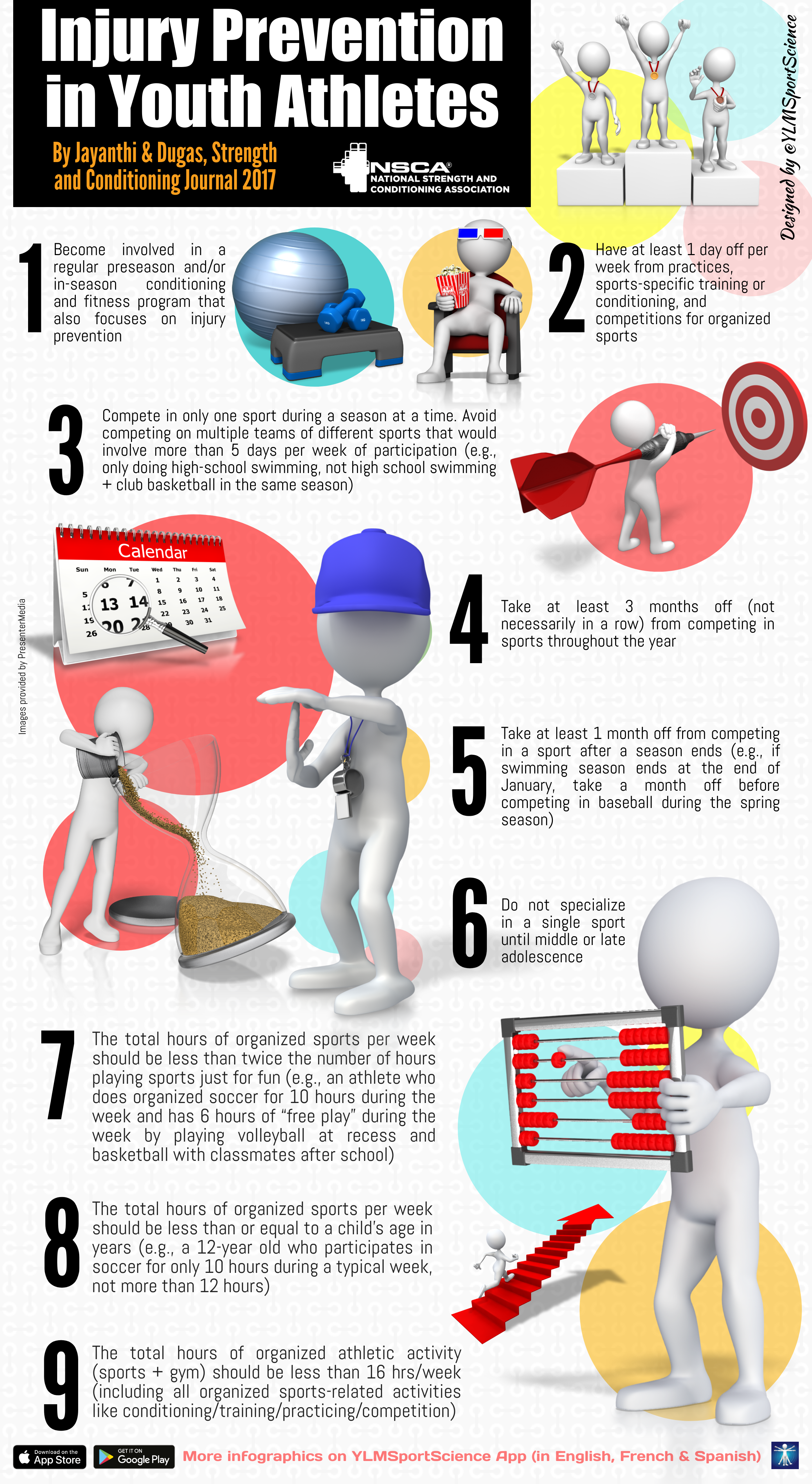
    https://www.nsca.com/contentassets/2dc52e2f41a0408d8fc626f492c39922/68.eng-nsca.png
    https://www.sportsmith.co/wp-content/uploads/sites/34/2023/07/Figure-1-1-1024x576.jpg.webp
    https://www.scienceforsport.com/wp-content/uploads/sites/34/2018/03/What-adaptations-occur-to-youth-athletes-using-injury-prevention-programs.jpg
    https://journal.aspetar.com/webcontent/croppedimages/201867185954.png

    Here’s a refined program description for Neftaly: Designing Training Programs for Injury Prevention, integrating Neftaly’s initiatives and supported by current best practices in youth sports injury prevention:


    Neftaly: Designing Training Programs for Injury Prevention

    Neftaly – Southern Africa Youth Project recognizes that injury prevention is a critical component of youth sports development. By implementing structured training programs focused on injury prevention, Neftaly aims to enhance athlete safety, promote long-term participation, and foster a culture of health and well-being among young athletes.


    ???? Program Vision

    To develop and implement evidence-based training programs that reduce the risk of injuries, enhance athletic performance, and promote sustainable participation in sports among youth athletes.


    ???? Core Program Components

    1. Needs Analysis and Risk Assessment

    • Sport-Specific Evaluation: Assess the specific demands and common injuries associated with each sport to tailor prevention strategies effectively.
    • Individual Screening: Conduct assessments to identify individual risk factors such as strength imbalances, flexibility deficits, and previous injury history.

    2. Warm-Up and Cool-Down Protocols

    • Dynamic Warm-Ups: Implement dynamic stretching and movement drills to prepare muscles and joints for activity, enhancing flexibility and coordination.
    • Cool-Down Routines: Incorporate static stretching and relaxation techniques post-activity to aid in recovery and reduce muscle stiffness.

    3. Neuromuscular Training Programs

    • Strength and Balance Exercises: Integrate exercises that improve strength, balance, and proprioception, addressing common injury mechanisms.
    • Plyometric Drills: Include controlled jumping and landing exercises to enhance neuromuscular control and reduce the risk of lower extremity injuries.

    4. Load Management and Recovery Strategies

    • Training Load Monitoring: Track and manage training intensity and volume to prevent overuse injuries.
    • Rest and Recovery: Educate athletes on the importance of adequate rest, sleep, and nutrition to support recovery and performance.

    5. Education and Awareness

    • Injury Prevention Workshops: Conduct sessions for athletes, coaches, and parents to raise awareness about injury risks and prevention strategies.
    • Resource Distribution: Provide materials such as brochures and videos demonstrating proper techniques and safety practices.

    ✅ Expected Outcomes

    ObjectiveExpected Outcome
    Reduced Injury RatesDecrease in the incidence of common sports-related injuries.
    Enhanced PerformanceImprovement in strength, agility, and overall athletic ability.
    Increased Athlete RetentionHigher rates of continued participation in sports activities.
    Promoted Health and Well-BeingImproved physical health and psychological well-being among athletes.

    ???? Alignment with Neftaly’s Mission

    This initiative aligns with Neftaly’s commitment to holistic youth development by ensuring that young athletes are equipped with the knowledge and skills to participate safely in sports. By prioritizing injury prevention, Neftaly fosters an environment where youth can thrive physically, emotionally, and socially.