The Role of Adaptive Sports in Empowering Disabled Athletes
Adaptive sports—also known as para sports or disability sports—play a crucial role in empowering individuals with disabilities by promoting physical health, self-confidence, and social inclusion. These sports redefine what is possible, celebrating ability, resilience, and determination.
1. Promoting Independence and Self-Belief
Through training and competition, adaptive sports help athletes develop autonomy and a strong sense of self-worth. By mastering physical challenges, they prove their capabilities to themselves and the world.
2. Fostering Physical and Mental Health
Like all athletes, disabled individuals benefit from improved cardiovascular fitness, strength, coordination, and mental well-being through regular participation in sports. Adaptive sports offer both rehabilitation and peak performance opportunities.
3. Creating Inclusive Communities
Adaptive sports bring together athletes, families, coaches, and fans from all backgrounds. They foster inclusive environments that break down stigma and encourage mutual respect and understanding.
4. Pathways to Elite Competition
Events like the Paralympic Games and Special Olympics highlight the excellence of disabled athletes on a global stage. These platforms inspire others and demonstrate that athletic achievement knows no physical limitation.
5. Driving Innovation and Accessibility
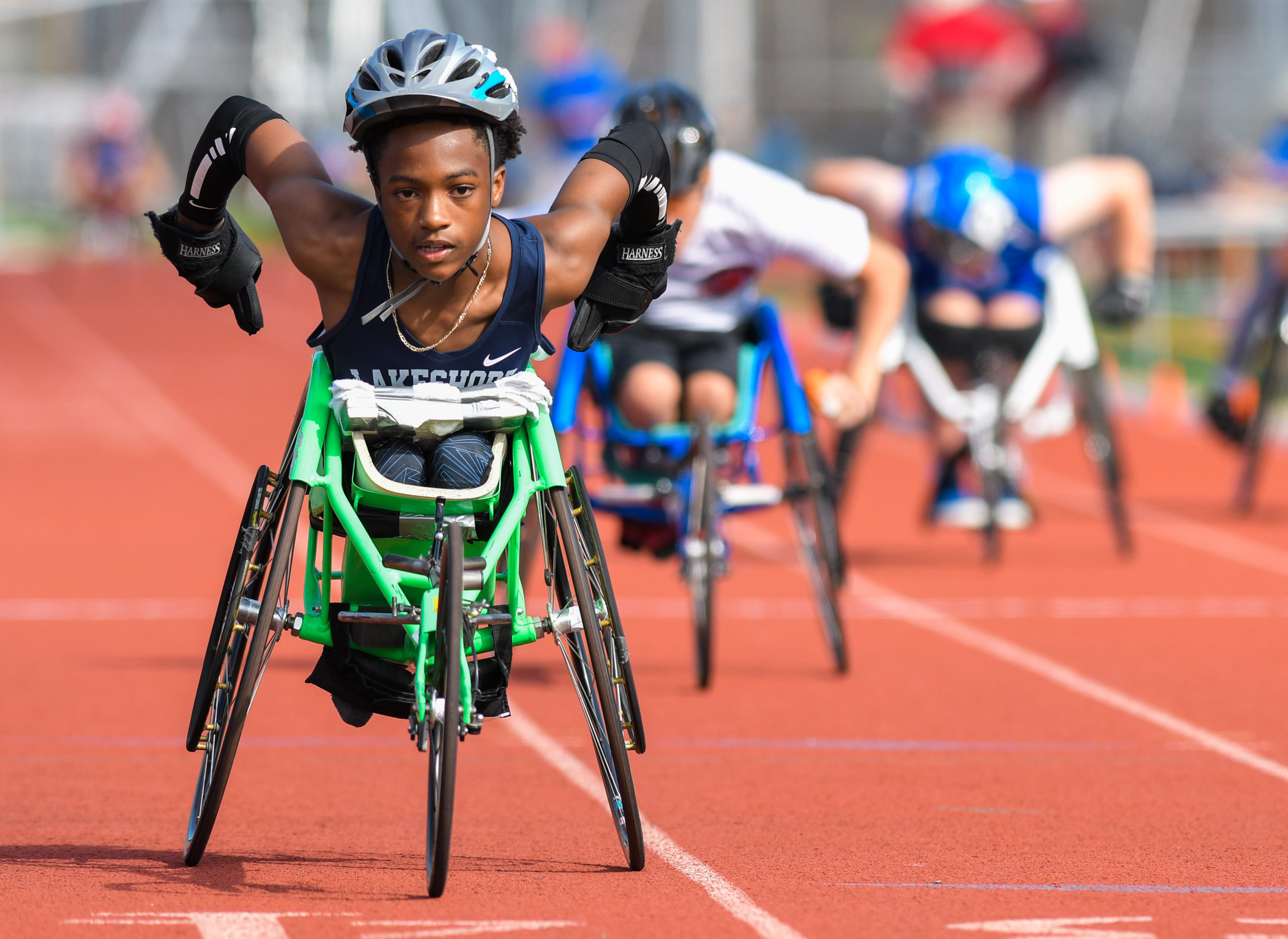
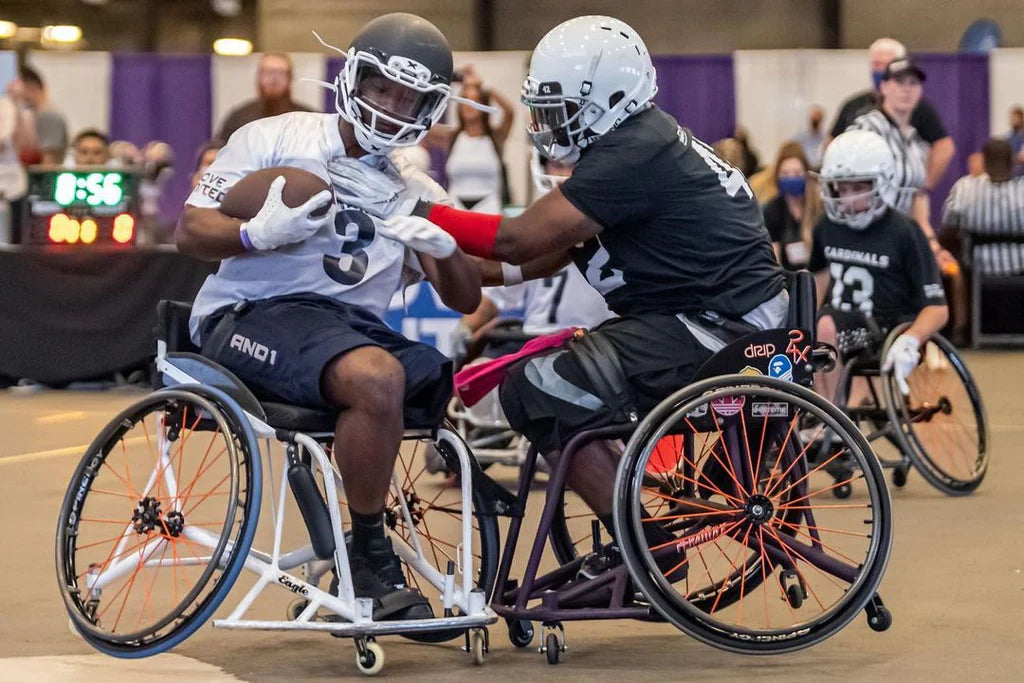
The rise of adaptive sports has led to technological innovations in equipment and facilities—from specialized wheelchairs to prosthetics—making sports more accessible for all and influencing mainstream sporting design.
At Neftaly, we believe that sport is a universal right. Adaptive sports not only empower disabled athletes—they inspire the world by showing that courage, skill, and determination are limitless.