Neftaly: Supporting Mental Health in Athletes During Retirement and Career Transitions
The transition from active sports to retirement or a career change is a significant life event for athletes, often accompanied by challenges to mental health and well-being. Recognizing and addressing these challenges is crucial for ensuring a healthy and fulfilling post-sport life.Wikipedia+5American Psychiatric Association+5Wikipedia+5
???? Understanding the Challenges
Athletes often define themselves through their sport, and retirement can lead to a loss of identity, purpose, and community. This transition may result in feelings of grief, anxiety, and depression. Research indicates that athletes are at a higher risk of experiencing mental health issues during this period, with some facing cognitive impairment and sleep disorders. For instance, studies have found that suicide rates are 2–4 times higher for former male athletes compared to the general male population .SELFFrontiers
????️ Strategies for Supporting Athletes
1. Early Preparation and Education
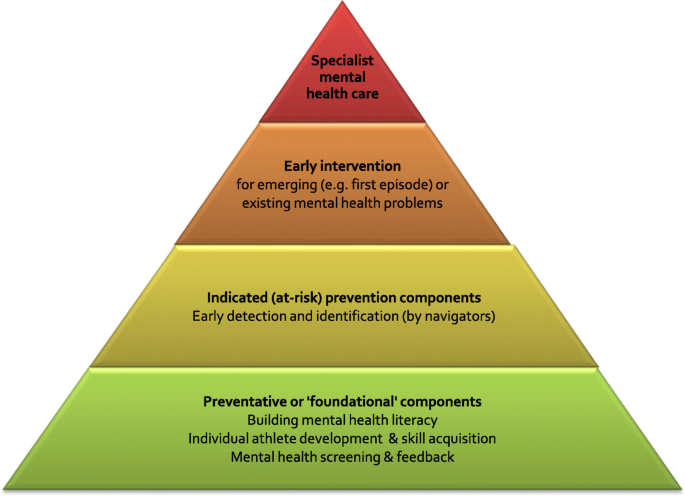
Implementing retirement planning programs that begin during an athlete’s career can ease the transition. These programs should include education on potential challenges and available support systems .PMCAmerican Psychiatric Association
2. Psychosocial Support
Access to mental health professionals, such as sports psychologists and counselors, is essential. Therapies like Interpersonal Psychotherapy (IPT) have shown promise in helping athletes navigate identity loss and role transitions .Wikipedia
3. Community and Peer Support
Engaging with peer support groups and communities can provide a sense of belonging and understanding. Organizations like the Professional Footballers’ Association offer tailored support and workshops to assist athletes during their transition .Wikipedia+1
4. Career Transition Programs
Programs that offer career coaching, vocational training, and educational opportunities can help athletes find new purposes and directions post-retirement. The U.S. Olympic and Paralympic Committee’s Pivot Program is an example of such an initiative .USOPC
???? Global Initiatives
- Sporting Chance Clinic (UK): Founded by former footballer Tony Adams, this clinic provides mental health support, including counseling and residential treatment, specifically for athletes .Wikipedia
- Athletes for Hope: This organization connects athletes with philanthropic causes and offers programs focused on mental health education and advocacy .Wikipedia
???? Local Considerations for South Africa
In South Africa, where access to specialized mental health services may be limited, it’s crucial to develop community-based support systems. Collaborations between sports organizations, mental health professionals, and community leaders can create a network of support for athletes transitioning out of their careers.
???? Getting Help
Athletes experiencing difficulties during their transition can seek support through various channels:
- Sports Organizations: Many sports federations offer resources and guidance for retired athletes.
- Mental Health Helplines: National helplines can provide immediate support and referrals.
- Online Communities: Forums and social media groups can connect athletes with peers who understand their experiences.