Neftaly Email: sayprobiz@gmail.com Call/WhatsApp: + 27 84 313 7407

Tag: during

Neftaly is a Global Solutions Provider working with Individuals, Governments, Corporate Businesses, Municipalities, International Institutions. Neftaly works across various Industries, Sectors providing wide range of solutions.

Neftaly Email: sayprobiz@gmail.com Call/WhatsApp: + 27 84 313 7407

  • Neftaly Smart sensors measuring athlete fatigue during competition

    Neftaly Smart sensors measuring athlete fatigue during competition

    https://media.springernature.com/lw685/springer-static/image/art%3A10.1007%2Fs40820-025-01778-1/MediaObjects/40820_2025_1778_Fig7_HTML.png
    https://pub.mdpi-res.com/bioengineering/bioengineering-10-01085/article_deploy/html/images/bioengineering-10-01085-g001-550.jpg?1694666165=
    https://www.gssiweb.org/images/default-source/article-images/sse-251-figure-1.png?sfvrsn=2
    https://www.quytech.com/blog/wp-content/uploads/sites/34/2024/07/role-of-wearable-technology-in-athlete-performance-monitoring-and-injury-prevention.png

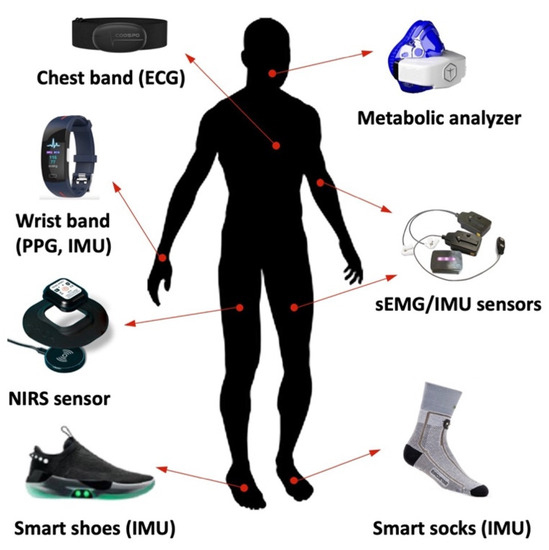
    Smart sensors are revolutionizing the way athlete fatigue is monitored during competition, providing real-time insights that enable coaches and sports scientists to make data-driven decisions. These technologies offer a non-invasive means to assess fatigue, allowing for timely interventions to optimize performance and prevent injuries.


    ???? Key Smart Sensor Technologies for Monitoring Athlete Fatigue

    1. Electromyography (EMG) Sensors
      • Function: Measure electrical activity in muscles to assess fatigue levels.
      • Application: Integrated into smart clothing or wearable devices, EMG sensors help identify muscle fatigue and imbalances, enabling athletes to adjust their training and recovery strategies accordingly. CAS
    2. Heart Rate Variability (HRV) Monitors
      • Function: Assess autonomic nervous system activity by measuring the variation in time between heartbeats.
      • Application: HRV data provides insights into recovery status and overall fatigue, assisting in determining optimal training loads and recovery periods. Gatorade Sports Science Institute
    3. Inertial Measurement Units (IMUs)
      • Function: Utilize accelerometers and gyroscopes to track movement patterns and detect changes in performance.
      • Application: IMUs can identify deviations in movement that may indicate fatigue, allowing for real-time adjustments during competition.
    4. Sweat Sensors
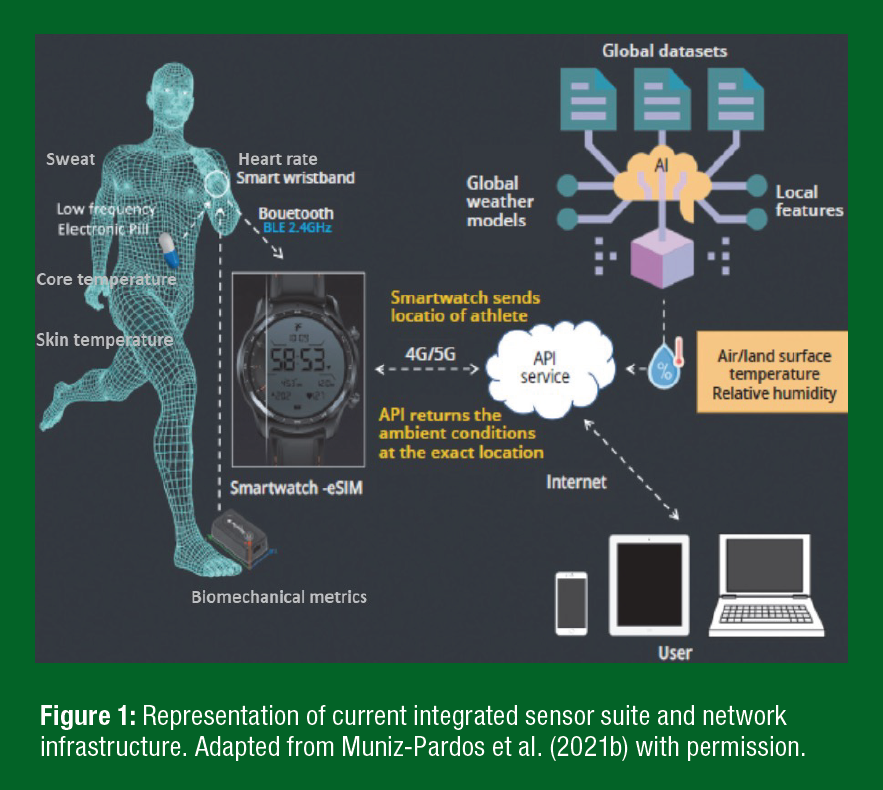
      • Function: Analyze biomarkers in sweat, such as lactate, glucose, sodium, and potassium levels.
      • Application: Changes in these biomarkers can signal dehydration or metabolic fatigue, prompting timely hydration or nutritional interventions. Glamour+1Nature+1
    5. Electrocardiography (ECG) and Actigraphy Sensors
      • Function: Monitor heart rate and movement to assess overall fatigue levels.
      • Application: Combined ECG and actigraphy data provide a comprehensive view of an athlete’s fatigue state, facilitating personalized training adjustments. Gatorade Sports Science InstitutearXiv

    ???? Applications in Real-Time Monitoring

    • Immediate Feedback: Sensors provide continuous data during competition, enabling coaches to make instant decisions regarding player performance and fatigue levels.
    • Tactical Adjustments: Real-time fatigue data allows for strategic substitutions and modifications in game plans to maintain optimal team performance.
    • Injury Prevention: By identifying early signs of fatigue, interventions can be implemented to prevent overuse injuries and ensure athlete safety.Catapult+1CAS+1

    ???? Leading Wearable Devices for Fatigue Monitoring

    • Whoop Strap: A wrist-worn device that continuously monitors strain, recovery, and sleep, providing insights into an athlete’s readiness and fatigue levels. TIME
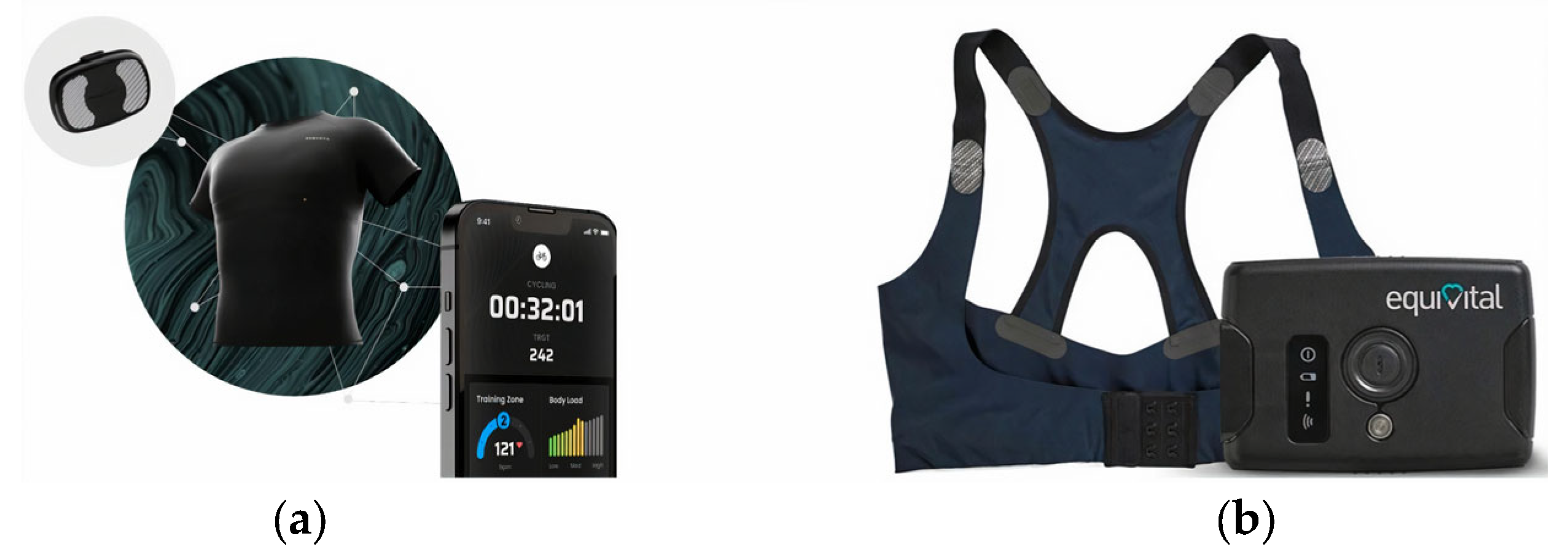
    • Hexoskin Smart Shirt: An apparel-based sensor system that tracks heart rate, breathing rate, and activity levels, offering detailed physiological data for fatigue assessment. Wikipedia
    • Catapult Sports Wearables: Utilize GPS and accelerometer data to monitor movement patterns and workload, aiding in the detection of fatigue during training and competition.
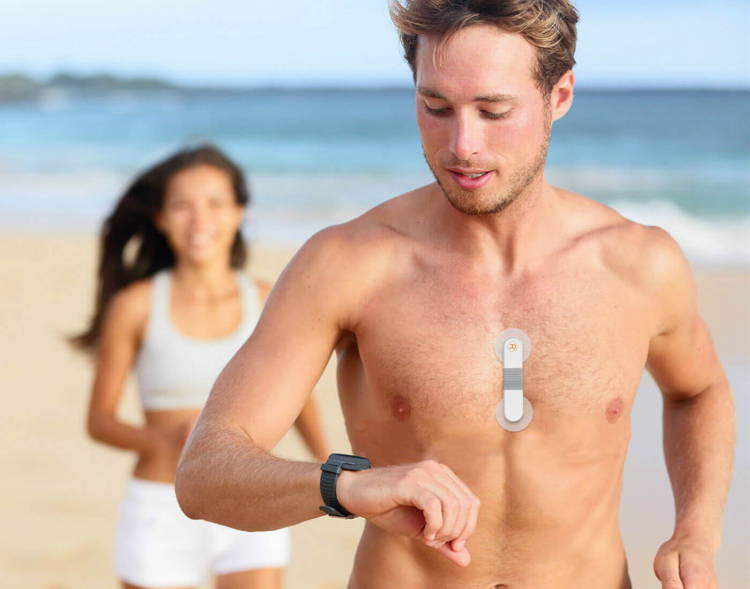
  • Neftaly Wearable tech monitoring cardiovascular health during competition

    Neftaly Wearable tech monitoring cardiovascular health during competition

    https://media.post.rvohealth.io/wp-content/uploads/sites/34/2024/02/image-10.jpeg
    https://ucarecdn.com/8cc6fb96-deda-4643-ba7a-85fba73f6d6a/-/format/auto/-/preview/750x750/-/quality/lighter/Strap-Free%20Heart%20Rate%20Monitor-for%20mobile.jpg
    https://fourthfrontier.com/cdn/shop/files/Website_PDP_16.jpg?v=1752148583&width=1080
    https://www.catapult.com/wp-content/uploads/sites/34/2023/11/ELITE-VEST-2.3-KEY-VISUAL-PR-Thumbnail-1024x576.jpg

    Neftaly could integrate advanced wearable technology to monitor athletes’ cardiovascular health during competition, enhancing real-time performance insights and safety. Here’s how this could unfold:


    ????‍♂️ Real-Time Cardiovascular Monitoring in Competition

    1. Advanced Heart Rate Monitoring

    Devices like the Polar H10 chest strap offer EKG-level accuracy, making them ideal for high-intensity sports. They provide continuous heart rate data, which is crucial for assessing an athlete’s cardiovascular performance during competition. WIRED+1Healthline+1

    2. Wearable Smart Shirts

    Products such as the Hexoskin Smart Shirt integrate sensors to monitor heart rate, heart rate variability, breathing rate, and other metrics. These garments allow for comprehensive cardiovascular monitoring without the need for additional devices. Wikipedia

    3. Armband Heart Rate Monitors

    The Coros Heart Rate Monitor is an armband-style device that uses LED optical sensors on the upper arm for accurate heart rate tracking. It’s lightweight, sweat-resistant, and compatible with various devices, making it suitable for athletes seeking comfort and reliability. Amazon+2TechRadar+2Coros+2


    ???? How Neftaly Could Utilize This Data

    • Real-Time Health Dashboards: Display live heart rate data, recovery metrics, and stress levels to coaching staff, enabling immediate tactical adjustments.
    • Performance Optimization: Analyze cardiovascular data to tailor training loads, ensuring athletes are operating within optimal heart rate zones.
    • Safety Monitoring: Detect abnormal heart rate patterns that may indicate potential health issues, allowing for prompt medical intervention.

    ✅ Benefits of Cardiovascular Monitoring

    • Enhanced Performance Insights: Gain a deeper understanding of an athlete’s cardiovascular fitness and endurance.Catapult
    • Injury Prevention: Identify signs of overexertion or fatigue, reducing the risk of cardiovascular-related injuries.
    • Personalized Training: Customize training programs based on individual cardiovascular responses, optimizing performance gains.
    • Improved Recovery: Monitor recovery metrics to ensure athletes are recuperating effectively between sessions.
  • Neftaly Machine learning analyzing biomechanical efficiency during performance

    Neftaly Machine learning analyzing biomechanical efficiency during performance

    https://www.folio3.ai/blog/wp-content/uploads/sites/34/2024/05/AI-For-Sports.png
    https://www.folio3.ai/blog/wp-content/uploads/sites/34/2024/03/AI-Algorithms-for-Biomechanical-Data-Analysis.jpg
    https://www.frontiersin.org/files/Articles/962941/fspor-04-962941-HTML-r1/image_m/fspor-04-962941-g001.jpg
    https://www.astn.com.au/images/case-studies/VueMotion-AI-driven-movement-analysis-02.jpg

    Neftaly can leverage machine learning (ML) to analyze biomechanical efficiency during athletic performance, providing real-time insights into movement patterns, identifying inefficiencies, and optimizing technique. Here’s how this can be implemented:


    ???? Machine Learning in Biomechanical Analysis

    1. Pose Estimation and Movement Tracking

    ML algorithms can process data from wearable sensors or video feeds to estimate joint angles, body posture, and movement trajectories. This allows for detailed analysis of an athlete’s technique, identifying areas where efficiency can be improved.

    2. Feature Estimation and Event Detection

    By analyzing movement data, ML models can extract features such as stride length, cadence, and force application. These features help in detecting key events in performance, like foot strike or peak acceleration, which are crucial for assessing biomechanical efficiency.

    3. Data Clustering and Pattern Recognition

    ML algorithms can cluster movement patterns to identify commonalities and anomalies. This aids in recognizing efficient movement strategies and pinpointing deviations that may lead to inefficiencies or increased injury risk. MDPI+1Number Analytics+1


    ???? Real-World Applications

    • Real-Time Feedback: Wearable sensors integrated with ML models can provide athletes with immediate feedback on their movement efficiency, allowing for on-the-spot adjustments during training sessions.
    • Personalized Training Plans: By analyzing individual movement data, ML can help in designing customized training programs that target specific areas for improvement, enhancing overall performance. Catapult
    • Injury Prevention: Identifying inefficient movement patterns early can help in modifying techniques to reduce the risk of injuries, ensuring long-term athlete health.

    ✅ Benefits of ML-Driven Biomechanical Analysis

    FeatureBenefit
    Real-Time MonitoringEnables immediate adjustments to technique during performance.
    Personalized InsightsProvides tailored recommendations based on individual movement data.
    Injury Risk ReductionIdentifies and addresses inefficient movements that could lead to injuries.
    Performance OptimizationEnhances technique to improve overall athletic performance.
  • Neftaly AI in tactical decision-making during live sports events

    Neftaly AI in tactical decision-making during live sports events

    Neftaly can leverage AI to enhance tactical decision-making during live sports events, providing real-time insights and recommendations to coaches and players. Here’s how this can be implemented:


    ???? AI-Driven Tactical Decision-Making

    1. Real-Time Game Analysis

    AI systems can process live game data, including player movements, ball trajectories, and game statistics, to identify patterns and trends. This analysis allows for immediate tactical adjustments, such as changing formations or strategies, based on the evolving dynamics of the game. datacamp.com

    2. Predictive Modeling

    By utilizing historical data and machine learning algorithms, AI can predict potential outcomes of various tactical decisions. This predictive capability helps coaches make informed choices about substitutions, play calls, and other in-game strategies. datacamp.com

    3. Integration with Wearable Technology

    AI can integrate data from wearable devices, such as heart rate monitors and GPS trackers, to assess player fatigue and performance levels. This information aids in making timely substitutions and adjustments to maintain optimal team performance.


    ????️ Practical Applications for Neftaly

    • AI-Powered Coaching Tools: Develop applications that provide real-time tactical recommendations during live events, assisting coaches in making data-driven decisions.
    • Fan Engagement Platforms: Create interactive experiences for fans, offering insights into team strategies and player performance through AI-generated content.Financial Times+1PYMNTS.com+1
    • Performance Optimization: Utilize AI to analyze player data and suggest personalized training programs to enhance individual and team performance.
  • Neftaly Smart apparel regulating body temperature during training

    Neftaly Smart apparel regulating body temperature during training

    https://www.lefashionpost.com/wp-content/uploads/sites/34/2025/03/compression-temperature-regulation.jpg
    https://www.researchgate.net/publication/353021767/figure/fig1/AS%3A1066052884627456%401631178222051/Schematic-of-a-thermoregulating-garment-a-In-hot-weather-solar-radiation-is-reflected.png
    https://www.digitaltrends.com/wp-content/uploads/sites/34/2019/05/32926240017_b07805cb53_k.jpg?p=1
    https://www.science.org/cms/10.1126/science.adj3654/asset/46f0dcf8-8162-440c-88aa-dfa99936fbc1/assets/images/large/science.adj3654-f1.jpg

    Integrating smart apparel that actively regulates body temperature during training can significantly enhance athletic performance and recovery. Here’s how Neftaly can leverage this technology:Fashion Post Magazine+1Vogue Business+1


    ???? Smart Apparel for Thermal Regulation

    Advanced smart clothing utilizes embedded sensors and materials to monitor and adjust body temperature in real-time. These garments can cool the body during intense activity and retain heat during rest or cold conditions, optimizing thermal comfort and performance.


    ????‍♂️ Applications in Training

    • Adaptive Cooling and Heating: Garments like the CORE sensor measure core and skin temperatures, providing real-time data to adjust thermal properties accordingly. Burnaby Velodrome Club+1CORE+1
    • Integrated Cooling Systems: Innovations such as thermoelectric active cooling garments use flexible materials to combat extreme heat, maintaining skin temperature within a comfortable range. arXiv
    • Sweat Management: Smart textiles with integrated cooling and sweat transportation systems enhance perspiration evaporation, reducing dehydration and improving comfort during exercise. PMC+2arXiv+2ResearchGate+2

    ???? Enhancing Performance and Recovery

    • Optimized Thermal Comfort: Maintaining an ideal body temperature can prevent overheating and fatigue, leading to improved endurance and performance.
    • Accelerated Recovery: Post-training garments that regulate temperature can aid in muscle recovery by reducing inflammation and promoting circulation.
    • Data-Driven Insights: Integration with platforms like Neftaly allows for the collection and analysis of thermal data, informing personalized training and recovery plans.

    ???? Integration with Neftaly

    By incorporating smart apparel technology, Neftaly can offer:

    • Real-Time Thermal Monitoring: Continuous tracking of body temperature during training sessions.
    • Personalized Thermal Regulation: Adjustments to clothing properties based on individual needs and environmental conditions.HYPER TECHNOLOGY(HONG KONG) COMPANY
    • Comprehensive Performance Metrics: Combining thermal data with other physiological metrics for a holistic view of athlete performance.
  • Neftaly Smart fabrics measuring muscle fatigue during competition

    Neftaly Smart fabrics measuring muscle fatigue during competition

    https://media.springernature.com/full/springer-static/image/art%3A10.1038%2Fs41598-022-13701-4/MediaObjects/41598_2022_13701_Fig1_HTML.png
    https://media.springernature.com/lw685/springer-static/image/art%3A10.1007%2Fs40820-025-01749-6/MediaObjects/40820_2025_1749_Fig10_HTML.png
    https://www.mdpi.com/sensors/sensors-24-01058/article_deploy/html/images/sensors-24-01058-g004-550.jpg
    https://pub.mdpi-res.com/sensors/sensors-24-01058/article_deploy/html/images/sensors-24-01058-g001.png?1707223441=

    Smart Fabrics Measuring Muscle Fatigue During Competition

    Smart fabrics equipped with embedded sensors are revolutionizing the way athletes monitor and manage muscle fatigue during competition. These advanced textiles offer real-time, non-invasive insights into muscle performance, enabling athletes and coaches to make informed decisions that enhance performance and reduce the risk of injury.


    ???? Understanding Muscle Fatigue

    Muscle fatigue occurs when muscles are unable to generate the required force, leading to a decline in performance. It can result from prolonged exertion, inadequate recovery, or underlying health issues. Monitoring muscle fatigue is crucial for optimizing training regimens and preventing overtraining.


    ???? Smart Fabric Technologies for Fatigue Monitoring

    Recent advancements in smart textiles have led to the development of garments that can monitor muscle fatigue through various mechanisms:

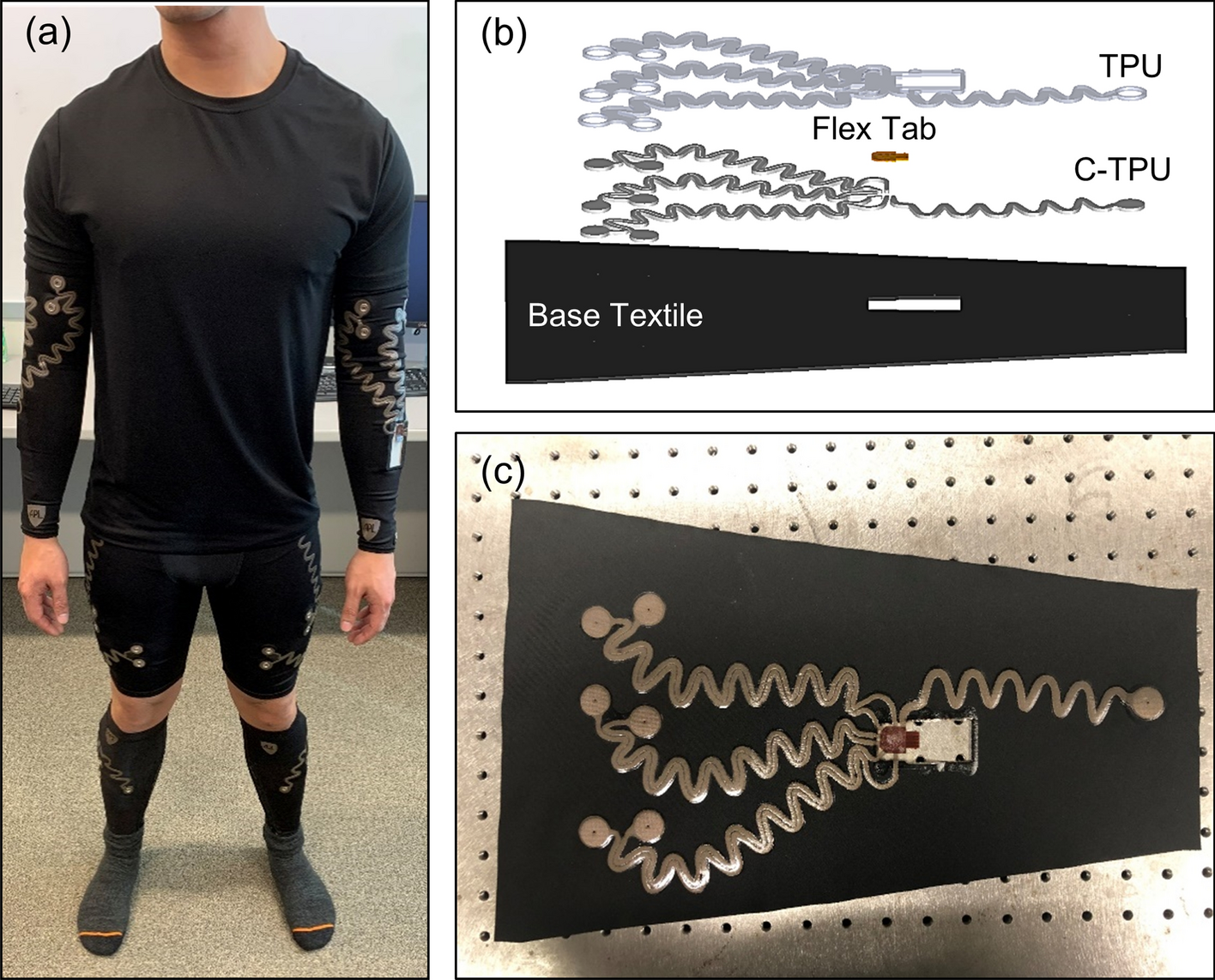
    • Surface Electromyography (sEMG): Textile-based sEMG electrodes, integrated into garments like arm sleeves, shorts, and calf sleeves, detect electrical signals generated by muscle contractions. These sensors provide data on muscle activation patterns and fatigue levels. arXiv+2Nature+2PubMed+2
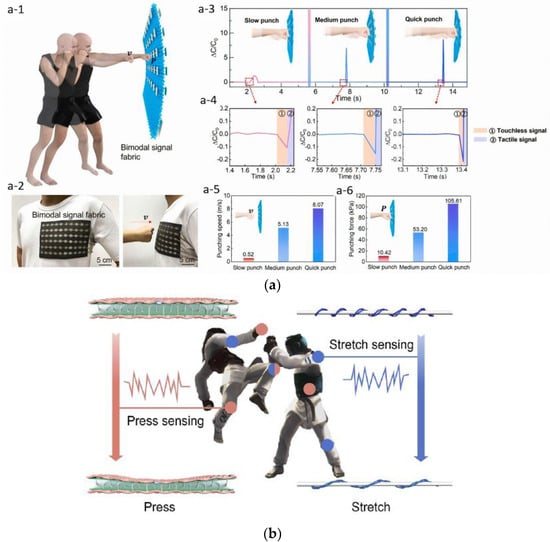
    • Flexible Textile Strain Sensors: Garments embedded with strain sensors made from materials like spandex-coated carbon black thermoplastic elastomers measure deformations in the fabric as muscles contract and relax. This data helps in assessing muscle fatigue levels during activities such as running. MDPI
    • Graphene-Based Strain Sensors: Innovative sportswear integrates screen-printed graphene-based strain sensors with wireless deep learning frameworks. These systems classify exercise execution quality by analyzing muscle activation symmetry and breathing patterns, providing insights into muscle fatigue. arXiv

    ⚙️ Applications in Competitive Sports

    Smart fabrics are being utilized in various sports to monitor and manage muscle fatigue:

    • Running: Flexible textile strain sensors in running apparel continuously monitor lower extremity kinematics, enabling real-time assessment of fatigue levels and reducing the risk of overuse injuries. MDPI+1arXiv+1
    • Cycling: Wearable electromyography (EMG) devices embedded in cycling apparel monitor muscle fatigue, providing data to optimize performance and recovery strategies. MDPI
    • Strength Training: AI-driven smart sportswear systems analyze muscle activation and breathing patterns during strength training exercises, offering feedback to improve technique and prevent fatigue-related injuries. arXiv

    ✅ Benefits for Athletes and Coaches

    • Real-Time Feedback: Instantaneous data on muscle fatigue allows for timely interventions during training and competition.
    • Personalized Training: Data-driven insights enable the customization of training programs to individual needs and fatigue thresholds.
    • Injury Prevention: Early detection of fatigue-related patterns helps in adjusting activities to prevent overtraining and injuries.LOOMIA Soft Electronics | E-textiles
    • Enhanced Performance: Optimized training and recovery strategies lead to improved athletic performance over time.

    ???? Future Directions

    The integration of smart fabrics with advanced data analytics and artificial intelligence holds promise for the future of sports performance monitoring. Continued research and development will likely lead to more sophisticated systems that provide deeper insights into muscle fatigue and recovery processes.

  • Neftaly Wearable sensors tracking blood oxygen levels during high-altitude training

    Neftaly Wearable sensors tracking blood oxygen levels during high-altitude training

    https://s3.amazonaws.com/www.explorersweb.com/wp-content/uploads/sites/34/2019/05/24004157/unnamed.jpg
    https://www.mdpi.com/sensors/sensors-21-01263/article_deploy/html/images/sensors-21-01263-g003.png
    https://trainright.com/wp-content/uploads/sites/34/2023/12/O2saturationcurve.jpg
    https://wpassets.trainingpeaks.com/wp-content/uploads/sites/34/2018/07/31144523/image3.jpg

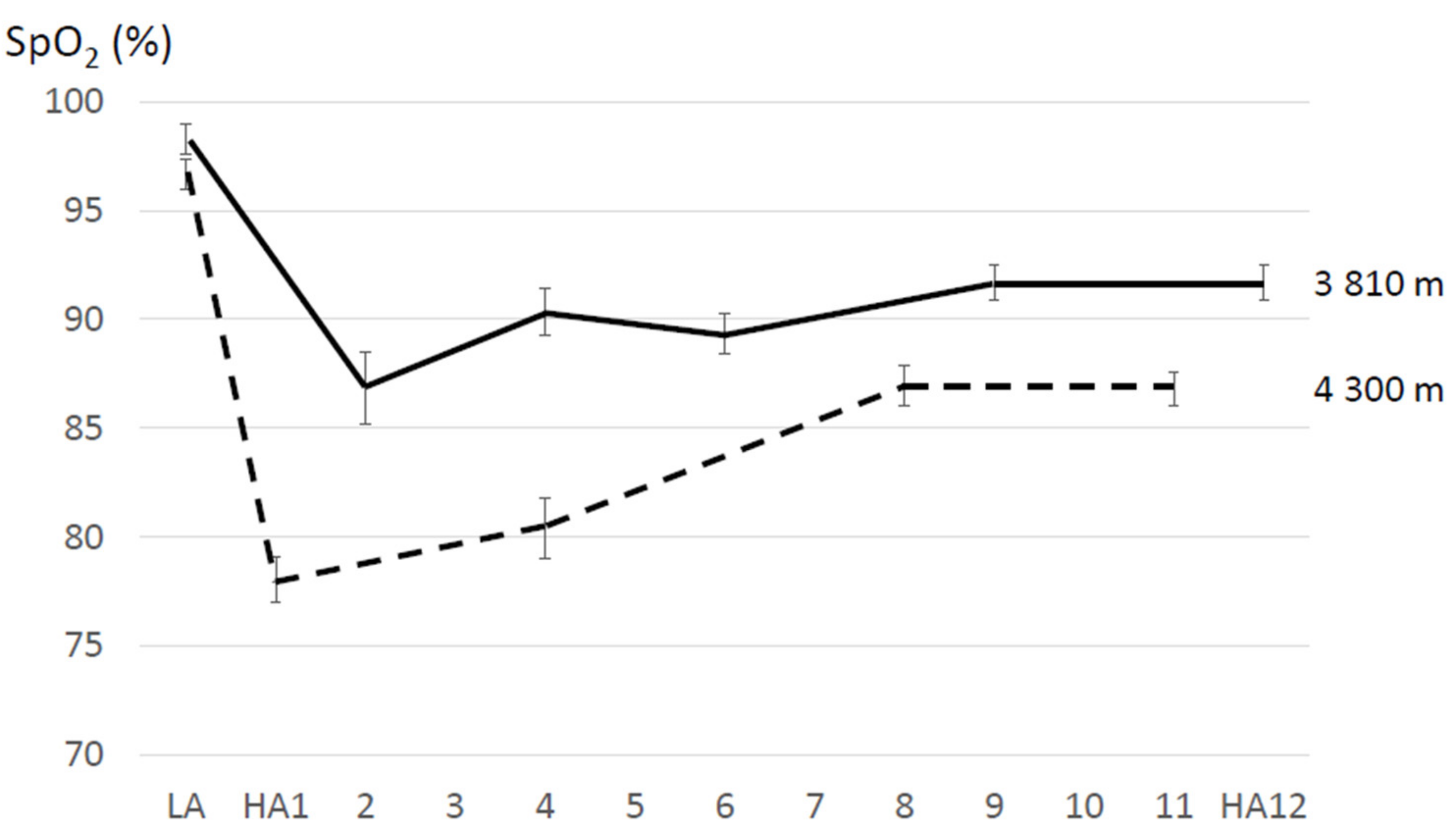
    Neftaly can enhance high-altitude training by integrating wearable sensors that monitor blood oxygen levels (SpO₂), providing real-time insights into an athlete’s acclimatization and performance.


    ???? Importance of Monitoring SpO₂ at High Altitudes

    At elevations above 2,500 meters, oxygen levels decrease, leading to potential hypoxemia (low blood oxygen). Monitoring SpO₂ helps athletes assess their acclimatization, adjust training intensity, and prevent overexertion. Studies indicate that SpO₂ levels can drop significantly during high-altitude exposure, and tracking these changes aids in evaluating the progression of acclimatization and the risk of altitude-related illnesses .Verywell HealthMDPI


    ⌚ Wearable Devices for SpO₂ Monitoring

    1. Smartwatches and Fitness Trackers

    Devices like the Garmin Fenix series, Apple Watch, and Fitbit Charge 5 offer wrist-based SpO₂ monitoring. While convenient, their accuracy can be influenced by factors such as skin tone, movement, and sensor placement .WIRED+1WIRED+1WIRED+1WIRED+1

    2. Finger Pulse Oximeters

    Traditional finger pulse oximeters provide more accurate SpO₂ readings and are commonly used in medical settings. They can be beneficial for athletes seeking precise measurements during training sessions .MDPI+1Verywell Health+1

    3. Muscle Oxygen Monitors

    Devices like the Moxy Monitor measure muscle oxygen saturation (SmO₂), offering insights into muscle oxygen utilization during exercise. This data helps athletes optimize training intensity and recovery .Moxy Monitor


    ???? Utilizing SpO₂ Data in Training

    • Acclimatization Assessment: Track SpO₂ trends over time to evaluate how well the body is adapting to high-altitude conditions.
    • Training Intensity Adjustment: Use SpO₂ data to adjust training loads, ensuring they are within safe and effective ranges.
    • Recovery Monitoring: Monitor SpO₂ levels during rest periods to assess recovery status and prevent overtraining .Triathlete+2TrainingPeaks+2trainwithdave+2

    ⚠️ Considerations and Limitations

    • Accuracy Variability: Wrist-based sensors may have lower accuracy compared to finger-based oximeters, especially during movement .WIRED
    • Environmental Factors: Cold temperatures and low perfusion can affect sensor readings.
    • Device Calibration: Ensure devices are properly calibrated and validated for high-altitude conditions.

    ✅ Recommendations for Neftaly Integration

    • Device Selection: Integrate high-accuracy SpO₂ sensors, such as finger pulse oximeters or muscle oxygen monitors, into wearable devices.
    • Data Analytics: Develop algorithms to analyze SpO₂ trends and provide actionable insights for athletes.trainwithdave+1Verywell Health+1
    • User Interface: Create intuitive dashboards that display real-time SpO₂ data and historical trends.
    • Training Guidance: Offer personalized training recommendations based on SpO₂ data to optimize performance and safety.

    By incorporating advanced SpO₂ monitoring into wearable devices, Neftaly can provide athletes with valuable tools to enhance their high-altitude training, ensuring safety and maximizing performance gains.


  • Neftaly Promoting psychological safety during team conflicts and resolutions

    Neftaly Promoting psychological safety during team conflicts and resolutions

    https://vanjaradic.fi/wp-content/uploads/sites/34/2025/04/Psychological-Safety-in-Sports-Vanja-Radic-Coaching.webp
    https://static.wixstatic.com/media/cc54df_b2a69d956681471d9fca7c42bc2b1ac7~mv2.png/v1/fill/w_568%2Ch_568%2Cal_c%2Cq_85%2Cusm_0.66_1.00_0.01%2Cenc_avif%2Cquality_auto/cc54df_b2a69d956681471d9fca7c42bc2b1ac7~mv2.png
    https://miro.medium.com/v2/1%2AOrZVloyjaP3mirwhKQk42Q.png
    https://cdn.prod.website-files.com/5e6fda408b05912878a8bdc6/664e3684e2984ef2c14ad367_Psychological%20Safety%20vs.%20Psychological%20Danger.png

    Neftaly: Promoting Psychological Safety During Team Conflicts and Resolutions

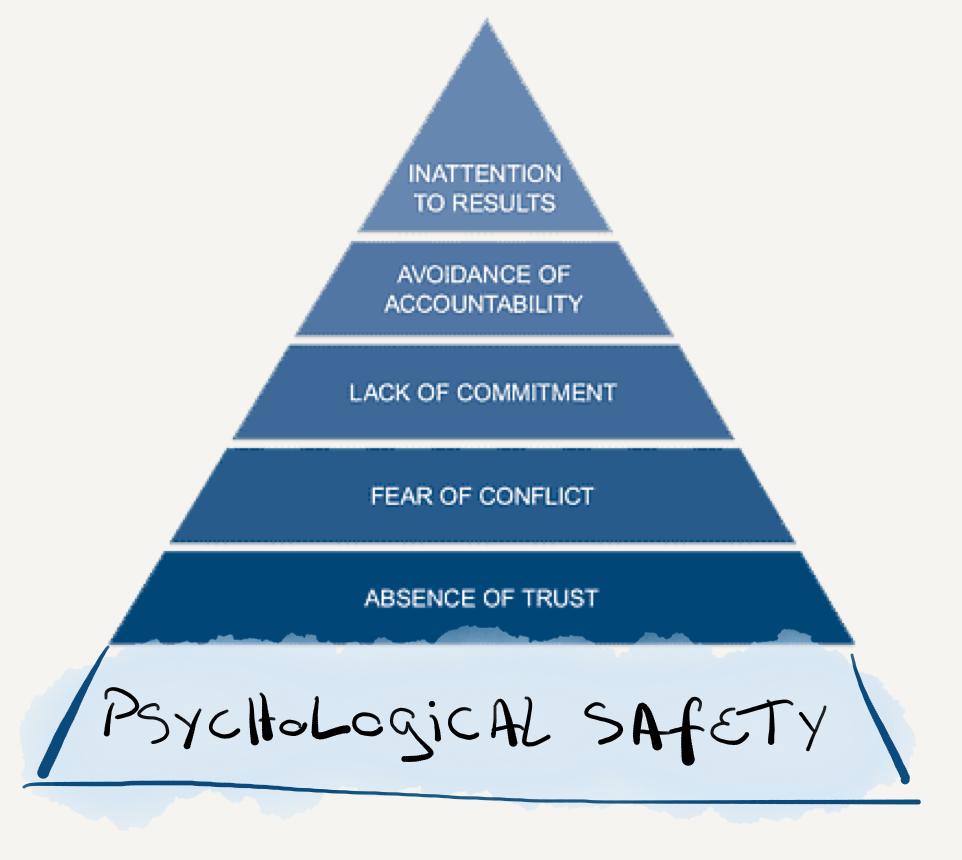
    In sports, particularly within team environments, conflicts are inevitable. However, how these conflicts are managed can significantly impact team cohesion, performance, and individual well-being. Promoting psychological safety during conflicts ensures that athletes feel supported, valued, and heard, leading to constructive resolutions and a healthier team dynamic.


    ???? Understanding Psychological Safety in Sports

    Psychological safety refers to the belief that one will not be humiliated or penalized for speaking up with ideas, questions, concerns, or mistakes. In sports teams, it means creating an environment where athletes feel safe to express themselves without fear of negative consequences. This safety fosters open communication, trust, and mutual respect, which are crucial during conflicts.Wikipedia


    ???? Strategies for Promoting Psychological Safety During Conflicts

    1. Encourage Open Communication

    Create an environment where athletes feel comfortable expressing their thoughts and feelings. Encourage active listening and validate each person’s perspective to ensure everyone feels heard and understood.

    2. Establish Clear Conflict Resolution Protocols

    Implement structured processes for addressing conflicts, ensuring that all parties understand the steps and feel confident in the fairness of the procedure.

    3. Lead by Example

    Coaches and team leaders should model respectful behavior, demonstrating how to handle disagreements constructively. Their actions set the tone for the rest of the team.

    4. Foster a Culture of Respect

    Promote values such as empathy, understanding, and mutual respect. Encourage team-building activities that strengthen relationships and build trust among team members.

    5. Provide Support Resources

    Offer access to mental health professionals or counselors who can assist athletes in managing stress and emotions related to conflicts.


    ???? Global Examples of Effective Practices

    Organizations worldwide have recognized the importance of psychological safety in sports:

    • Rugby Canada: Implemented initiatives to assess and improve psychological safety within its high-performance programs by gathering insights from athletes about their experiences and the factors affecting their sense of safety. VANJA RADIC COACHING
    • England Rugby: After revelations about a toxic environment under previous leadership, efforts were made to instill values-driven leadership, emphasizing respect and well-being alongside performance.
  • Neftaly Supporting mental health during transitions between competitive levels

    Neftaly Supporting mental health during transitions between competitive levels

    Neftaly: Supporting Mental Health During Transitions Between Competitive Levels

    Neftaly (Southern Africa Youth Project) is a nonprofit organization dedicated to empowering youth across Southern Africa. Established in 2005 by Neftaly Malatjie, Neftaly focuses on reducing youth unemployment and poverty through skills development, education, and economic opportunities. With a strong presence in South Africa, including regional offices in Johannesburg, Cape Town, Pietermaritzburg, and Diepsloot, Neftaly has impacted thousands of youth by equipping them with skills, providing employment opportunities, and supporting them in becoming agents of change in their communities. ()


    The Importance of Supporting Mental Health During Transitions

    Athletes transitioning between competitive levels—such as moving from youth leagues to professional tiers or from university sports to elite competitions—often face significant mental health challenges. These transitions can lead to increased stress, identity confusion, and performance anxiety. Research indicates that such periods are critical for implementing support systems to mitigate mental health risks and promote well-being.


    Neftaly’s Initiatives to Support Athletes

    Neftaly is committed to assisting athletes during these pivotal transitions by implementing the following strategies:

    • Personalized Mental Health Support: Providing access to counseling and psychological services tailored to the unique challenges faced during transitions.
    • Peer Mentorship Programs: Establishing mentorship networks where experienced athletes guide newcomers, sharing insights and coping strategies.
    • Educational Workshops: Conducting sessions on stress management, resilience building, and identity development to equip athletes with necessary life skills.
    • Collaborations with Sports Organizations: Partnering with local and international sports bodies to ensure a holistic approach to athlete support during transitions.

    Collaborations and Best Practices

    Neftaly draws inspiration from established best practices in the field of sports psychology and mental health:

    • NCAA Mental Health Best Practices: The NCAA has developed guidelines emphasizing the importance of mental health support during transitions, including creating healthy environments and identifying mental health symptoms.
    • IOC Mental Health Toolkit: The International Olympic Committee provides resources focusing on athlete well-being, offering strategies for mental health support during transitions.
  • Neftaly Encouraging positive coping strategies during injury recovery

    Neftaly Encouraging positive coping strategies during injury recovery

    Neftaly: Encouraging Positive Coping Strategies During Injury Recovery

    Neftaly (Southern Africa Youth Project) is a nonprofit organization dedicated to empowering youth across Southern Africa. Established in 2005 by Neftaly Malatjie, Neftaly focuses on reducing youth unemployment and poverty through skills development, education, and economic opportunities. With a strong presence in South Africa, including regional offices in Johannesburg, Cape Town, Pietermaritzburg, and Diepsloot, Neftaly has impacted thousands of youth by equipping them with skills, providing employment opportunities, and supporting them in becoming agents of change in their communities. ()


    The Importance of Positive Coping Strategies in Injury Recovery

    Injury recovery is not solely a physical process; it encompasses emotional and psychological dimensions that significantly influence the healing journey. Adopting positive coping strategies can enhance resilience, reduce stress, and promote a faster and more effective recovery. Research indicates that athletes who engage in mental skills such as goal setting, positive self-talk, and imagery report quicker rehabilitation times and improved psychological well-being. ResearchGate


    Neftaly’s Initiatives to Promote Positive Coping Strategies

    Neftaly is committed to supporting injured athletes by implementing programs that encourage positive coping mechanisms:

    • Goal Setting Workshops: Facilitating sessions where athletes learn to set realistic and achievable goals, fostering a sense of purpose and motivation during recovery.
    • Positive Self-Talk Training: Teaching athletes to replace negative thoughts with affirmations and constructive dialogue, enhancing self-esteem and mental resilience.
    • Imagery and Visualization Techniques: Guiding athletes through exercises that help them mentally rehearse movements and visualize successful performance, aiding in maintaining a connection to their sport.
    • Peer Support Groups: Creating platforms for athletes to share experiences and provide mutual encouragement, reducing feelings of isolation and promoting community.
    • Collaboration with Mental Health Professionals: Partnering with sports psychologists to offer tailored support and strategies for coping with the emotional aspects of injury recovery.

    Collaborations and Best Practices

    Neftaly draws inspiration from established best practices in the field of sports psychology and mental health:

    • Athletes for Hope: Their Whole Being Athlete program focuses on raising awareness and cultivating advocacy opportunities for athletes in the mental health space.
    • LEAD: Provides athletic professionals with practical skills, tools, and strategies to prevent mental health crises and ensure safe and high-quality athletic programs.
    • McLean Hospital: Offers a comprehensive online course aimed at addressing the vital role mental health plays in student-athletes’ lives.