The Psychological Effects of Loss in Professional Sports
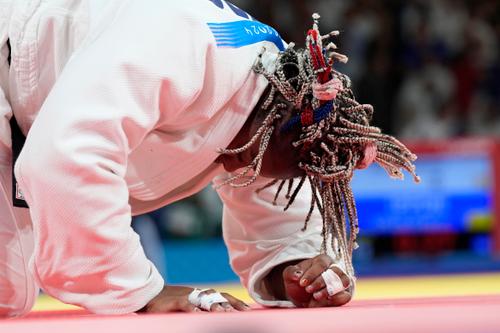
In professional sports, winning is celebrated, but loss is an inevitable and often challenging part of the journey. The psychological impact of defeat goes far beyond the scoreboard—affecting athletes’ mental health, motivation, and future performance. Understanding these effects is key to fostering resilience and growth.
1. Emotional Responses: Grief, Frustration, and Disappointment
Losing can trigger a range of intense emotions similar to grief. Athletes may experience sadness, anger, or self-doubt, which, if unaddressed, can hinder their ability to bounce back.
2. Impact on Self-Confidence
A loss can shake an athlete’s belief in their abilities. Repeated defeats may lead to decreased confidence, affecting focus and execution in subsequent competitions.
3. Motivation and Drive
For some, loss fuels determination and commitment to improvement. For others, it can cause burnout or withdrawal. The psychological response often depends on mindset and support systems.
4. Team Dynamics and Cohesion
Loss affects not only individuals but entire teams. How athletes and coaches process defeat influences morale, communication, and collective resilience moving forward.
5. Mental Health Considerations
Persistent negative effects from loss can contribute to anxiety, depression, or other mental health challenges. Access to counseling and mental skills training is crucial for recovery and well-being.
At Neftaly, we emphasize the importance of psychological support and mental toughness in sports. By addressing the emotional impact of loss, athletes can develop resilience that turns setbacks into stepping stones for future success.