Neftaly Email: sayprobiz@gmail.com Call/WhatsApp: + 27 84 313 7407

Tag: Exploring

Neftaly is a Global Solutions Provider working with Individuals, Governments, Corporate Businesses, Municipalities, International Institutions. Neftaly works across various Industries, Sectors providing wide range of solutions.

Neftaly Email: sayprobiz@gmail.com Call/WhatsApp: + 27 84 313 7407

  • Neftaly Exploring mental health challenges in eSports athletes

    Neftaly Exploring mental health challenges in eSports athletes

    Neftaly: Exploring Mental Health Challenges in eSports Athletes

    As eSports continues to grow into a global phenomenon, the spotlight on professional gamers intensifies — along with the mental strain they face. At Neftaly, we are committed to recognizing and addressing the unique mental health challenges faced by eSports athletes, offering tailored support that helps them sustain peak performance while preserving emotional wellbeing.

    The Hidden Pressures of eSports

    Unlike traditional athletes, eSports professionals often deal with stressors that are less visible but equally intense, including:

    • Long hours of screen time and training
    • Performance anxiety and high-stakes competition
    • Lack of physical activity and irregular sleep patterns
    • Social isolation due to intense schedules
    • Online harassment and public scrutiny

    These factors can contribute to a range of mental health issues such as anxiety, depression, burnout, sleep disorders, and gaming addiction — often intensified by the high-pressure and fast-paced nature of the industry.

    Neftaly’s Specialized eSports Mental Health Programs

    Neftaly offers dedicated mental health solutions tailored specifically for the eSports environment:

    • Cognitive and Emotional Resilience Training: We equip gamers with tools to manage stress, regulate emotions, and maintain focus under pressure.
    • Sleep and Recovery Optimization: Addressing the impact of screen exposure and irregular routines, we help athletes establish healthy sleep hygiene and recovery habits.
    • Mind-Body Integration: Neftaly incorporates light physical movement, mindfulness, and nutrition coaching to support mental clarity and balance.
    • Therapy and Counseling Services: Our team of eSports-savvy mental health professionals provides individual support in managing anxiety, burnout, and identity issues often tied to online performance.
    • Team and Organizational Support: We work with coaches and team managers to create mentally healthy environments — from travel and practice schedules to communication norms.

    Building a Sustainable eSports Culture

    Neftaly helps players and teams:

    • Normalize mental health conversations in gaming culture
    • Build self-awareness and psychological flexibility
    • Prevent burnout through structured wellness strategies
    • Foster longevity and enjoyment in eSports careers

    At Neftaly, we believe peak gaming performance begins with mental strength. By supporting the unique needs of eSports athletes, we’re helping build a healthier, more sustainable future for competitive gaming.

    Ask ChatGPT
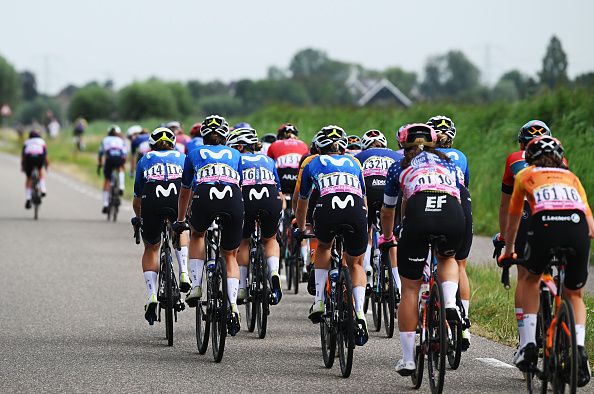
  • Neftaly Exploring the connection between athletic identity and self-worth

    Neftaly Exploring the connection between athletic identity and self-worth

    Neftaly: Exploring the Connection Between Athletic Identity and Self-Worth

    For many athletes, their sport is more than a game — it’s a core part of who they are. This deep connection between athletic identity and self-worth can fuel motivation and confidence, but it can also present challenges when performance falters, injuries occur, or career transitions arise. At Neftaly, we explore this complex relationship to help athletes build a healthy, balanced sense of self that supports both mental wellbeing and lasting fulfillment.

    Understanding Athletic Identity and Self-Worth

    Athletic identity refers to how strongly an individual defines themselves by their role as an athlete. When this identity is closely tied to self-worth, athletes may experience:

    • Elevated pressure to perform perfectly
    • Fear of failure or losing their sense of self
    • Difficulty coping with setbacks, injuries, or retirement
    • Challenges balancing sport with other life roles and interests

    A narrow athletic identity can increase vulnerability to anxiety, depression, and burnout.

    Neftaly’s Approach to Identity and Self-Worth

    Neftaly helps athletes cultivate a resilient self-concept that honors their athletic role while embracing a broader sense of worth:

    • Identity Exploration Coaching: Facilitating self-discovery beyond sport — exploring passions, values, and strengths outside athletics.
    • Mindset and Self-Compassion Training: Encouraging flexible thinking and kindness toward oneself regardless of performance outcomes.
    • Career Transition Support: Preparing athletes for shifts in their athletic journey, including injury recovery and retirement planning.
    • Psychological Skills for Resilience: Building coping strategies to navigate the emotional challenges tied to identity fluctuations.

    Fostering Balanced Self-Worth

    With Neftaly’s guidance, athletes learn to:

    • Separate their value as individuals from athletic success or failure
    • Embrace multi-dimensional identities that enhance life satisfaction
    • Build confidence rooted in internal qualities, not just external achievements
    • Thrive through change with emotional strength and adaptability

    At Neftaly, we believe that true self-worth empowers athletes to perform with freedom and joy. By understanding and supporting the connection between identity and worth, we help athletes develop mental resilience for a fulfilling life on and off the field.

  • Neftaly Exploring the impact of hormonal changes on athlete mood

    Neftaly Exploring the impact of hormonal changes on athlete mood

    Exploring the Impact of Hormonal Changes on Athlete Mood

    Hormonal fluctuations significantly influence mood and mental well-being in athletes, particularly among women. Understanding these effects is crucial for optimizing performance and supporting mental health.


    ???? Hormonal Phases and Their Psychological Impact

    1. Menstrual Cycle Phases

    • Follicular Phase (Days 1–14): Estrogen levels rise, often enhancing mood, energy, and cognitive function. Athletes may experience improved concentration and reduced fatigue during this phase.itsthezone.com
    • Ovulation (Around Day 14): Peak estrogen can boost confidence and social engagement. However, some may feel increased anxiety due to heightened sensitivity.
    • Luteal Phase (Days 15–28): Progesterone increases, which can lead to mood swings, irritability, and fatigue. These symptoms may affect training intensity and focus.

    Studies indicate that 44.6% of collegiate athletes report menstrual symptoms impairing performance, with fatigue and concentration difficulties being prevalent during the luteal phase .PMC

    2. Premenstrual Dysphoric Disorder (PMDD)

    A severe form of premenstrual syndrome, PMDD affects 5–8% of menstruating women. It is characterized by mood swings, depression, irritability, and fatigue, leading to significant distress and impaired functioning .The Times+4Wikipedia+4Wikipedia+4


    ???? Hormonal Contraceptives and Mood

    Hormonal birth control methods, such as oral contraceptives, can impact mood. Some athletes report mood swings and depressive symptoms, especially with progesterone-only options. It’s essential for athletes to monitor their mental health and consult healthcare providers when considering or using these methods .Athlete Blood Test+1


    ????‍♀️ Managing Hormonal Impacts on Mood

    • Cycle Tracking: Utilize apps like FitrWoman to monitor menstrual cycles and adjust training accordingly.MDPI+6The Guardian+6Cycling Weekly+6
    • Tailored Training: Modify exercise intensity and recovery strategies based on the menstrual phase to align with hormonal fluctuations.
    • Nutritional Support: Ensure adequate nutrition, focusing on iron and magnesium intake, to combat fatigue and mood disturbances.
    • Open Communication: Foster dialogue between athletes, coaches, and healthcare providers to address mood-related concerns proactively.

    ???? The Bigger Picture

    While hormonal changes are a natural part of an athlete’s life, their impact on mood and performance is often overlooked. By acknowledging and addressing these effects, sports organizations can create supportive environments that enhance both physical and mental well-being.


    Recent Insights into Hormonal Impacts on Female Athletes

    'Sometimes it can still feel like a maze' - how female professional cyclists deal with periods

    Cycling Weekly

    ‘Sometimes it can still feel like a maze’ – how female professional cyclists deal with periods

    16 days ago

    Cycle syncing: how tracking your period can help you exercise better

    The Times

    Cycle syncing: how tracking your period can help you exercise better

    Jul 7, 2024

    How understanding the menstrual cycle is breaking new ground for women's soccer

    The Guardian

    How understanding the menstrual cycle is breaking new groun

  • Neftaly Exploring the benefits of acupuncture for athlete stress relief

    Neftaly Exploring the benefits of acupuncture for athlete stress relief

    Neftaly: Exploring the Benefits of Acupuncture for Athlete Stress Relief

    Neftaly, the Southern Africa Youth Project, is a nonprofit organization dedicated to empowering youth across Southern Africa by reducing unemployment and poverty through skills development and education. Established in 2005 by Neftaly Malatjie, Neftaly operates with the mission of reducing youth unemployment and poverty by providing skills development, education, and economic opportunities. The organization has a strong presence in South Africa, with regional offices in Johannesburg, Cape Town, Pietermaritzburg, and Diepsloot.

    Recognizing the unique mental and emotional challenges faced by athletes, especially those from minority communities, Neftaly has initiated programs focused on developing personalized mental health strategies. These programs aim to equip athletes with tailored tools to manage stress, anxiety, and other psychological pressures associated with competitive sports.

    Acupuncture, an ancient practice rooted in Traditional Chinese Medicine, has gained recognition for its potential to alleviate stress and enhance overall well-being. By inserting thin needles into specific points on the body, acupuncture aims to balance the body’s energy flow, promoting relaxation and reducing stress. This holistic approach has been explored for its benefits in various aspects of health, including mental health support.Verywell Health+2Vogue+2

    Incorporating acupuncture into athlete mental health strategies may offer a complementary avenue for stress relief. While traditional methods such as counseling and mindfulness are essential, integrating acupuncture could provide additional support in managing the physical manifestations of stress. As with any therapeutic approach, it’s important for athletes to consult with healthcare professionals to determine the most appropriate and effective methods for their individual needs.

  • Neftaly Exploring The Role of Storytelling in Motivation

    Neftaly Exploring The Role of Storytelling in Motivation

    Here’s a compelling visual capturing the emotional power of storytelling in sports—perfect for illustrating how personal narratives can fuel motivation and connection.


    The Role of Storytelling in Motivation

    1. Stories Spark Emotional Connection

    Storytelling gets attention and moves people emotionally. Narratives about athletes overcoming obstacles, like in Drive to Survive, build fan loyalty and deepen engagement through empathy and inspiration.
    SAGE JournalsCOHN Marketing

    2. Stories Inspire Role Modeling and Aspiration

    Hearing how athletes persist in adversity helps youth see themselves in similar journeys, kindling ambition, grit, and a growth mindset.
    storyflow.so

    3. Stories Foster Relatedness and Belonging

    Sharing lived experiences—whether overcoming setbacks or cultural challenges—strengthens emotional bonds among teammates and communities.
    Boston UniversityResearchGate

    4. Stories Enhance Psychological Need Satisfaction

    Self-Determination Theory (SDT) emphasizes that motivation flourishes when psychological needs—•relatedness, •competence, and •autonomy—are met. Storytelling addresses all three:

    5. Stories Alleviate Burnout Through Shared Resilience

    Digital storytelling—especially reflective formats grounded in emotional meaning-making—can help reduce burnout among young athletes by reframing challenges through narrative.
    PMC


    How Neftaly Can Harness Storytelling for Motivation

    StrategyHow It Helps
    Athlete Narrative SeriesShare short video or written stories highlighting challenges, breakthroughs, and emotional insights. Encourages relatability and drive.
    Story-Sharing CirclesTeam reflections where athletes narrate recent hurdles and lessons—reinforces belonging, empathy, and growth.
    Coach Storytelling TrainingEquip coaches to weave motivational stories—connecting moments of effort, vision, and shared values into coaching language.
    Community Spotlight BoardsShowcase personal stories—like a player’s first goal, perseverance after injury, or leadership moment—to celebrate and inspire.
    Peer Journaling + StorytellingEncourage athletes to journal pivotal moments and then share them—promoting self-awareness, reflection, and peer learning.

    Why This Matters for Neftaly

    1. Ignites Intrinsic Motivation
      Stories connect deeply, offering meaning and purpose that drive sustained effort.
    2. Builds Cohesive Culture
      Shared narratives bridge differences, deepen empathy, and unify teams around common journeys.
    3. Supports Psychological Growth
      Storytelling nurtures internal motivation by fulfilling SDT’s core needs—belonging, competence, autonomy.
    4. Prevents Burnout and Enhances Resilience
      Stories reframe struggle into strength, helping athletes cope with pressure and adversity.