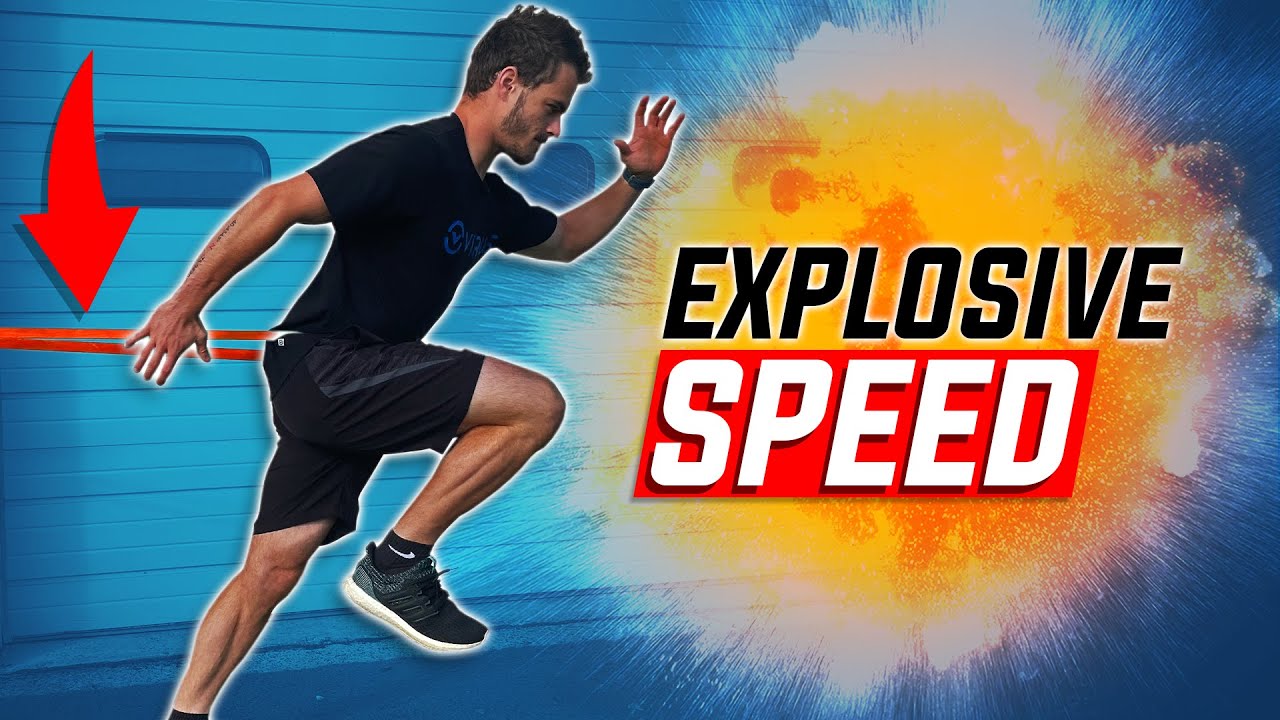
Neftaly Strength and Conditioning for Soccer Players: Plyometrics for Explosive Power
Plyometrics, often referred to as “jump training,” are exercises designed to improve the explosive power, speed, and agility that soccer players need to perform dynamic movements like sprinting, jumping, and changing direction quickly. These exercises involve rapid stretching and contracting of muscles, known as the stretch-shortening cycle, which enhances both strength and speed in short bursts. For soccer players, plyometric training is an essential tool for developing power and explosiveness, allowing them to sprint faster, jump higher, and move with greater agility on the field.
This section of the Neftaly Strength and Conditioning for Soccer Players program will explore the importance of plyometric exercises for soccer performance, the physiological benefits, and provide a comprehensive list of plyometric exercises tailored for soccer players.
Why Plyometrics are Important for Soccer Players
- Explosive Power Development:
- Soccer requires quick, explosive movements such as sprinting past defenders, jumping to win headers, or executing powerful shots on goal. Plyometric training targets the fast-twitch muscle fibers that generate force rapidly, helping players develop the explosive power needed for these high-intensity actions.
- Improved Speed and Acceleration:
- Plyometrics train the body to produce force more quickly, enhancing the player’s ability to accelerate rapidly from a standing start. This is essential for situations like beating an opponent in a sprint or accelerating into space after receiving a pass.
- Enhanced Agility and Change of Direction:
- Soccer players often have to change direction quickly while maintaining balance and control of the ball. Plyometric exercises that involve lateral movements, cutting, and jumping can improve a player’s agility, enabling them to maneuver with greater precision and speed.
- Increased Jumping Ability:
- Heading the ball, winning aerial duels, and executing powerful shots require a strong vertical jump. Plyometric exercises specifically target the lower body muscles (quads, hamstrings, calves, and glutes), improving a player’s vertical leap and overall jumping power.
- Injury Prevention:
- Plyometrics strengthen not just the muscles but also the tendons and ligaments by training the body to absorb force during deceleration. This helps prevent injuries, particularly in the knees and ankles, which are common in soccer due to quick stops, jumps, and changes in direction.
Key Muscles Targeted in Plyometric Training for Soccer
- Quadriceps (Front of the Thighs):
- Important for explosive movements like sprinting and jumping.
- Hamstrings (Back of the Thighs):
- Play a key role in deceleration, cutting, and quick changes of direction.
- Glutes:
- Vital for generating power during sprints and jumps.
- Calves:
- Essential for explosive push-offs, rapid changes of direction, and jumping.
- Core Muscles (Abdominals and Lower Back):
- Core stability is essential for maintaining posture and balance during dynamic movements.
- Hip Flexors:
- Important for controlling the motion of the legs during sprinting and jumping.
Effective Plyometric Exercises for Soccer Players
Plyometric exercises can be classified into various categories based on the movement patterns and the type of muscles targeted. Below are plyometric exercises tailored for soccer players to improve explosive power, agility, and strength.
1. Box Jumps
- Muscles Worked: Quads, glutes, calves, hamstrings
- Why It’s Important: Box jumps help build explosive leg strength and increase vertical jump height, which is essential for heading the ball and winning aerial duels.
- Execution:
- Stand with feet shoulder-width apart in front of a sturdy box or platform.
- Drop into a quarter squat and then explosively jump onto the box, swinging your arms for momentum.
- Land softly with your knees slightly bent, and then step back down.
- Variation: Increase the height of the box or perform “depth jumps” by jumping off the box and immediately jumping back up again.
2. Broad Jumps (Standing Long Jumps)
- Muscles Worked: Quads, hamstrings, glutes, calves
- Why It’s Important: Broad jumps improve horizontal explosiveness and are excellent for developing the power needed for sprinting and accelerating past opponents.
- Execution:
- Stand with feet shoulder-width apart and knees slightly bent.
- Swing your arms back and then explosively jump forward as far as possible, landing on both feet.
- Focus on landing softly with your knees slightly bent to absorb the impact.
- Variation: Add a small cone or mark to measure the distance of each jump and work to improve it over time.
3. Lateral Bounds (Skater Jumps)
- Muscles Worked: Quads, glutes, calves, hip abductors
- Why It’s Important: Lateral bounds help improve lateral agility, which is essential for cutting, defending, and maintaining balance when changing directions quickly.
- Execution:
- Start by standing on one leg with the other leg slightly raised off the ground.
- Push off explosively and jump sideways to land on the opposite leg, keeping the landing soft and controlled.
- Immediately push off again and jump back to the starting position.
- Variation: Add a small hurdle or cone to jump over for added challenge.
4. Depth Jumps
- Muscles Worked: Quads, glutes, hamstrings, calves
- Why It’s Important: Depth jumps enhance the ability to absorb and reapply force, improving vertical jump power and reaction time.
- Execution:
- Stand on a box or platform about 12-18 inches high.
- Step off the box and land softly with knees slightly bent.
- Immediately jump as high as you can after landing, using the rebound from the ground to propel yourself upward.
- Variation: Increase the height of the box or add a squat jump after the rebound for added intensity.
5. Tuck Jumps
- Muscles Worked: Quads, glutes, calves, core
- Why It’s Important: Tuck jumps help develop explosive power and coordination, and are especially useful for improving vertical jump and overall jumping technique.
- Execution:
- Stand with your feet shoulder-width apart and knees slightly bent.
- Jump explosively into the air, bringing your knees toward your chest.
- Land softly and immediately repeat the jump.
- Variation: Perform a “burpee tuck jump” by adding a push-up before the jump.
6. Single-Leg Hops
- Muscles Worked: Quads, glutes, calves, hamstrings
- Why It’s Important: Single-leg hops build unilateral strength, balance, and coordination, which are crucial for maintaining control during quick changes in direction, kicking, and jumping.
- Execution:
- Stand on one leg and slightly bend the knee.
- Hop forward as far as you can while maintaining balance.
- Land softly and repeat on the same leg for the desired number of reps, then switch legs.
- Variation: Perform the hop on uneven surfaces or add a lateral component to the jump.
7. Lunge Jumps
- Muscles Worked: Quads, hamstrings, glutes, calves
- Why It’s Important: Lunge jumps build explosive power in the lower body and improve the ability to quickly change direction, which is essential for attacking, defending, and maintaining possession.
- Execution:
- Start in a lunge position with one leg forward and the other leg bent behind you.
- Jump explosively and switch legs mid-air, landing softly in the opposite lunge position.
- Variation: Add a resistance band around your legs to increase difficulty.
8. Plyometric Push-Ups
- Muscles Worked: Chest, triceps, shoulders, core
- Why It’s Important: While soccer is mainly lower-body intensive, upper-body explosiveness is also necessary for aerial duels, tackling, and holding off opponents.
- Execution:
- Start in a push-up position with your hands slightly wider than shoulder-width apart.
- Lower your chest toward the floor and then explosively push up so that your hands leave the ground.
- Land softly with bent elbows and immediately perform another rep.
- Variation: Add clapping between reps for increased intensity.
Plyometric Training Guidelines for Soccer Players
- Warm-Up Properly:
- Prior to any plyometric workout, it’s essential to perform a dynamic warm-up to prepare the muscles and joints for the explosive movements. This can include light jogging, high knees, leg swings, and hip rotations.
- Start with Lower Volume and Intensity:
- Plyometrics are high-intensity exercises that place significant stress on the muscles and joints. For beginners or those new to plyometric training, it’s important to start with low-intensity exercises and gradually increase volume and intensity as the body adapts.
- Focus on Quality, Not Quantity:
- Proper form and technique are essential for preventing injury and maximizing the effectiveness of plyometric exercises. Always focus on controlled landings and explosive takeoffs.
- Allow Sufficient Recovery:
- Since plyometric training is high-impact, players should ensure they allow adequate recovery between sessions. Ideally, plyometric training should be done 1-2 times per week with at least 48 hours of rest in between sessions to allow for recovery.
- Combine with Strength Training: