Neftaly Email: sayprobiz@gmail.com Call/WhatsApp: + 27 84 313 7407

Tag: gender

Neftaly is a Global Solutions Provider working with Individuals, Governments, Corporate Businesses, Municipalities, International Institutions. Neftaly works across various Industries, Sectors providing wide range of solutions.

Neftaly Email: sayprobiz@gmail.com Call/WhatsApp: + 27 84 313 7407

  • Neftaly the adverse outcomes of swimming on gender equality

    Neftaly the adverse outcomes of swimming on gender equality

    Swimming, while widely regarded as an inclusive sport, can present adverse outcomes on gender equality when systemic barriers and cultural biases are left unaddressed. One major issue is unequal access to facilities and opportunities. In many communities, women and girls face restrictions on pool access due to cultural norms, dress codes, or lack of female-only swimming spaces. This limits their participation compared to men and reinforces gender disparities in recreational and professional swimming.

    Financial inequalities also contribute to the gender gap in swimming. Sponsorship, prize money, and media attention for male swimmers often exceed that of female swimmers, making it harder for women to pursue swimming as a professional career. This disparity not only discourages female athletes but also perpetuates stereotypes that undervalue women’s achievements in the sport.

    Additionally, societal expectations around body image disproportionately affect women in swimming. The requirement for tight-fitting swimsuits can subject female swimmers to objectification, scrutiny, and pressure to conform to specific body standards. This creates psychological stress and discourages many young girls from continuing in the sport, further reducing female representation at higher levels.

    At the community and institutional level, leadership positions within swimming organizations, coaching roles, and administrative boards are often dominated by men. The underrepresentation of women in decision-making roles perpetuates male-centered perspectives in policy, funding allocation, and competition structures, hindering progress toward gender equality.

    In regions where swimming is prioritized for boys over girls, resources such as coaching, training time, and competitive opportunities are unevenly distributed, reinforcing inequality from a young age. Thus, while swimming has the potential to promote inclusivity, systemic barriers, cultural biases, and structural imbalances can create adverse outcomes for gender equality if not deliberately addressed.

  • Neftaly the adverse outcomes of tennis on gender equality

    Neftaly the adverse outcomes of tennis on gender equality

    Neftaly the adverse outcomes of tennis on gender equality

    Tennis is often praised as one of the most progressive sports for women, yet it still faces significant challenges that adversely affect gender equality. A primary issue is the persistence of pay disparities. While some major tournaments offer equal prize money, many others still provide higher earnings for men, reinforcing income inequality and undervaluing women’s achievements.

    Media representation also plays a role. Female players are often judged more for their appearance, outfits, or personal lives than for their athletic performance. This reduces recognition of their sporting accomplishments and perpetuates stereotypes that undermine women’s credibility in the game.

    Access to opportunities remains uneven as well. In some regions, girls face fewer training resources, limited access to quality coaching, and lower investment in development programs compared to boys. This inequality restricts their pathways to professional success and reduces overall female participation in the sport.

    Cultural biases and sexism also persist within the tennis community. Female athletes may encounter discrimination from sponsors, coaches, or officials who prioritize male players. Sponsorship deals often favor men or tie women’s endorsements to appearance rather than talent, perpetuating inequality in financial stability and career longevity.

    Furthermore, leadership roles in tennis—such as coaching, administration, and tournament organization—are still dominated by men. The lack of women in decision-making positions makes it harder to implement reforms that address gender imbalances.

    Finally, the intense pressure on female players to balance athletic careers with societal expectations of family life often creates additional barriers, leading to earlier retirements compared to men.

    In summary, the adverse outcomes of tennis on gender equality include unequal pay, biased media representation, limited access to resources, cultural sexism, underrepresentation in leadership, and societal pressures, all of which hinder true equity in the sport.

  • Neftaly Promoting gender equality through national sports policies and programs

    Neftaly Promoting gender equality through national sports policies and programs

    ChatGPT said:
    https://www.aljazeera.com/wp-content/uploads/sites/34/2022/07/000_32FB9Z7.jpg?resize=1800%2C1800
    https://blackenterprise-prod.b-cdn.net/wp-content/blogs.dir/1/files/2023/07/GettyImages-1431740950-scaled-1-1920x1223.jpg
    https://mg.co.za/wp-content/uploads/sites/34/2022/10/Banyana.jpg
    https://lasentinel.net/wp-content/uploads/sites/34/sites/5/2023/08/South-2.jpg

    Neftaly’s Initiative: Promoting Gender Equality Through National Sports Policies and Programs


    ????️ National Policy Framework

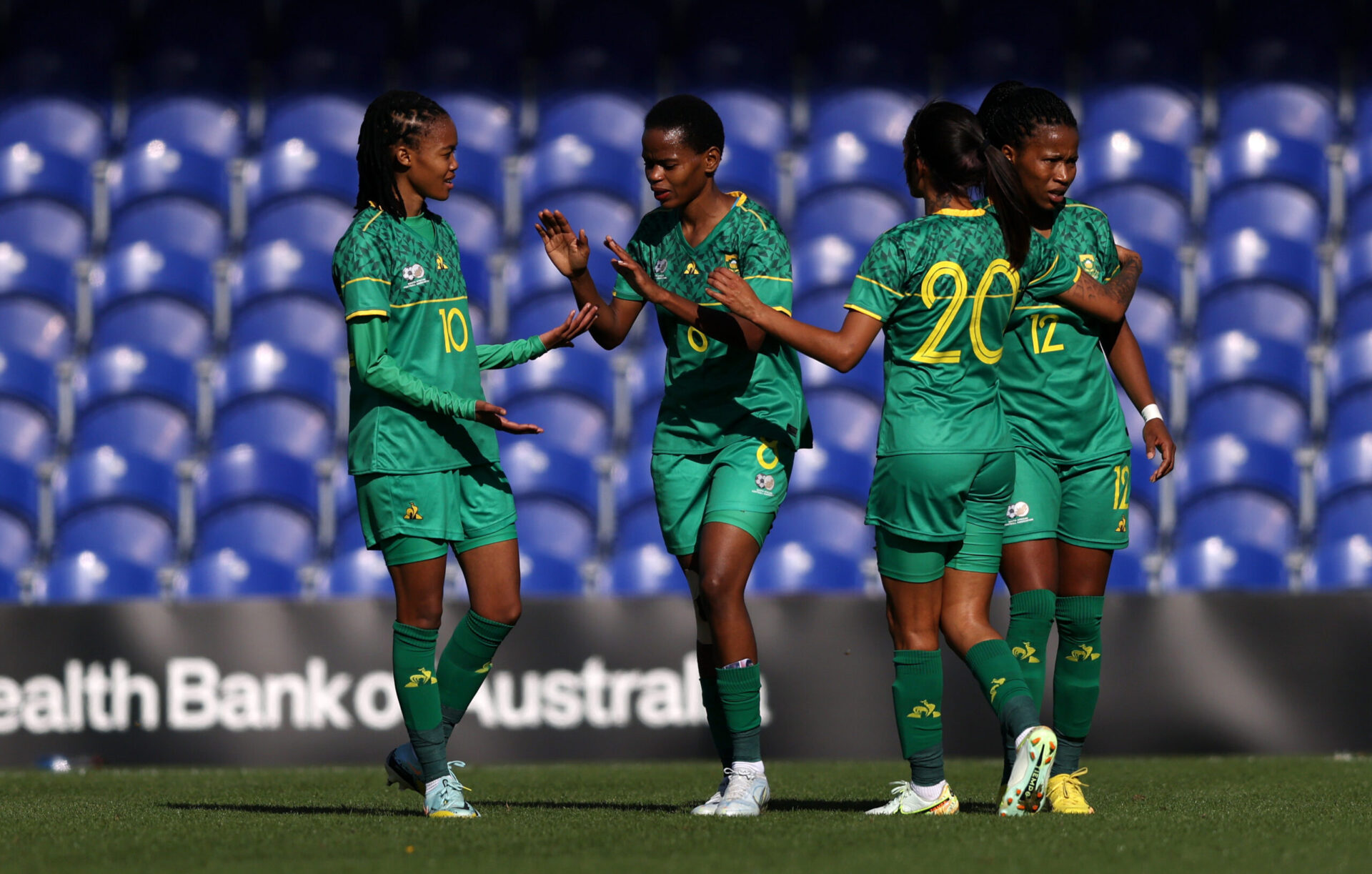
    In December 2024, the South African Cabinet officially approved the National Policy on Women in Sport Framework, marking a significant step toward institutionalizing gender equality in the country’s sports sector. This policy aims to address historical disparities by promoting women’s participation, leadership, and visibility in sports. It outlines measures to combat gender-based violence, enhance access to resources, and ensure equitable representation across all levels of sport. transformsa.co.za


    ???? Key Policy Objectives

    • Equitable Access and Representation: Ensure equal opportunities for women in all sporting codes and leadership roles.
    • Resource Allocation: Increase funding and sponsorship for women’s sports to bridge the financial gap.
    • Safety and Inclusion: Implement measures to prevent gender-based violence and discrimination within sports environments.
    • Leadership Development: Encourage and support women in sports administration and decision-making positions.

    ⚖️ Addressing Gender Inequality

    Despite policy advancements, challenges persist. A 2024 report by the Commission for Gender Equality highlighted ongoing issues such as unequal pay, limited media coverage, and underrepresentation of women in sports leadership roles. These disparities hinder the full realization of gender equality in the sports sector. cge.org.za


    ???? International Framework: UNESCO’s Game Plan

    Globally, UNESCO’s Sport and Gender Equality Game Plan provides a strategic framework for policymakers to promote gender equality in and through sport. The Game Plan emphasizes the need for evidence-based policies, capacity building, and the elimination of gender-based violence in sports contexts. It serves as a valuable resource for countries, including South Africa, to align their national policies with international standards. sidalc.net+5UNESCO Document Repository+5UNESCO+5UNESCO Document Repository


    ???? Neftaly’s Role in Advancing Gender Equality

    Neftaly can play a pivotal role in supporting the implementation of these policies by:

    • Advocacy and Awareness: Campaigning for gender equality in sports through media and community outreach.
    • Capacity Building: Providing training and resources to women athletes and sports administrators.
    • Monitoring and Evaluation: Assessing the impact of gender equality initiatives and advocating for necessary policy adjustments.
    • Partnerships: Collaborating with governmental and non-governmental organizations to strengthen the support system for women in sports.

    ???? Conclusion

    While South Africa has made commendable progress in promoting gender equality in sports, continued efforts are essential to overcome existing challenges. Through collaborative initiatives and sustained commitment, the vision of an inclusive and equitable sports environment for all can be realized.

  • Neftaly Promoting Gender Equity in Participation

    Neftaly Promoting Gender Equity in Participation

    Neftaly Promoting Gender Equity in Participation

    Neftaly, the Southern Africa Youth Project, is dedicated to empowering youth across Southern Africa through various initiatives aimed at reducing youth unemployment and poverty. Established in 2005 by Neftaly Malatjie, Neftaly operates with the mission of providing skills development, education, and economic opportunities to young individuals. The organization has a strong presence in South Africa, with regional offices in Johannesburg, Cape Town, Pietermaritzburg, and Diepsloot.

    Neftaly actively promotes gender equity in participation through various initiatives aimed at fostering understanding and respect for diverse cultures:

    • Youth Mentorship Programme: Neftaly’s mentorship program in Diepsloot offers three-hour workshops on topics such as conflict resolution, mindfulness, and career development. These sessions help youth acquire life skills that enable them to navigate complex situations and thrive in modern society.
    • Life Skills and Leadership Development: Neftaly equips young people with essential life skills, including communication, financial literacy, emotional intelligence, conflict resolution, and leadership, fostering holistic personal development.
    • Community Outreach and Advocacy: Neftaly actively engages communities through awareness campaigns, workshops, and partnerships to promote youth rights, gender equality, mental health awareness, and social cohesion.

    For more information on Neftaly’s programs and initiatives, please visit southernafricayouth.org. To get in touch, you can email info@saypro.online or call/WhatsApp +27 84 313 7407.

  • Neftaly Promoting Gender Equity in Sports Participation

    Neftaly Promoting Gender Equity in Sports Participation

    Neftaly: Championing Equal Opportunities for All Athletes

    At Neftaly, we are dedicated to fostering an inclusive sports culture where gender equity is not just a goal but a reality. Our initiatives promote equal access, resources, and respect for athletes of all genders, empowering everyone to participate fully and fairly.

    Why Gender Equity in Sports Matters

    Despite progress, disparities in funding, media coverage, and participation opportunities persist between genders. Promoting gender equity ensures that all athletes—regardless of gender identity—can enjoy the benefits of sports, develop their talents, and thrive in safe, supportive environments.

    Neftaly’s Gender Equity Initiatives

    • Inclusive policy development that ensures fair treatment and opportunities for all genders
    • Outreach programs encouraging girls and underrepresented genders to join sports at grassroots levels
    • Workshops and training for coaches and administrators on gender sensitivity and bias reduction
    • Scholarships and resources targeted to support female and non-binary athletes
    • Campaigns raising awareness about the importance of gender equity in sports

    Benefits of Promoting Gender Equity

    • Increases participation and retention of athletes across genders
    • Enhances team diversity and performance
    • Creates safer, more respectful sporting environments
    • Builds a culture of equality that extends beyond sports

    Join Neftaly’s Commitment to Gender Equity

    We invite sports organizations, schools, and communities to partner with Neftaly in advancing gender equity—because sports belong to everyone.

  • Neftaly Promoting Gender Equity in Youth Sports Access

    Neftaly Promoting Gender Equity in Youth Sports Access

    Neftaly Promoting Gender Equity in Youth Sports Access

    At Neftaly, we believe every young athlete deserves the same opportunities to learn, play, and excel — regardless of gender. We are dedicated to breaking down barriers and ensuring equal access to sports for girls, boys, and non-binary youth alike.

    Gender equity in sports means providing fair resources, equal training opportunities, and inclusive environments where all athletes feel valued and supported. Neftaly works with schools, clubs, and communities to address disparities in funding, facilities, and representation, making sure no talent goes unnoticed.

    Our initiatives include mentorship programs for underrepresented athletes, awareness campaigns that challenge stereotypes, and partnerships that create more pathways for girls and young women to participate in sports at every level.

    By promoting gender equity, Neftaly is helping build a future where every child can pursue their athletic dreams without limits — and where diversity strengthens the entire sporting community.