


Neftaly: The History of Gaelic Hurling
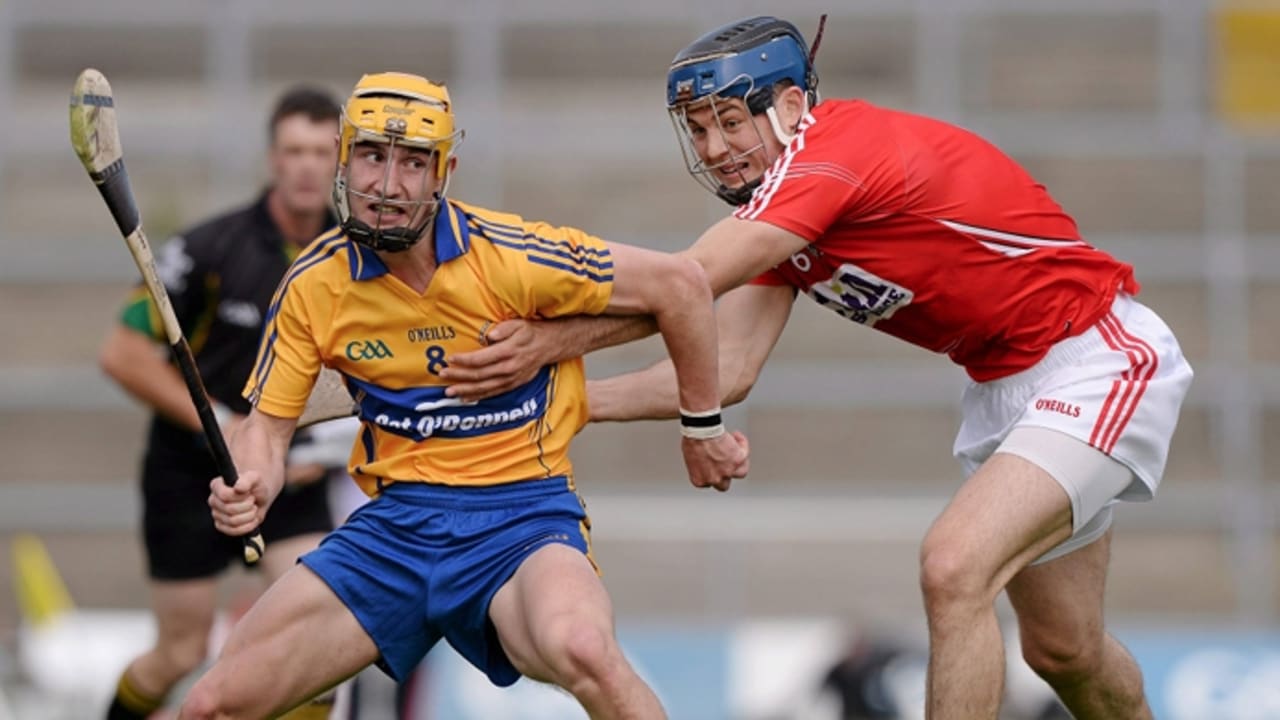
Gaelic hurling is one of the oldest field games in the world, with a rich history that spans over 3,000 years. Its origins are deeply rooted in Irish culture and mythology, evolving from ancient traditions into the structured sport we recognize today.baltimoregaa.com+3Gaa.ie+3TIME+3
???? Ancient Origins
The earliest known references to hurling appear in Irish mythology. The epic tale of the Táin Bó Cúailnge (The Cattle Raid of Cooley) mentions the hero Cú Chulainn playing hurling, highlighting its significance in early Irish society. Archaeological findings, such as hair-filled balls discovered in bogs from north Sligo to Cork, date back to the 12th century, providing physical evidence of the game’s ancient roots .Mystery Camán+2Wikipedia+2RTE
Hurling is believed to predate the arrival of the Celts in Ireland around 1200 BC. The game is thought to be related to similar stick-and-ball games played in Scotland (shinty), the Isle of Man (cammag), and formerly in England and Wales (bandy). There’s also evidence suggesting a similar game called Knattleikr was played in Iceland, possibly brought over by Gaelic settlers .Mystery Camán+2baltimoregaa.com+2Wikipedia+1
⚖️ Medieval and Early Modern Periods
In medieval Ireland, hurling was governed by the Brehon Laws, which outlined rules and penalties for the game. The Seanchas Mór, a commentary on these laws, notes that the son of a local king could have his hurley hooped in bronze, while others could only use copper. It was illegal to confiscate a hurley, indicating the game’s esteemed status .Wikipedia+1
Despite its popularity, hurling faced challenges during the 14th and 15th centuries. The Statutes of Kilkenny in the 14th century forbade hurling due to its perceived violence, and in the 15th century, a grave slab in County Donegal depicted a Scottish warrior with a caman (shinty stick) and a sliotar, suggesting cultural exchanges and the game’s enduring presence .Wikipedia
????️ Revival and Standardization
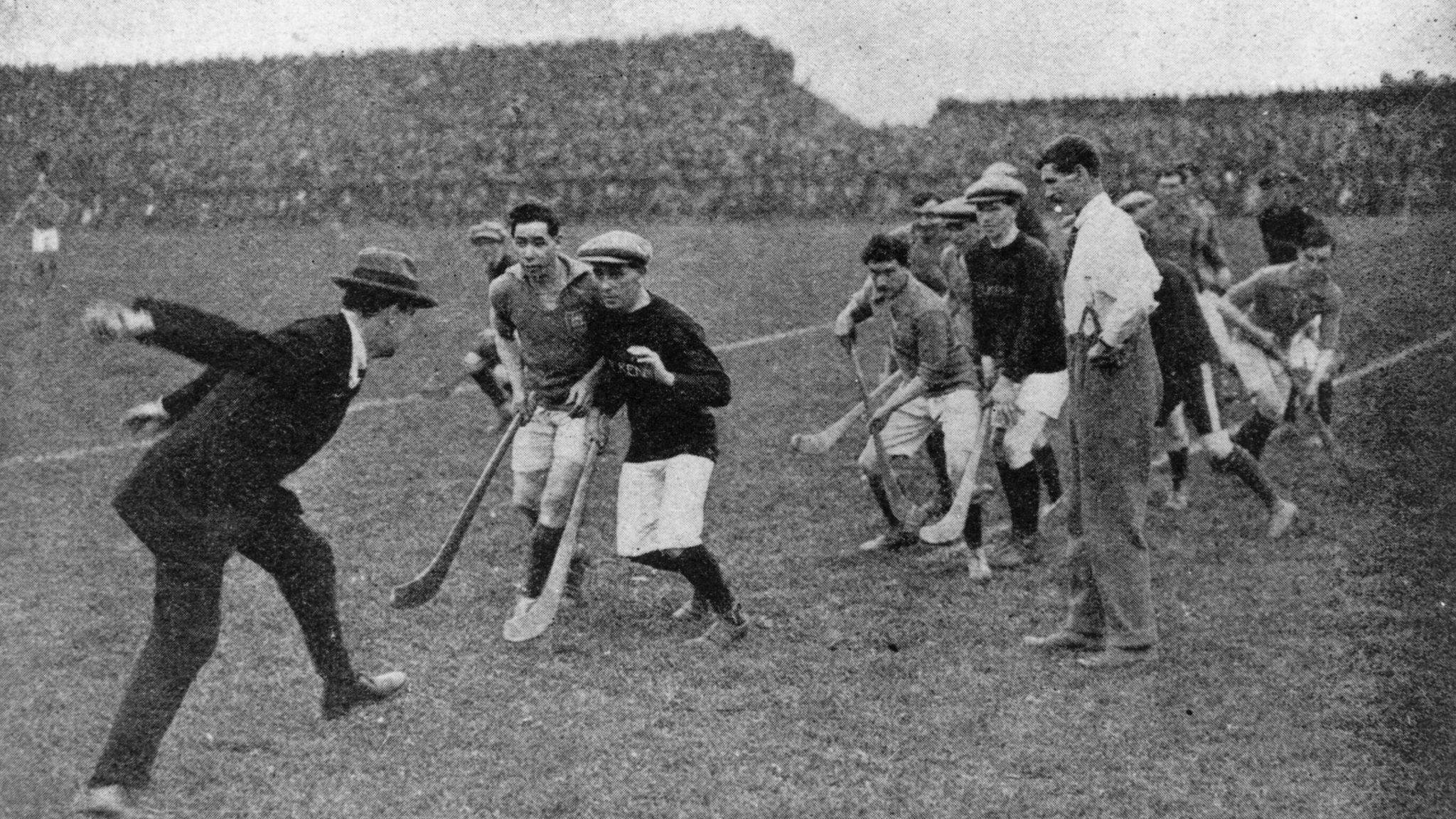
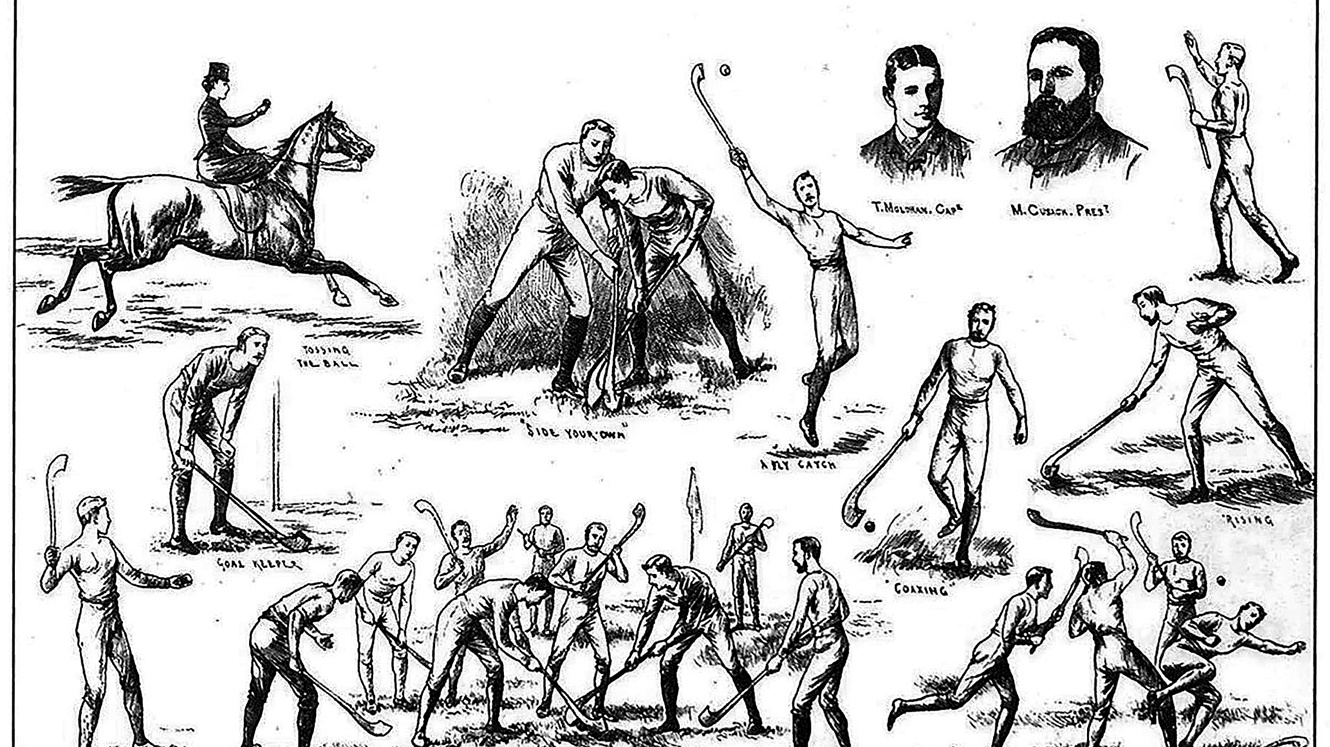
By the 19th century, political and social changes, including the Act of Union 1801 and the Great Famine, led to a decline in traditional sports like hurling. However, in 1884, the Gaelic Athletic Association (GAA) was founded in Thurles, County Tipperary, to promote and organize Gaelic sports. Michael Cusack, one of the GAA’s founders, simplified the game based on the iomán version he knew from his childhood in County Clare, laying the foundation for modern hurling .Wikipediatraditionalsports.org+1
The GAA standardized the rules, established competitions, and played a crucial role in preserving hurling as a central element of Irish cultural identity.Twinkl+3regulatorshurling.org+3traditionalsports.org+3
???? Modern Era
The 20th century saw the All-Ireland Hurling Championship come into existence, along with provincial championships. Counties like Cork, Kilkenny, and Tipperary dominated hurling, each winning more than 20 All-Ireland titles. Other counties such as Wexford, Waterford, Clare, Limerick, Offaly, Dublin, and Galway also made significant contributions to the sport during this period .Wikipedia
In the 21st century, hurling remains Ireland’s second most popular sport. The introduction of an extended qualifier system and round-robin formats has resulted in a longer All-Ireland Senior Hurling Championship. Kilkenny has been particularly successful, winning 11 All-Ireland titles in the 21st century, while Limerick has secured five .Wikipedia
Gaelic hurling’s rich history reflects its deep cultural significance and enduring popularity in Ireland. From its ancient origins to its modern-day prominence, hurling continues to be a symbol of Irish heritage and athletic prowess.
Exploring the Roots and Revival of Hurling

A Visitor to Ireland Finds Ballet in the Ancient Sport of Hurling
