Neftaly: Supporting Mental Wellness with Smart Nutrition & Hydration
Neftaly integrates evidence-based education on balanced nutrition and hydration into its mental health programming—empowering athletes to optimize both performance and emotional well-being.
???? Why Nutrition & Hydration Matter for Mental Health
Hydration
- Even mild dehydration (1–2% body water loss) impairs cognition—affecting memory, attention, decision-making—and induces negative mood shifts like irritability, confusion, and fatigue News.com.auMusashi NZ+8Wikipedia+8Whole Life Challenge+8.
- Adequate hydration lowers stress hormone cortisol, enhances emotional resilience, and stabilizes mood and sleep cycles tennesseebehavioralhealth.comBrighter Tomorrow CounselingWhole Life ChallengeOur Mental Health.
Nutrition
- Diets rich in whole grains, fruits, vegetables, lean proteins, healthy fats, and low in processed foods are associated with reduced anxiety and depression risk WikipediaWikipediaWikipedia.
- Adequate protein intake supports synthesis of neurotransmitters like serotonin and dopamine, essential for cognitive clarity and emotional regulation .
???? How Neftaly Delivers Balanced Nutrition & Hydration Education
1. Hydration Planning & Monitoring
- Provides personalized hydration goals—tailored to body size, exertion level, climate, and sweat rate (e.g. 1.5 mL per calorie burned, or 2–3 liters/day depending on activity) .
- Teaches hydration timing (e.g. start hydrating several hours before training, sip during sessions, consume 80% fluids before 4 p.m. to support quality sleep) .
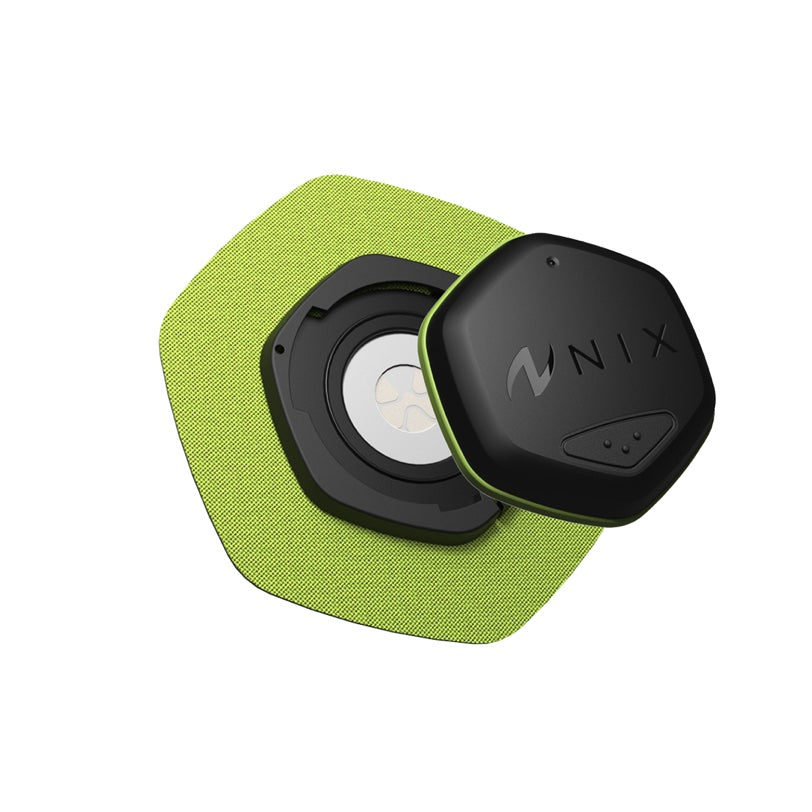
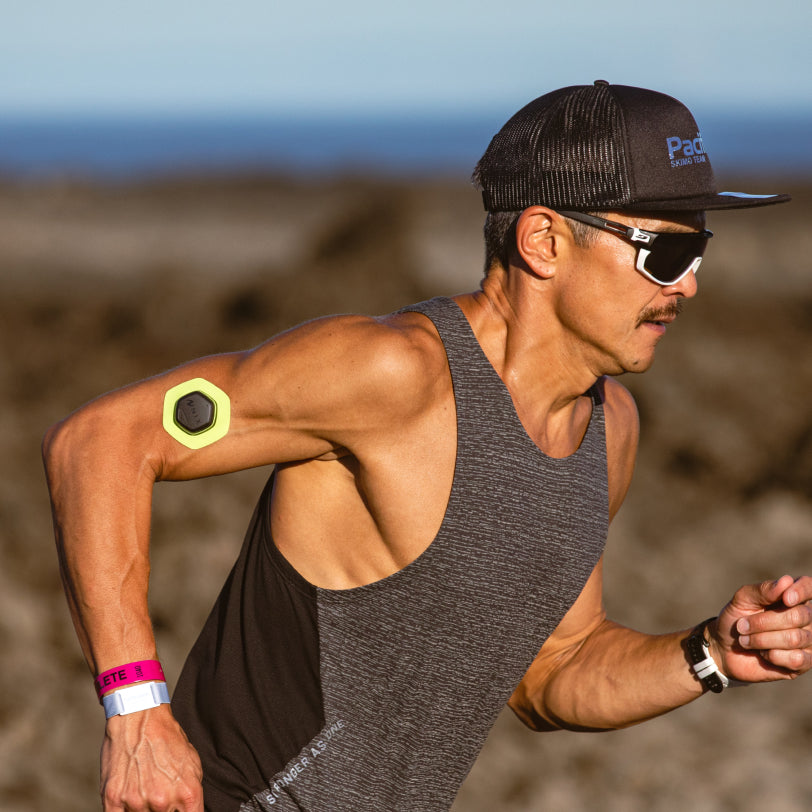
- Encourages tracking via apps or bottles, monitoring urine color/lightness, and engaging in self-awareness habits around thirst .
- Educates on when electrolyte supplementation (e.g. sodium, potassium) is appropriate—such as after prolonged intense training or heat exposure—and the risks of excess intake .
2. Nutrition Education for Mental Resilience
- Integrates nutritional psychiatry principles: whole-food, anti-inflammatory eating patterns rich in fruits, vegetables, whole grains, legumes, fish, nuts, and low-fat dairy to support brain health .
- Emphasizes balanced macronutrients—adequate complex carbohydrates for sustained energy, lean proteins (tyrosine and tryptophan) for neurotransmitter support, and healthy fats to reduce cognitive inflammation .
3. Practical Integration & Athlete Behavior Change
- Partners with athletes, nutritionists, and coaches to set practical routines: meal timing aligned with training, snack strategies to prevent energy dips, and post-exercise snacks like chocolate milk for both rehydration and muscle recovery .
- Incorporates water-rich fruits and vegetables (e.g. cucumber, watermelon, citrus) to support hydration while supplying micronutrients and antioxidants .
- Teaches mindful eating and hydration paired with self-checks—like journaling mood and energy levels to connect nutrition/hydration to mental state.
4. Education as Prevention and Enhancement
- Offers workshops and digital modules on how hydration and diet influence concentration, mood regulation, stress response, reaction time, and emotional stability .
- Encourages regular intake of fluids and food (not waiting for thirst or hunger), especially during high stress or competition periods, to maintain mental clarity and motivation .
✅ Key Benefits of Neftaly’s Approach
| Outcome | Description |
|---|---|
| Sharper Mental Performance | Adequate hydration and nutrient intake support memory, focus, reaction time, and decision-making. |
| Mood Regulation | Balanced eating and hydration help stabilize neurotransmitter production, lowering anxiety and fatigue. |
| Stress Buffering | Hydration reduces cortisol spikes; nutrient-rich diets support emotional resilience under pressure. |
| Sustainable Energy & Recovery | Proper carbs and protein fuel workouts and recovery, helping avoid energy crashes and mood dips. |
| Behavioral Awareness | Tracking intake and self-reflection increases awareness of links between nutrition, hydration, and emotional well‑being. |