Neftaly Email: sayprobiz@gmail.com Call/WhatsApp: + 27 84 313 7407

Tag: machine

Neftaly is a Global Solutions Provider working with Individuals, Governments, Corporate Businesses, Municipalities, International Institutions. Neftaly works across various Industries, Sectors providing wide range of solutions.

Neftaly Email: sayprobiz@gmail.com Call/WhatsApp: + 27 84 313 7407

  • Neftaly Machine learning models predicting athlete injury recovery timelines

    Neftaly Machine learning models predicting athlete injury recovery timelines

    ???? Research Insights on Machine Learning for Recovery Timeline Prediction

    ???? Concussion Recovery Prediction

    A recent study using random forest algorithms accurately predicted whether athletes would miss more than five competitive games after a mild traumatic brain injury (concussion). The model achieved 94.6% accuracy, 100% sensitivity, and 93.8% specificity, with an AUC of 96.3% in predicting recovery timelines using demographics, injury history, MRI findings, and SCAT-5 assessment scores AZoAi+7PMC+7PubMed+7.

    Another clinical investigation in adolescents (ages 8–18) employed gradient boosting decision-tree models to forecast both the total recovery time (in days) and the likelihood of protracted recovery (>21 days) after concussion. These models achieved AUC scores of ~0.84 for males and ~0.78 for females, outperforming traditional statistical models (AUC ~0.74–0.73) PubMed.

    ???? Muscle Injury Recovery in Football

    A study applying XGBoost, Decision Tree, and Linear Regression compared model predictions to expert estimates for muscle injury recovery durations. XGBoost achieved the highest performance, with an R² of 0.72, outperforming expert predictions especially when expert opinion was included as a model feature MDPI.

    ???? Endurance & Cardiovascular Predictions

    Recent ML research on endurance athletes used physiological indicators (e.g. HRV, VO₂ thresholds) to predict daily recovery metrics and reinjury risk. Although group-level models showed solid validity, individual-level predictions varied significantly—suggesting personalized modeling is essential for precise timeline forecasting AZoAi+1PubMed+1.

    Additionally, a study using CPET (cardiopulmonary exercise test) data in soccer players found CatBoost and SVM models effective in predicting reinjury risk post-recovery. Notably, variables like HR recovery and VO₂ max were strong predictors BioMed Central.


    ????️ How Neftaly Could Build ML-Based Recovery Timeline Models

    1. Data Integration & Feature Engineering

    • Structured clinical data: demographics, injury diagnosis, imaging (e.g. MRI), standardized assessment tools (e.g. SCAT-5, VOMS).
    • Load & wellness metrics: training volume, acute:chronic workload ratio, sleep quality, subjective fatigue scales.
    • Physiological and biomechanical data: HRV, VO₂ thresholds, gait imbalances, CPET output.
    • Historical patterns: prior injury types, recovery durations, performance baselines.

    2. Selecting & Training Models

    • Tree-based ensemble models like Random Forest, XGBoost, and CatBoost consistently perform best on recovery timeline tasks (measured via RMSE, R², AUC) PMC.
    • Compare with simpler models (e.g. linear regression, decision tree) and include expert predictions as features—often improves accuracy significantly MDPI+8MDPI+8reddit.com+8.

    3. Interpretability & Validation

    • Use SHAP values or similar tools for explaining key predictors—important for clinical or sports staff buy-in.
    • Employ cross-validation and hold-out datasets to ensure generalizability and reduce overfitting reddit.com+10GitHub+10PubMed+10.

    4. Individualized Predictions

    • Provide group-level baseline models alongside personalized models that adapt to individual physiology, training load, and historical data AZoAi.

    ✨ Operational Use Case: Neftaly Injury Recovery Model

    1. Collect injury and assessment data at baseline (demographics, diagnostics, initial severity).
    2. Aggregate ongoing monitoring data—wearables, wellness surveys, CPET, training load metrics.
    3. Predict recovery duration and likelihood of extending beyond key milestone thresholds using ML models.
    4. Visualize outcomes in staff dashboards: projected return date, confidence intervals, key risk features.
    5. Guide rehab planning: initiate progressive protocols aligned with predicted timeline and risk thresholds.
    6. Refine model continuously: retrain with new recovery outcomes and cross-validate for accuracy improvement.

    ✅ Why This Matters for Neftaly

    • Accurate timeline estimates prevent both premature return and unnecessary prolonged recovery.
    • Objective, data-informed guidance supports medical, coaching, and athlete confidence.
    • Model transparency through interpretability (e.g. SHAP insights) builds trust with users.
    • Integration with wearable/CPET data enables dynamic, personalized recovery forecasts.
    • Scalable across injury types: concussions, muscle strains, ligament injuries, and overuse cases.

    ???? Summary Table

    DomainUse CaseModel TypeKey Benefits
    Concussion returnGames missed >5Random Forest~95% accuracy; high sensitivity/specificity
    Adolescent protracted recoveryTotal days to full clearanceGradient BoostingAUC ~0.84 (males), ~0.78 (females)
    Muscle strain recoveryRecovery days estimateXGBoostR² ~0.72; outperforms expert alone
    Endurance & reinjury riskExtended timeline & risk assessmentCatBoost, SVMPersonalized predictions; AUC/F1 metrics
  • Neftaly Machine learning analyzing biomechanical efficiency during performance

    Neftaly Machine learning analyzing biomechanical efficiency during performance

    https://www.folio3.ai/blog/wp-content/uploads/sites/34/2024/05/AI-For-Sports.png
    https://www.folio3.ai/blog/wp-content/uploads/sites/34/2024/03/AI-Algorithms-for-Biomechanical-Data-Analysis.jpg
    https://www.frontiersin.org/files/Articles/962941/fspor-04-962941-HTML-r1/image_m/fspor-04-962941-g001.jpg
    https://www.astn.com.au/images/case-studies/VueMotion-AI-driven-movement-analysis-02.jpg

    Neftaly can leverage machine learning (ML) to analyze biomechanical efficiency during athletic performance, providing real-time insights into movement patterns, identifying inefficiencies, and optimizing technique. Here’s how this can be implemented:


    ???? Machine Learning in Biomechanical Analysis

    1. Pose Estimation and Movement Tracking

    ML algorithms can process data from wearable sensors or video feeds to estimate joint angles, body posture, and movement trajectories. This allows for detailed analysis of an athlete’s technique, identifying areas where efficiency can be improved.

    2. Feature Estimation and Event Detection

    By analyzing movement data, ML models can extract features such as stride length, cadence, and force application. These features help in detecting key events in performance, like foot strike or peak acceleration, which are crucial for assessing biomechanical efficiency.

    3. Data Clustering and Pattern Recognition

    ML algorithms can cluster movement patterns to identify commonalities and anomalies. This aids in recognizing efficient movement strategies and pinpointing deviations that may lead to inefficiencies or increased injury risk. MDPI+1Number Analytics+1


    ???? Real-World Applications

    • Real-Time Feedback: Wearable sensors integrated with ML models can provide athletes with immediate feedback on their movement efficiency, allowing for on-the-spot adjustments during training sessions.
    • Personalized Training Plans: By analyzing individual movement data, ML can help in designing customized training programs that target specific areas for improvement, enhancing overall performance. Catapult
    • Injury Prevention: Identifying inefficient movement patterns early can help in modifying techniques to reduce the risk of injuries, ensuring long-term athlete health.

    ✅ Benefits of ML-Driven Biomechanical Analysis

    FeatureBenefit
    Real-Time MonitoringEnables immediate adjustments to technique during performance.
    Personalized InsightsProvides tailored recommendations based on individual movement data.
    Injury Risk ReductionIdentifies and addresses inefficient movements that could lead to injuries.
    Performance OptimizationEnhances technique to improve overall athletic performance.
  • Neftaly Machine learning in optimizing athlete sleep hygiene

    Neftaly Machine learning in optimizing athlete sleep hygiene

    ???? Predictive Sleep Quality Modeling

    ML algorithms can analyze data from wearables—such as accelerometers, heart rate variability, and sleep duration—to predict sleep quality. For instance, a study on youth athletes identified key factors like pre-sleep screen time and training schedules as significant predictors of sleep quality. Using these variables, ML models can forecast sleep disruptions and provide actionable recommendations to improve sleep hygiene .arXivPubMed


    ???? Personalized Sleep Hygiene Interventions

    By integrating data from wearables and environmental sensors, ML can tailor sleep hygiene strategies to individual athletes. For example, the PARIS system uses activity data to recommend personalized routines that enhance sleep quality, adjusting for variables like age and physical condition .arXiv


    ???? Real-Time Sleep Monitoring and Feedback

    Continuous monitoring through wearables allows for real-time feedback on sleep patterns. ML models can analyze this data to detect anomalies such as irregular sleep stages or insufficient deep sleep, prompting timely interventions to prevent performance dips or fatigue-related injuries .PMC


    ???? Sleep Disorder Detection

    Advanced ML techniques can identify signs of sleep disorders like sleep apnea by analyzing movement patterns and physiological data during sleep. For instance, RFID-embedded mattresses have been developed to detect and analyze sleep disorders in athletes, focusing on the interplay between sleep posture and disorders such as sleep apnea and insomnia .Nature


    ???? Integration with Athlete Management Systems

    Integrating ML-driven sleep analytics into athlete management systems allows for a holistic view of an athlete’s performance and recovery. By combining sleep data with training loads, nutrition, and psychological factors, teams can make informed decisions to optimize performance and reduce the risk of overtraining .


    ✅ Neftaly’s ML-Enhanced Sleep Optimization

    Neftaly can leverage ML to:

    • Develop Predictive Models: Anticipate sleep disturbances based on training and lifestyle factors.
    • Personalize Interventions: Offer tailored sleep hygiene strategies for each athlete.
    • Monitor Sleep in Real-Time: Provide continuous feedback to adjust recovery plans promptly.
    • Detect Sleep Disorders Early: Identify potential issues before they impact performance.
  • Neftaly Machine learning models optimizing sprint training regimens

    Neftaly Machine learning models optimizing sprint training regimens

    https://media.springernature.com/full/springer-static/image/art%3A10.1038%2Fs41467-024-54451-3/MediaObjects/41467_2024_54451_Fig1_HTML.png
    https://journals.sagepub.com/cms/10.1177/14727978251337990/asset/e2f1fd02-bdcd-4cbd-9051-6a9a5bea0551/assets/images/large/10.1177_14727978251337990-fig1.jpg
    https://miro.medium.com/v2/resize%3Afit%3A912/0%2AdyNY_eJYnQy8XT75.png
    https://media.springernature.com/full/springer-static/image/art%3A10.1038%2Fs41467-021-27713-7/MediaObjects/41467_2021_27713_Fig1_HTML.png

    Machine learning (ML) is revolutionizing sprint training by enabling highly personalized, data-driven regimens that enhance performance and reduce injury risk. Here’s how Neftaly can leverage ML to optimize sprint training:


    ???? ML-Driven Sprint Performance Optimization

    ML algorithms analyze data from wearables, motion capture systems, and force plates to identify biomechanical patterns such as stride length, cadence, and ground contact time. These insights allow for the development of personalized training programs that target specific areas for improvement. For instance, a study achieved an impressive accuracy of 94.5% in predicting sprint performance using ML models trained on biomechanical data .ResearchGate


    ???? Adaptive Training Load Management

    ML models can assess an athlete’s fatigue levels and recovery status by analyzing training loads and performance metrics. This enables the adjustment of training intensities and volumes to optimize performance gains while minimizing the risk of overtraining. Such adaptive training regimens are crucial for maximizing sprint performance and preventing injuries.


    ???? Real-Time Performance Feedback

    Integrating ML with real-time data from sensors and cameras allows for immediate feedback on sprint mechanics. Athletes can receive guidance on adjustments to their form, such as posture or stride technique, during training sessions, facilitating continuous improvement and refinement of sprinting techniques.


    ????‍♂️ Personalized Sprint Training Plans

    ML algorithms can create individualized sprint training plans by analyzing an athlete’s historical performance data, physiological characteristics, and specific goals. These personalized plans ensure that training is aligned with the athlete’s unique needs and objectives, leading to more effective and efficient sprint training outcomes.


    ???? Integration with Athlete Management Systems

    By incorporating ML-driven sprint training insights into comprehensive athlete management systems, coaches and trainers can monitor progress, adjust training plans, and make informed decisions based on a holistic view of an athlete’s performance and development.

  • Neftaly Machine learning in athlete performance trend forecasting

    Neftaly Machine learning in athlete performance trend forecasting

    https://media.springernature.com/lw685/springer-static/image/art%3A10.1038%2Fs41598-025-87794-y/MediaObjects/41598_2025_87794_Fig3_HTML.png
    https://media.springernature.com/lw1200/springer-static/image/art%3A10.1038%2Fs41598-025-01438-9/MediaObjects/41598_2025_1438_Fig9_HTML.png
    https://media.springernature.com/m685/springer-static/image/art%3A10.1038%2Fs41598-025-01438-9/MediaObjects/41598_2025_1438_Fig1_HTML.png
    https://www.catapult.com/wp-content/uploads/sites/34/2024/07/2024-MACHINE-LEARNING-blog-header.jpg

    Neftaly Machine Learning in Athlete Performance Trend Forecasting

    Machine learning (ML) is transforming how sports professionals predict and optimize athlete performance. By analyzing vast datasets—including physiological metrics, psychological profiles, and game statistics—ML models can forecast future performance trends, identify injury risks, and tailor training programs.Catapult


    ???? Predictive Modeling for Athlete Performance

    Advanced ML algorithms, such as Support Vector Regression (SVR) optimized by Particle Swarm Optimization (PSO), have demonstrated high accuracy in predicting athlete engagement and performance metrics. For instance, a study achieved a prediction accuracy of 92.62% using the PSO-SVR model, highlighting its effectiveness in handling nonlinear relationships and optimizing feature spaces .Nature


    ???? Integrative Frameworks for Comprehensive Analysis

    Integrating biometric data (e.g., heart rate variability, oxygen consumption) with psychological factors (e.g., mental toughness, athlete engagement) provides a holistic view of an athlete’s performance. An integrative framework combining these elements has been proposed to enhance prediction accuracy, offering a more nuanced understanding of performance determinants .ResearchGate


    ???? Clustering for Targeted Interventions

    Unsupervised learning techniques, such as k-means clustering, have been employed to categorize athletes into distinct performance clusters. This segmentation allows for targeted interventions, with different predictive factors emphasized for each cluster, thereby optimizing performance strategies .Nature


    ???? Sport-Specific Applications

    • Baseball: Long Short-Term Memory (LSTM) networks have been utilized to predict home run performance, demonstrating superior accuracy over traditional models .arXiv
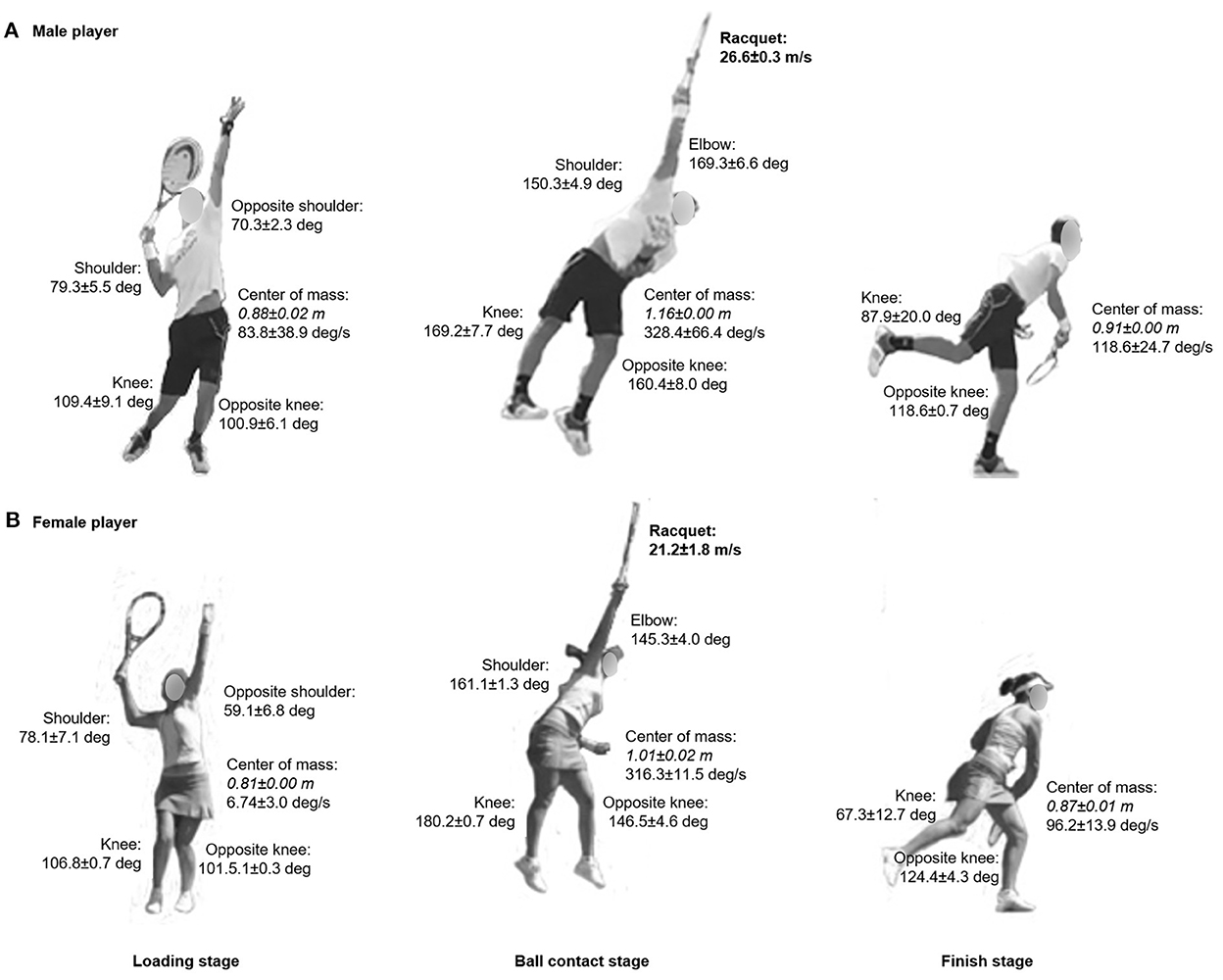
    • Tennis: Random Forest models identified serve strength as a significant predictor of match outcomes, offering insights into key performance indicators .arXiv

    ???? Synthetic Data for Enhanced Modeling

    To address data scarcity, especially in niche sports, synthetic data generation techniques like Tabular Variational Autoencoders (TVAE) are being explored. These methods enable the creation of realistic datasets, facilitating robust ML model training and performance prediction .Frontiers+1PMC+1


    ???? Future Directions

    The convergence of ML with wearable technology, real-time data analytics, and personalized training platforms is paving the way for more dynamic and individualized athlete development. As data collection becomes more sophisticated, the potential for ML to revolutionize sports performance forecasting continues to expand.

  • Neftaly Machine learning algorithms predicting athlete hydration needs

    Neftaly Machine learning algorithms predicting athlete hydration needs

    https://www.mdpi.com/sensors/sensors-21-04469/article_deploy/html/images/sensors-21-04469-g001.png
    https://media.springernature.com/lw1200/springer-static/image/art%3A10.1038%2Fs41598-022-21869-y/MediaObjects/41598_2022_21869_Fig3_HTML.png
    https://i1.rgstatic.net/publication/361535030_Predicting_hydration_status_using_machine_learning_models_from_physiological_and_sweat_biomarkers_during_endurance_exercise_a_single_case_study/links/64bb97f0b9ed6874a5390f0a/largepreview.png
    https://pub.mdpi-res.com/nutrients/nutrients-16-00017/article_deploy/html/images/nutrients-16-00017-g001.png?1703063347=

    Neftaly: Machine Learning Algorithms Predicting Athlete Hydration Needs

    Neftaly leverages advanced machine learning (ML) algorithms to personalize hydration strategies for athletes, optimizing performance and recovery. By analyzing physiological and environmental data, Neftaly’s system provides real-time hydration recommendations tailored to individual needs.


    ???? Personalized Hydration Predictions

    Neftaly’s ML models utilize data from wearable sensors and environmental inputs to predict an athlete’s hydration status. For instance, a study by Shu Wang et al. employed machine learning to forecast hydration status using physiological and sweat biomarkers during endurance exercise. The study found that models trained on sweat sodium concentration collected from the arms yielded slightly better accuracy compared to other body regions .ResearchGate+2PubMed+2Zora+2ResearchGate


    ???? Data-Driven Insights

    The system analyzes various factors, including heart rate, core temperature, and sweat composition, to assess hydration levels. By processing this data, Neftaly’s ML algorithms can predict the optimal amount of fluid intake required to maintain peak performance and prevent dehydration-related impairments.ResearchGate


    ???? Real-Time Feedback

    Integrated with wearable devices, Neftaly provides athletes with real-time hydration feedback during training sessions. This immediate information allows for timely adjustments, ensuring that athletes stay within their optimal hydration range, thereby enhancing endurance and cognitive function.


    ???? Continuous Learning and Adaptation

    Neftaly’s ML models continuously learn from new data, adapting to changes in an athlete’s physiology and environmental conditions. This dynamic approach ensures that hydration strategies remain effective over time, accommodating variations in training intensity, climate, and individual health status.


    ???? Benefits for Athletes

    • Enhanced Performance: Maintaining optimal hydration levels helps sustain energy, strength, and focus during activities.
    • Reduced Risk of Dehydration: Proactive hydration management minimizes the likelihood of dehydration-related issues such as fatigue and heat stress.
    • Tailored Recommendations: Personalized hydration strategies cater to the unique needs of each athlete, considering their specific requirements and conditions.
  • Neftaly Machine learning models forecasting training outcomes and injury risk

    Neftaly Machine learning models forecasting training outcomes and injury risk

    https://thermohuman.com/_next/image?q=75&url=https%3A%2F%2Fcdn.sanity.io%2Fimages%2Fh1t24h0t%2Fproduction%2F6ad82de8c202a065e58353bf681c26648a2b97cd-1080x1080.jpg%3Fw%3D1000%26auto%3Dformat&w=3840
    https://www.researchgate.net/publication/364073040/figure/fig1/AS%3A11431281087543740%401664670005407/Proposed-recurrent-model-for-prediction-and-analysis-of-sports-injuries.jpg
    https://strn.co/l/library/download/urn%3Auuid%3Ae5daa5a0-c384-4bf9-b7fb-07574258d01e/strn_infographic_machine-learning-methods-1.png?height=700&scaleType=4&width=700
    https://www.researchgate.net/publication/334203598/figure/fig2/AS%3A776566871179264%401562159378374/AI-for-predicting-injury-risk-in-various-sports.png

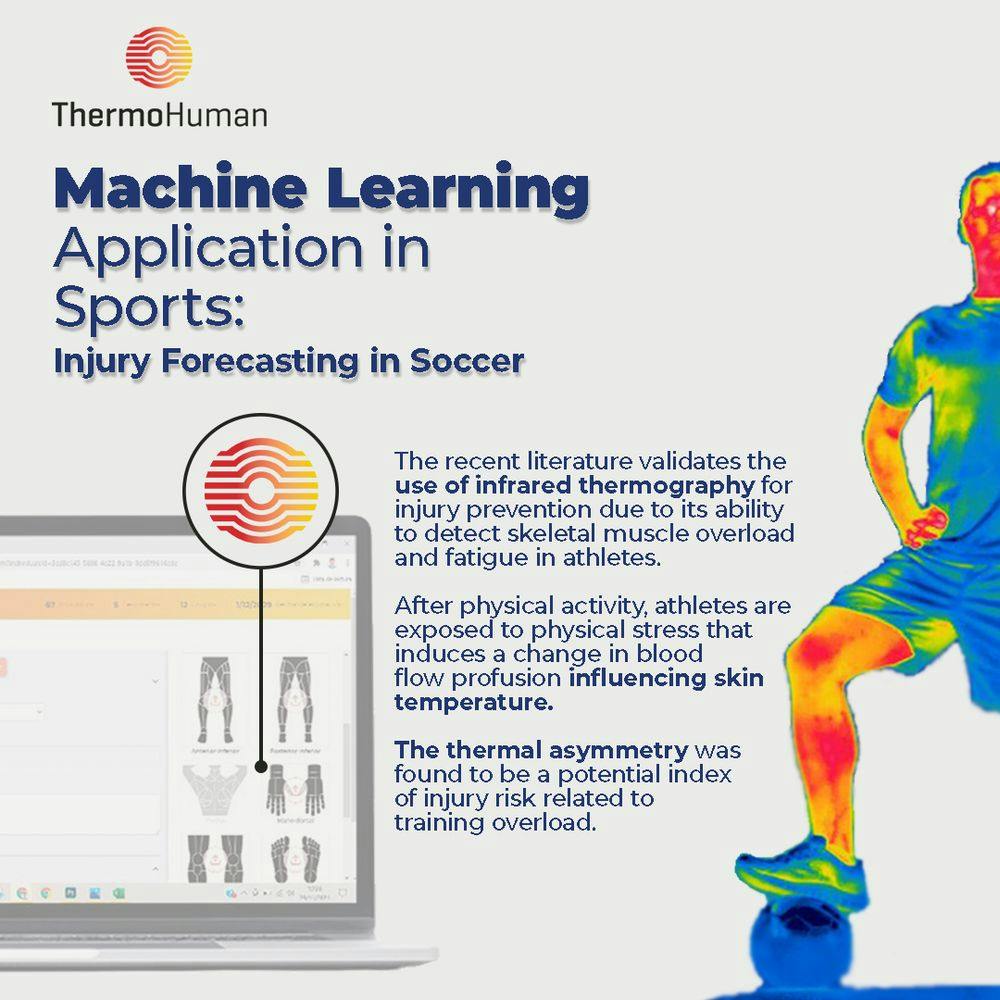
    Integrating machine learning (ML) into Neftaly can significantly enhance the ability to forecast athlete training outcomes and assess injury risks. By analyzing data from wearables, smart equipment, and performance metrics, ML models can provide actionable insights to optimize training regimens and prevent injuries.


    ???? Machine Learning Models in Sports Performance and Injury Prediction

    1. Predictive Accuracy and Early Warning Systems

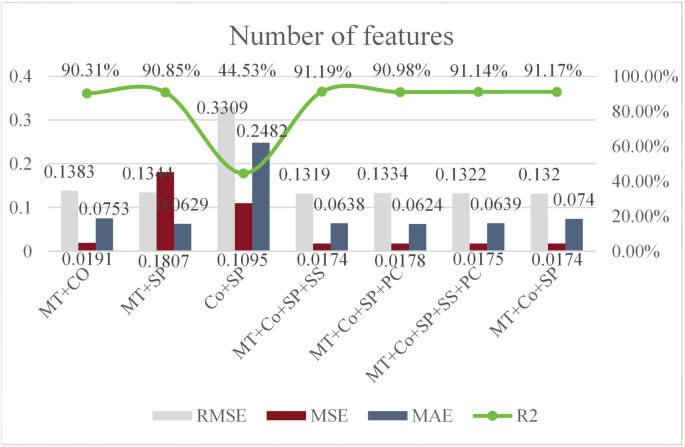
    Recent studies have demonstrated that deep learning models, such as Long Short-Term Memory (LSTM) networks, achieve high accuracy in predicting sports injuries. For instance, an LSTM model achieved an accuracy of 91.5% in forecasting injuries, outperforming other models like Random Forests and Support Vector Machines .ScienceDirect+2ResearchGate+2SIN-CHN Scientific Press+2ScienceDirect

    Moreover, the IPE-DL model, which integrates permutation entropy measures with deep learning, achieved an accuracy of 92%, sensitivity of 89%, and specificity of 94% in predicting sports injuries. This model effectively identifies subtle changes in athletes’ physiological and biomechanical states that precede injuries .ResearchGate+1SIN-CHN Scientific Press+1

    2. Data Sources and Model Inputs

    Effective ML models for injury prediction utilize a combination of data sources, including:

    • Wearable Devices: Collect data on heart rate variability, movement patterns, and fatigue levels.
    • Environmental Conditions: Monitor factors such as temperature, humidity, and field conditions.
    • Training Load Parameters: Assess the intensity, volume, and frequency of training sessions.Taylor & Francis Online+3Sports Tech Research Network+3Sportsmith+3
    • Athlete-Specific Metrics: Include age, injury history, and biomechanical assessments.

    Integrating these diverse data points allows for a comprehensive analysis of injury risk factors and training outcomes.

    3. Challenges and Considerations

    Despite the promising capabilities of ML in sports injury prediction, several challenges remain:SpringerLink

    • Data Quality and Consistency: Ensuring accurate and consistent data collection across different devices and platforms.Frontiers
    • Model Interpretability: Developing models that provide understandable insights for coaches and athletes.
    • Generalization Across Sports: Adapting models to be effective across various sports with different movement patterns and injury profiles.

    Addressing these challenges is crucial for the successful implementation of ML in sports performance and injury prediction.


    ???? Implementing ML Models in Neftaly

    To integrate ML models effectively into Neftaly’s athlete development programs:

    1. Data Integration: Combine data from wearables, smart equipment, and environmental sensors into a centralized platform.PMC
    2. Model Development: Collaborate with data scientists to develop and train ML models tailored to specific sports and athlete profiles.
    3. Real-Time Monitoring: Implement systems that provide real-time feedback to athletes and coaches based on model predictions.
    4. Continuous Improvement: Regularly update models with new data to improve accuracy and adapt to evolving training conditions.
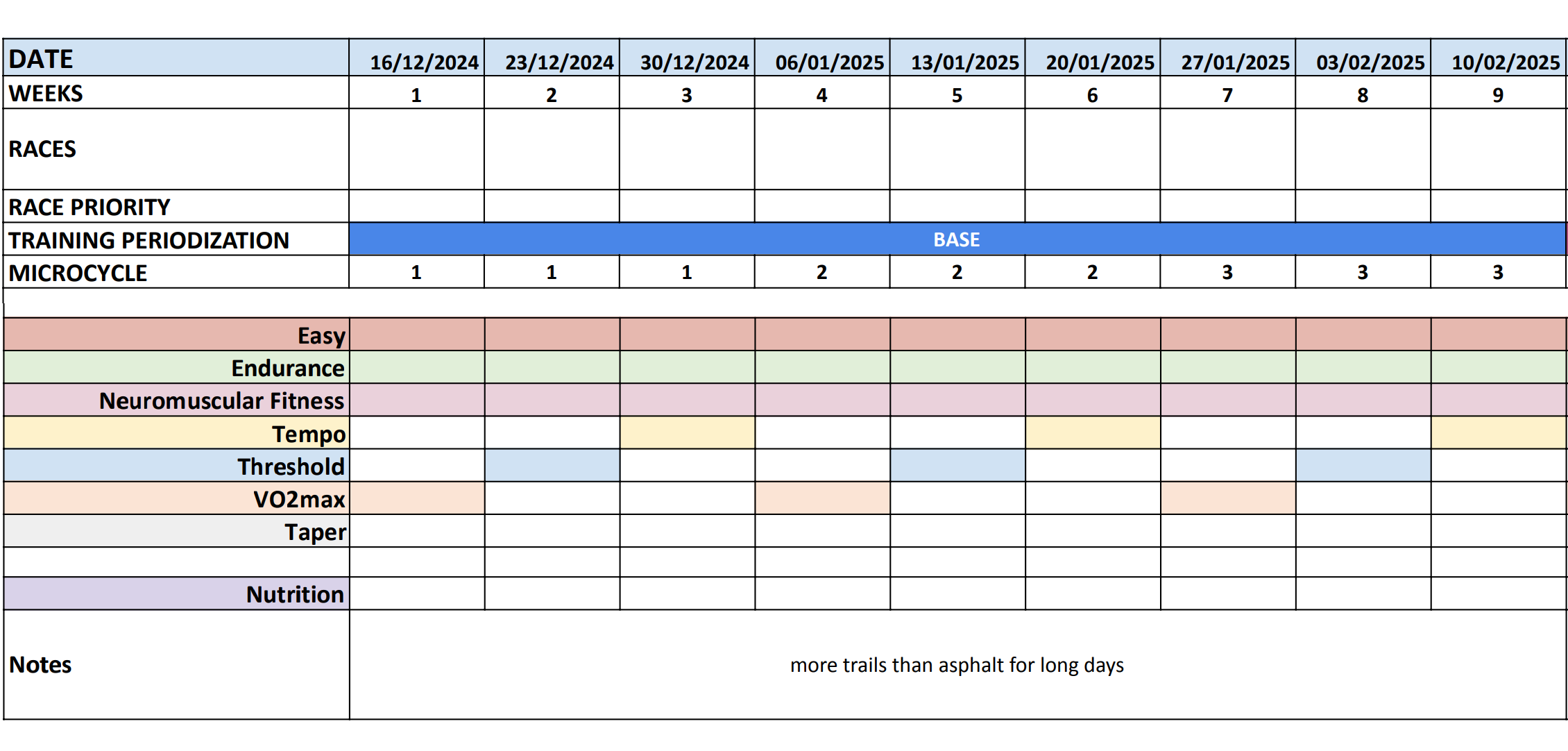
  • Neftaly Machine learning in optimizing training periodization

    Neftaly Machine learning in optimizing training periodization

    https://images.ctfassets.net/qw8ps43tg2ux/3W4lHc8bUmO2IicLSuFfQy/4f6b3b177d1f188b0f360ef754d3d175/Blog_Charts-_Periodization-12.jpg?q=75&w=1440
    https://substackcdn.com/image/fetch/%24s_%21ObOM%21%2Cf_auto%2Cq_auto%3Agood%2Cfl_progressive%3Asteep/https%3A%2F%2Fsubstack-post-media.s3.amazonaws.com%2Fpublic%2Fimages%2Fc6f53ae4-92d8-4334-b4ce-a0851ba6d17a_2260x1082.png
    https://library.fiveable.me/_next/image?q=75&url=https%3A%2F%2Fstorage.googleapis.com%2Fstatic.prod.fiveable.me%2Fsearch-images%252F%2522Periodization_in_sports_medicine_definition_purpose_systematic_planning_athletic_training_peak_performance_image%2522-fspor-01-00061-g001.jpg&w=1080
    https://breakingmuscle.com//wp-content/uploads/sites/34/2014/11/traditional-periodization-model2.jpg

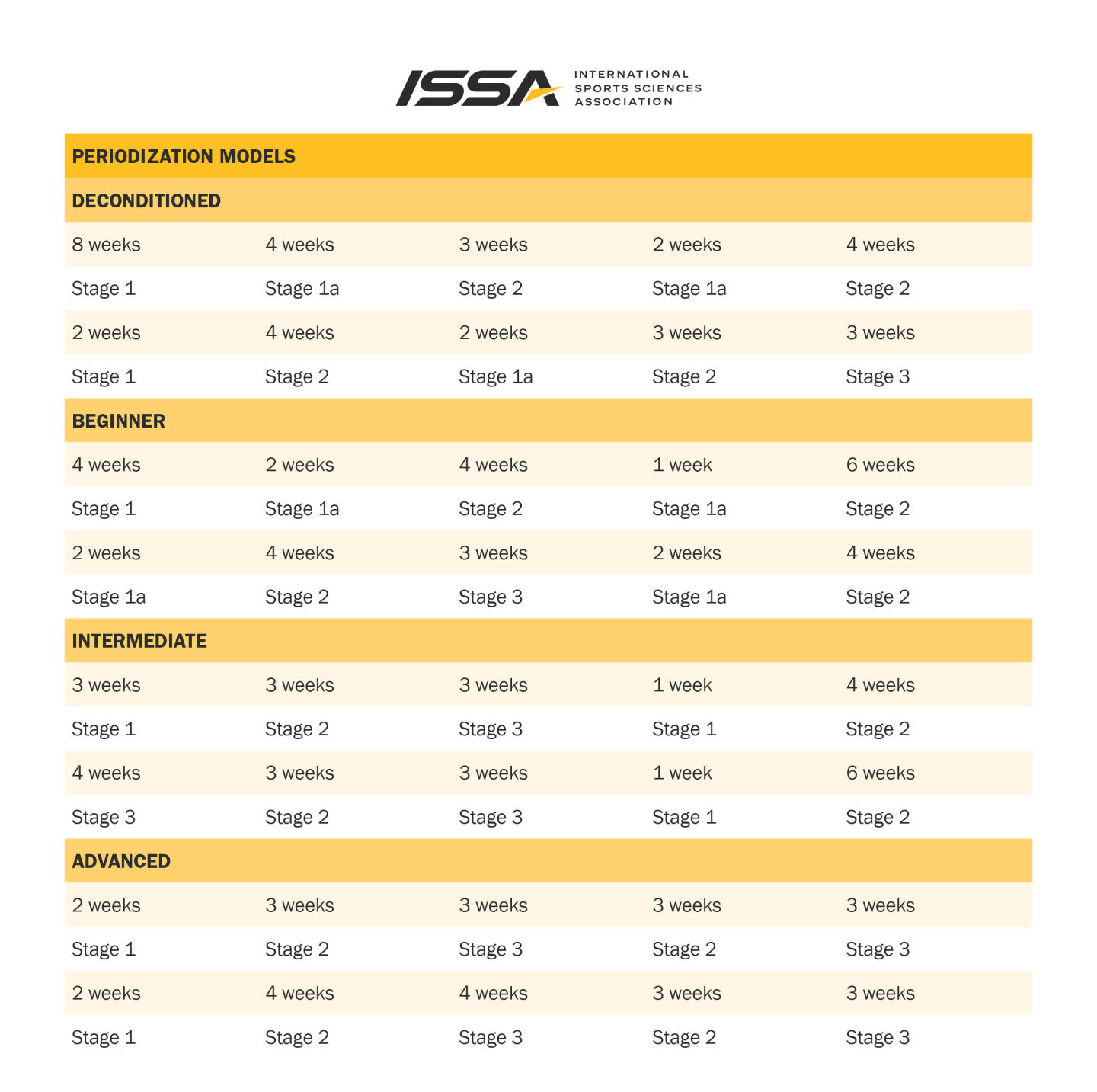
    Machine learning (ML) is revolutionizing the optimization of training periodization by enabling data-driven, individualized approaches that enhance performance and minimize injury risk. Here’s how ML is transforming training strategies:


    ???? ML-Driven Periodization Optimization

    Recent studies have introduced innovative methodologies to refine training periodization using ML:ResearchGate

    • Optimized Adjustment Evolutionary Computing Feature Selection (OA-EC-FS): This technique identifies critical features—such as physiological, psychological, and biomechanical data—that influence training outcomes. By selecting relevant features, coaches can tailor training programs to individual athletes’ needs, enhancing performance and reducing injury risk. ResearchGate
    • Enhanced Adaptive Rough Decision Optimization (EARDO): EARDO combines adaptive rough set theory to evaluate and rank periodization strategies. It considers performance metrics and psychological factors, providing a comprehensive model for selecting optimal training plans that balance performance enhancement and injury prevention. Informatica

    ???? Personalized Training Programs

    ML algorithms analyze vast datasets—encompassing training loads, biomechanical metrics, and recovery patterns—to develop personalized training regimens. These programs adapt in real-time, adjusting variables like intensity, volume, and recovery periods based on individual responses, thereby optimizing performance outcomes. ISSA Online+1ISSA Online+1


    ⚠️ Injury Risk Management

    By monitoring training loads and biomechanical data, ML models can predict injury risks, allowing for timely interventions. For instance, systems like Sparta Science utilize force plate data analyzed through ML to identify movement imbalances, enabling the creation of personalized corrective programs to prevent injuries. WIRED


    ???? Cognitive Load and Fatigue Monitoring

    Advanced ML models also incorporate psychological factors such as mental fatigue and stress into training periodization. By integrating these elements, training plans can be adjusted to account for cognitive load, ensuring a balanced approach that promotes both physical and mental well-being. Informatica


    ???? Practical Applications

    Incorporating ML into training periodization allows for:

    • Dynamic Adjustments: Real-time modifications to training plans based on ongoing performance data.
    • Holistic Athlete Profiles: Comprehensive assessments that include physiological, biomechanical, and psychological data.
    • Enhanced Recovery Strategies: Tailored recovery protocols that consider individual needs and stress levels.
    • Injury Prevention: Proactive identification of potential injury risks through predictive modeling.
  • Neftaly Machine learning in injury risk assessment and prevention

    Neftaly Machine learning in injury risk assessment and prevention

    ???? Why ML Matters in Injury Prevention

    ML models can analyze complex, multidimensional data—anthropometrics, neuromuscular screening, movement asymmetries, training load, wellness metrics—to identify subtle injury-risk patterns that traditional assessments may overlook. While no model can predict injury with 100% certainty, evidence shows ML offers real-world value by guiding targeted preventive measures.SpringerOpen+8PMC+8Reddit+8PubMed


    ???? Key Research Findings in Youth Sport Settings

    Elite Youth Football (Soccer) Models

    A study of 734 elite Belgian youth football players (U10–U15) used XGBoost models trained on preseason physical and coordination measures. It predicted injury occurrence with ~85% accuracy, recall, and precision—and also differentiated between overuse and acute injuries with ~78% accuracy.PubMed

    Neuromuscular Screening Integration

    In a cohort of 355 male youth football players aged 10–18, a decision-tree ML model leveraged measures such as single-leg jump asymmetry, knee valgus, and balance tests. This model delivered superior sensitivity (≈56%) and balanced specificity (~74%) compared to logistic regression.PubMed

    Broader Youth Samples in Team Sports

    Random forest models applied to 314 young basketball and floorball athletes identified consistent predictors like BMI, flexibility, knee laxity, and joint kinematics. The models achieved moderate predictive power (AUC ≈ 0.63–0.65) but reliably highlighted important variable associations.PubMed+13PubMed+13Reddit+13

    Screening in Non-Elite Youth Soccer

    A screening model using six simple field-based tests (e.g. knee asymmetry during drops, range-of-motion, BMI) achieved AUC ≈ 0.70, with a true positive rate of ~54% and true negative rate of ~74%. These measures are easy to incorporate into regular training protocols.ScienceDirect


    ???? Common ML Techniques & Risk Drivers

    • Tree‑based models (Random Forest, XGBoost) dominate injury prediction research—offering interpretability, feature importance ranking, and strong performance. Logistic regression sometimes matches performance on smaller datasets.PubMedPMC
    • Key shared risk factors: previous injury, biological size, strength/flexibility imbalances, movement asymmetries, high training load, and neuromuscular control deficits.SpringerOpenPMC
    • Data quality matters: small sample sizes, inconsistent injury definitions, and dataset leakage remain challenges; rigorous validation methods like stratified cross-validation are essential.SpringerOpen

    ???? What This Means for Neftaly

    1. Integrated Risk Profiling

    Combine preseason screenings (anthropometrics, balance, mobility), training load data, wearable sensor inputs (e.g. biomechanics or wellness), and injury history to feed into ML models.

    2. Build Sport- & Age-Specific Models

    Use tree‑based algorithms to tailor models for different age groups or sports, enabling prediction of risk for overuse vs acute injuries and guiding preventative programming.

    3. Targeted Interventions

    Identify personalized risk profiles, then implement focused strength, flexibility, or movement-control programs—for example addressing knee valgus or leg asymmetries as flagged by the model.

    4. Educate Users

    Present features with interpretability tools like SHAP or decision tree outputs to coaches and athletes—ensuring transparency of why risk is elevated and what actions to take.

    5. Continuous Validation & Refinement

    Update models regularly with fresh data, assess performance metrics (AUC, precision/recall), and align with real-world outcomes to enhance predictive reliability.


    ???? Sample Program Blueprint

    PhaseActionExpected Benefit
    Preseason TestingConduct neuromuscular & anthropometric screeningEstablish risk baselines via ML identification
    In-Season MonitoringTrack training load, movement asymmetry, wellness metricsUpdate risk predictions dynamically
    Coach DashboardVisualize athlete risk profiles and contributing factorsEnable proactive load adjustment and corrective drills
    InterventionsIntroduce neuromuscular, flexibility, and recovery protocolsReduce likelihood of high-risk movement patterns
    ReassessmentMid- and post-season reevaluationMonitor risk changes and refine model accuracy

    ⚠️ Caveats & Best Practices

    • Injury prediction is inherently probabilistic—no deterministic outcome. Models should supplement, not replace, professional judgment and clinical assessment.PubMedBioMed Central
    • Ethical use requires transparent communication with athletes and guardians, particularly when using predictive risk data.
    • Ensure definitions of injury are consistent; team context and psychosocial variables (like stress/fatigue) should be interpreted alongside model outputs.PubMedreuters.com
  • Neftaly Machine learning models forecasting athlete fatigue and recovery

    Neftaly Machine learning models forecasting athlete fatigue and recovery

    Neftaly Machine Learning Models: Forecasting Athlete Fatigue and Recovery

    Neftaly’s advanced machine learning models offer a cutting-edge approach to forecasting athlete fatigue and optimizing recovery. By integrating real-time biometric data, training loads, and recovery metrics, these models provide personalized insights that empower coaches and athletes to make informed decisions, enhancing performance and reducing injury risks.

    Key Features:

    • Comprehensive Data Integration: Incorporates diverse data sources, including heart rate variability (HRV), sleep patterns, training intensity, and subjective well-being, to assess an athlete’s fatigue levels and recovery status. PMC
    • Predictive Analytics: Utilizes machine learning algorithms to forecast potential fatigue onset before physical symptoms manifest, allowing for timely interventions and adjustments to training regimens. PMC
    • Personalized Recovery Plans: Generates individualized recovery strategies based on predictive analytics, optimizing rest periods and training loads to enhance performance outcomes.Wikipedia+1SpringerLink+1
    • Real-Time Monitoring: Employs real-time data processing to monitor fatigue levels continuously, enabling immediate adjustments to training and recovery protocols. SpringerLink

    Benefits:

    • Injury Prevention: By forecasting fatigue levels and recovery needs, the system helps in reducing the risk of overtraining and related injuries.
    • Optimized Performance: Tailored recovery plans ensure athletes are well-rested and prepared, leading to improved performance metrics.
    • Data-Driven Decisions: Coaches and trainers can make informed decisions based on predictive analytics, enhancing the effectiveness of training programs.
    • Enhanced Athlete Well-being: Continuous monitoring and personalized recovery strategies contribute to the overall health and well-being of athletes.

    Applications:

    • Professional Sports Teams: Implementing machine learning models to monitor and manage athlete fatigue, ensuring peak performance during competitions.
    • Individual Athletes: Utilizing predictive analytics to tailor personal training and recovery schedules, optimizing individual performance.
    • Sports Medicine Clinics: Adopting data-driven approaches to assess and manage athlete recovery, aiding in rehabilitation and injury prevention.