???? Key ML Techniques for Training Analysis
1. Supervised Learning Models
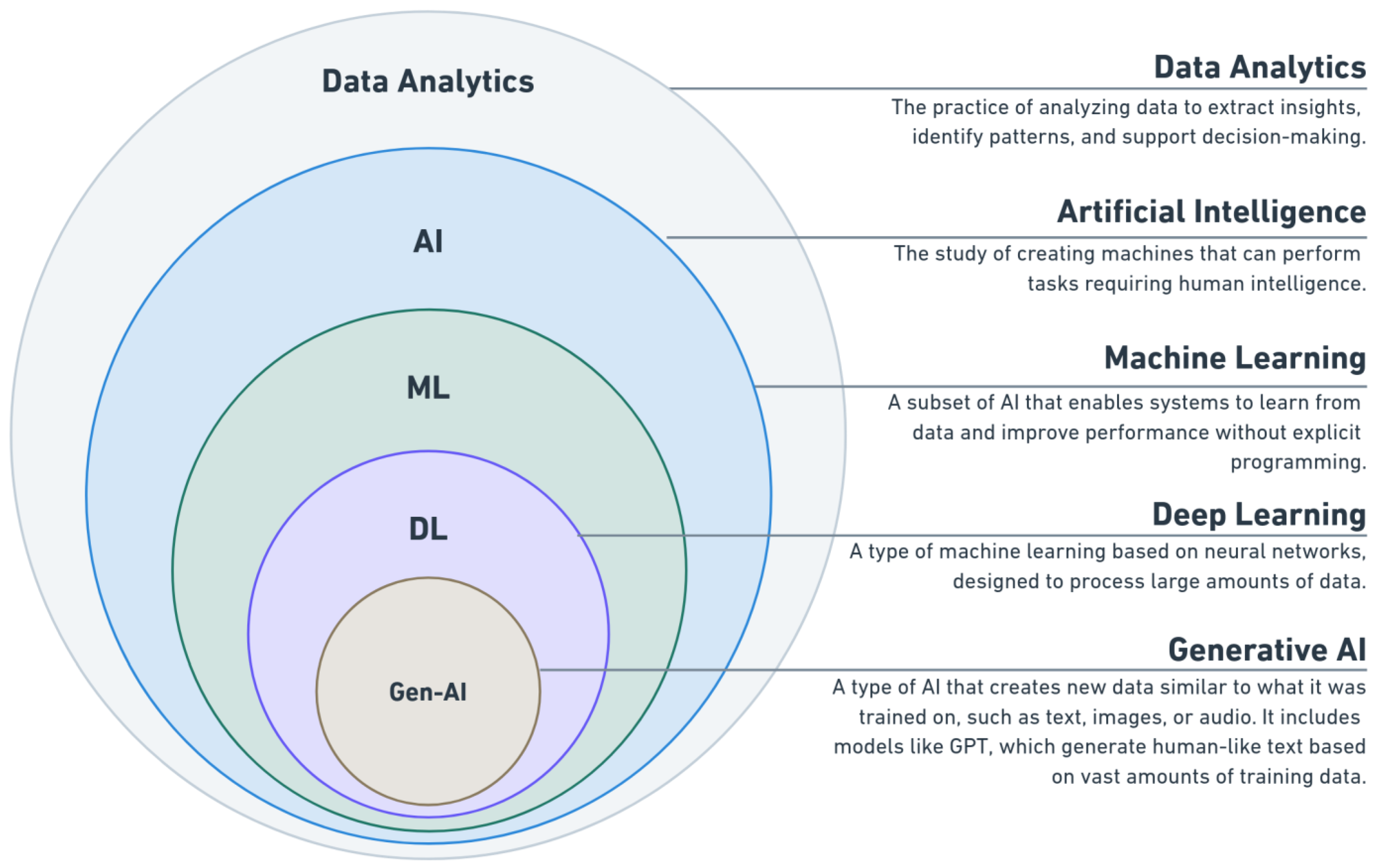
Algorithms such as Support Vector Machines (SVM), Random Forest, and Gradient Boosting Regressors (GBR) are utilized to predict outcomes like fatigue levels, readiness to perform, and recovery status. For instance, SVM has been applied to evaluate student sports training efficiency, achieving high accuracy in performance prediction .ResearchGate+1arXiv+1
2. Deep Learning Approaches
Deep learning models, including neural networks, are employed to analyze complex patterns in training data, such as movement biomechanics and physiological responses. These models can detect subtle indicators of performance decline or overtraining .
3. Synthetic Data Generation
To overcome limitations in real-world data, synthetic datasets are generated using models like Tabular Variational Autoencoders (TVAE). These synthetic datasets help in predicting performance attenuation and optimizing training loads, especially in sports with limited data availability .Frontiers
???? Applications in Training Efficacy
- Performance Prediction: ML models analyze historical and real-time data to forecast an athlete’s performance, identifying factors that contribute to peak performance and potential declines .Catapult+2Human Kinetics Journals+2ResearchGate+2
- Personalized Training Plans: By assessing individual strengths and weaknesses, ML algorithms recommend tailored exercises and training routines, enhancing training efficiency .Catapult+1Nature+1
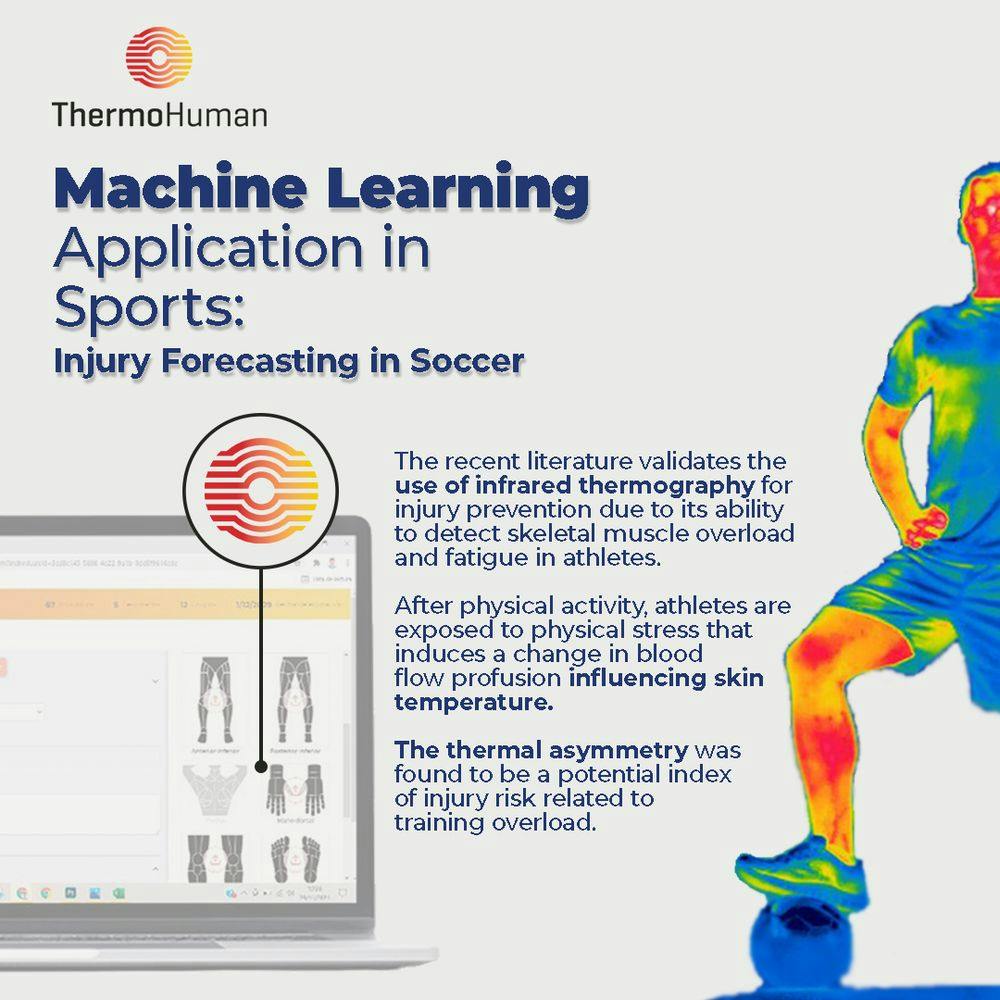
- Injury Risk Assessment: ML models evaluate biomechanical data and training loads to predict injury risks, enabling proactive adjustments to training programs .Catapult+1PMC+1
- Fatigue Monitoring: Algorithms analyze movement patterns and physiological data to assess fatigue levels, helping in determining optimal rest periods and preventing overtraining .
???? Integration with Wearables and Data Platforms
Neftaly integrates ML algorithms with wearable technologies and data platforms to provide real-time feedback. This integration allows for continuous monitoring of training efficacy, enabling immediate adjustments to training loads and recovery strategies.