Neftaly Email: sayprobiz@gmail.com Call/WhatsApp: + 27 84 313 7407

Tag: marathon

Neftaly is a Global Solutions Provider working with Individuals, Governments, Corporate Businesses, Municipalities, International Institutions. Neftaly works across various Industries, Sectors providing wide range of solutions.

Neftaly Email: sayprobiz@gmail.com Call/WhatsApp: + 27 84 313 7407

  • Neftaly The history and legacy of the Boston Marathon

    Neftaly The history and legacy of the Boston Marathon

    The History and Legacy of the Boston Marathon

    The Boston Marathon stands as one of the world’s oldest and most prestigious long-distance races, symbolizing endurance, community spirit, and the relentless human drive to overcome challenges.

    1. Origins and Early Years

    Founded in 1897, inspired by the first modern Olympic marathon, the Boston Marathon began as a modest race with just 15 participants and has grown into a global sporting event.

    2. A Race for All

    From its early days, the marathon has evolved to embrace diversity, welcoming elite athletes, amateurs, and wheelchair racers alike, fostering inclusivity in sports.

    3. Iconic Course and Traditions

    The course’s challenging terrain, including the infamous Heartbreak Hill, and traditions like Patriots’ Day timing make the Boston Marathon uniquely demanding and celebrated.

    4. Moments of Triumph and Resilience

    The race has witnessed remarkable victories and stories of perseverance, including the inspiring response and solidarity following the 2013 bombing tragedy.

    5. Global Impact and Legacy

    Beyond competition, the Boston Marathon has become a symbol of community strength, charity fundraising, and the universal spirit of athletic pursuit.


    At Neftaly, we honor the Boston Marathon as a historic event that continues to inspire runners and communities worldwide.
  • Neftaly The history and evolution of the marathon

    Neftaly The history and evolution of the marathon

    Neftaly: The History and Evolution of the Marathon

    The marathon, a race of endurance and determination, has a rich history that intertwines legend, sport, and human spirit. Here’s an overview of its origins and development:


    ????️ Origins in Ancient Greece

    The term “marathon” is derived from the ancient Greek city of Marathon, where a pivotal battle occurred in 490 BC. According to legend, a Greek messenger named Pheidippides ran from the battlefield to Athens, approximately 40 kilometers (25 miles) away, to announce the Greek victory over the Persians. Upon delivering the message, he is said to have collapsed and died. However, historical accounts suggest that Pheidippides may have run different distances and routes, including a 240 km journey to Sparta to seek assistance before the battle .Wikipedia+3cismeurope.org+3www.exoticca.com+3Marathon Handbook+8Wikipedia+8www.exoticca.com+8www.exoticca.com+1


    ????‍♂️ Revival in the Modern Olympics

    The modern marathon was introduced at the inaugural modern Olympic Games in Athens in 1896. The race was held to commemorate the ancient Greek tradition and was approximately 40 kilometers long. Greek runner Spyridon Louis won the event, completing the distance in 2 hours, 58 minutes, and 50 seconds .INEOS 1:59 CHALLENGE+1www.exoticca.com+2Wikipedia+2


    ???? Standardization of the Distance

    Initially, marathon distances varied. The 1908 London Olympics played a significant role in standardizing the marathon distance. The race was extended to 26 miles and 385 yards (42.195 kilometers) to accommodate the British royal family’s request for the race to start at Windsor Castle and finish in front of the royal box at the stadium. This distance was later adopted as the standard for marathons worldwide .Wikipedia+4TIME+4The Guardian+4The Guardian+3Wikipedia+3Wikipedia+3


    ????‍???? Inclusion of Women

    Women were initially excluded from the marathon. The first woman to officially run the Boston Marathon was Kathrine Switzer in 1967, though Roberta Gibb had run the race unofficially in previous years. Switzer’s participation challenged gender norms and paved the way for greater inclusion of women in long-distance running.TIME


    ???? Global Popularity

    Today, marathons are held in cities around the world, attracting participants of all abilities. The Boston Marathon, established in 1897, is the oldest annual marathon, while the New York City Marathon, London Marathon, and Berlin Marathon are among the most prestigious. These events celebrate human perseverance and the universal appeal of the marathon challenge.Wikipedia


    ???? Evolution of Records

    The marathon world record has seen gradual improvements over the years. In 2019, Eliud Kipchoge of Kenya became the first person to run a marathon in under two hours, completing a special event in Vienna in 1:59:40. However, this time was not recognized as an official world record due to the controlled conditions. The official men’s world record stands at 2:01:39, set by Kipchoge in the 2018 Berlin Marathon .stories.strava.c

  • Neftaly Training techniques for marathon runners

    Neftaly Training techniques for marathon runners

    https://images.contentstack.io/v3/assets/bltd427b71c2e191abd/bltfb20943a7313d76d/6578295a45a05055e787c7bb/tips-for-running-a-marathon.png?format=webp&quality=80
    https://images.ctfassets.net/7ajcefednbt4/5f4HRFfCpKsw32fe3ymAao/c965628ccb0ed56a07c401a1921fdc25/Table-showing-track-session-exercises-for-a-marathon-race-training-plan..jpg
    https://www.roy-stevenson.com/images/Long-Intervals.jpg
    https://images.squarespace-cdn.com/content/v1/55b7f4ffe4b0a286c4c3499e/84d6fbf5-4a9f-4af6-bd3d-b526c4a3229d/training-for-a-marathon

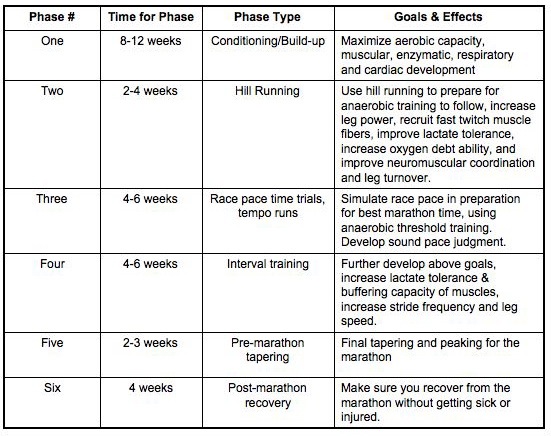
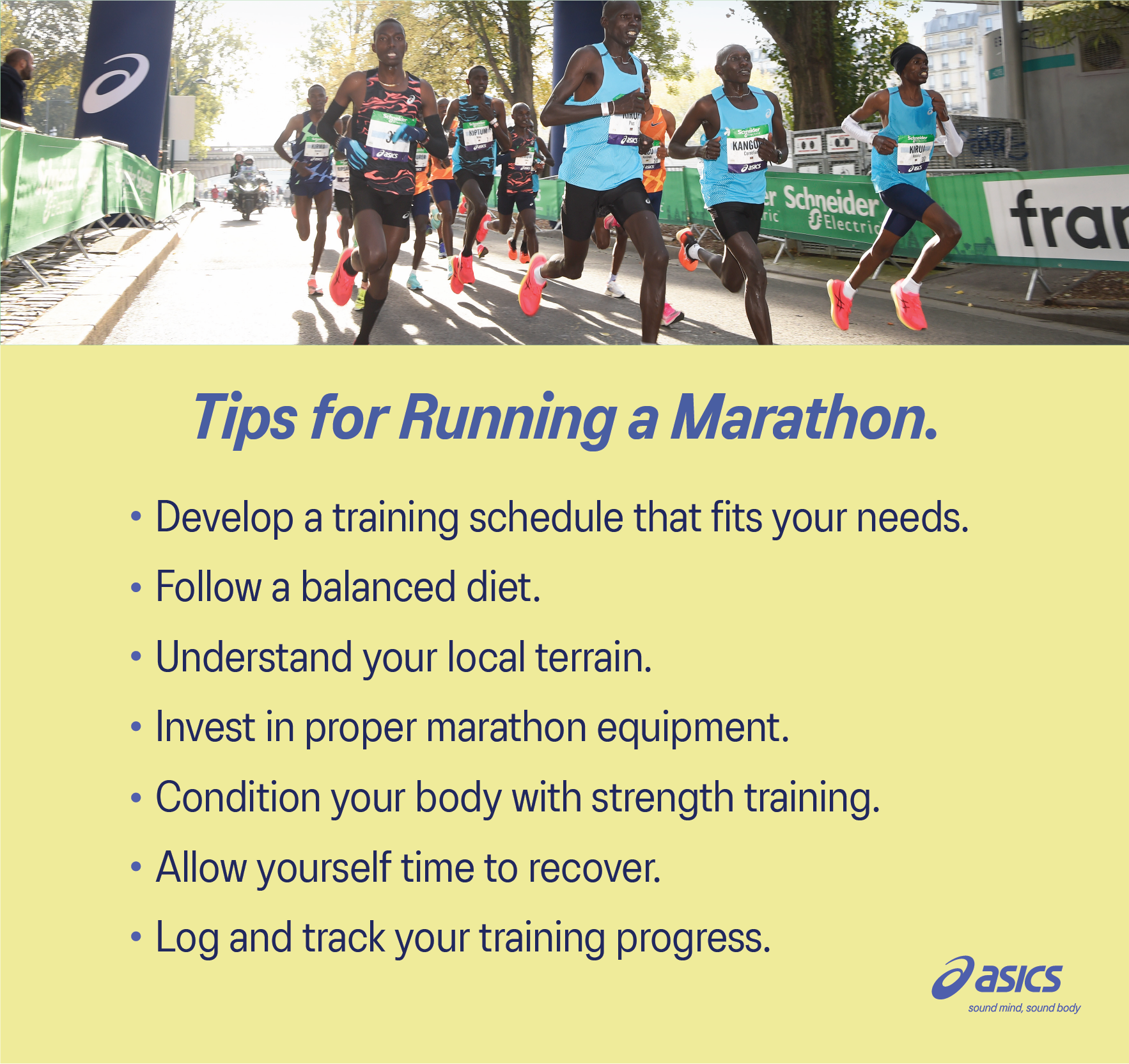
    Training for a marathon requires a structured approach that balances endurance, speed, strength, and recovery. Here’s a comprehensive guide to effective marathon training techniques:


    ????‍♂️ Key Training Components

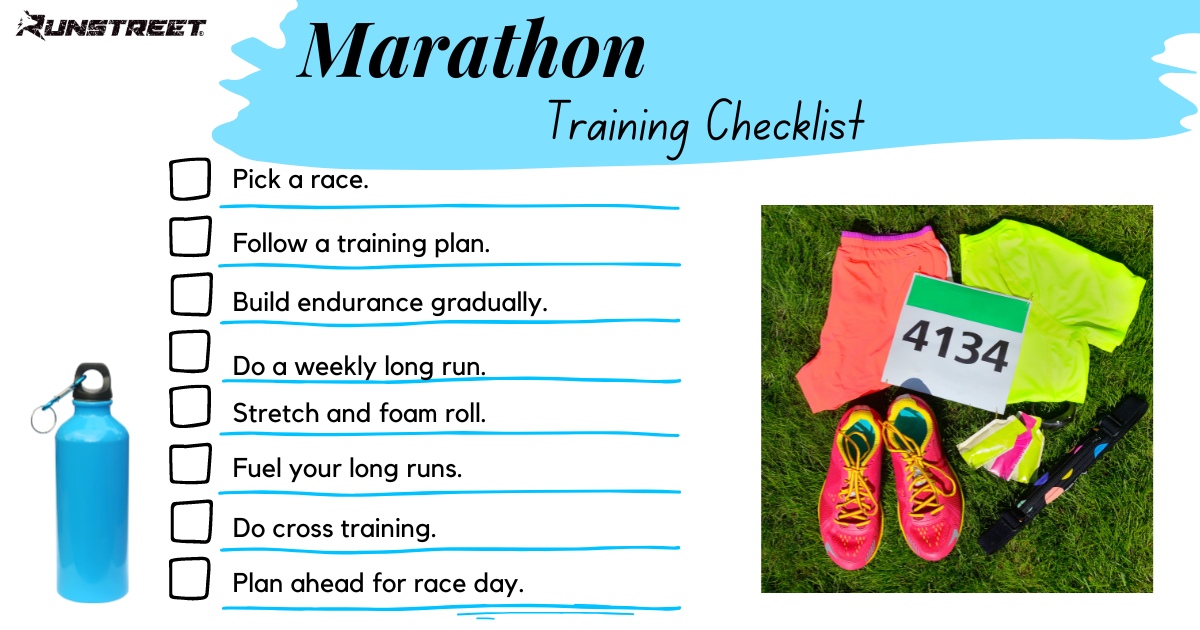
    1. Long Runs: These are the cornerstone of marathon training, building endurance and mental toughness. Aim to gradually increase your long run distance, peaking at 32–35 km about 3 weeks before race day. Incorporate variations like progressive long runs, where you start slower and finish at or near marathon pace, to simulate race conditions. The Long Run Australia+1
    2. Tempo Runs: These runs improve your lactate threshold, allowing you to run faster without accumulating fatigue. Perform tempo runs at a pace slightly slower than your 10K race pace, focusing on maintaining a steady effort. Aim for 8–12 km at this pace during your training. The Long Run Australia+1
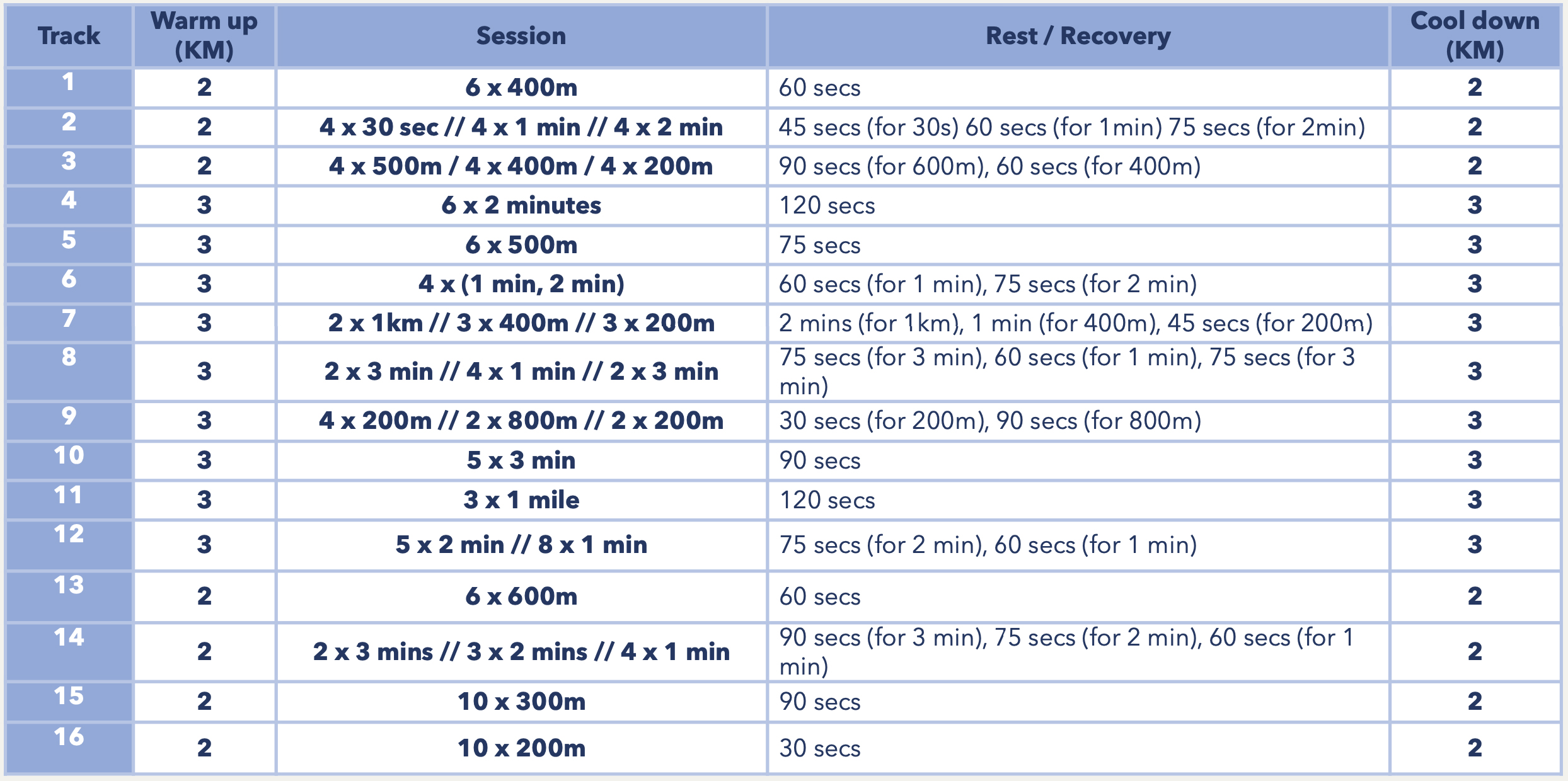
    3. Interval Training: Incorporate high-intensity intervals to boost speed and aerobic capacity. Sessions like 4–5 x 1,200 meters at a challenging pace with short recoveries can enhance your ability to handle faster paces. TrainingPeaks
    4. Hill Workouts: Running hills strengthens muscles and improves running economy. Include hill repeats, such as 8 x 800 meters uphill at a strong effort, to build strength and power. Runners Connect –
    5. Strength Training: Incorporate exercises like squats, lunges, deadlifts, and calf raises to strengthen key muscle groups, enhancing running efficiency and reducing injury risk. Onward Physical Therapy

    ???? Recovery and Flexibility

    • Stretching: Regular stretching, including poses like the pyramid stretch, can alleviate tight hamstrings and improve flexibility. Tom’s Guide
    • Tapering: Reduce training volume in the final 2–3 weeks before the marathon to allow your body to recover and perform optimally on race day.

    ???? Sample Weekly Training Plan

    DayWorkout Type
    MondayRest or Cross-Training
    TuesdayInterval Training
    WednesdayEasy Run + Strength Training
    ThursdayTempo Run
    FridayRest
    SaturdayLong Run
    SundayRecovery Run

    ???? Race Day Preparation

    • Nutrition: Practice your race-day nutrition strategy during long runs, including hydration and energy gels.
    • Gear: Test your race-day gear, including shoes and clothing, to ensure comfort and prevent issues.
    • Mental Strategy: Visualize the race course and plan your pacing strategy to maintain a steady effort throughout.

    By following a structured training plan that includes these components, you’ll be well-prepared to tackle the marathon distance. Remember to listen to your body, prioritize recovery, and stay consistent with your training. For a detailed training plan, consider resources like Hal Higdon’s Marathon Training Plans.

  • Neftaly The significance of marathon running in global culture

    Neftaly The significance of marathon running in global culture

    The Significance of Marathon Running in Global Culture

    Marathon running has evolved from its historical origins to become a symbol of endurance, determination, and community, holding deep significance across cultures worldwide.

    Historical roots: The modern marathon traces back to the ancient Greek legend of Pheidippides, who ran from Marathon to Athens to deliver news of victory. This story inspired the inclusion of the marathon in the first modern Olympic Games in 1896.

    Personal challenge and achievement: Completing a marathon represents a major physical and mental accomplishment. Participants worldwide embrace marathons as personal goals, milestones, and tests of perseverance.

    Community and social impact: Marathons foster community engagement, bringing together diverse participants and spectators. They often support charitable causes, raising awareness and funds for social initiatives.

    Global participation and tourism: Iconic marathons in cities like New York, Boston, London, and Tokyo attract elite athletes and recreational runners from across the globe, promoting cultural exchange and international tourism.

    Health and lifestyle influence: Marathon running encourages active lifestyles, physical fitness, and mental resilience. Its popularity has inspired widespread interest in long-distance running, training programs, and recreational races.

    Symbolic significance: Beyond sport, marathons embody human resilience, discipline, and the pursuit of excellence. They celebrate the spirit of challenge and achievement, resonating with people of all ages and backgrounds.

    In summary, marathon running holds cultural, social, and personal significance worldwide. It unites communities, promotes health and perseverance, and symbolizes the enduring human quest for accomplishment and resilience.

  • Neftaly How climate impacts marathon running

    Neftaly How climate impacts marathon running

    How Climate Impacts Marathon Running

    Climate and weather conditions play a critical role in marathon performance, influencing endurance, safety, and overall race strategy. Understanding these effects is essential for runners, coaches, and race organizers.

    Temperature effects: High temperatures increase the risk of dehydration, heat exhaustion, and heatstroke, while cold temperatures can lead to muscle stiffness, hypothermia, or reduced performance. Optimal marathon temperatures are generally between 10–15°C (50–59°F).

    Humidity and hydration: High humidity impairs the body’s ability to cool through sweat evaporation, increasing fluid loss and the risk of overheating. Runners must adjust hydration strategies accordingly.

    Wind and air resistance: Strong headwinds can increase energy expenditure, slowing runners, while tailwinds can provide an advantage. Crosswinds may affect balance and stability.

    Altitude and oxygen availability: Running at high altitudes reduces oxygen availability, challenging endurance. Runners often acclimate to altitude in training to enhance performance and minimize fatigue.

    Precipitation and terrain conditions: Rain, snow, or ice can affect footing, increase injury risk, and impact pace. Wet conditions may also influence gear selection, such as shoes and clothing.

    Acclimatization and training adjustments: Runners often adapt their training to simulate expected climate conditions, including heat training, altitude exposure, and humidity adaptation.

    Race strategy and pacing: Climate impacts hydration, nutrition, and pacing plans. Experienced runners modify race strategies to account for environmental challenges, optimizing performance and safety.

    In summary, climate significantly affects marathon running by influencing endurance, hydration, safety, and strategy. Awareness and preparation for environmental conditions are crucial for peak performance and minimizing health risks during long-distance races.