Neftaly: Key Strategies Used in Professional Tennis Matches
Professional tennis is a dynamic sport where strategic planning and tactical execution are as crucial as technical skill. Top players meticulously craft their game plans to exploit opponents’ weaknesses, control the tempo of the match, and capitalize on every opportunity. Here are some of the most effective strategies employed by elite players:
1. Serve +1 and Return +1
The opening shot of a point sets the tone for the rally. Players aim to dominate the first two shots—serve and return—to gain an early advantage. A strong serve followed by an aggressive shot (Serve +1) or a powerful return followed by a decisive second shot (Return +1) can put immediate pressure on the opponent. This approach reduces the likelihood of extended rallies and increases the chances of winning the point early.Talk Tennistennisnation.com+1
2. Targeting Opponent’s Weaknesses
Identifying and exploiting an opponent’s weaker side is a fundamental tactic. For instance, directing shots to a player’s backhand, especially if it’s less reliable, can force errors and create openings. Players often observe their opponent’s patterns and adjust their shots accordingly to maximize pressure on the weaker side.
3. Aggressive Patience
This strategy involves maintaining a solid baseline game while waiting for the right moment to attack. Players construct points by patiently rallying and waiting for an opportunity to hit a decisive shot. This approach minimizes unforced errors and capitalizes on the opponent’s mistakes.tennisnation.com+1mytenniscoaching.com
4. Varying Shot Selection
Introducing variety into shot selection—such as mixing up spins, speeds, and angles—can disrupt an opponent’s rhythm. Changing the pace and trajectory of shots forces the opponent to adjust, increasing the likelihood of errors. For example, using drop shots when the opponent is deep behind the baseline can catch them off guard and win points.MouratoglouThe Guardian
5. Court Positioning and Movement
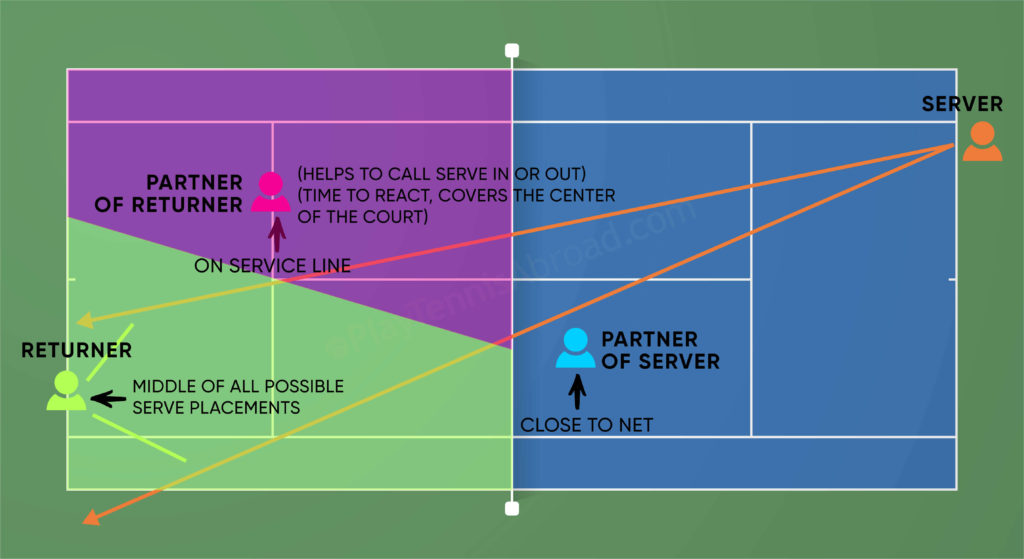
Effective court coverage and positioning are vital for both offense and defense. Players aim to control the center of the baseline, allowing for quick responses to any shot. Good positioning enables players to intercept balls early and dictate the direction of play. Additionally, anticipating the opponent’s next move and adjusting positioning accordingly can lead to more successful outcomes.
6. Mental Resilience and Focus
The mental aspect of tennis is often as important as the physical. Maintaining focus, managing emotions, and staying composed under pressure can determine the outcome of tight matches. Players develop routines and strategies to stay mentally strong, such as focusing on the process rather than the result and using positive self-talk.