Neftaly – Brazilian Jiu-Jitsu: Its Impact on MMA and Self-Defense
This topic explores how Brazilian Jiu-Jitsu (BJJ) revolutionized mixed martial arts (MMA) and self-defense training worldwide. It examines BJJ’s focus on ground fighting, leverage, and submissions, which have become fundamental techniques in MMA competition. The discussion also highlights BJJ’s effectiveness in real-life self-defense scenarios, its role in shaping modern combat sports, and how its philosophy of technique over strength empowers practitioners of all sizes to defend themselves confidently.
Tag: MMA
Neftaly is a Global Solutions Provider working with Individuals, Governments, Corporate Businesses, Municipalities, International Institutions. Neftaly works across various Industries, Sectors providing wide range of solutions.
Neftaly Email: sayprobiz@gmail.com Call/WhatsApp: + 27 84 313 7407

-

Neftaly Brazilian Jiu-Jitsu: Its Impact on MMA and Self-Defense
-
Neftaly The Most Memorable Knockouts in Boxing and MMA


Neftaly — The Most Memorable Knockouts in Boxing and MMA
Knockouts (KOs) are the pinnacle of excitement in combat sports, showcasing a fighter’s precision, power, and timing. From the squared ring to the octagon, certain KOs have etched themselves into the annals of history, leaving fans in awe and analysts in deep discussion. Here’s a curated selection of some of the most unforgettable knockouts in boxing and MMA.
???? Boxing’s Most Iconic Knockouts
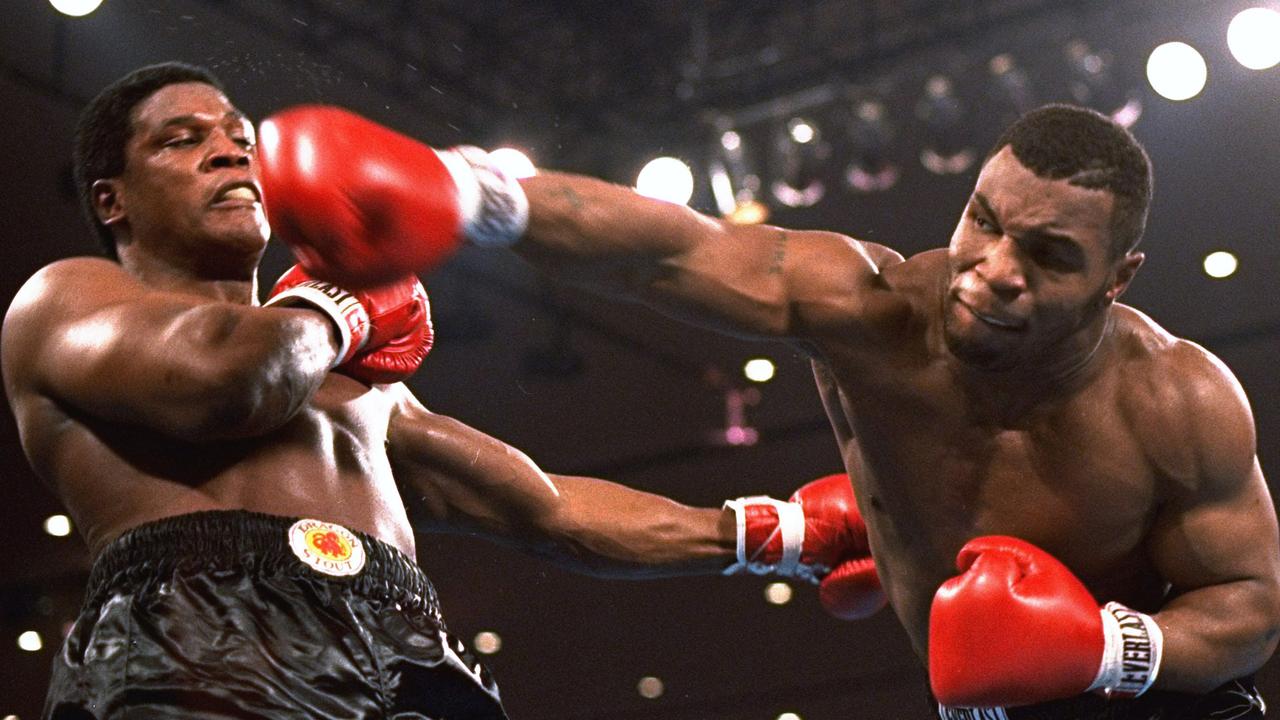
- Mike Tyson vs. Trevor Berbick (1986)
At just 20 years old, Tyson became the youngest heavyweight champion in history by delivering a ferocious TKO to Berbick in the second round. This victory marked the beginning of Tyson’s dominance in the boxing world. - Muhammad Ali vs. Sonny Liston II (1965)
Ali’s “phantom punch” in the first round remains one of the most debated moments in boxing. Liston’s swift fall to the canvas, without a clear visible strike, left fans and commentators questioning the legitimacy of the knockout. - Juan Manuel Márquez vs. Manny Pacquiao IV (2012)
In their fourth bout, Márquez landed a perfectly timed right hand in the sixth round, knocking Pacquiao out cold. This punch not only ended the fight but also concluded one of boxing’s most intense rivalries. - David Benavidez vs. Rogelio Medina (2017)
Benavidez showcased his knockout prowess by delivering a devastating punch that left Medina unable to continue. This victory solidified Benavidez’s reputation as a formidable force in the super middleweight division.
???? MMA’s Most Jaw-Dropping Knockouts
- Jorge Masvidal vs. Ben Askren (2019)
Masvidal’s flying knee just five seconds into the fight set a UFC record for the fastest KO. The brutal finish stunned fans worldwide and remains a highlight in UFC history. - Conor McGregor vs. José Aldo (2015)
McGregor’s 13-second knockout of Aldo at UFC 194 is the fastest in UFC title fight history. Aldo, the reigning featherweight champion, was caught off guard by McGregor’s precision and speed. - Holly Holm vs. Ronda Rousey (2015)
Holm’s head kick in the second round of their bout at UFC 193 shocked the world, ending Rousey’s undefeated streak and establishing Holm as a dominant force in women’s MMA. - Dan Henderson vs. Michael Bisping (2009)
Henderson’s overhand right, followed by a flying forearm, knocked Bisping out cold at UFC 100. The knockout was so powerful that it earned Henderson a $100,000 bonus and is considered one of the greatest in UFC history.
???? Relive the Action
For a visual journey through these iconic knockouts, check out the following highlight reels:
- Greatest Heavyweight Knockouts In Boxing History
- SCARIEST KNOCKOUTS In UFC History ☠️
- 60 Minutes Of INSANE Boxing Knockouts Vol. 2
- 1 HOUR OF THE GREATEST KNOCKOUTS
These knockouts not only highlight the fighters’ skills but also the unpredictable nature of combat sports. Each punch tells a story of preparation, strategy, and the raw intensity that defines boxing and MMA.
- Mike Tyson vs. Trevor Berbick (1986)
-
Neftaly The Growth of Women’s MMA


Neftaly — The Growth of Women’s MMA
Over the past decade, women’s mixed martial arts (MMA) has evolved from a niche segment into a dynamic and integral part of the global combat sports landscape. This transformation is attributed to pioneering athletes, strategic organizational support, and a growing fanbase that appreciates the skill and determination of female fighters.
???? Pioneers and Trailblazers
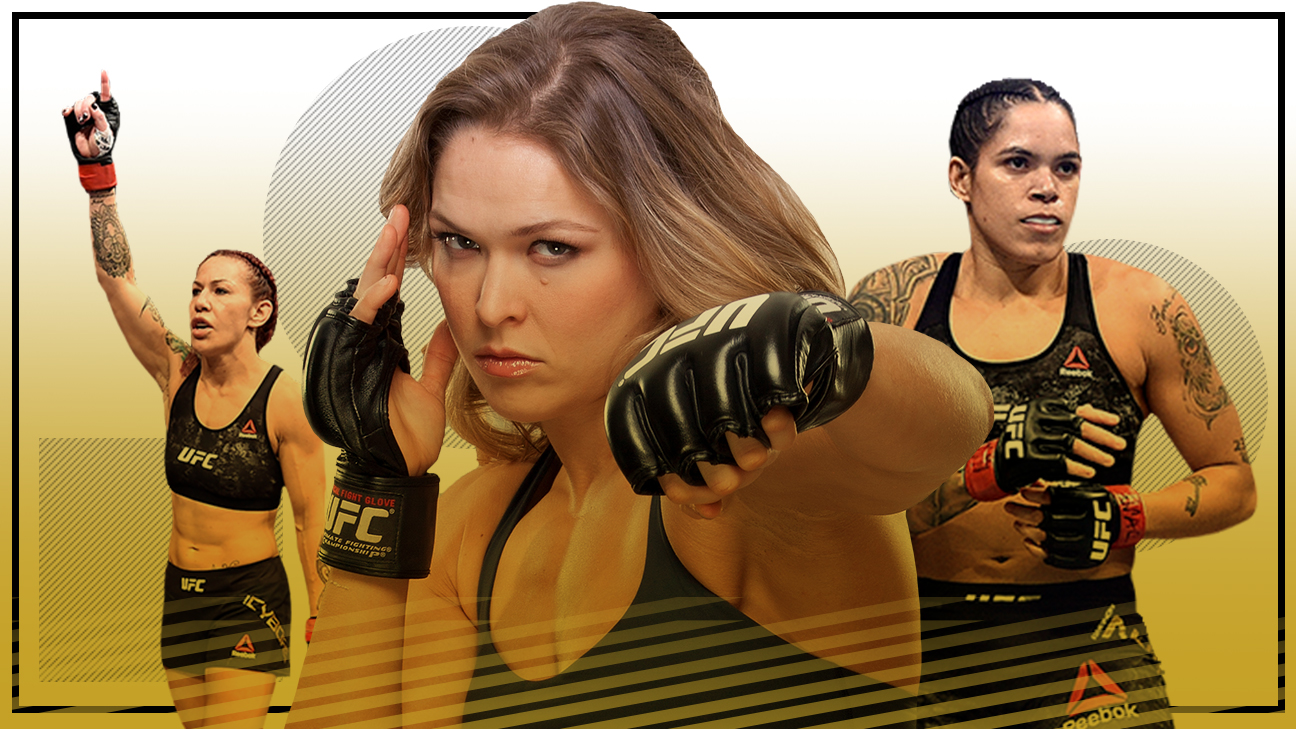
The journey of women’s MMA gained significant momentum with figures like Gina Carano, who showcased the potential of female fighters in promotions such as EliteXC and Strikeforce. However, it was Ronda Rousey who truly brought women’s MMA into the mainstream. As the first female UFC fighter, she not only dominated her weight class but also became a global icon, earning the Best Fighter ESPY Award in 2015 .Combat PressWikipedia
Following Rousey, fighters like Amanda Nunes and Cris Cyborg continued to elevate the sport. Nunes, known for her powerful striking, retired in 2023 as a two-division champion, while Cyborg’s reign in multiple promotions solidified her legacy as one of the sport’s most formidable athletes .ESPN.com
???? Rising Popularity and Viewership
The inclusion of women in major promotions like the UFC has led to increased viewership and fan engagement. In 2023, the UFC reported a 15% rise in viewership for women’s fights compared to the previous year, indicating a growing interest and appreciation for female athletes in the sport .Combat Press
Organizations such as the Pallas Athena Women’s Fighting Championship (PAWFC) have also contributed to this growth by providing platforms for female fighters to showcase their talents, further expanding the reach and recognition of women’s MMA .pawfc.com+1
???? Global Impact and Cultural Influence
The influence of women’s MMA extends beyond the cage, impacting pop culture and inspiring a new generation of athletes. Prominent fighters serve as role models, encouraging young girls to pursue careers in combat sports and challenging traditional gender norms .pawfc.comGreen Hill Sports
Additionally, the sport has fostered greater inclusivity, with more women stepping into coaching and training roles, thereby creating a supportive environment for aspiring fighters .Fight For It & Company
???? Looking Ahead
The future of women’s MMA appears promising, with ongoing support from major promotions and a dedicated fanbase. As the sport continues to evolve, it is poised to inspire and empower athletes worldwide, solidifying its place in the annals of combat sports history.FightSense
Recent Developments in Women’s MMA

-
Neftaly The Role of Weight Classes in Boxing and MMA
Neftaly — The Role of Weight Classes in Boxing and MMA
Weight classes are fundamental in combat sports like boxing and mixed martial arts (MMA), ensuring fairness, safety, and strategic depth. By categorizing fighters based on weight, these classes create a level playing field where skill, technique, and strategy can determine the outcome, rather than size and strength alone.Elite Sports
⚖️ Ensuring Fairness and Safety
The primary purpose of weight classes is to prevent mismatches between fighters of significantly different sizes. A substantial weight disparity can lead to safety concerns, as heavier fighters may have advantages in power and endurance. By grouping competitors of similar weight, the risk of injury is minimized, and the competition remains equitable .FightCamp BlogEvolve MMA
???? Boxing Weight Classes
Boxing has a long history of weight divisions, with 17 recognized classes ranging from strawweight (105 lbs) to heavyweight (over 200 lbs) . These divisions allow for a wide range of fighters to compete at their optimal weight, promoting diverse matchups and strategies.FightCamp Blog
???? MMA Weight Classes
MMA, governed by the Unified Rules, features 14 weight classes for men and women, including divisions like flyweight (up to 125 lbs) and heavyweight (up to 265 lbs) . These classes have evolved over time to accommodate the growing sport and ensure balanced competition.Wikipedia
???? Strategic and Technical Implications
Fighters often choose weight classes that align with their natural physique and fighting style. Competing at an optimal weight allows athletes to maximize their physical attributes, such as strength, speed, and endurance, while minimizing the risk of fatigue or injury .Fighting Fit Kickboxing & Jiu Jitsu
???? Conclusion
Weight classes are integral to the structure of boxing and MMA, promoting fairness, safety, and strategic depth. They ensure that fighters compete against opponents of similar size and strength, allowing skill and technique to be the deciding factors in a bout.
-
Neftaly The Rise of Street Fighting and its Impact on MMA



Neftaly — The Rise of Street Fighting and Its Impact on MMA
The evolution of street fighting has significantly influenced the development of Mixed Martial Arts (MMA), shaping both the sport’s origins and its ongoing transformation.
???? Origins of MMA and Street Fighting
MMA’s roots can be traced back to the 1970s and 1980s, with events like the Tough Guy Contest in Pittsburgh, which introduced regulated mixed martial arts competition in the United States and established the first MMA league. This contest was promoted as “Battle of the Brawlers” and “Organized, Legalized, Streetfighting,” reflecting a blend of street fighting elements with structured competition.Wikipedia
Notable figures such as Bruce Lee and Kimbo Slice exemplify the intersection of street fighting and MMA. Lee’s early street fights in Hong Kong led him to develop Jeet Kune Do, a hybrid martial art that emphasized practicality and efficiency. Similarly, Kimbo Slice gained fame through viral street fight videos before transitioning into professional MMA, showcasing the pathway from street fighting to organized sports. Wikipedia+1TalkSport+2Wikipedia+2
???? Influence on MMA Training and Strategy
The raw nature of street fighting has contributed to the development of MMA’s training methodologies and strategies. Fighters like Bas Rutten, who had experience as a bouncer, adapted techniques from street encounters to enhance their effectiveness in the ring. This adaptation underscores the importance of real-world experience in shaping combat strategies within MMA.Wikipedia
Moreover, the unpredictability of street fights has led to a focus on versatility and adaptability in MMA training. Fighters are trained to handle various combat scenarios, emphasizing the need for a comprehensive skill set that can address the diverse challenges posed by street fighting situations.
⚖️ Distinctions Between Street Fighting and MMA
While MMA has been influenced by street fighting, the two differ in several key aspects:
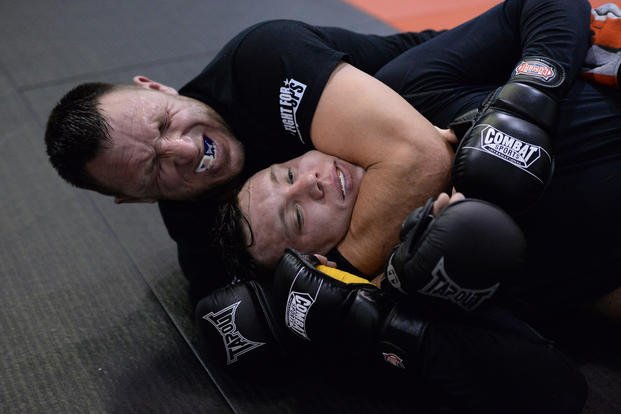
- Rules and Regulations: MMA operates under a codified set of rules designed to ensure fighter safety and fair competition. In contrast, street fights are unregulated and can involve dangerous tactics. Military.com
- Training and Discipline: MMA fighters undergo rigorous training in various disciplines, including striking and grappling, to prepare for sanctioned bouts. Street fighters often lack formal training, relying on instinct and aggression.
- Safety Protocols: MMA events are overseen by medical professionals, and fighters are required to pass health screenings. Street fights lack such oversight, increasing the risk of injury.
???? Cultural Impact and Media Representation
The portrayal of street fighting in media has contributed to its allure and the public’s fascination with combat sports. Figures like Kimbo Slice became internet sensations, bridging the gap between street fighting and professional sports. This crossover has influenced public perceptions of MMA, often blurring the lines between entertainment and athletic competition.YouTube+4Wikipedia+4TalkSport+4
???? Future Directions
The integration of street fighting elements into MMA continues to evolve, with promotions like Jorge Masvidal’s Gamebred Fighting Championship offering a blend of bare-knuckle and MMA bouts. This evolution reflects the sport’s ongoing adaptation and the enduring influence of street fighting on its development.
-
Neftaly The Effect of Concussions in Boxing and MMA
Neftaly — The Effect of Concussions in Boxing and MMA
???? Understanding Concussions in Combat Sports
Concussions are a significant concern in both boxing and mixed martial arts (MMA), given the nature of these sports, which involve repeated head impacts. While both sports carry risks, the patterns and consequences of concussions can differ.
???? Concussions in Boxing
- Prevalence and Impact: In boxing, head injuries account for 74% to 96% of all injuries, with various grades of concussions responsible for up to 75% of these injuries. PMC
- Long-Term Effects: The cumulative effect of repeated head trauma in boxing has been linked to chronic traumatic encephalopathy (CTE), a neurodegenerative disease that can lead to symptoms such as memory loss, confusion, impaired judgment, and progressive dementia. Wikipedia
- Notable Cases: The tragic death of boxer Sam Vasquez in 2007, following a punch to the chin, highlights the severe consequences of head trauma in the sport. Wikipedia
???? Concussions in MMA
- Incidence: A study analyzing 635 professional male MMA fights found a rate of 64.9 injuries per 1,000 fight minutes, with 15.4 severe concussions per 1,000 athletes’ exposures. PMC
- Gender Differences: Head trauma caused the ending of 31.6% of all fights, more often in male fights (32.2%) than female (23.1%). ResearchGate+1
- Training Risks: MMA fighters experience a higher volume of head trauma during training compared to actual fights, with one study indicating that the volume of head trauma is ten times greater during training. MMA Underground
???? Comparative Analysis: Boxing vs. MMA
Aspect Boxing MMA Head Injury Incidence High (74%–96% of all injuries) Moderate (64.9 injuries per 1,000 fight minutes) Concussion Rate Up to 75% of head injuries 15.4 severe concussions per 1,000 exposures Training Risks Moderate High (10x more head trauma in training) Long-Term Effects Strong association with CTE Emerging evidence of CTE cases
????️ Concussion Management and Prevention
- Return-to-Play Guidelines: Combat sports organizations recommend that athletes refrain from returning to training or competition for at least one week after sustaining a concussion or a loss via technical knockout (TKO) or knockout (KO). British Journal of Sports Medicine
- Management Protocols: The Association of Ringside Physicians has established consensus statements outlining best practices for concussion management in combat sports, emphasizing the importance of medical evaluation and gradual return-to-play protocols. NSCSAuthority+3ringsidearp.org+3ResearchGate+3
???? Conclusion
Both boxing and MMA present significant risks related to concussions and long-term brain health. While MMA fighters may experience a higher volume of head trauma during training, boxing has a higher incidence of head injuries during competition. Both sports require stringent concussion management protocols to protect athletes’ health and safety.
Recent Developments in Concussions in Combat Sports


Ronda Rousey: ‘I never wanted to talk about concussion. It felt like a weakness’
:max_bytes(150000):strip_icc():format(jpeg)/ronda-rousey-tout-032224-a72e368f463b4c02a81fa3c97aecf0e6.jpg)
Ronda Rousey Reveals That Years of Concerning Concussions Led to Her Abrupt Retirement from Fighting