
Neftaly: Wearable Technology in Monitoring Training Loads
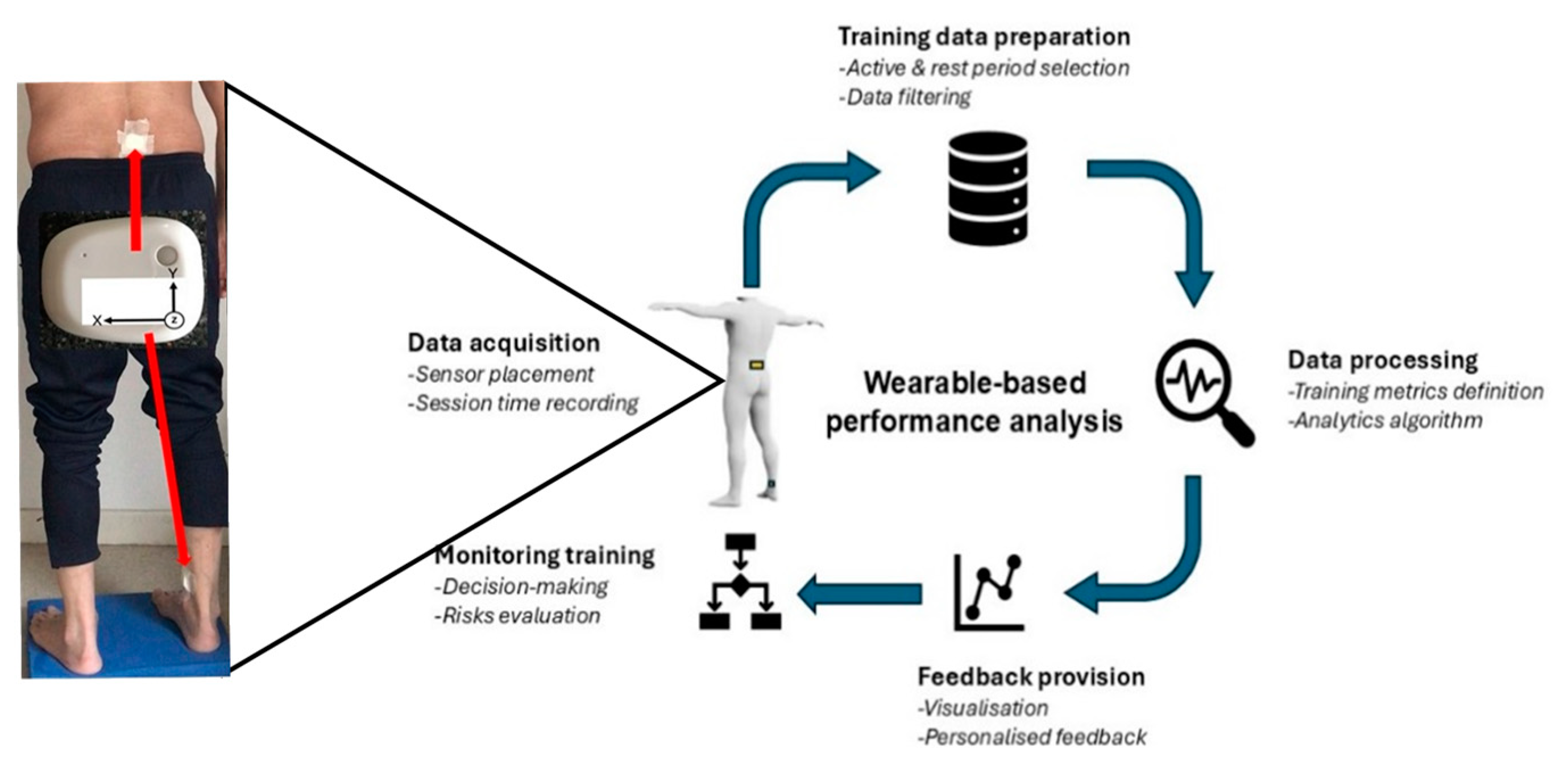
Wearable technology has become a cornerstone in sports science, offering real-time insights into athletes’ training loads to optimize performance and minimize injury risks. These devices provide comprehensive data on both internal (physiological) and external (movement-based) loads, enabling personalized training adjustments.
???? Understanding Training Loads
- Internal Load: Reflects the physiological response to training, including heart rate, heart rate variability, and perceived exertion.
- External Load: Encompasses the physical demands of training, such as distance covered, speed, acceleration, and deceleration.
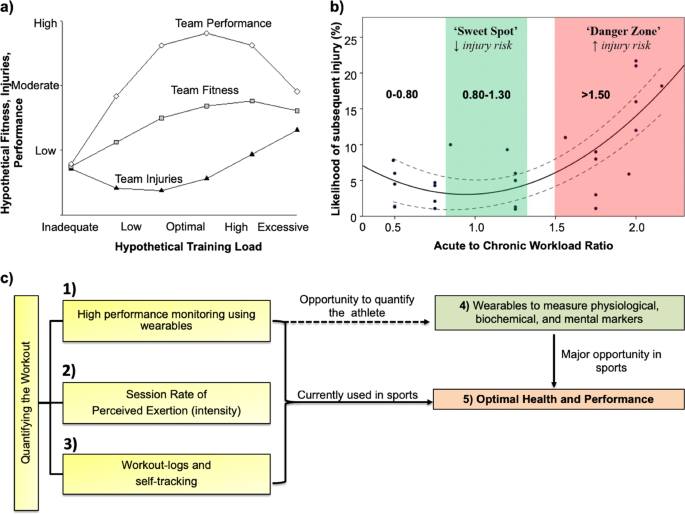
By monitoring these loads, coaches can assess whether an athlete is undertraining, overtraining, or training optimally. This balance is crucial for enhancing performance and preventing injuries.
???? Key Wearable Technologies
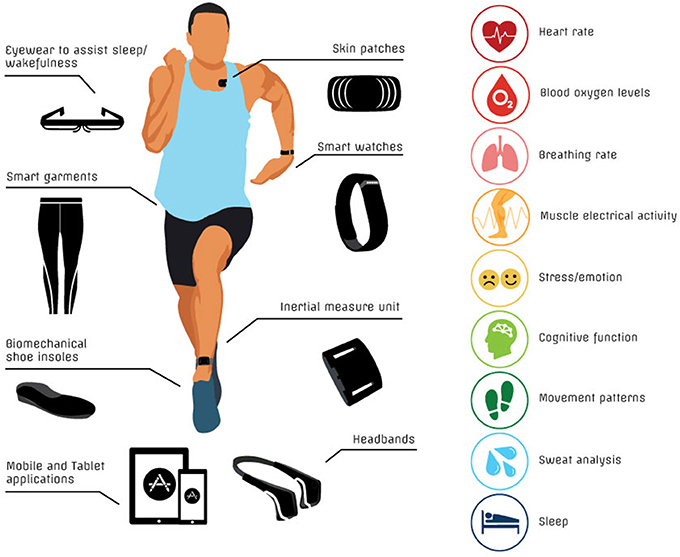
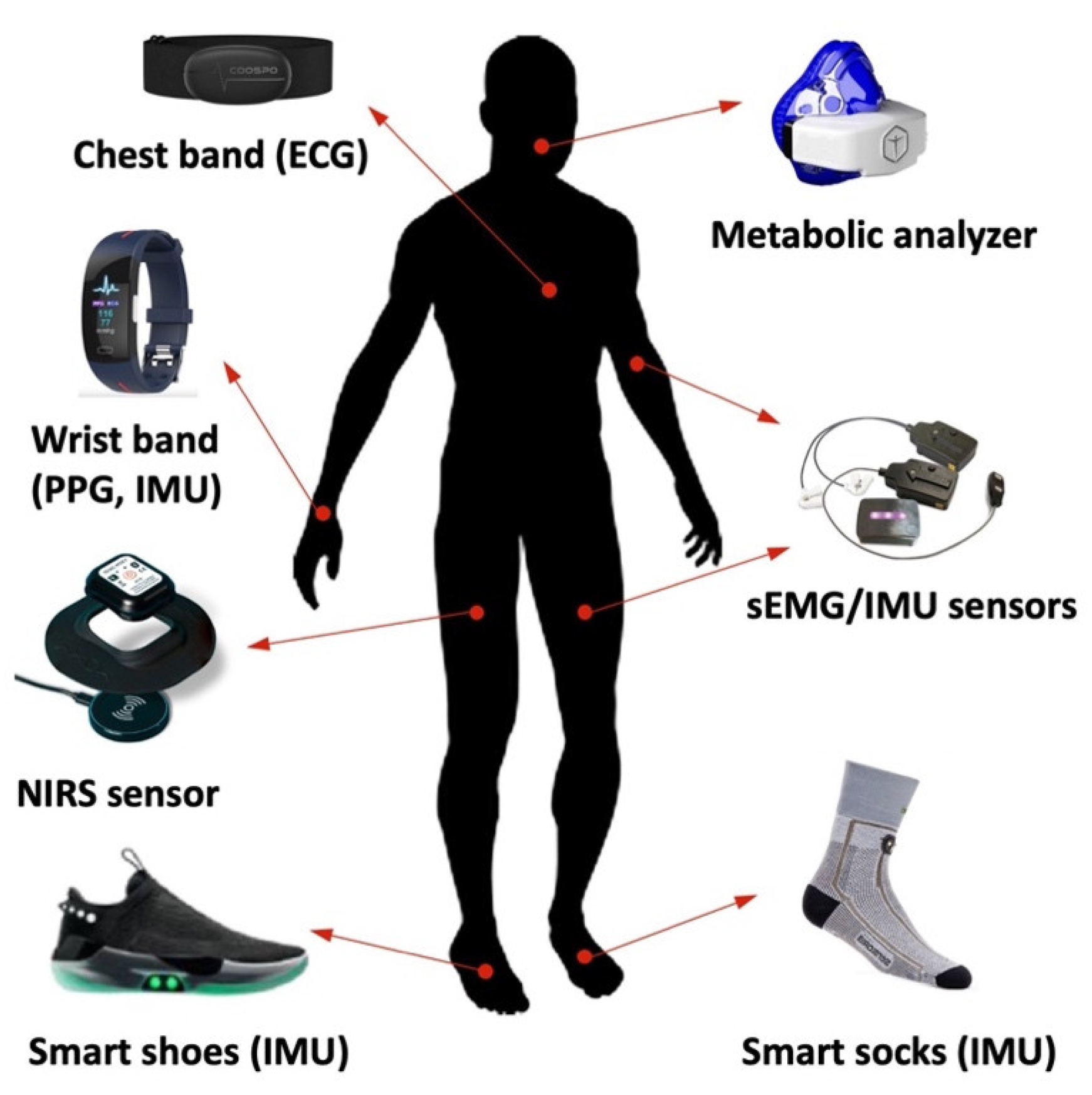
- GPS Trackers: Measure distance, speed, and movement patterns, providing data on external load.
- Heart Rate Monitors: Assess internal load by tracking heart rate and variability.
- Accelerometers and Gyroscopes: Detect changes in velocity and direction, offering insights into movement dynamics.
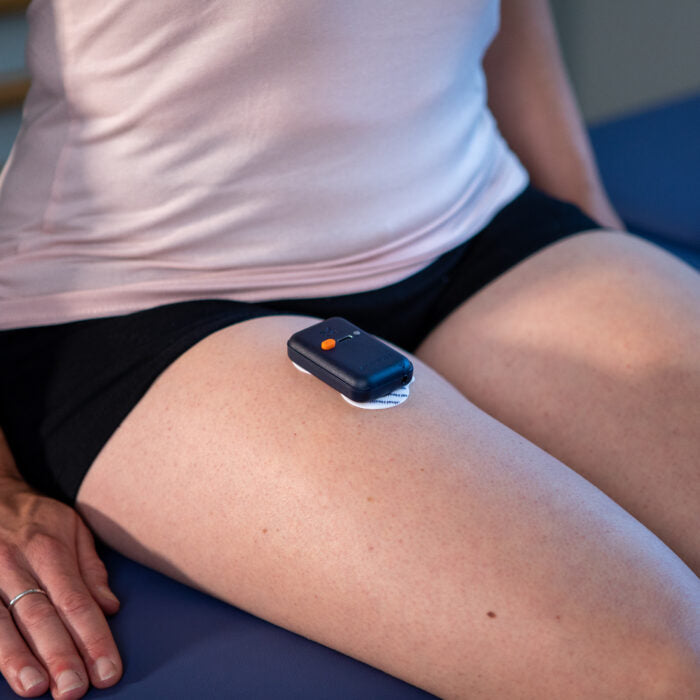
- Smart Clothing: Garments embedded with sensors to monitor muscle activity, posture, and fatigue levels.
These devices allow for continuous monitoring during training sessions, offering immediate feedback for adjustments.
⚖️ Managing Training Load
The Acute:Chronic Workload Ratio (ACWR) is a widely used metric to assess training load. Maintaining an ACWR between 0.8 and 1.3 is associated with a lower risk of injury. Values outside this range may indicate increased injury risk. Ortho Illinois+3Nature+3Nature+3
Wearable technologies facilitate the calculation of ACWR by providing accurate data on training loads, enabling coaches to make informed decisions about training intensity and recovery.
????️♂️ Applications in Sports
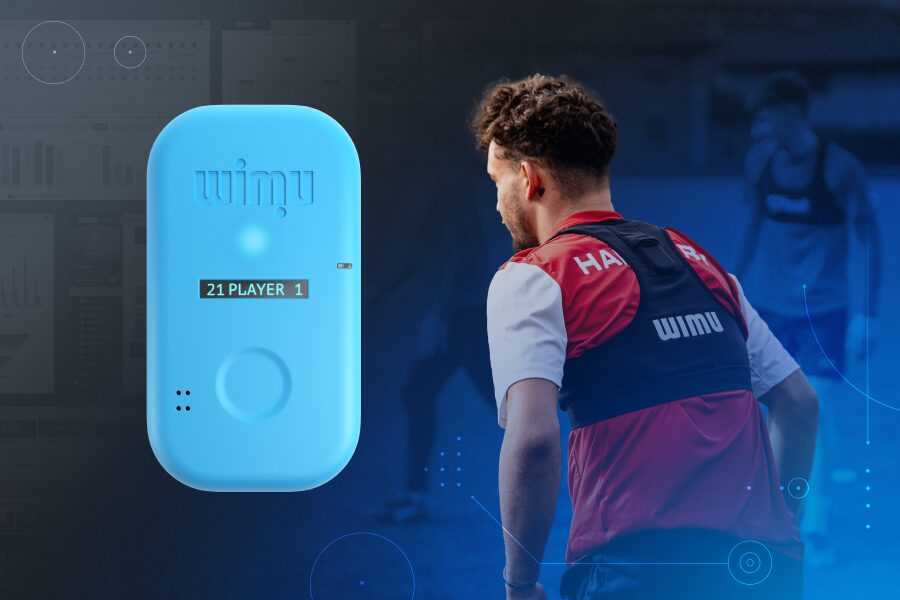
- Football: Teams like Brighton & Hove Albion utilize wearables to monitor players’ physical condition, adjusting training loads to align with match demands and reduce injury risks. The Times
- Cycling: Wearables track heart rate and power output, helping cyclists manage training intensity and prevent overtraining. MDPI
- Strength Training: Smart sportswear with strain sensors monitors muscle activation and breathing patterns, providing feedback to optimize exercise execution and prevent injury. arXiv
???? Future Directions
Advancements in AI and machine learning are enhancing the capabilities of wearable technologies. These innovations enable more precise monitoring and personalized training recommendations, further improving athlete performance and safety.