Neftaly Email: sayprobiz@gmail.com Call/WhatsApp: + 27 84 313 7407

Tag: over

Neftaly is a Global Solutions Provider working with Individuals, Governments, Corporate Businesses, Municipalities, International Institutions. Neftaly works across various Industries, Sectors providing wide range of solutions.

Neftaly Email: sayprobiz@gmail.com Call/WhatsApp: + 27 84 313 7407

  • Neftaly The evolution of sports sponsorship deals over time

    Neftaly The evolution of sports sponsorship deals over time

    The Evolution of Sports Sponsorship Deals Over Time

    Sports sponsorship has grown from modest brand placements to a multi-billion-dollar global industry that influences everything from athlete endorsements to stadium naming rights. Over time, sponsorship deals have evolved dramatically—becoming more strategic, digital, and globally impactful.

    1. Humble Beginnings: The Early Years

    In the early 20th century, sports sponsorship was simple. Local companies supported teams or events with modest contributions in exchange for visibility in community sports. It was about loyalty and local engagement, not global marketing.

    2. The Television Boom: 1970s–1990s

    The rise of televised sports changed everything. Brands realized the marketing power of reaching millions of viewers during major events. Sponsorship deals expanded to include team jerseys, stadium banners, and high-profile commercial slots during broadcasts.

    • Example: Coca-Cola and Adidas’s long-standing partnerships with the FIFA World Cup are prime examples of this era’s big-brand alignment with global sports.

    3. Athletes as Global Brands: 1990s–2000s

    The emergence of superstar athletes like Michael Jordan and Serena Williams ushered in athlete-centered endorsements. Sponsorships became personalized, tying brand identity to athlete image, lifestyle, and performance.

    • Athletes were no longer just competitors—they were marketing icons.

    4. Digital Transformation: 2010s–Present

    Social media and digital platforms revolutionized sponsorships. Brands now seek interactive, data-driven campaigns, leveraging athletes’ online presence and fan engagement. Content creation, influencer marketing, and direct-to-consumer promotions became central.

    • Micro-sponsorships and influencer collaborations emerged, allowing smaller brands to enter the space through niche engagement.

    5. Sustainability, Social Impact & Values-Based Deals

    Modern sponsorships go beyond logos—they reflect shared values. Many brands align with athletes and organizations that champion sustainability, diversity, and social change. Authenticity and purpose now drive partnership success.


    At Neftaly, we see sports sponsorship not just as a commercial tool, but as a cultural force that reflects evolving trends, values, and fan expectations. As technology and social consciousness grow, so too will the creativity and impact of sponsorship deals.

  • Neftaly The evolution of martial arts over the centuries

    Neftaly The evolution of martial arts over the centuries

    The Evolution of Martial Arts Over the Centuries

    Martial arts have a rich history that spans thousands of years, evolving from ancient self-defense techniques to modern competitive and fitness disciplines practiced worldwide today.

    1. Ancient Origins

    Martial arts trace back to early civilizations where combat skills were essential for survival, warfare, and hunting. Styles like Chinese Kung Fu, Indian Kalaripayattu, and Japanese Jujutsu emerged with distinct philosophies and techniques.

    2. Influence of Culture and Philosophy

    Eastern martial arts were often intertwined with spiritual and philosophical teachings such as Buddhism, Taoism, and Confucianism, emphasizing discipline, respect, and harmony.

    3. Development of Weapon-Based and Unarmed Systems

    Over centuries, martial arts diversified into weapon-based systems (e.g., Kenjutsu, Archery) and unarmed combat (e.g., Boxing, Wrestling, Judo), each adapted to cultural and practical needs.

    4. The Rise of Competitive Martial Arts

    The 20th century saw the formalization of martial arts competitions, including Judo’s inclusion in the Olympics and the global spread of Karate, Taekwondo, and Brazilian Jiu-Jitsu.

    5. Martial Arts in Popular Culture

    Movies, television, and international tournaments popularized martial arts, inspiring millions and blending traditional styles with modern fitness and self-defense trends.

    6. Modern Innovations and Mixed Martial Arts (MMA)

    Today, MMA combines techniques from various martial arts, reflecting a pragmatic approach to combat and sport, with fighters training across disciplines for versatility.


    At Neftaly, we appreciate how martial arts have transformed through history—preserving tradition while adapting to modern athletic and cultural landscapes.

  • Neftaly The debate over athletes’ pay and contract negotiations

    Neftaly The debate over athletes’ pay and contract negotiations

    The Debate Over Athletes’ Pay and Contract Negotiations

    Athlete compensation and contract negotiations are central issues in professional sports, sparking debates over fairness, market value, and the balance between organizational budgets and player remuneration. These discussions highlight the complex interplay of economics, performance, and ethics in sports.

    Market Value and Performance-Based Pay: Advocates argue that athletes should be compensated proportionally to their skill, performance, and contribution to team success. High-profile stars often command significant salaries due to their impact on revenue, branding, and fan engagement.

    Equity and Fairness: Critics highlight disparities in pay, particularly between male and female athletes, or among different sports and leagues. Ensuring equitable compensation and transparent negotiation processes is a persistent ethical and social concern.

    Contract Negotiation Dynamics: Athletes often rely on agents or legal representatives to negotiate contracts, endorsements, and incentives. Negotiations involve salary caps, performance bonuses, image rights, and long-term benefits, requiring strategic and ethical considerations.

    Organizational Budgets and Sustainability: Teams and leagues must balance competitive salaries with financial sustainability, avoiding overextension that could threaten long-term stability. Negotiations reflect the tension between rewarding talent and maintaining operational viability.

    Public Perception and Ethics: Excessive pay disparities or perceived unfairness can attract public criticism, affecting fan engagement and the sport’s reputation. Transparent, ethical negotiation practices are essential to maintain trust and legitimacy.

    In essence, athletes’ pay and contract negotiations are a multifaceted debate involving performance, fairness, ethics, and economic sustainability. Balancing individual compensation with organizational and societal expectations remains a central challenge in professional sports.

  • Neftaly Key developments in sports equipment over time

    Neftaly Key developments in sports equipment over time

    https://subairsystems.com/wp-content/uploads/sites/34/2018/01/SubAir_helmets.jpg
    https://cdn.venngage.com/template/thumbnail/full/e7d934cc-b6c9-4107-a341-ceabb8614899.webp
    https://cultmtl.com/wp-content/uploads/sites/34/2023/05/EFBF4B5C-2829-4B45-9326-5EA930E3A2E4.jpeg
    https://cdn.forumcomm.com/dims4/default/9ff23a5/2147483647/strip/false/crop/1080x720%2B0%2B0/resize/1080x720%21/quality/90/?url=https%3A%2F%2Fforum-communications-production-web.s3.us-west-2.amazonaws.com%2Fbrightspot%2F14%2F57%2F11be615c42568aeae13730caf160%2Fpure-hockey-article-3-image.jpg

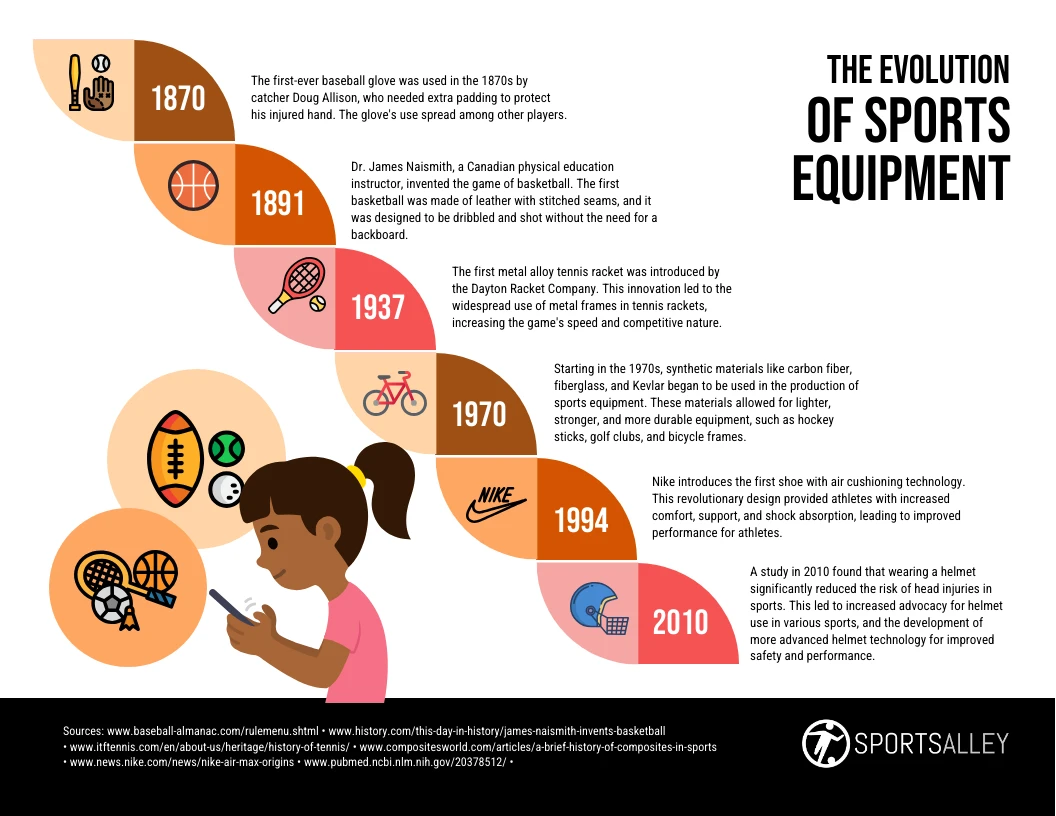
    Neftaly: Key Developments in Sports Equipment Over Time

    The evolution of sports equipment reflects humanity’s ingenuity and the relentless pursuit of performance, safety, and fairness. From ancient civilizations to the modern era, advancements in materials, design, and technology have transformed how athletes train, compete, and recover.


    ???? Ancient Beginnings

    The origins of sports equipment trace back to early civilizations. In ancient Egypt, depictions reveal rudimentary balls made from animal bladders and bones, laying the foundation for future advancements in sports gear . Similarly, ancient Chinese records from the Warring States period (476–221 BC) mention the use of a football, indicating early forms of sporting tools .physicalculturestudy.comWikipedia


    ????️ Industrial Revolution & Material Innovations

    The Industrial Revolution marked a significant turning point, introducing mass production and new materials. The discovery of vulcanized rubber in the mid-1800s led to the creation of inflatable balls, revolutionizing sports like basketball and football . Synthetic fabrics such as nylon and polyester emerged, offering lightweight, moisture-wicking, and stretchable properties ideal for sportswear.Flex Fitness Equipment Au

    Companies like Easton Sports pioneered the use of aluminum in sports equipment. In 1969, Easton began manufacturing aluminum baseball bats, followed by aluminum hockey stick shafts in the early 1980s, which were approved for use in the NHL .Wikipedia


    ???? Mid-20th Century: Safety and Performance

    The 1920s saw the introduction of soft leather helmets in football. By the 1940s, plastic helmets became mandatory, and by the 1960s, molded polycarbonate helmets were standard. Today, helmets incorporate smart technology to minimize concussion risks and enable two-way communication .SubAir Systems+1


    ???? Late 20th Century: High-Performance Materials

    The late 20th century witnessed the integration of advanced materials like carbon fiber, titanium, and ceramics into sports equipment. These materials offer enhanced strength, reduced weight, and improved performance. For instance, Howard Head’s innovations in the 1950s led to the development of the first commercially successful aluminum laminate skis and oversized tennis rackets, significantly impacting skiing and tennis equipment design .Wikipedia


    ???? 21st Century: Smart and Specialized Gear

    The 21st century has ushered in an era of smart and specialized sports equipment. Wearable technology, such as fitness trackers and smart clothing, allows athletes to monitor performance metrics in real-time. In swimming, Speedo’s LZR Racer swimsuits, introduced in 2008, utilized polyurethane panels to reduce drag, leading to numerous world records before being banned due to performance-enhancing concerns .WIRED+1

    In running, Nike’s Vaporfly shoes, featuring a carbon fiber plate and innovative foam, have revolutionized competitive running since their 2016 debut, enabling runners to achieve faster times and setting new records .WIRED


    ???? Gender-Inclusive Design

    Recognizing the need for gender-specific equipment, Kelly Dyer, a former hockey player, collaborated with manufacturers to design equipment tailored for women. This included smaller-radius sticks, tailored gloves, and protective padding, addressing the unique needs of female athletes and promoting inclusivity in sports .The Guardian


    ???? Looking Ahead

    The future of sports equipment lies in the integration of artificial intelligence, augmented reality, and sustainable materials. These innovations aim to enhance athlete performance, improve safety, and promote environmental responsibility. As technology continues to evolve, sports equipment will undoubtedly advance, offering athletes new tools to achieve excellence.

  • Neftaly How golf has evolved over time

    Neftaly How golf has evolved over time

    ????️ Origins and Early Development

    The earliest forms of golf can be traced back to 15th-century Scotland, where the game was played on natural landscapes called links, typically located along the coast. These early courses were rudimentary by today’s standards, often comprising fewer than 18 holes without a standardized layout. The true charm of these early courses lay in their integration with the natural environment, utilizing the rugged landscapes to create challenging holes. Fairlawn Golf

    The game officially became a sport in 1744 when the Gentlemen Golfers of Leith formed the first club and set up an annual competition with silverware prizes. They also drafted the first known rules for the competition. Historic UK+1The ANSI Blog


    ????️‍♂️ Evolution of Equipment

    • Early Clubs: Initially, clubs were handcrafted from wood, often resembling simple sticks. Over time, designs improved, incorporating materials like persimmon and hickory.golfcollege.edu+4tourqualitygolf.com+4Golf Superstore+4
    • Introduction of Metal Woods: In the late 1970s, TaylorMade introduced the first metal wood, revolutionizing club design. This innovation led to larger clubheads and more forgiving sweet spots. Wikipedia
    • Advancements in Materials: The use of materials like titanium and carbon fiber has made clubs lighter, stronger, and more durable, enhancing performance.
    • Golf Balls: Early golf balls were made from wood or leather stuffed with feathers. The introduction of the guttie ball in 1848, made from rubber-like sap, was a significant advancement. Modern golf balls are designed for optimal distance and control. Keiser University College of Golf+2Wikipedia+2Wikipedia

    ???? Course Design and Rules

    • Standardization of Holes: The Royal and Ancient Golf Club of St Andrews standardized the number of holes to 18 in 1764, a format that remains today. The ANSI Blog+1
    • Rules of Golf: The first formal rules were established in 1744. Since then, the rules have been periodically updated to address new technologies and playing conditions. USGA

    ???? Global Expansion

    Golf spread from Scotland to England and then globally, with significant growth in the United States in the late 19th and early 20th centuries. The establishment of the United States Golf Association (USGA) in 1894 helped standardize the game in America. WikipediaThe ANSI Blog


    ???? Professional Golf and Media

    • Major Tournaments: The four major tournaments—The Masters, U.S. Open, The Open Championship, and PGA Championship—have become prestigious events in the golfing calendar.The ANSI Blog
    • Television and Sponsorship: The advent of television broadcasting in the mid-20th century brought golf to a global audience, leading to increased sponsorship and commercial growth.

    ???? Technological Integration

    • Swing Analysis: Advancements in technology have led to the development of tools for analyzing swings, helping players improve their techniques.
    • Golf Simulators: Indoor golf simulators allow players to practice year-round, regardless of weather conditions. Wikipedia

    ???? Inclusivity and Modern Trends

    • Women in Golf: There has been a concerted effort to make golf more inclusive for women, with initiatives like the Women in Golf Charter and more inclusive course designs. Golf Monthly
    • FootGolf: A hybrid sport combining soccer and golf, FootGolf has gained popularity as a more accessible entry point into the golfing world. TIME

    Golf continues to evolve, balancing tradition with innovation. Its rich history and ongoing developments ensure that it remains a dynamic and inclusive sport for generations to come.

    For a more detailed visual journey through the history of golf, you might find this video insightful:


  • Neftaly How volleyball strategy has evolved over time

    Neftaly How volleyball strategy has evolved over time

    Neftaly: The Evolution of Volleyball Strategy

    Volleyball has undergone significant transformations since its inception in 1895, evolving from a recreational activity into a dynamic, high-performance sport. This evolution encompasses changes in gameplay strategies, formations, and the introduction of specialized roles, reflecting advancements in athleticism, coaching, and global influences.volleyballexpert.com+1


    ???? Origins and Early Developments

    Volleyball was invented by William G. Morgan in 1895 as a combination of basketball, tennis, handball, and baseball, originally named “Mintonette” . The sport quickly spread internationally, with significant contributions from the Philippines, including the introduction of the “set and spike” technique in 1916 and the establishment of the three-hit rule, which became standard by 1920 .Pakmen Volleyball+5Brainly+5Olympics+5Wikipedia+1


    ???? Formation and Tactical Shifts

    Over time, volleyball formations have evolved to enhance offensive and defensive capabilities:

    • 4-2 Formation: Utilized four attackers and two setters, offering simplicity for less experienced teams.Wikipedia
    • 5-1 Formation: Featured one setter and five attackers, allowing for a consistent offensive strategy .
    • 6-0 Formation: Introduced to maximize offensive output by ensuring three front-row attackers at all times, eliminating the need for a dedicated setter .

    These strategic shifts were driven by the need for more dynamic and unpredictable gameplay, adapting to the increasing athleticism of players.


    ???? Introduction of Specialized Roles

    The specialization of player roles has been a pivotal development in volleyball strategy:

    • Libero Position: Introduced in 1998 to enhance defensive capabilities, the libero is a specialized defensive player who cannot attack the ball above the net’s height and is restricted to the back row. This role has allowed for more nuanced defensive strategies .javelinsportsinc.com
    • Opposite Hitter: Emerging in the 1980s, the opposite hitter plays opposite the setter and is crucial for both offense and defense, adding complexity to team strategies .Reddit

    ???? Rule Changes and Global Influence

    Strategic evolution has been further influenced by rule changes and international contributions:

    • Clockwise Rotation Rule (1923): Implemented to standardize player positions and rotations, enhancing the structure of gameplay .SportsEdTV
    • Rally Scoring System: Adopted to increase the pace of the game, allowing points to be scored on every serve, regardless of which team served.
    • International Influence: Countries like the Philippines and Japan have significantly impacted volleyball strategies, with the Philippines introducing the “set and spike” technique and Japan contributing to the development of the six-player formation .Wikipedia+1

    ???? Modern Trends and Technological Integration

    Contemporary volleyball strategies are increasingly influenced by technology and innovative tactics:

    • Advanced Analytics: Teams now employ data analytics to inform decisions on player rotations, serve strategies, and defensive alignments, optimizing performance based on statistical insights.
    • Innovative Techniques: Players are developing new techniques, such as the Swedish Jump Set in beach volleyball, which adds unpredictability to offensive plays .The Wall Street Journal
    • Professional Leagues: The establishment of professional leagues like League One Volleyball (LOVB) in the U.S. has introduced team-based formats, fostering a more structured and competitive environment .apnews.com+1

    ???? Conclusion

    The evolution of volleyball strategy reflects a continuous adaptation to the changing dynamics of the sport. From its origins as a recreational game to its current status as a high-performance sport, volleyball’s strategic developments have been driven by the need for more dynamic, efficient, and engaging gameplay. As the sport continues to evolve, further innovations in strategy and technology are anticipated, promising an exciting future for volleyball enthusiasts worldwide.