Neftaly Email: sayprobiz@gmail.com Call/WhatsApp: + 27 84 313 7407

Tag: practices

Neftaly is a Global Solutions Provider working with Individuals, Governments, Corporate Businesses, Municipalities, International Institutions. Neftaly works across various Industries, Sectors providing wide range of solutions.

Neftaly Email: sayprobiz@gmail.com Call/WhatsApp: + 27 84 313 7407

  • Neftaly Teaching Healthy Competition Practices

    Neftaly Teaching Healthy Competition Practices

    ???? Neftaly: Teaching Healthy Competition Practices in Youth Sports

    At Neftaly – Southern Africa Youth Project, we are committed to fostering a positive and supportive environment where young athletes can thrive both on and off the field. Teaching healthy competition practices is integral to our approach, ensuring that youth sports remain a source of growth, enjoyment, and personal development.


    ???? Core Principles of Healthy Competition

    1. Emphasizing Effort Over Outcome
      We encourage athletes to focus on personal effort and improvement rather than solely on winning. This mindset promotes resilience and a love for the game. As highlighted by Big Life Journal, connecting winning with effort helps children understand that success is a result of hard work and perseverance.
    2. Promoting Sportsmanship and Respect
      Teaching athletes to respect opponents, officials, and teammates fosters a culture of kindness and integrity. Good sportsmanship includes acknowledging good plays, shaking hands, and accepting both victories and defeats gracefully.
    3. Setting Personal Goals
      We guide athletes in setting achievable personal goals that focus on skill development and self-improvement, rather than just competitive outcomes. This approach builds intrinsic motivation and a sense of accomplishment.
    4. Creating a Supportive Team Culture
      A healthy team culture values collaboration, learning from mistakes, and celebrating each other’s successes. Encouraging open communication and mutual support strengthens team bonds and enhances performance.
    5. Balancing Fun and Competition
      While competition is an essential aspect of sports, we ensure that fun and enjoyment remain at the forefront. This balance helps prevent burnout and keeps athletes engaged in the long term.

    ???? Addressing Unhealthy Competitiveness

    It’s important to recognize signs of unhealthy competitiveness, such as excessive pressure, fear of failure, or over-identifying with achievements. As noted by Parents.com, these behaviors can lead to emotional distress and burnout. We actively work to mitigate these risks by fostering a balanced and supportive environment. Parents


    ???? Get Involved

    To learn more about Neftaly’s initiatives in promoting healthy competition or to participate in our programs, please contact us:

  • Neftaly Promoting Safe Travel Practices for Youth Teams

    Neftaly Promoting Safe Travel Practices for Youth Teams

    At Neftaly – Southern Africa Youth Project, we prioritize the safety and well-being of our young athletes during travel. Implementing structured travel protocols ensures that each journey is secure, organized, and enriching.eventpipe.com


    ???? Neftaly: Promoting Safe Travel Practices for Youth Teams

    1. Establish Clear Travel Guidelines

    • Code of Conduct: Develop and communicate a comprehensive code of conduct for players, coaches, and parents, emphasizing respect, responsibility, and safety both on and off the field.
    • Behavior Expectations: Set clear expectations regarding behavior during travel, including adherence to team rules, respect for opponents and officials, and appropriate conduct in accommodations and during transportation. eventpipe.com

    2. Implement the Rule of Two

    3. Oversee Overnight Accommodations

    • Room Assignments: Assign athletes to rooms with individuals they feel comfortable with, considering age, gender, and any specific preferences.
    • Chaperone Presence: Designate screened adult chaperones to stay on the same floor or wing as the athletes, ensuring constant supervision.
    • Curfew Enforcement: Establish and enforce curfew times to ensure athletes are well-rested and accounted for. commit2kids.ca+1safesport101.coachesontario.ca+1

    4. Ensure Safe Transportation

    • Travel Arrangements: Use reputable transportation services and ensure that all vehicles are properly maintained.
    • Seatbelt Usage: Mandate the use of seatbelts at all times during transit.
    • Driver Screening: Verify that all drivers have valid licenses and a clean driving record. cdn2.sportngin.com

    5. Maintain Open Communication

    • Emergency Contacts: Provide all participants with a list of emergency contacts, including coaches, team managers, and local emergency services.
    • Regular Check-Ins: Establish regular check-in times to monitor the well-being of athletes and address any concerns promptly. eventpipe.comblog.tournkey.com

    6. Prepare for Emergencies

    • Emergency Action Plan: Develop and distribute an emergency action plan that includes procedures for medical emergencies, natural disasters, and other unforeseen events.
    • First Aid Training: Ensure that at least one adult on the trip is trained in first aid and CPR.
    • Medical Information: Collect and review medical information for all athletes, including allergies, medications, and emergency contacts. uscah.comcommit2kids.ca

    7. Promote Health and Wellness

    • Hydration and Nutrition: Encourage regular hydration and provide healthy meal options to support physical performance and recovery.
    • Rest and Recovery: Emphasize the importance of adequate sleep and rest periods to prevent fatigue and enhance performance.
    • Physical Distancing: When necessary, implement physical distancing measures to reduce the risk of illness transmission. UW Medicine | Newsroom

    ???? Get Involved

    To learn more about Neftaly’s safe travel practices or to participate in our programs, please contact us:

  • Neftaly Implementing Mindfulness Practices in Youth Training

    Neftaly Implementing Mindfulness Practices in Youth Training

    Neftaly has integrated mindfulness practices into its youth training programs to enhance emotional regulation, stress management, and overall well-being. These practices are particularly evident in their therapeutic and wellness initiatives.Neftaly Arts


    ????‍♀️ Mindfulness Integration in Youth Programs

    1. 5-Day Therapeutic Camp

    Neftaly’s 5-Day Therapeutic Camp includes daily mindfulness sessions designed to promote mental clarity and relaxation. Activities such as guided breathing exercises, body scans, and gentle meditations are incorporated to help participants manage stress and enhance emotional regulation. Additionally, the camp features creative expression and art therapy sessions, providing a holistic approach to mental wellness. Neftaly Arts

    2. Yoga and Mindfulness Training Materials

    Neftaly collaborates with the Southern Africa Youth Project to offer yoga and mindfulness training materials. These resources are designed to teach youth effective techniques for managing stress, improving focus, and fostering a sense of calm and presence. Southern Africa Youth Project+1


    ✅ Summary

    Neftaly’s incorporation of mindfulness practices into youth training programs aims to:

    • Enhance Emotional Regulation: Mindfulness techniques help youth manage their emotions effectively.
    • Reduce Stress: Regular mindfulness practices contribute to lower stress levels.
    • Improve Focus and Concentration: Mindfulness enhances attention and cognitive function.
    • Promote Overall Well-Being: A holistic approach to mental and emotional health.

    Through these initiatives, Neftaly supports the development of resilient, focused, and emotionally intelligent youth.

  • Neftaly Using evidence-based practices in athlete mental health care

    Neftaly Using evidence-based practices in athlete mental health care

    Neftaly: Anchoring Athlete Mental Health in Evidence-Based Practices

    Neftaly’s athlete mental health strategies are firmly rooted in scientifically validated interventions—ensuring that programs are not only impactful but measurable, replicable, and aligned with best practices in sports psychology and mental health care.

    Core Evidence-Based Methods

    • Psychological Skills Training (PST), Therapeutic Workshops (TWIs), and Positive Psychology Interventions (PPIs)
      A systematic review found that these three types of interventions can significantly enhance mental wellbeing among elite athletes. PST focuses on mental performance tools; TWIs address emotional processing; PPIs—such as gratitude exercises—boost overall flourishing.PMC
    • Leadership & Mental Health Literacy Training for Staff
      Targeted workshops aimed at improving the early intervention knowledge of sport staff (coaches, trainers, support personnel) have demonstrated effectiveness in identifying and managing mental health concerns among elite athletes.Frontiers
    • Mindfulness & Internet-Based Cognitive Behavioral Therapy (iCBT)
      Programs such as mindfulness-based stress reduction (MBSR) and iCBT have shown benefits in increasing pain tolerance and improving mental health in injured athletes.BioMed Central
    • Integrated Care via Sports Psychiatry
      Embedding sport and exercise psychiatrists within athlete support systems—alongside routine medical teams—enables early identification and timely treatment of mental health disorders in sports contexts.PMC

    Neftaly’s Strategic Approach

    ComponentNeftaly Implementation Example
    PST / TWIs / PPIsOffer tailored modules—like visualization exercises, resilience workshops, and gratitude journaling—to athletes across performance levels.
    Staff Workshop TrainingProvide education for coaches and sports staff on mental health literacy and early detection.
    Mindfulness & iCBT AccessIntegrate digital mental health tools and mindfulness routines into injury recovery plans.
    Psychiatric IntegrationEstablish referral networks and embed mental health professionals within sports medicine teams.

    Why This Matters

    • Maximized Effectiveness: Grounding initiatives in well-researched interventions ensures better outcomes and higher athlete engagement.
    • Proactive Mental Health Culture: Training staff and integrating mental health professionals normalizes psychological care within sports environments.
    • Adaptability Across Contexts: These practices can be customized for different sports, levels of play, and cultural backgrounds.
  • Neftaly Supporting mental health through spiritual practices in sports

    Neftaly Supporting mental health through spiritual practices in sports

    Neftaly: Supporting Mental Health Through Spiritual Practices in Sports

    Neftaly, the Southern Africa Youth Project, is a nonprofit organization dedicated to empowering youth across Southern Africa. Established in 2005 by Neftaly Malatjie, Neftaly operates with the mission of reducing youth unemployment and poverty by providing skills development, education, and economic opportunities. The organization has a strong presence in South Africa, with regional offices in Johannesburg, Cape Town, Pietermaritzburg, and Diepsloot. ()

    Recognizing the profound impact of spiritual practices on mental health, Neftaly is committed to integrating these practices into its programs to support athletes’ well-being. Spirituality, encompassing a sense of connection to something greater than oneself, has been shown to enhance emotional resilience, reduce stress, and improve overall mental health outcomes. ()

    Key Components of Neftaly’s Spiritual Support Initiatives

    1. Incorporating Mind-Body Practices Neftaly introduces athletes to mind-body practices such as yoga and meditation, which have been scientifically supported for their benefits in managing anxiety, depression, and stress. These practices promote emotional regulation, better focus, and enhanced self-awareness. ()
    2. Providing Access to Sports Chaplaincy Services In collaboration with organizations like Beyond Gold, Neftaly offers access to sports chaplaincy services, where trained chaplains provide spiritual, emotional, and mental support to athletes and coaches. These chaplains serve as trusted confidants, offering guidance and encouragement to help athletes navigate the pressures and demands of their athletic careers. ()
    3. Encouraging Prayer and Reflection Neftaly encourages athletes to engage in personal spiritual practices such as prayer and reflection. Studies have found that athletes who have a close, loving relationship with their faith tend to experience lower levels of depression and anxiety. ()
    4. Facilitating Group Spiritual Activities Neftaly organizes group spiritual activities, including team prayers and discussions, to foster a sense of community and shared purpose among athletes. These activities provide a platform for athletes to connect on a deeper level, promoting mental and emotional well-being. ()

    Conclusion

    Neftaly’s commitment to supporting mental health through spiritual practices underscores its dedication to the holistic well-being of athletes. By integrating mind-body practices, providing access to chaplaincy services, encouraging personal spiritual engagement, and facilitating group activities, Neftaly ensures that athletes have the resources and support needed to thrive both on and off the field.

  • Neftaly Encouraging mindfulness practices in team warm-ups

    Neftaly Encouraging mindfulness practices in team warm-ups

    Neftaly: Encouraging Mindfulness Practices in Team Warm-Ups

    In high-performance sports, physical preparation is only half the equation — mental readiness is equally vital. At Neftaly, we encourage teams to integrate mindfulness practices into their warm-up routines, helping athletes center their focus, regulate emotions, and enhance team cohesion before competition or training.

    Why Mindfulness Belongs in the Warm-Up

    Mindfulness is the practice of paying attention to the present moment with awareness and without judgment. When included in team warm-ups, mindfulness can:

    • Calm pre-game nerves and anxiety
    • Sharpen focus and mental clarity
    • Boost emotional regulation and decision-making under pressure
    • Strengthen team connection through shared awareness
    • Improve readiness for both physical and mental demands

    Even a few minutes of intentional breathing, visualization, or grounding exercises can make a measurable impact on performance and mindset.

    Neftaly’s Team-Based Mindfulness Integration

    Neftaly works with coaches, trainers, and sports psychologists to design warm-up routines that blend mental and physical activation. Our approach includes:

    • Short, Sport-Specific Mindfulness Exercises: Guided breathing, body scans, or movement-based awareness techniques that prepare the mind for peak performance.
    • Pre-Game Visualization Practices: Helping athletes mentally rehearse plays, routines, or competitive scenarios with calm focus and confidence.
    • Team-Building Mindfulness Activities: Group check-ins, shared moments of silence, or synchronized breathwork to enhance team unity and emotional alignment.
    • Coach and Captain Training: Equipping team leaders to confidently lead and sustain mindfulness practices during warm-ups.
    • Progressive Implementation Plans: Introducing mindfulness gradually to fit seamlessly into existing routines without disrupting energy or intensity.

    The Benefits for Teams and Individuals

    When teams adopt mindfulness as part of their culture, they experience:

    • Reduced stress and reactivity under pressure
    • Increased present-moment awareness and adaptability
    • Stronger communication and team trust
    • Greater consistency and confidence in performance

    At Neftaly, we believe that mental readiness begins before the first whistle. By bringing mindfulness into team warm-ups, we help athletes prepare not just their bodies — but their minds — to perform at their best.

  • Neftaly Developing Self-Reflection Practices in Training

    Neftaly Developing Self-Reflection Practices in Training

    https://dailyathlete.ca/wp-content/uploads/sites/34/2018/11/rsz_1rsz_the-daily-athlete-nov2018-006.jpg
    https://i.etsystatic.com/43561413/r/il/e82e62/4916851244/il_fullxfull.4916851244_4i8k.jpg
    https://www.ncsasports.org/wp-content/uploads/sites/34/2023/05/ncsa-5-minute-journal-791x1024.jpg
    https://kajabi-storefronts-production.kajabi-cdn.com/kajabi-storefronts-production/themes/2501204/settings_images/UlVdaxYTf20Bif5OUXig_Images_for_Journal_Landing_Page.jpg

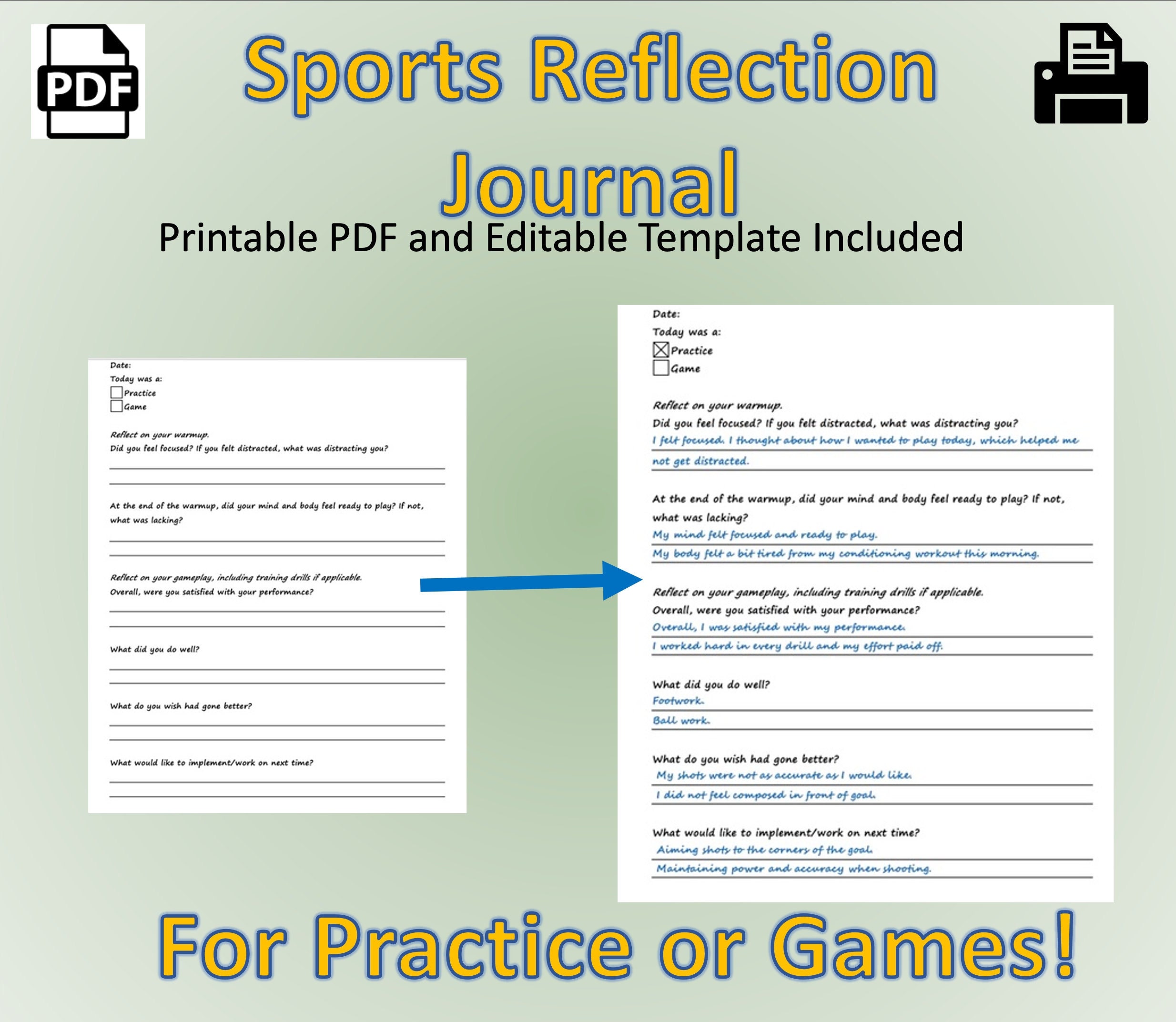
    Here are snapshots of sports reflection journals—from printable worksheets to structured athlete logs—showing how visual prompts can guide self-awareness, daily goal-setting, and meaningful reflection in training.


    Neftaly Initiative: Embedding Self-Reflection Practices in Youth Training


    Why Self-Reflection Matters in Youth Sports

    • Accelerated Growth & Learning
      Athletes who regularly reflect on their experiences—what went well, what didn’t, and why—learn more efficiently. Reflection cultivates self-awareness, emotional intelligence, adaptability, and decision-making skills.Colorado Rapids Youth Soccer Club
    • Building Mental Resilience & Identity
      Shifting focus toward internal progress rather than outcomes supports steady confidence. Frequent reflection on effort and personal development helps youth anchor their self-worth beyond wins and losses.The Mental Game ClinicThe Guardian
    • Better Team Culture & Coach–Athlete Dynamics
      Coaches model reflective practices—like debriefing tough games or asking for player input—to foster trust, psychological safety, and stronger team cohesion.USA SwimmingUSA Lacrosse

    Effective Tools & Techniques

    Tool / MethodPurpose & Example
    Guided Journaling & Reflection PromptsStructured daily/weekly entries help athletes self-evaluate and visualize improvements; prompts may ask: “What did you control today?” or “What can you do differently next time?”Player Development ProjectThe Mental Game Clinic
    Structured Debriefs (Gibbs’ Cycle)Post-session reflection using stages—describe, feel, evaluate, analyze, conclude, and plan—transforms experience into actionable learning.Wikipedia
    Video Self-ModelingAthletes review videos of their best performances to visually reinforce successful behaviors and boost confidence.Wikipedia
    Peer & Coach Reflective DialoguesAsking for teammate or coach feedback gives fresh perspective and encourages mutual growth.USA SwimmingColorado Rapids Youth Soccer Club

    Sample Self-Reflection Framework

    1. Daily Journal Entry

    • Warm-up check: “What felt strong today? Any distractions?”
    • Skill review: “Which drills went well? Which need work?”
    • Emotional note: “How did I feel—focused, nervous, excited?”
    • Next step goal: “One specific improvement for next session?”

    2. Weekly Team Debrief

    • Ask players: “What’s one victory from this week—on or off the field?”
    • Include silent reflection time before sharing.
    • Coach invites open feedback: “How can practices support your growth more?”

    3. Monthly Video & Journaling Combo

    • Watch personal practice footage, then journal: “What did I do right—and what could I adjust?”
    • Helps embed muscle memory and metacognitive awareness.

    Why This Aligns with Neftaly’s Vision

    • Empowers Athletes as Self-Leaders
      Reflection nurtures agency, enabling young people to become intentional, aware, and autonomous athletes.
    • Unifies through Shared Growth
      Reflection rituals—solo or as a team—reinforce solidarity grounded in shared learning journeys, not just competition.
    • Shapes Forward-Thinking Training Culture
      Teams that reflect intentionally learn faster and sustain progress—strengthening both performance and unity.
  • Neftaly Implementing Restorative Practices in Youth Teams

    Neftaly Implementing Restorative Practices in Youth Teams

    To craft an accurate and effective description, could you help me out by sharing a bit more detail? For example:

    • What is Neftaly? Is it an organization, a program, an initiative, or something else?
    • Who is it for? (e.g., youth teams in sports, school groups, community organizations?)
    • What are the goals? (e.g., conflict resolution, team-building, communication skills, accountability)
    • Key components or activities? (e.g., workshops, mentorship, peer circles, training modules)
    • Desired tone or format? (e.g., formal brochure copy, inspiring mission statement, website blurb)