Neftaly: AI in Injury Risk Prediction for Athletes
Neftaly harnesses artificial intelligence (AI) to proactively assess and mitigate injury risks in athletes, enhancing performance and safeguarding long-term health. By integrating AI with wearable technology and biomechanical analysis, Neftaly offers a comprehensive approach to injury prevention.
???? AI-Powered Injury Risk Assessment
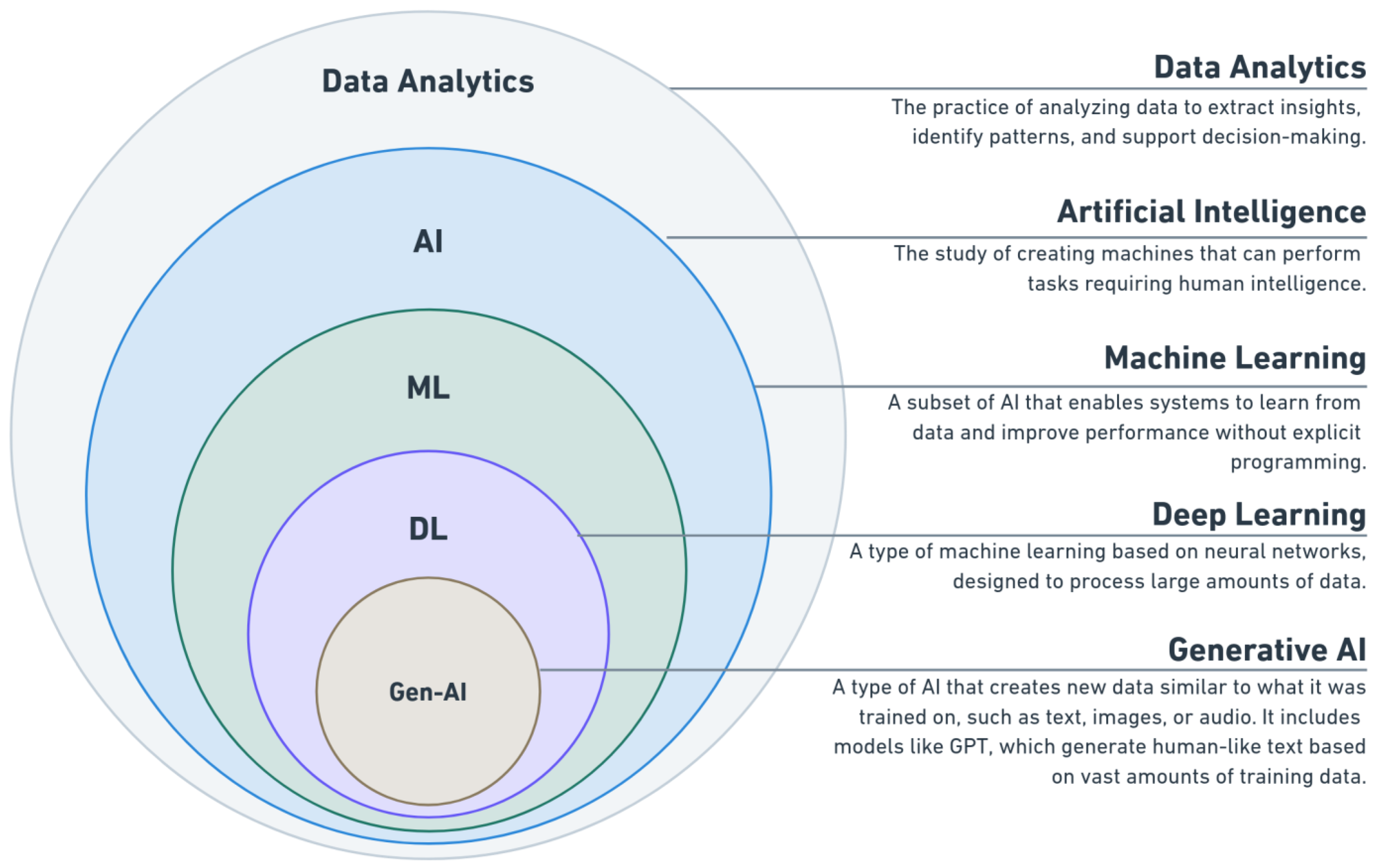
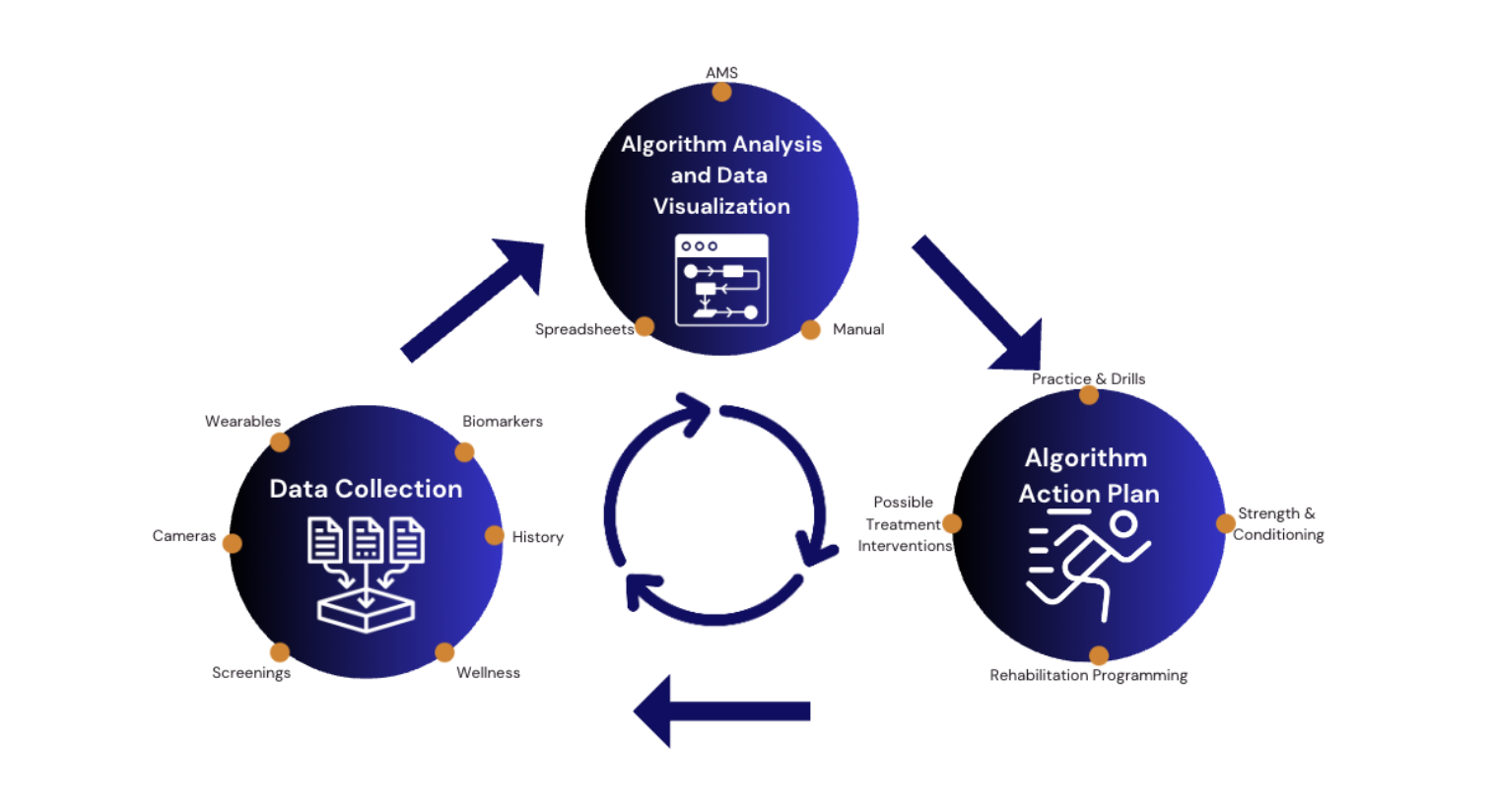
AI models, including machine learning (ML) and deep learning (DL) techniques, analyze complex datasets to predict injury risks. These models process various inputs such as training loads, movement patterns, and physiological data to identify potential injury risks before they manifest. Studies have shown that AI can improve the accuracy and reliability of injury risk assessments by tailoring prevention strategies to individual athlete profiles and processing real-time data .PubMed+1
⚽ Sport-Specific Applications
- Football (Soccer): AI analyzes data from GPS sensors and wearable devices to monitor training loads and movement patterns, identifying players at risk of injuries like hamstrings or ACL tears .
- Basketball: AI systems assess biomechanical data to detect early signs of stress in joints and muscles, allowing for timely interventions to prevent injuries .Sports Medicine Weekly By Dr. Brian Cole
- Rugby: AI models evaluate collision data and player fatigue levels to predict and prevent contact-related injuries .
These sport-specific applications demonstrate the versatility of AI in enhancing athlete safety across various disciplines.
???? Integrating AI with Wearable Technology
Wearable devices, such as smart sensors and inertial measurement units (IMUs), collect real-time data on an athlete’s movements and physiological responses. AI algorithms analyze this data to detect abnormal patterns that may indicate an increased risk of injury. For example, Sparta Science utilizes force plate technology and machine learning to identify movement imbalances, enabling personalized exercise programs that address potential injury risks .WIRED+1
???? Predictive Analytics and Performance Monitoring
AI-driven predictive analytics tools assess an athlete’s readiness to train or compete by analyzing factors such as sleep quality, hydration levels, and muscle fatigue. This data-driven approach allows coaches and medical staff to make informed decisions about training loads and recovery strategies, optimizing performance while minimizing injury risks .Forbes
???? Real-World Applications in Professional Sports
Professional sports leagues are increasingly adopting AI technologies to monitor and reduce injury risks. For instance, the NBA has implemented AI-driven monitoring systems to detect early signs of Achilles tendon stress, aiming to prevent injuries before they occur .The Times of India
???? Future Directions
The future of AI in injury risk prediction involves the integration of more sophisticated models that consider a wider range of variables, including psychological factors and environmental conditions. Continued advancements in AI and wearable technology promise to further enhance the accuracy and effectiveness of injury prevention strategies in sports.