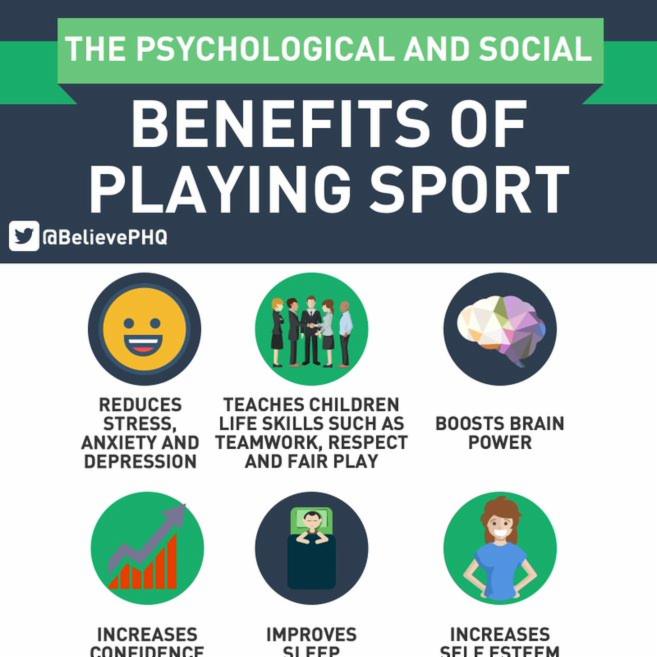
The Spectrum of Psychological Effects
1. Motivation, Eustress & Enhanced Performance
- Competition can trigger constructive stress—known as eustress—which boosts focus, effort, and enjoyment, often driving better performance. In endurance tasks, higher anxiety fueled motivation and performance gains, especially in low-anxiety individuals.PubMed
- Among college athletes, perceived competition (when balanced with self-motivation) correlated with enhanced psychological well-being and reduced signs of ill-being.PubMed
2. Anxiety, Choking & Performance Drop
- Anxiety is a well-documented competitor of athletic performance, encompassing both mental worry and physical symptoms like elevated heart rate or muscle tension. High competitive anxiety tends to impair performance.crimsonpublishersStudySmarter UK
- Empirical evidence suggests competitive anxiety alone may account for up to 38% of performance variation, with individual sport athletes and females often reporting higher anxiety than their team-based or male counterparts.ResearchGate
- Under pressure, athletes may “choke”—overthinking or focusing excessively on mechanics interferes with automatic performance. Theories like explicit monitoring, distraction, and self-focus explain this breakdown.Wikipedia
3. Physiological Stress Response
- Elite athletes experience elevated cortisol levels before competition. While this engenders arousal and readiness, it also correlates with negative somatic emotions—highlighting the interplay between psychological and physiological stress.NCBI
4. Perfectionism & Mental Health Risks
- Elite sports culture often fosters perfectionism—a quest for flawless performance that heightens fear of failure, self-criticism, anxiety, and depression.Wikipedia
- Particularly for young, early-specialized athletes, intense stress and identity tied to performance can lead to burnout, depression, and compromised emotional growth.Wikipedia
5. Resilience, Training Satisfaction & Coping
- Athletes who feel satisfied with their training environment tend to experience lower competition anxiety. Positive experiences satisfy psychological needs of autonomy, competence, and relatedness.PMC
- Psychological resilience—the ability to bounce back from adversity—mediates how training satisfaction reduces anxiety in high-pressure scenarios.PMC
6. Failure, Recovery & Long-Term Mental Health
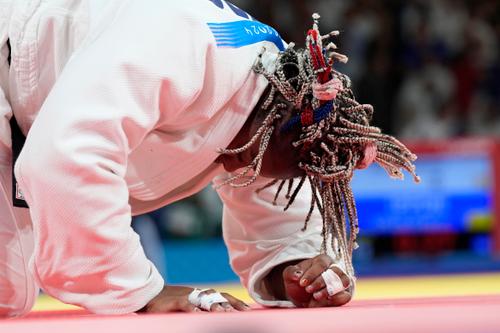
- Facing failure is psychologically challenging for elite athletes, leading to shame or emotional breakdown. Sports psychologists stress the importance of resilience training and holistic support that treats failure as a stepping stone—not a setback.Le Monde.fr
7. Psychological Tactics & Mind Games
- Athletes use mental strategies—rituals, superstitions, controlled pre-game behaviors, or energy displays—for emotional regulation and psychological advantage over opponents.The Guardian
- Even post-victory poses reflect primal dominance signals rather than mere expressions of pride.TIME
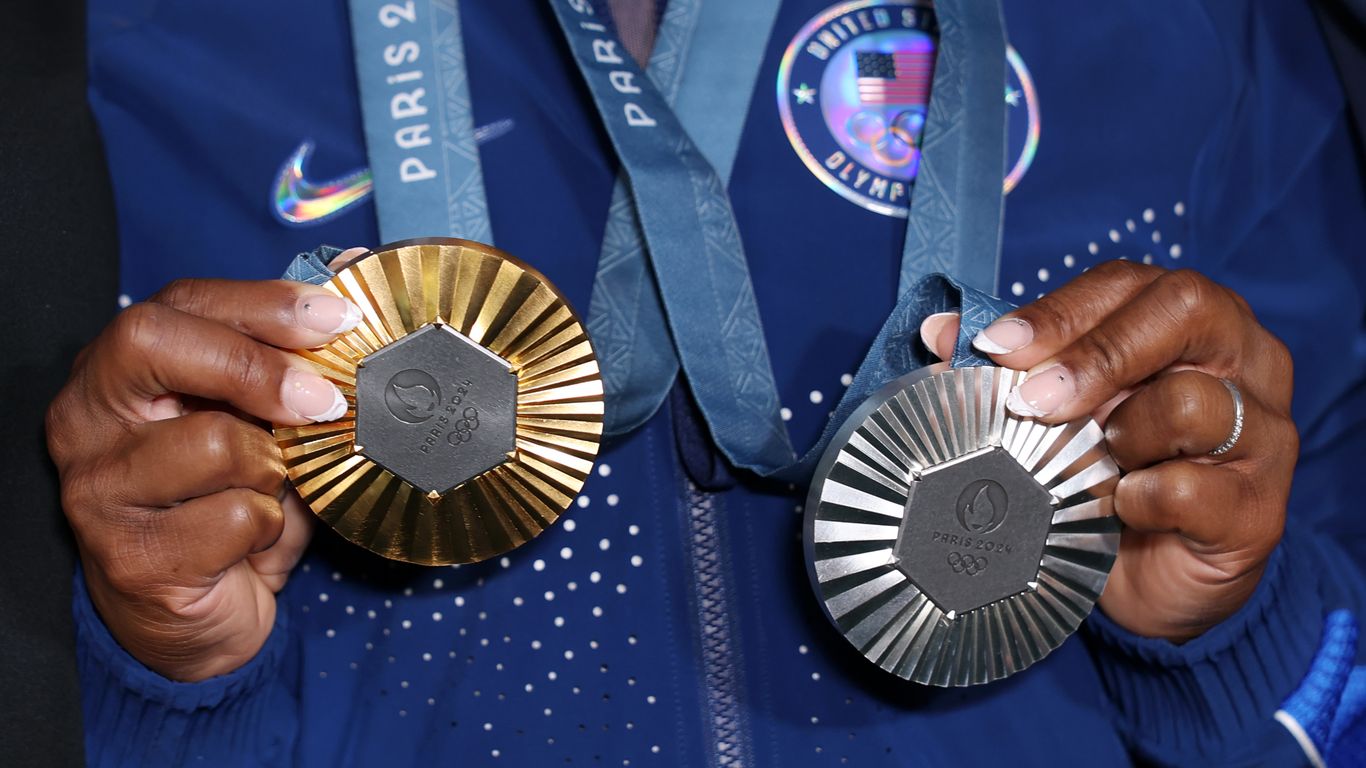
- And intriguingly, silver medalists may feel less satisfaction than bronze medalists due to counterfactual thinking—imagining what could have been.Axios
Summary Table
| Effect | Impact in Competition |
|---|---|
| Positive | Motivation boosts, enjoyment, heightened performance |
| Negative | Anxiety, choking, stress, burnout, perfectionism pressures |
| Moderating Factors | Resilience and training satisfaction help cushion stress responses |
| Mental Strategies | Rituals, psychological signaling, and reframing failure as learning |
Key Takeaways for Neftaly
- Cultivate Intrinsic Motivation & Resilience: Nurture athletes’ autonomy and confidence—not just results.
- Manage Anxiety with Support: Incorporate mental skills training, mindfulness, and coping strategies to help athletes perform under pressure.
- Normalize Failure as Growth: Build psychological safety around setbacks to support recovery and long-term mental health.
- Use Constructive Competition: Design environments where competition motivates improvement, not fear.
- Leverage Mental Rituals: Encourage personalized routines that help athletes harness composure and focus.
Would you like a tailored version of this for athlete workshops, coach training, or social media outreach?
More on athlete mindsets
Confronting failure is an ‘essential objective’ for top athletes, sports psychologist says

Olympic mind Games: 10 ways athletes try to gain a psychological edge
Second-place win or first-place loss? The psychology behind an Olympics silver medal