Neftaly Email: sayprobiz@gmail.com Call/WhatsApp: + 27 84 313 7407

Tag: Race

Neftaly is a Global Solutions Provider working with Individuals, Governments, Corporate Businesses, Municipalities, International Institutions. Neftaly works across various Industries, Sectors providing wide range of solutions.

Neftaly Email: sayprobiz@gmail.com Call/WhatsApp: + 27 84 313 7407

  • Neftaly How to train for a 10K race

    Neftaly How to train for a 10K race

    How to Train for a 10K Race

    Training for a 10K race (6.2 miles) is an excellent goal for runners of all levels, combining endurance, speed, and mental toughness. Whether you’re a beginner or looking to improve your time, a structured training plan can help you cross the finish line strong and confident.

    1. Set a Realistic Goal

    Determine your race-day objectives — whether it’s simply finishing, achieving a personal best, or improving your pace. Your goals will guide your training intensity and focus.

    2. Build a Base with Easy Runs

    Start with easy, conversational-paced runs to develop aerobic endurance. Aim for 3-4 runs per week, gradually increasing mileage by about 10% each week to avoid injury.

    3. Incorporate Interval Training

    Add speed workouts like intervals or fartlek sessions once or twice a week to improve cardiovascular fitness and race pace. For example, alternate 400m fast runs with recovery jogs.

    4. Include Tempo Runs

    Tempo runs, performed at a comfortably hard pace just below your race pace, enhance your lactate threshold and help you sustain faster speeds longer.

    5. Don’t Skip Long Runs

    Long runs build endurance and mental toughness. Gradually extend your longest run up to 8-9 miles to prepare your body for the race distance.

    6. Cross-Training and Strength Work

    Incorporate cross-training activities like cycling or swimming to improve fitness while reducing injury risk. Strength training targeting the core and lower body supports running economy and durability.

    7. Prioritize Recovery

    Rest days and proper sleep are essential to allow your body to adapt and avoid burnout. Listen to your body and adjust training intensity accordingly.

    8. Practice Race-Day Nutrition and Hydration

    Experiment with fueling strategies during training to find what works best for you on race day, ensuring optimal energy levels and hydration.


    At Neftaly, we emphasize that consistent, balanced training tailored to your level is the key to success in a 10K race. With dedication and smart preparation, you can achieve your running goals.
  • Neftaly The Science of Tires and Their Impact on Race Performance

    Neftaly The Science of Tires and Their Impact on Race Performance

    Neftaly: The Science of Tires and Their Impact on Race Performance

    Tires are one of the most critical components influencing race performance in motorsports. The science behind tires involves complex interactions between materials, design, and track conditions, all of which affect grip, handling, and speed.

    Race tires are engineered to maximize traction by optimizing the rubber compound, tread pattern, and tire structure. Softer compounds provide better grip but wear out faster, while harder compounds last longer but offer less traction. Teams must carefully select tire types based on track temperature, surface texture, and weather conditions.

    Tire pressure and temperature also play crucial roles. Proper tire pressure ensures the optimal contact patch—the area of tire touching the track—maximizing grip without compromising durability. As tires heat up during a race, their performance characteristics change; managing this heat is vital to maintain consistency.

    Additionally, tire wear impacts lap times. As tires degrade, grip reduces, forcing drivers to adjust their driving style or make pit stops. Understanding tire behavior allows teams to develop strategies that balance speed and tire longevity.

    In essence, the science of tires combines material technology, physics, and strategy, making it a cornerstone of competitive racing and a key determinant of race outcomes.

  • Neftaly The Influence of the Keirin Race in Japan

    Neftaly The Influence of the Keirin Race in Japan

    https://swlondoner.shorthandstories.com/japanese-keirin/assets/7USTnIHV34/omiya_keirin1-2560x1714.jpeg
    https://swlondoner.shorthandstories.com/japanese-keirin/assets/CfJUNeIIFZ/img_1153-2000x1333.jpeg
    https://japan-forward.com/wp-content/uploads/sites/34/2025/03/GILRS-KEIRIN-race.jpg
    https://roadbikeaction.com/wp-content/uploads/sites/34/2021/08/bettiniphoto_0476193_1_originali-scaled.jpg

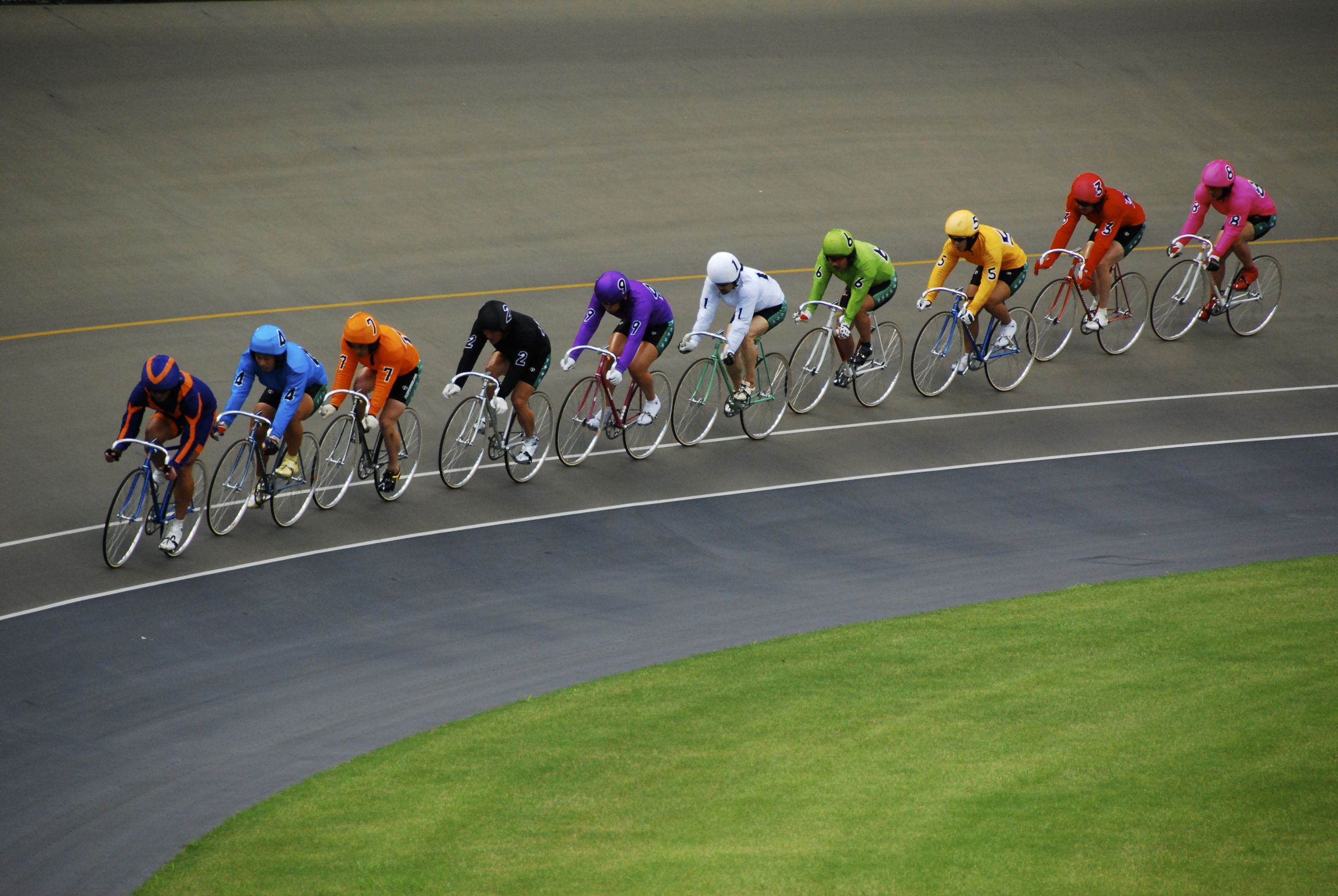
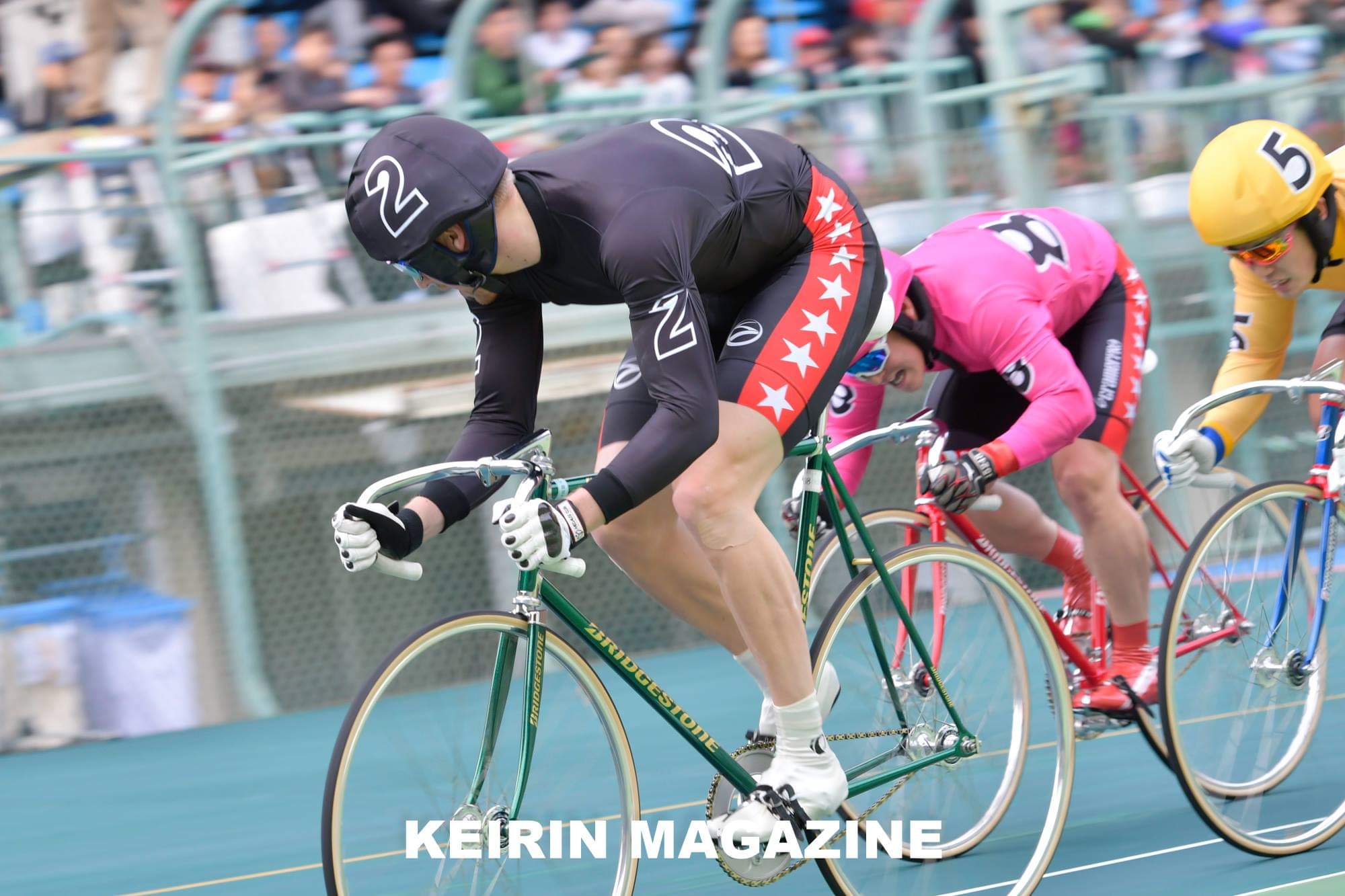
    Here’s a visual journey into the electrifying and culturally rich world of Keirin racing in Japan—from its intense on-track drama to its deeply traditional atmosphere.


    Neftaly — The Influence of the Keirin Race in Japan

    1. Post-War Origins & Economic Revival

    Keirin was born in 1948 amid Japan’s post-World War II reconstruction—established as a legal betting sport to raise revenue and stimulate local economies. The inaugural race took place at Kokura Velodrome and drew massive crowds, marking the start of a transformation in both sport and society.The GuardianBicycling AustraliaShoply Japan

    2. Legalized Gambling & Cultural Impact

    As one of only four sports designated for legal betting in Japan, Keirin has become more than just athletics—it’s a cultural institution. At its peak, the sport attracts astronomical sums; in 2011 alone, bets exceeded ¥600 billion (~US$5 billion), with massive attendance figures and TV viewership across the country.WikipediaShoply JapanCyclist

    3. Discipline, Tradition & the Keirin School

    Aspiring riders must pass through the revered and rigorous Japan Keirin School—admission is competitive, with only ~10% accepted. Those accepted endure a strict 11-month regimen, living under discipline with no phone access, learning race tactics, rules, and even how to handle crashes.WikipediaWIREDNZ HeraldBicycling AustraliaShoply Japan

    4. Regulation & Equipment Integrity

    The Japan Keirin Autorace Foundation (JKA) regulates every aspect of the sport—from rider licensing to the technical specifications of bikes and components. This standardization ensures fairness and preserves the sport’s integrity, especially given its gambling ties.WikipediaBicycling AustraliaCyclist

    5. On-Track Style & Tactics

    Keirin races are known for their physicality and complexity. Riders must declare tactics in advance—such as being a “senko” (leader), “makuri” (mid-position sprinter), or “oikomi” (final burst sprinter). Blocking, shoulder contact, and strategic formation shifts are common. Disobedience or unsafe conduct can result in disqualification or punishment.CyclistBicycling AustraliaShoply Japan

    6. Grand Prizes & Domestic Prestige

    Top riders can earn spectacular earnings—rivaling international sports stars. Year-end events like the Keirin Grand Prix can award over ¥100 million (~A$1 million) to the winner. Many Japanese riders prioritize the domestic circuit over international events due to these lucrative rewards.NZ HeraldCyclistBicycling AustraliaReddit

    7. Women’s Keirin & Growing Inclusivity

    Women’s Keirin (Girls Keirin) was reinstated in 2012 and has seen rising popularity. The domestic discipline has evolved to reflect modern trends, including the use of carbon frames and aero tech, contrasting with the men’s traditional steel bikes.WikipediaReddit

    8. Global Reach & Olympic Presence

    Though originally a domestic sport, Keirin became an Olympic discipline in 2000 and has become a thriller for international audiences. Still, many Japanese riders remain focused on domestic success, where fame and fortune are most abundant.TalkSportThe SunCyclistWikipedia+1


    Summary Table

    DomainInfluence Highlights
    EconomicRebuilt post-war Japan, funded infrastructure via betting.
    CulturalNational obsession; traditions like pre-announced tactics and strict schooling.
    StructuralTight regulation by JKA ensures fairness and integrity.
    CompetitiveHigh-stakes races, massive prize pools, and disciplined competition.
    Gender EvolutionWomen’s Keirin gaining momentum and modernization.
    Global PresenceOlympic adoption balances tradition with international exposure.

    Final Thoughts

    Keirin stands at the intersection of speed, strategy, and societal rebuilding. It’s not only a showcase of raw sprinting but also a cultural epic—shaping Japan’s sports identity for over seven decades. From the classroom-like intensity of Keirin School to the roaring last laps of Grand Prix battles, it remains one of Japan’s most unique and influential athletic traditions.

  • Neftaly The impact of race and ethnicity on professional team selection

    Neftaly The impact of race and ethnicity on professional team selection

    Neftaly: Addressing Racial and Ethnic Disparities in Professional Sports Team Selection

    The Southern Africa Youth Project (Neftaly) is a nonprofit organization dedicated to empowering youth across Southern Africa. While their primary focus areas include social inclusion, digital literacy, mental health, and drug abuse prevention, there is no publicly available information indicating that Neftaly specifically addresses the impact of race and ethnicity on professional team selection.

    However, Neftaly’s broader initiatives aim to empower young people within the region, which may indirectly contribute to fostering inclusion and unity. By providing programs, workshops, and sessions that cover topics such as social inclusion and community outreach, Neftaly seeks to engage and uplift marginalized youth, potentially creating more equitable opportunities in various fields, including sports.

    For more detailed information about Neftaly’s programs and initiatives, you can visit their official website: southernafricayouth.org.

  • Neftaly The psychology of a race car driver

    Neftaly The psychology of a race car driver

    The Psychology of a Race Car Driver

    Racing at high speeds demands more than technical skill—it requires mental strength, focus, and resilience. The psychology of a race car driver is a critical factor in performance, influencing decision-making, reaction time, and consistency under pressure.

    Concentration and Focus: Drivers must maintain intense focus for extended periods, often in chaotic and high-risk environments. They need to process rapidly changing information, anticipate competitors’ moves, and execute precise maneuvers at fractions of a second.

    Decision-Making Under Pressure: Split-second decisions can determine victory or disaster. Drivers train their minds to evaluate risks quickly, weigh options, and commit to actions confidently, even in high-stress situations.

    Emotional Control: Managing fear, frustration, and excitement is essential. Overconfidence can lead to mistakes, while anxiety can slow reaction times. Top drivers develop strategies to remain calm, composed, and fully present throughout the race.

    Resilience and Adaptability: Races are unpredictable. Mechanical failures, weather changes, and accidents require mental flexibility. Drivers must recover quickly from setbacks and adjust strategies without losing focus.

    Visualization and Mental Training: Many drivers use visualization techniques, simulating laps and scenarios mentally before the race. This strengthens neural pathways and improves performance when facing real-life challenges on the track.

    In essence, a race car driver’s success depends not only on physical skill but on a finely tuned mind, capable of maintaining focus, managing emotions, and making rapid, high-stakes decisions under extreme pressure.

  • Neftaly The significance of Le Mans 24-hour race

    Neftaly The significance of Le Mans 24-hour race

    The Significance of the Le Mans 24-Hour Race

    The 24 Hours of Le Mans is one of the most prestigious and grueling events in motorsport, testing endurance, strategy, and engineering like no other race. Held annually in France since 1923, it has become a benchmark for performance and innovation in the automotive world.

    Endurance and Teamwork: Unlike typical races focused on speed alone, Le Mans challenges drivers and teams to maintain performance over a full 24 hours. Success depends on driver rotation, team coordination, and consistent lap times, highlighting the importance of endurance and collaboration.

    Engineering Excellence: Le Mans has driven technological innovation, particularly in fuel efficiency, aerodynamics, and hybrid powertrains. Manufacturers use the race as a proving ground for new materials and technologies that often influence consumer vehicles.

    Strategic Complexity: Teams must balance speed with durability, managing tire wear, fuel consumption, and mechanical reliability. Strategic decisions about pit stops, driver stints, and car setup can make or break a team’s chances of victory.

    Global Prestige: Winning Le Mans is a mark of automotive and racing excellence. The event attracts manufacturers, drivers, and fans worldwide, reinforcing its reputation as a pinnacle of motorsport achievement.

    Cultural and Historical Impact: Beyond racing, Le Mans has shaped motorsport culture, inspiring legends, iconic cars, and memorable moments that resonate throughout racing history.

    In essence, the Le Mans 24-hour race is more than a competition—it is a testament to human endurance, technological innovation, and the spirit of motorsport itself.

  • Neftaly How to train for a 5K race

    Neftaly How to train for a 5K race

    Training for a 5K race is a rewarding journey that enhances cardiovascular health, builds endurance, and boosts mental resilience. Whether you’re a first-time runner or returning after a break, a structured plan can guide you to the finish line with confidence.


    ????‍♀️ Beginner-Friendly 5K Training Plans

    1. Couch to 5K (C25K) Program
    This popular plan is designed for absolute beginners, combining walking and running intervals to gradually build stamina. It typically spans 8 weeks, with three sessions per week, allowing ample recovery time. Runner’s World

    2. Hal Higdon’s Novice 5K Plan
    Suitable for those new to running or returning after a hiatus, this plan emphasizes low-mileage training with a mix of running and walking. It includes rest days and cross-training to prevent burnout. Hal Higdon

    3. Verywell Fit’s 6-Week Plan
    A gradual program that starts with run/walk intervals and transitions to continuous running. It incorporates strength training and rest days to support overall fitness. Verywell Fit


    ???? Sample Weekly Structure


    ???? Tips for Success

    • Start Slow: Begin with manageable intervals and gradually increase running time.
    • Consistency is Key: Stick to your training schedule to build endurance.
    • Proper Footwear: Invest in quality running shoes to prevent injuries.
    • Listen to Your Body: Rest if you feel pain or excessive fatigue.
    • Stay Hydrated and Nourished: Maintain a balanced diet and drink plenty of water.
    • Celebrate Milestones: Acknowledge your progress to stay motivated.Boston Athletic Association+24Snacking in Sneakers+24Daily Burn+24Marie Claire UK+1Glamour

    ???? Ready to Start?

    Choose a training plan that aligns with your fitness level and goals. Consistency and patience are your best allies on this journey. Remember, every step brings you closer to the finish line.

    For a visual guide and additional tips, check out this video: