
Neftaly: Real-Time Biomechanical Monitoring with Wearable Technology
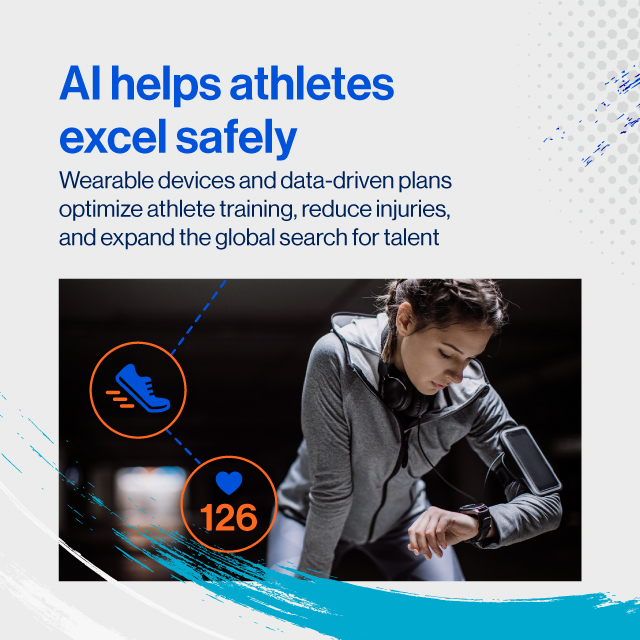
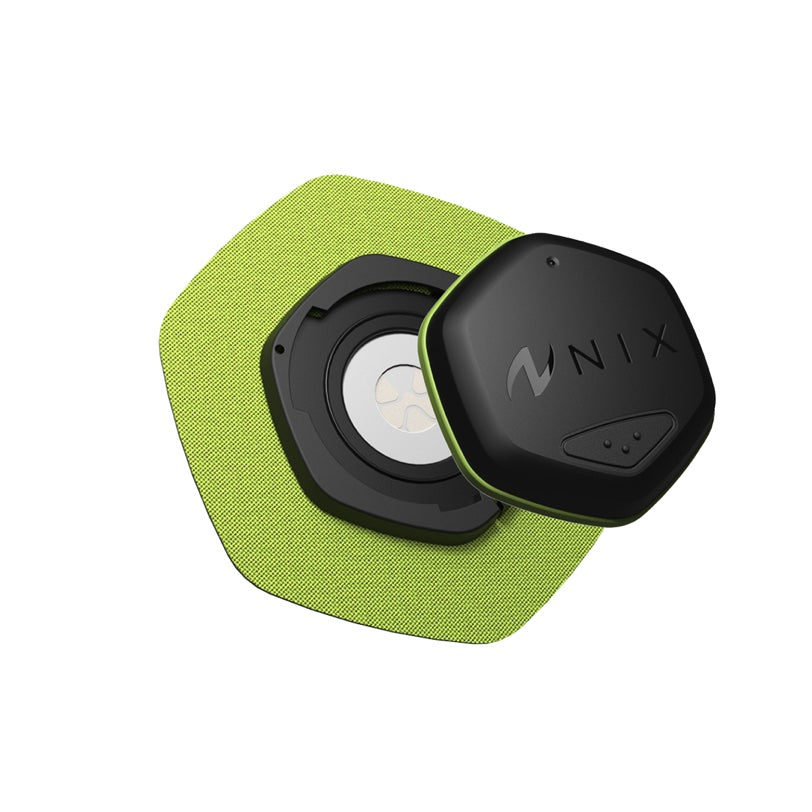
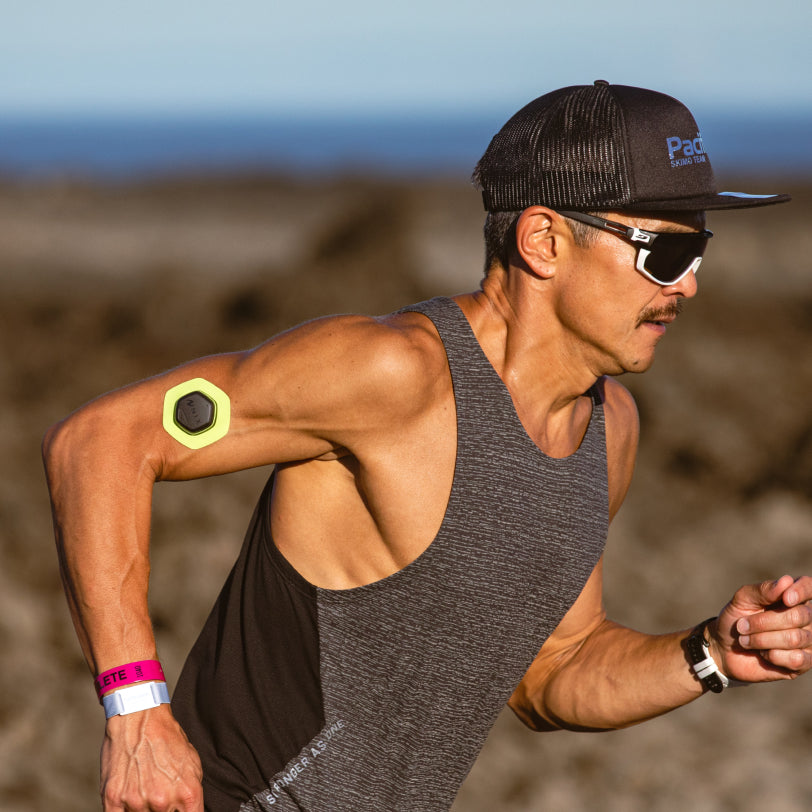
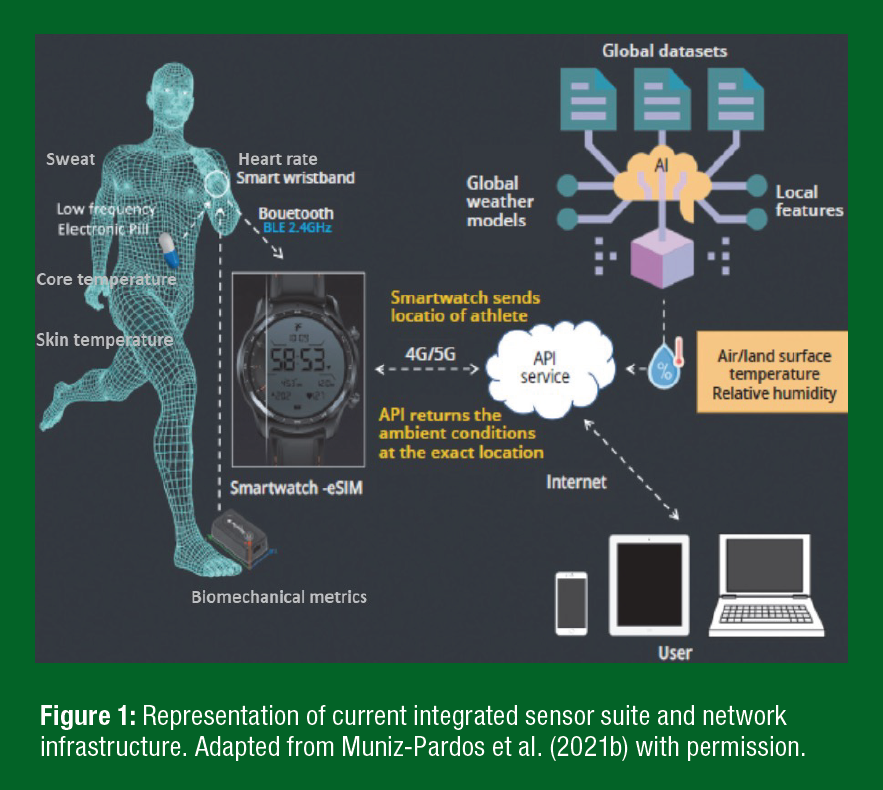
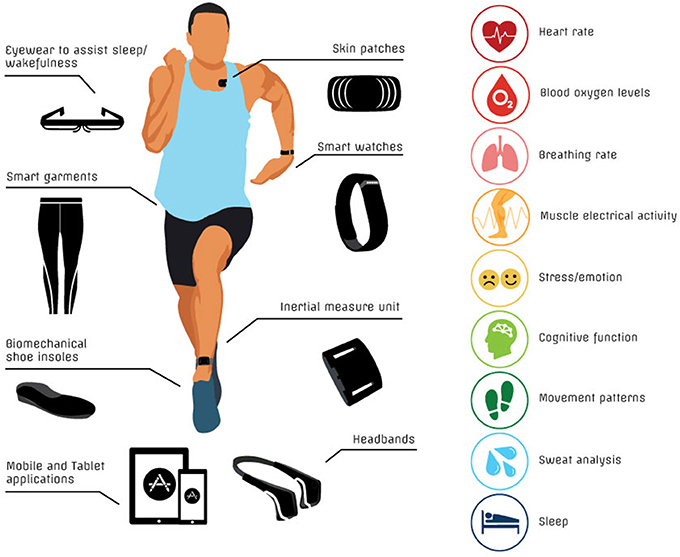
Neftaly integrates advanced wearable technologies to provide real-time biomechanical data, enabling athletes and coaches to optimize performance, prevent injuries, and enhance recovery. By leveraging sensors embedded in clothing and accessories, Neftaly captures detailed movement patterns and physiological responses during training and competition.
???? Core Capabilities
1. Comprehensive Biomechanical Monitoring
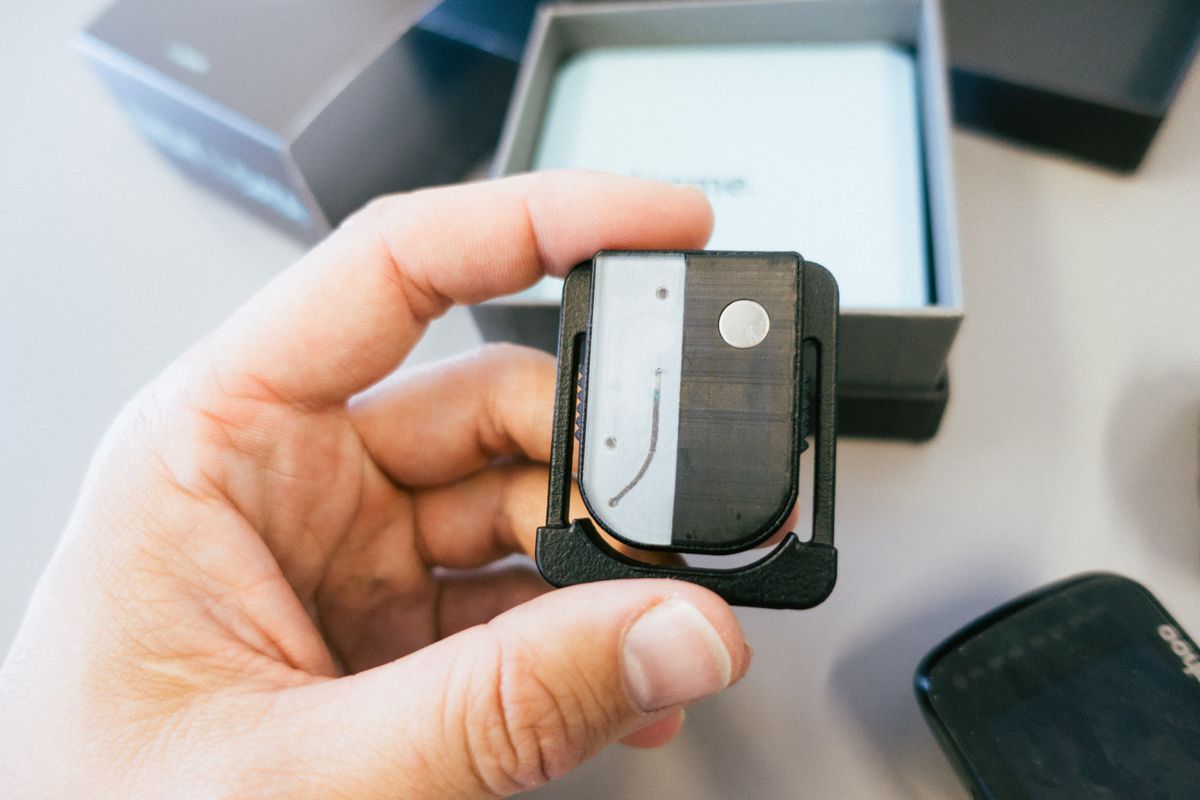
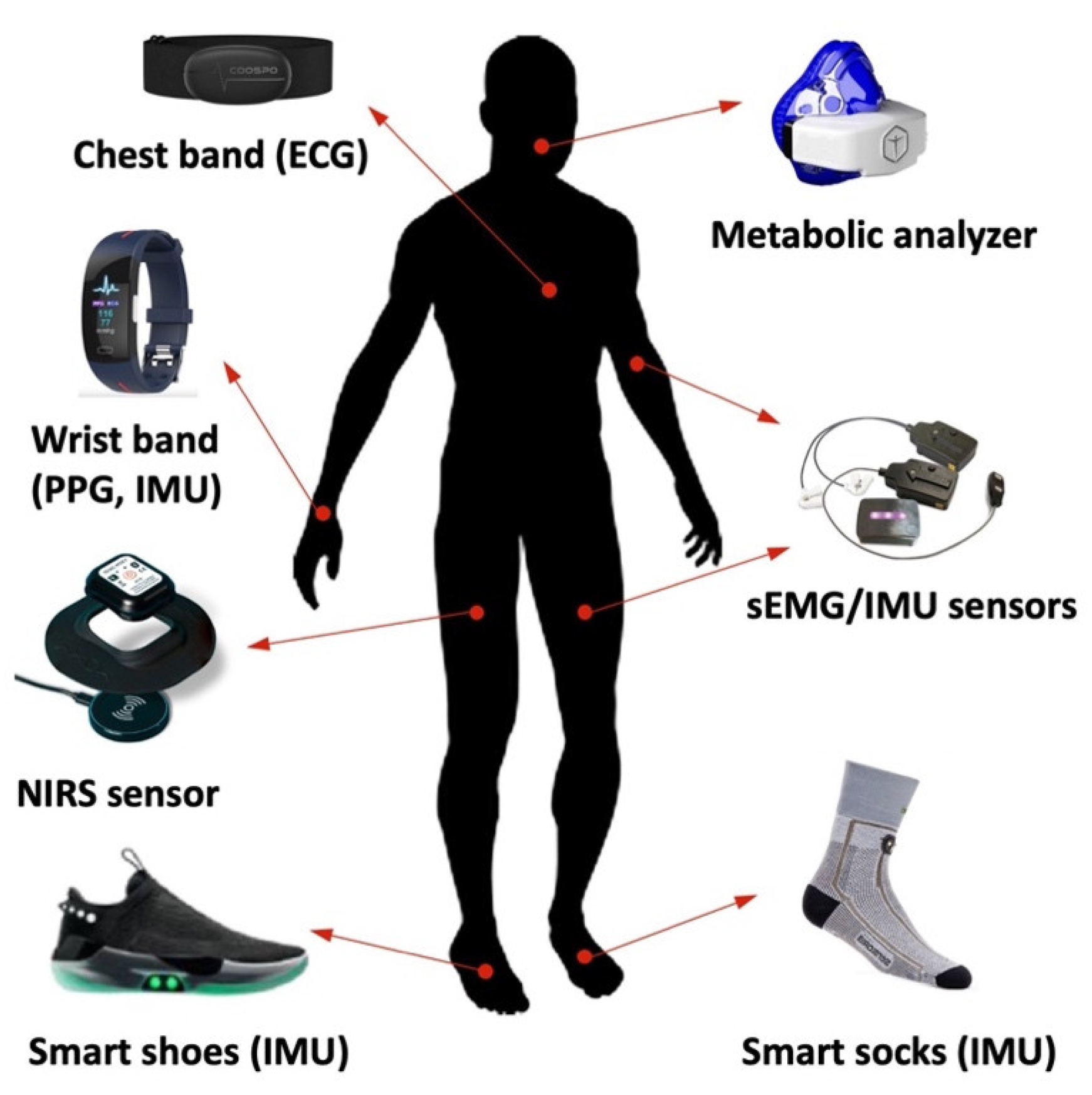
Neftaly utilizes a range of wearable sensors, including accelerometers, gyroscopes, electromyography (EMG) sensors, and force sensors, to monitor various biomechanical parameters such as joint angles, muscle activation, gait patterns, and ground reaction forces. This data is crucial for assessing movement efficiency and identifying potential areas for improvement.
2. Real-Time Feedback for Performance Optimization
The system provides immediate feedback on movement techniques, allowing athletes to make on-the-spot adjustments. For example, in resistance training, wearable sensors can assess lifting techniques and suggest modifications to enhance performance and reduce strain. MDPI
3. Injury Prevention and Risk Assessment
By continuously monitoring biomechanical data, Neftaly can detect abnormal movement patterns or signs of fatigue that may predispose athletes to injuries. Early detection allows for timely intervention, such as adjusting training loads or modifying techniques, to mitigate injury risks. SpringerLink
4. Integration with AI for Predictive Analytics
Neftaly incorporates artificial intelligence to analyze collected data and predict potential performance issues or injury risks. Machine learning algorithms can identify trends and patterns that may not be immediately apparent, providing deeper insights into an athlete’s biomechanical health.
⚙️ Technologies and Tools
- Hexoskin Smart Shirt: A wearable garment that tracks physiological metrics such as heart rate, breathing rate, and movement activity, providing comprehensive data for performance analysis. Wikipedia
- Exoskeletons and Inertial Measurement Units (IMUs): Wearable devices that assist in movement analysis and rehabilitation by providing real-time data on joint angles and muscle activity.
- Surface EMG Sensors: Devices that measure muscle electrical activity, aiding in the assessment of muscle engagement and fatigue levels.
???? Benefits to Athletes and Coaches
- Enhanced Performance: By analyzing biomechanical data, athletes can refine techniques to improve efficiency and effectiveness.
- Injury Prevention: Continuous monitoring helps in identifying and addressing risk factors before they lead to injuries.
- Data-Driven Decisions: Coaches can make informed decisions regarding training loads and recovery strategies based on objective data.
- Personalized Training Programs: Tailored programs can be developed to address individual athlete needs and goals.
???? Real-World Applications
- Professional Sports Teams: Teams utilize wearable technologies to monitor player movements and adjust training regimens accordingly. Catapult
- Rehabilitation Centers: Clinics employ wearable sensors to track patient progress and modify rehabilitation exercises in real-time.
- Industrial Settings: Wearables are used to assess worker movements and prevent workplace injuries. PubMed