

Neftaly: Wearable Sensors for Real-Time Data Collection in Sports Science
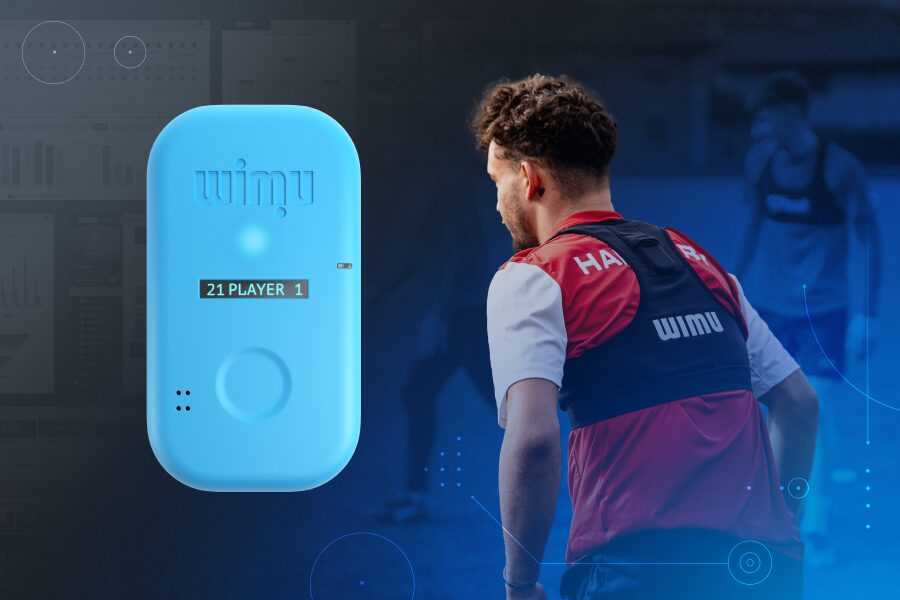
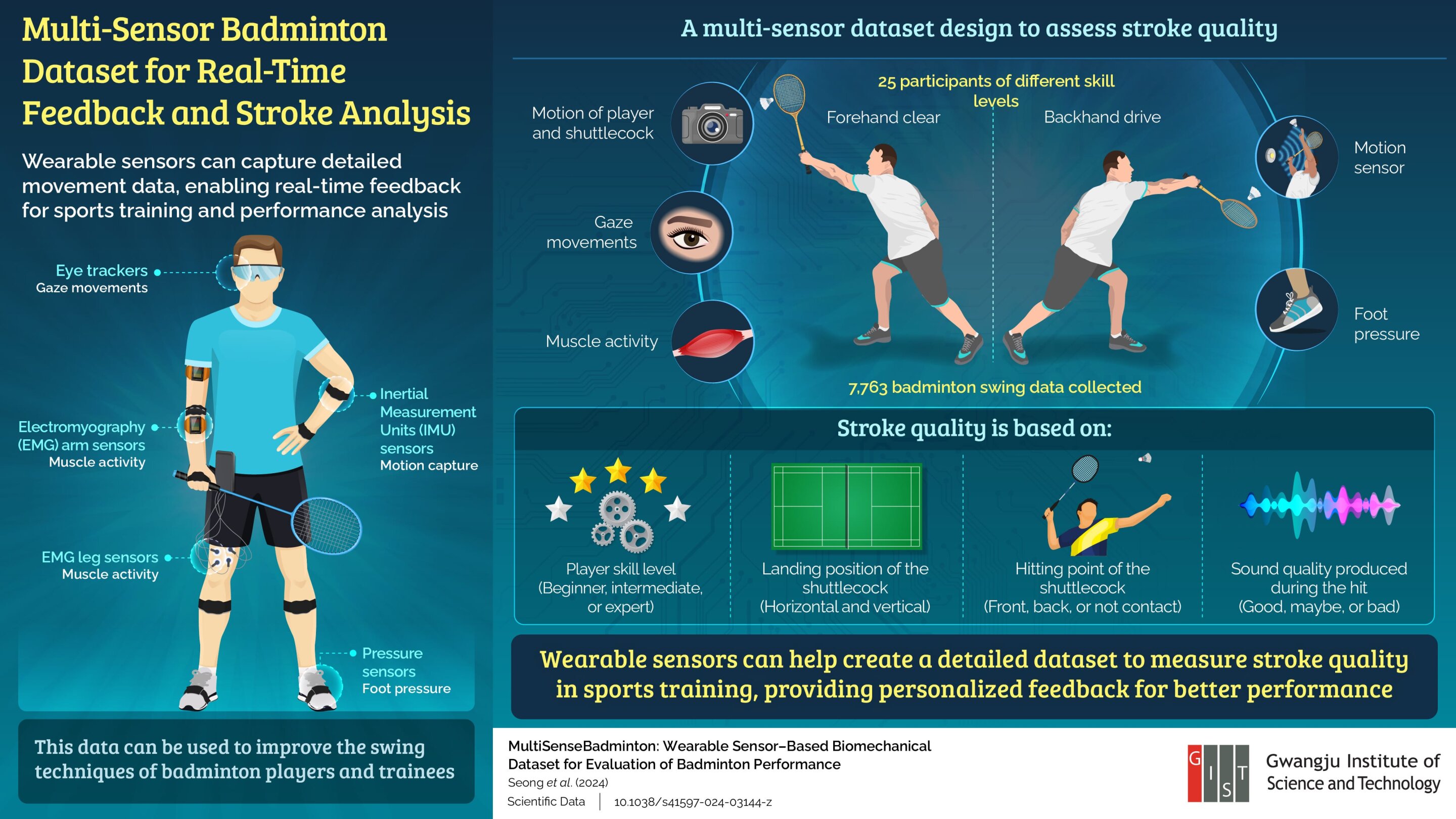
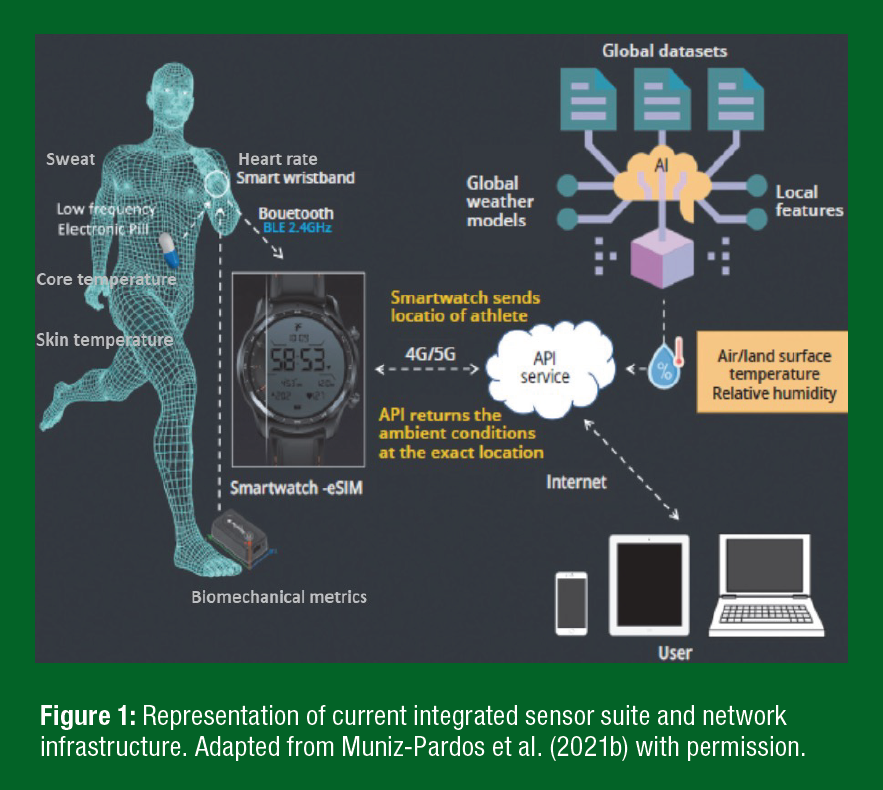
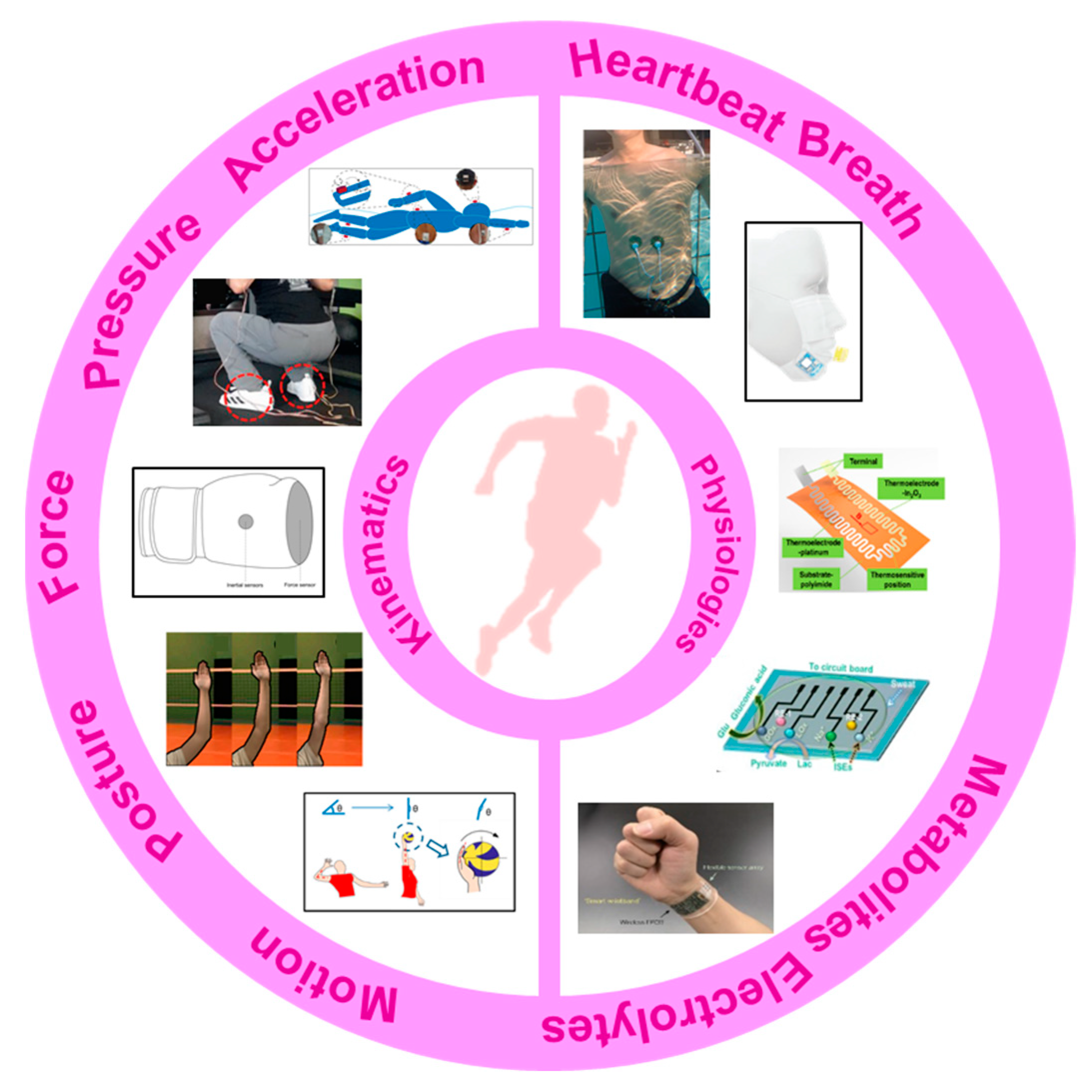
Wearable sensors have become integral in sports science, enabling real-time monitoring of athletes’ physiological and biomechanical data. These devices provide valuable insights into performance, recovery, and injury prevention.
????♂️ Applications of Wearable Sensors
- Performance Monitoring: Devices such as Hexoskin smart shirts monitor metrics like heart rate, breathing rate, and activity levels, allowing for detailed analysis of an athlete’s performance. These insights help in optimizing training programs and enhancing performance.
- Injury Prevention: Wearable sensors can detect movement patterns and physiological stress, helping to identify early signs of potential injuries. This proactive approach allows for timely interventions to prevent injuries.
- Rehabilitation: Sensors aid in tracking recovery progress by monitoring muscle activity and joint movements, ensuring that athletes follow appropriate rehabilitation protocols. This ensures a safe and effective recovery process. MDPI+1
???? Technological Advancements
- Flexible and Stretchable Sensors: Recent developments focus on creating sensors that are lightweight, stretchable, and capable of conforming to the body’s movements, enhancing comfort and accuracy. These advancements improve the usability and effectiveness of wearable sensors. Nature
- AI Integration: The incorporation of artificial intelligence allows for real-time data analysis, providing immediate feedback to athletes and coaches. This integration enhances decision-making and performance optimization.
???? Global Impact
The integration of wearable sensors in sports science is transforming training methodologies, enabling personalized approaches to athlete development and care. These technologies are being utilized across various sports disciplines to enhance performance and safety.