Neftaly Email: sayprobiz@gmail.com Call/WhatsApp: + 27 84 313 7407

Tag: recovery

Neftaly is a Global Solutions Provider working with Individuals, Governments, Corporate Businesses, Municipalities, International Institutions. Neftaly works across various Industries, Sectors providing wide range of solutions.

Neftaly Email: sayprobiz@gmail.com Call/WhatsApp: + 27 84 313 7407

  • Neftaly the adverse outcomes of swimming on injury recovery

    Neftaly the adverse outcomes of swimming on injury recovery

    Swimming is often recommended as a low-impact exercise for injury rehabilitation, but it can also present adverse outcomes on injury recovery when not approached with caution. One concern is the risk of overuse or aggravation of existing injuries. The repetitive motions of swimming, particularly strokes like freestyle and butterfly, place significant strain on the shoulders, knees, and lower back. For individuals recovering from injuries in these areas, swimming may delay healing or worsen the condition if proper techniques and restrictions are not followed.

    Another issue is the false sense of safety swimming provides. Because water supports the body and reduces impact, injured individuals may push themselves harder than they should, believing the activity to be risk-free. This can lead to setbacks in recovery, prolonged pain, or the development of secondary injuries.

    Water resistance, while beneficial for strength, can also hinder recovery if excessive force is applied during movements. For those with joint injuries, sudden or uncontrolled movements in water can cause stress on healing tissues, slowing down the rehabilitation process. Similarly, individuals recovering from fractures or surgical procedures may experience complications if swimming is resumed prematurely.

    Environmental factors also play a role. Chlorinated water may irritate open wounds, surgical scars, or skin conditions, increasing the risk of infection or delayed tissue healing. Cold water exposure can exacerbate muscle stiffness and joint discomfort, further complicating recovery efforts.

    Additionally, not all swimming activities are supervised by physiotherapists or trainers. Without professional guidance, patients may adopt improper techniques or engage in inappropriate swimming exercises, reducing the effectiveness of rehabilitation programs.

    In summary, while swimming can aid recovery, its repetitive strain, potential for overexertion, environmental risks, and lack of structured guidance can create adverse outcomes, slowing or complicating the injury healing process.
  • Neftaly the adverse outcomes of tennis on injury recovery

    Neftaly the adverse outcomes of tennis on injury recovery

    Neftaly the adverse outcomes of tennis on injury recovery

    Tennis, being a physically demanding sport with repetitive movements, often complicates injury recovery rather than supporting it. One major issue is the pressure to return to competition quickly. Players who rely on rankings, prize money, and sponsorships often resume training and tournaments before they are fully healed, which increases the risk of re-injury and long-term physical damage.

    The nature of common tennis injuries—such as tendonitis, stress fractures, or shoulder and knee problems—makes recovery particularly challenging. These injuries often require extended rehabilitation, but the high demands of the sport’s calendar rarely allow sufficient rest. As a result, athletes may experience prolonged pain, limited mobility, or chronic conditions that persist throughout their careers.

    Financial pressures also influence recovery. Since medical treatment, physiotherapy, and specialized rehabilitation programs are costly, players without strong financial backing or insurance may cut corners in their recovery process. This can lead to incomplete healing and reduced performance capacity.

    Psychological stress is another adverse outcome. Injuries can trigger anxiety, frustration, and fear of losing form or rankings. The uncertainty of recovery timelines often causes mental strain, with players feeling isolated while away from competition. This emotional burden can slow down physical healing and negatively affect overall well-being.

    Moreover, the repetitive and high-impact movements of tennis mean that even after recovery, athletes are prone to recurring injuries. Scar tissue, weakened muscles, and biomechanical imbalances often limit the effectiveness of rehabilitation, creating a cycle of injury and relapse.

    In summary, the adverse outcomes of tennis on injury recovery include premature returns to competition, chronic or recurring injuries, financial barriers to proper rehabilitation, psychological stress, and long-term physical limitations, all of which hinder an athlete’s ability to fully recover and sustain their career.

  • Neftaly the drawbacks of swimming on injury recovery

    Neftaly the drawbacks of swimming on injury recovery

    Saypro Swimming Drawbacks Injury

    Neftaly: Drawbacks of Swimming on Injury Recovery

    Swimming is often recommended as a low-impact exercise suitable for rehabilitation and injury recovery. While it offers numerous benefits, such as reduced joint stress and improved cardiovascular fitness, certain drawbacks can affect the recovery process if not properly managed.

    1. Risk of Overexertion Even though swimming is low-impact, excessive training or improper technique can strain muscles and joints, potentially exacerbating existing injuries. Overexertion during recovery may slow the healing process or lead to new injuries.

    2. Improper Technique and Form Incorrect swimming techniques can place undue stress on specific muscle groups or joints, undermining the benefits of rehabilitation. For example, poor freestyle stroke mechanics may aggravate shoulder injuries (commonly known as swimmer’s shoulder).

    3. Limited Weight-Bearing Benefits While swimming improves cardiovascular and muscular endurance, it provides minimal weight-bearing exercise. This can limit bone density improvement and functional recovery in patients recovering from fractures or conditions that require load-bearing rehabilitation.

    4. Pool Environment Risks Swimming in public pools carries risks of exposure to chlorinated water, bacteria, or infections, particularly for athletes with open wounds or compromised immune systems during recovery. Poorly maintained pools may further increase these risks.

    5. Potential Delays in Functional Recovery Focusing solely on swimming for rehabilitation may neglect other essential forms of physical therapy, such as resistance training, flexibility exercises, or sport-specific conditioning. A narrow rehabilitation focus can delay full functional recovery and return to sport.

    6. Overreliance on Aquatic Therapy While swimming can supplement injury recovery, overreliance on aquatic therapy may lead athletes to underestimate the importance of progressive land-based exercises, resulting in incomplete rehabilitation.

    Conclusion Swimming is a valuable tool in injury recovery, offering low-impact exercise and cardiovascular benefits. However, proper technique, balanced training, and complementary land-based rehabilitation are critical to avoid potential drawbacks. Neftaly emphasizes guided, structured programs that integrate swimming with other recovery modalities to maximize healing and prevent setbacks.

  • Neftaly Player recovery programs: cryotherapy and physiotherapy

    Neftaly Player recovery programs: cryotherapy and physiotherapy

    Player recovery programs in hockey increasingly rely on a blend of cryotherapy and physiotherapy to maintain peak performance and reduce downtime from injuries. Cryotherapy, which uses extremely cold temperatures, helps decrease inflammation, minimize muscle soreness, and speed up the healing process after intense games or training sessions. Whole-body cryotherapy chambers and localized ice treatments are commonly used to refresh fatigued muscles, allowing players to recover faster and prepare for upcoming matches. This method is especially valuable in long seasons where players face back-to-back games and limited rest periods.

    Physiotherapy, on the other hand, focuses on restoring mobility, strength, and function after injuries while preventing future problems. Through targeted exercises, manual therapy, and stretching routines, physiotherapists work closely with players to address muscle imbalances, joint stiffness, and lingering strains. Regular physiotherapy sessions also help athletes maintain proper posture, flexibility, and movement efficiency, all of which are essential for performance and injury prevention. In many cases, physiotherapy is not only reactive but proactive, forming a routine part of training programs to keep players in top condition.

    When combined, cryotherapy and physiotherapy create a comprehensive recovery system tailored to the demands of professional hockey. Cryotherapy provides rapid relief for acute fatigue and soreness, while physiotherapy ensures long-term durability and resilience. Together, these methods allow athletes to recover both physically and mentally, maintaining consistency throughout a demanding season. Teams that integrate these recovery programs effectively give their players a competitive advantage by maximizing performance, reducing injury risks, and sustaining overall health.

  • Neftaly The role of sleep and recovery in player performance

    Neftaly The role of sleep and recovery in player performance

    The role of sleep and recovery in player performance is fundamental to sustaining the physical and mental demands of ice hockey. Quality sleep is directly linked to muscle repair, hormonal balance, and overall energy levels, all of which are crucial for athletes who train and compete at high intensity. During deep sleep cycles, the body releases growth hormone, which aids in tissue recovery and reduces the risk of overuse injuries. Players who consistently get sufficient rest often demonstrate better endurance, reaction times, and decision-making on the ice.

    Recovery also extends beyond sleep to include structured routines that help the body rebound from games and practices. Techniques such as active recovery, stretching, massage therapy, and cryotherapy are used to reduce muscle soreness and improve circulation. Proper recovery protocols ensure that players maintain peak performance throughout long seasons that involve frequent travel and tightly packed schedules. Without adequate recovery, fatigue accumulates, leading to decreased performance, higher injury risk, and impaired focus during critical game moments.

    Mental recovery is equally important, as sleep enhances cognitive function, focus, and emotional regulation. Players who prioritize rest are better equipped to handle the psychological stress of competition and maintain confidence under pressure. Teams increasingly recognize sleep and recovery as performance tools, integrating sleep education, tracking technology, and individualized recovery plans into training programs. By treating sleep and recovery as essential elements of preparation, hockey players can optimize performance, extend careers, and consistently compete at the highest level.

  • Neftaly How stadium design impacts athlete focus and recoveryNeftaly How stadium design impacts athlete focus and recovery

    Neftaly How stadium design impacts athlete focus and recoveryNeftaly How stadium design impacts athlete focus and recovery

    Neftaly | How Stadium Design Impacts Athlete Focus and Recovery

    Stadium design plays a crucial role in influencing athlete performance, mental focus, and physical recovery. Beyond aesthetics, architectural elements, environmental factors, and facility layouts can either enhance or hinder athletes’ preparation and post-game recovery.

    Key considerations include:

    • Lighting and visual environment: Proper lighting reduces eye strain, improves spatial awareness, and helps athletes maintain concentration during competition. Visual distractions, excessive glare, or poorly designed sightlines can negatively affect focus.
    • Acoustic design: Sound reverberation and crowd noise management can either energize athletes or create overwhelming sensory input, influencing concentration and stress levels.
    • Climate control and ventilation: Temperature regulation, air quality, and humidity management support physical performance and reduce fatigue. Proper airflow aids recovery by preventing overheating or respiratory strain.
    • Recovery facilities: Integration of physiotherapy rooms, ice baths, hydrotherapy pools, and quiet zones within stadium complexes allows for efficient post-game recovery and mental decompression.
    • Circulation and accessibility: Thoughtful layout ensures athletes can move quickly and safely between locker rooms, training areas, and the field, minimizing stress and conserving energy.

    By prioritizing athlete-centered design, stadiums can enhance focus, reduce cognitive and physical fatigue, and support faster recovery. This creates an environment where performance is optimized, and the risk of injury or burnout is minimized.

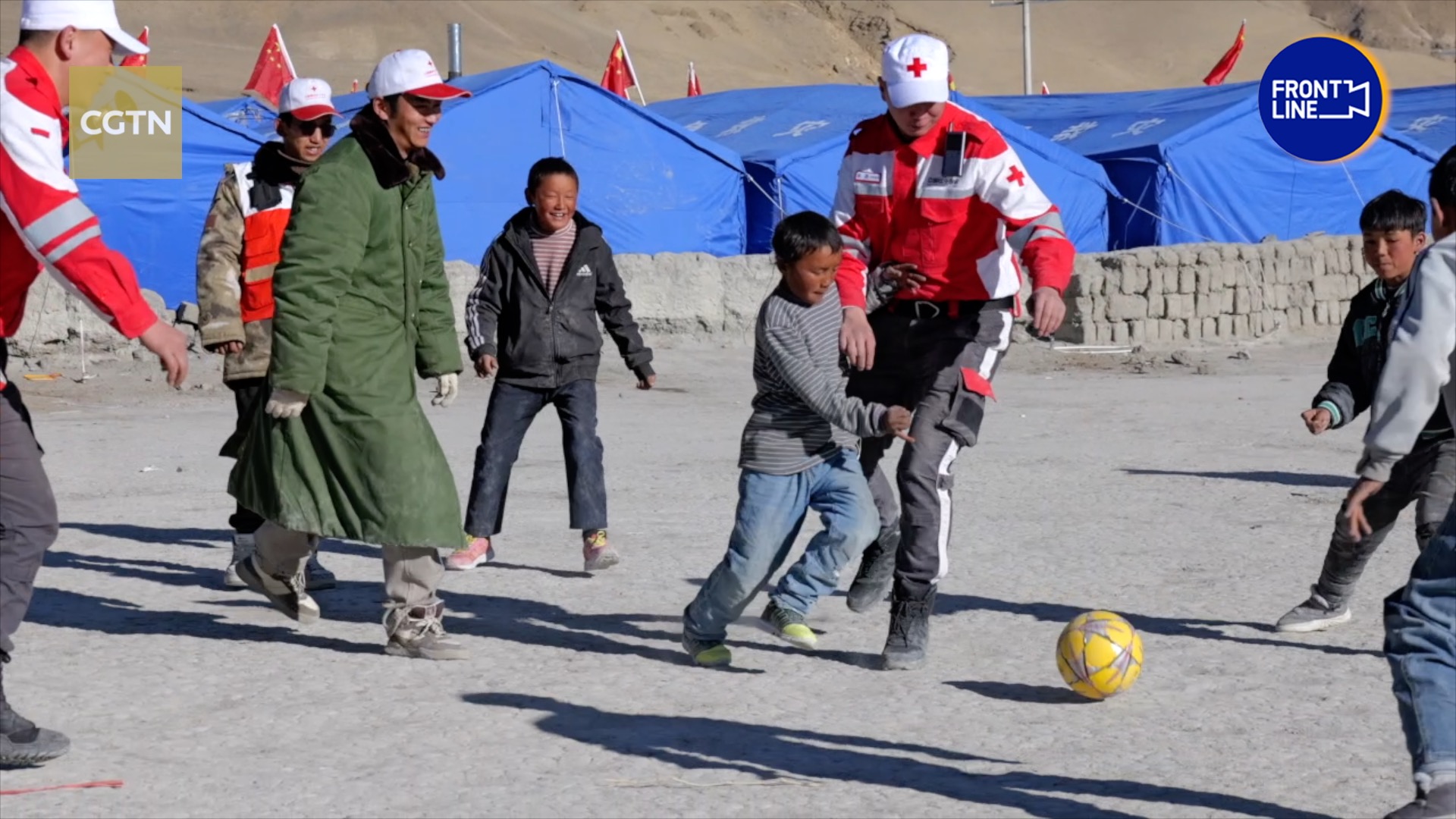
  • Neftaly The role of sports in post-disaster recoveryNeftaly The role of sports in post-disaster recovery

    Neftaly The role of sports in post-disaster recoveryNeftaly The role of sports in post-disaster recovery

    https://video.cgtn.com/news/2025-01-14/Volunteers-help-children-cope-with-trauma-through-sports-and-fun-1A9ZkBPKDx6/video/wu_1ihia8jkumnm2mn1qv9qak19nla/wu_1ihia8jkumnm2mn1qv9qak19nla.jpg
    https://www.lisc.org/media/filer_public_thumbnails/filer_public/50/26/502675be-48a3-4244-ac3b-f0e5d45a1688/121719_puerto_rico_anna_hurt_ribbon_cutting.jpeg__1477x800_q85_subject_location-1121%2C494_subsampling-2.jpg
    https://wordpress.wbur.org/wp-content/uploads/sites/34/2015/08/0828_OAG_superdome-katrina-1000x634.jpg
    https://sportsfacilities.com/wp-content/uploads/sites/34/2023/09/Paradise-Coast-Hurricane-Relief-1024x768.jpeg

    Neftaly: The Role of Sports in Post-Disaster Recovery

    Sports play a vital role in the recovery process following disasters, offering more than just physical activity. They provide a structured environment that fosters emotional healing, community cohesion, and resilience.icsspe.org


    ???? Psychosocial Benefits

    Engaging in sports activities helps individuals process trauma, reduce stress, and rebuild a sense of normalcy. For instance, after the 2011 Tōhoku earthquake and tsunami in Japan, the Tohoku Rakuten Golden Eagles baseball team organized charity games and set up viewing areas for displaced fans, offering both entertainment and a sense of community .Wikipedia


    ????️ Community Rebuilding

    Sports facilities often serve dual purposes during disasters. They act as shelters during emergencies and later become hubs for recovery activities. In New Orleans, after Hurricane Katrina, the Superdome was used as a shelter and later played a significant role in community events that aided in the city’s recovery .WBUR


    ???? Youth Engagement

    For children, returning to sports can be particularly therapeutic. In regions affected by disasters, programs have been implemented to help children cope with trauma through sports and play, providing them with a sense of routine and a safe space to express emotions .CGTN News


    ???? Global Initiatives

    International organizations have recognized the power of sports in disaster recovery. Programs like the 3R (Resilience, Recovery, and Rebuilding) initiative in the Philippines have utilized sports to facilitate disaster recovery, focusing on psychosocial care and community engagement .ResearchGate


    In summary, sports are a powerful tool in post-disaster recovery, offering psychological support, fostering community spirit, and aiding in the rebuilding process. Their role extends beyond recreation, becoming a cornerstone in the healing journey of affected communities.

  • Neftaly How nutrition supports recovery during ultramarathon stage racesNeftaly How nutrition supports recovery during ultramarathon stage races

    Neftaly How nutrition supports recovery during ultramarathon stage racesNeftaly How nutrition supports recovery during ultramarathon stage races

    Neftaly How Nutrition Supports Recovery During Ultramarathon Stage Races
    This topic examines the critical role of nutrition in helping ultramarathon athletes recover during multi-day stage races. It covers how strategic intake of carbohydrates, proteins, fats, and electrolytes aids in replenishing energy stores, repairing muscle tissue, and reducing inflammation. The discussion also highlights hydration strategies, timing of meals and snacks, and the use of supplements to optimize recovery, ensuring athletes maintain peak performance throughout consecutive race stages.