????♂️ Accurate Tracking of Training Load & Performance
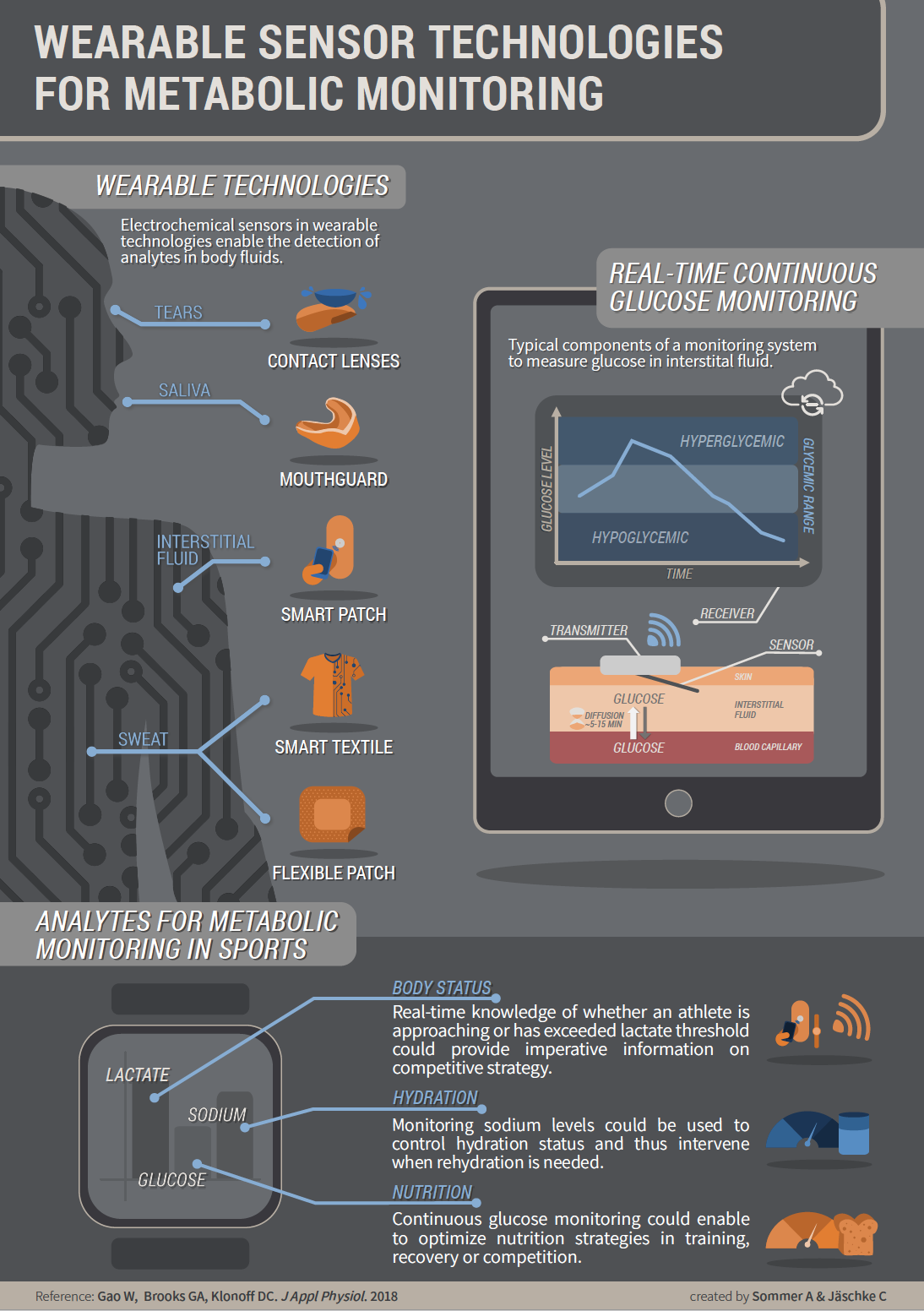
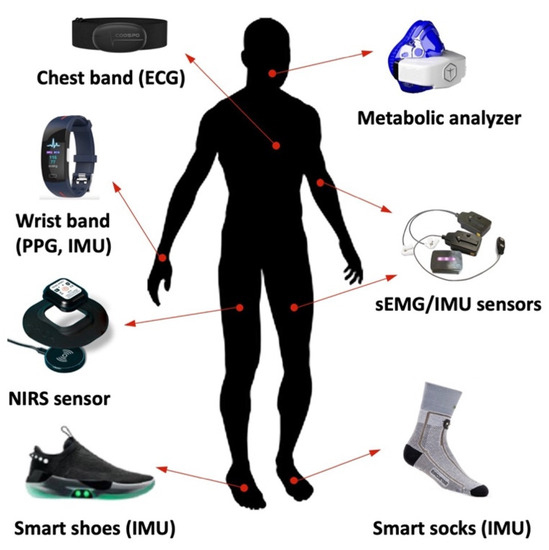
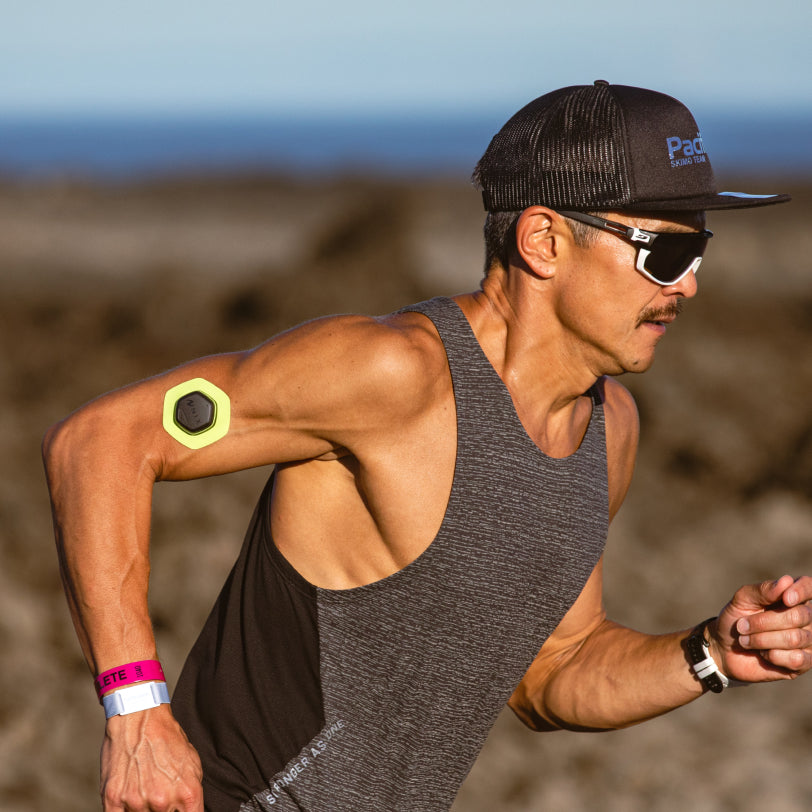
- Modern wearables like GPS-enabled smart bands and accelerometer-based sensors capture external load metrics—distance, acceleration, deceleration, jump counts, and directional changes (“Player Load™”)—allowing coaches to quantify real-world physical stress with precision.WordPress+15F1000Research+15MoldStud+15
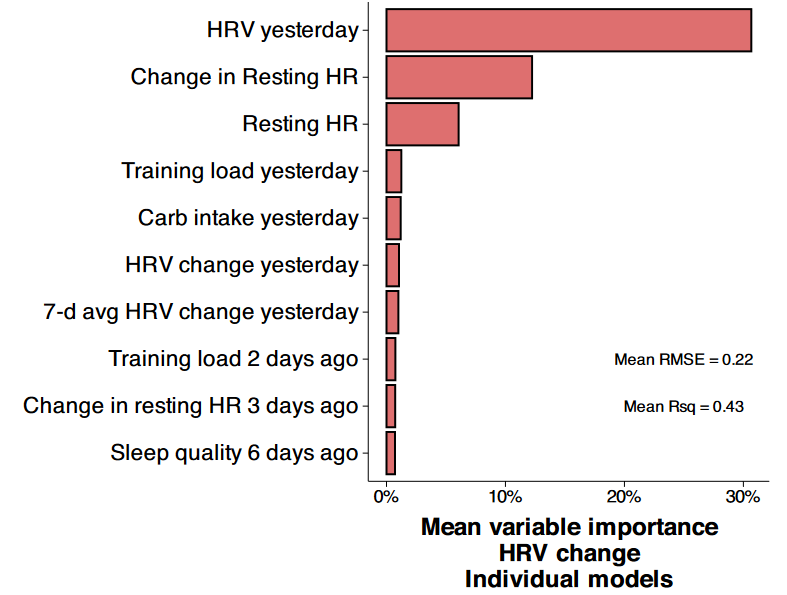
- On the internal load side, devices measure heart rate, HRV (heart rate variability), and resting heart rate to assess physiological stress and readiness—essential metrics for adaptive training programs.F1000ResearchLippincott Journals
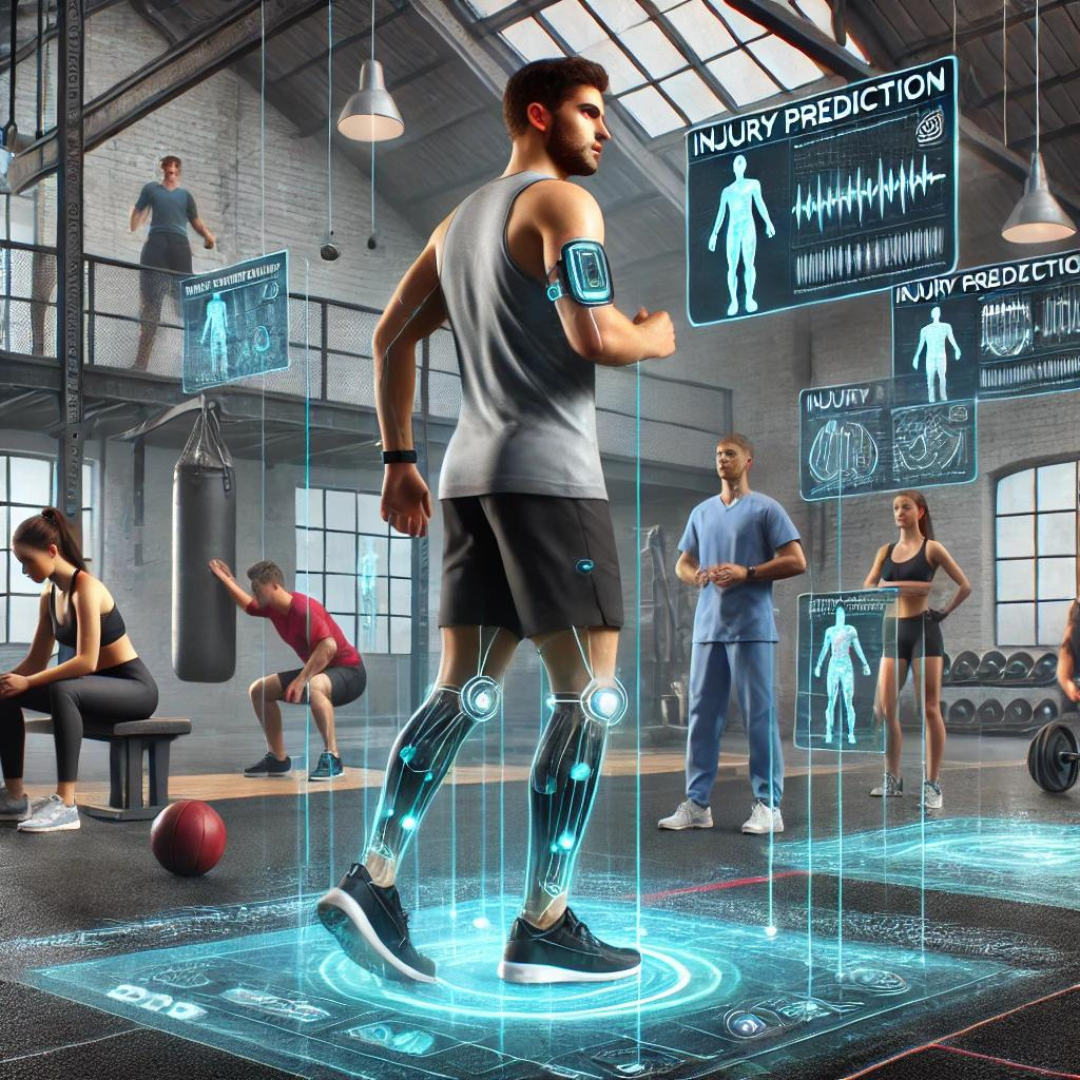
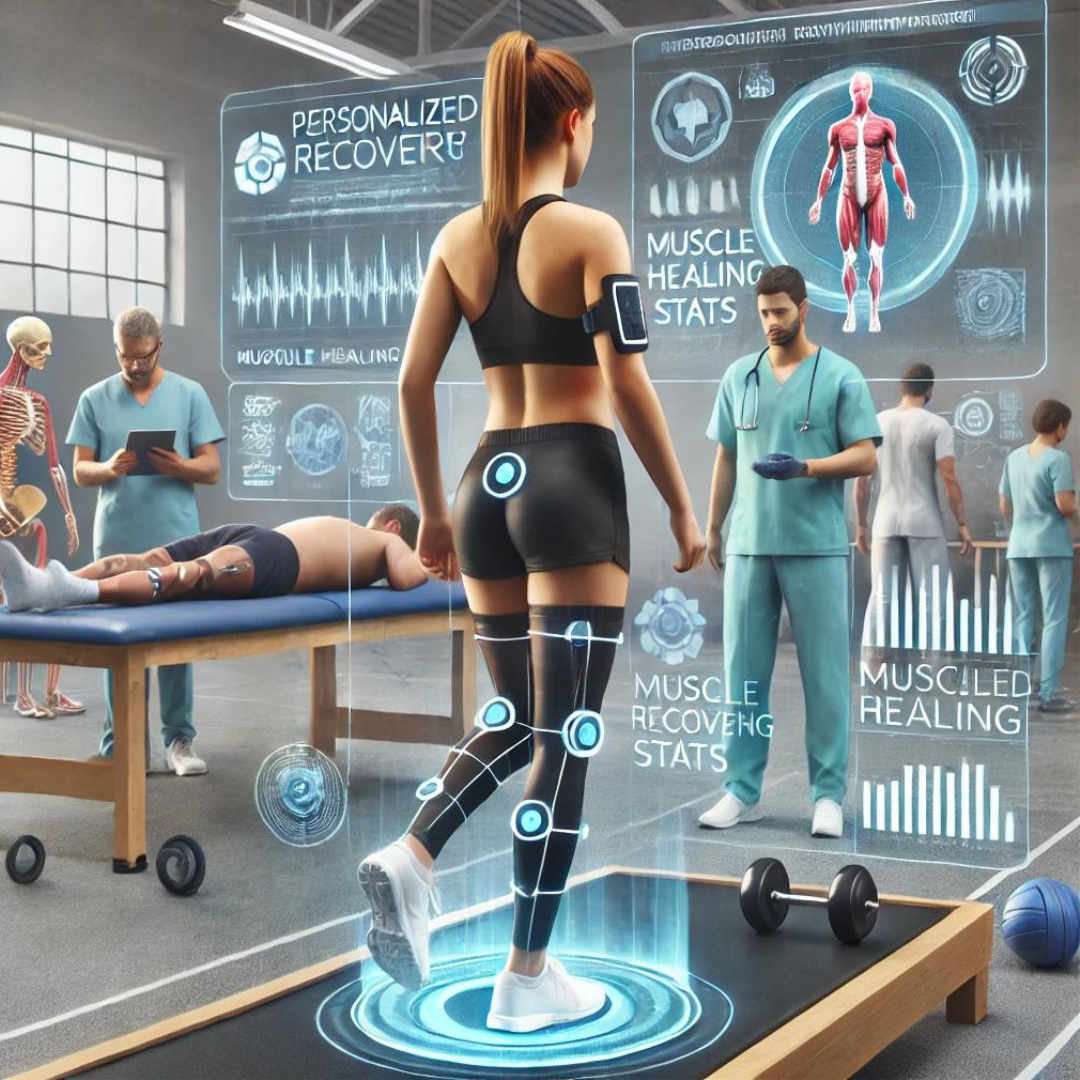
???? Streamlined Recovery Monitoring & Injury Prevention
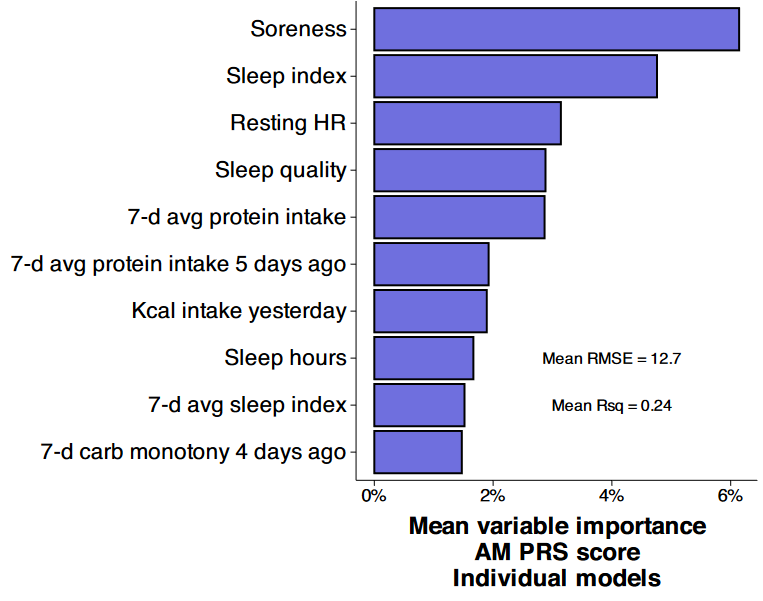
- Sleep quality and HRV monitoring help flag early fatigue or poor recovery. For instance, reduced HRV or elevated resting heart rate often indicate overtraining risk and can prompt adjustments.Gymfeel+1Number Analytics+1
- Data-driven insights into recovery lead to significantly reduced injury rates: teams using wearable tech have seen injury reductions of 20–60%.Wikipedia+15Sports ABC+15WordPress+15
✅ Training Optimization with Real-Time Feedback
- Athletes and coaches receive live feedback during sessions—e.g. heart rate zone, pace, biomechanical cues—letting them immediately adjust effort or technique.Gymfeel+2Sports Venue Technology+2Sportmember+2
- This real-time insight ensures training sessions stay aligned with each athlete’s current physiological capacity.
???? Personalized Load Management & Adaptive Planning
| Objective | Wearable Feature | Benefit |
|---|---|---|
| Optimize effort | HRV, sleep data, readiness scores | Prevent overtraining, stress signaling |
| Quantify external load | GPS + accelerometers | Balance physical stress and avoid spikes in volume |
| Injury risk mitigation | Fatigue detection via biomechanical shifts | Intervene before overuse injuries emerge |
| Coaching optimization | Real-time metrics + visual dashboards | Data-informed decisions on exercise selection |
???? Case Example
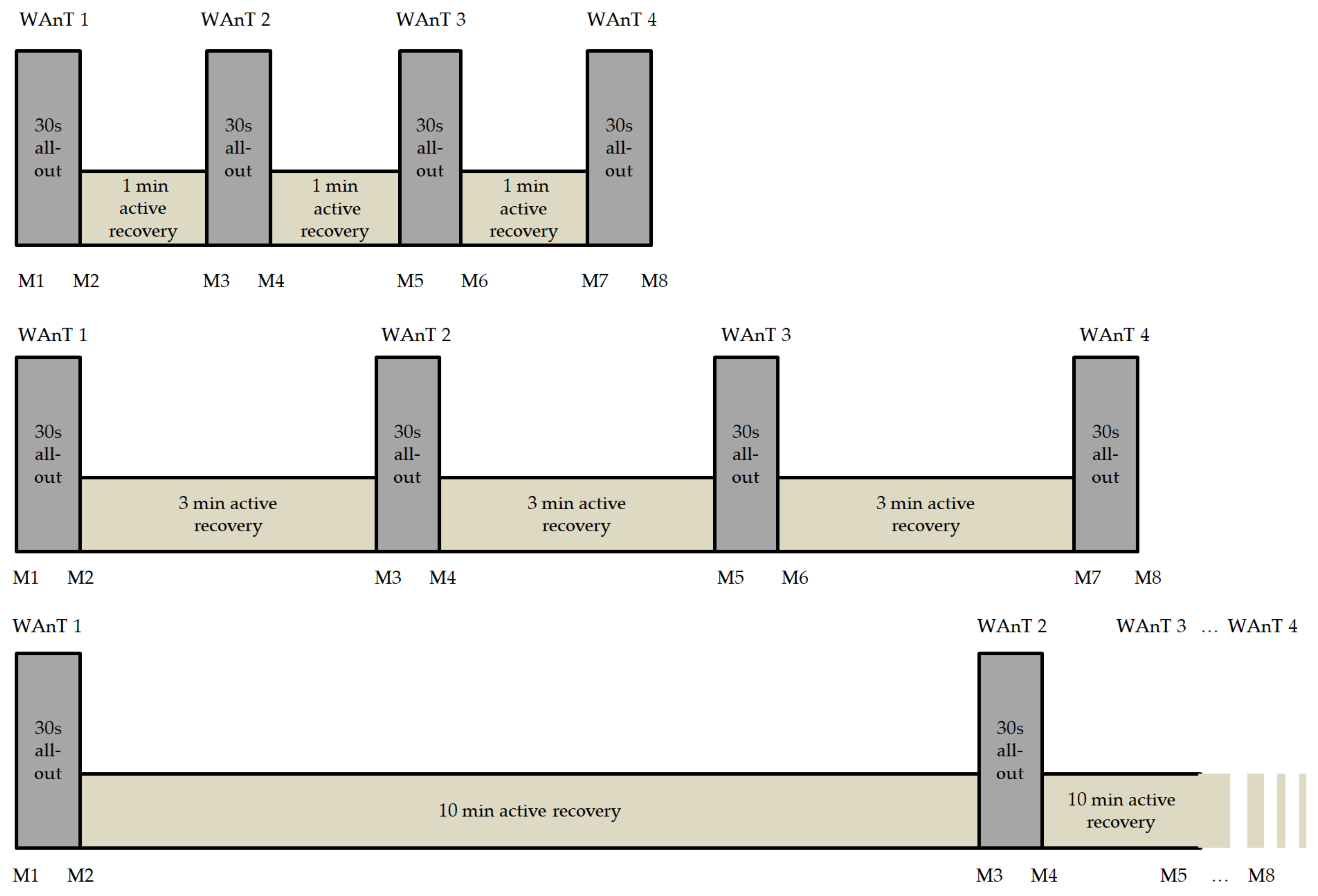
Say a young athlete’s HRV drops by >10% and sleeping hours are poor: wearable analytics alert the coach, and training intensity is adapted—e.g. shift to active recovery or skills work—reducing risk of injury while maintaining consistency.Sports Venue TechnologyWordPressRedditbmcsportsscimedrehabil.biomedcentral.comWIRED+6Sports ABC+6The Times+6
???? Research Underpins Effectiveness
- A BMC scoping review concluded wearables are key to optimizing workload and injury prevention across youth sports—including accelerometer and GPS-based monitoring in 67% of studies.bmcsportsscimedrehabil.biomedcentral.com
- F1000Research confirms that combining internal (HR/HRV) and external (movement) load data enables early detection of overtraining, facilitating safer training progression.F1000Research
???? Program Integration for Neftaly
1. Select Youth-Friendly Wearables
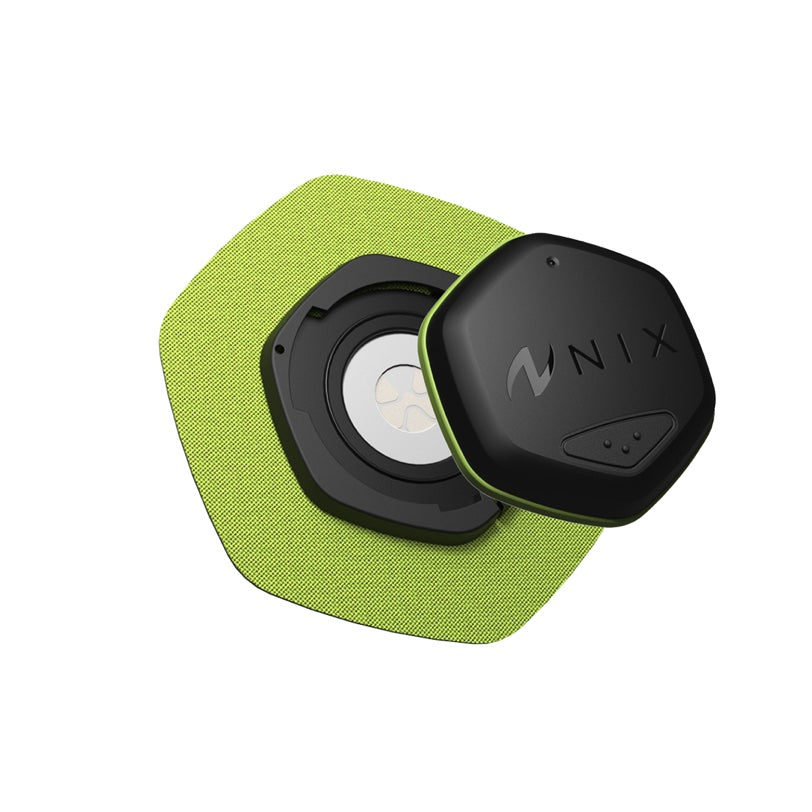
- Options: WHOOP Strap or Garmin wearables for HRV, sleep, training strain; wearable units like Hexoskin or smart sensors for movement tracking.
2. Implement Baseline & Monitoring Protocols
- Collect data from initial weeks to establish individual physiological norms (sleep, HRV, load). Ongoing daily monitoring alerts to deviations.
3. Dashboard & Education for Stakeholders
- Set up coach dashboards that track readiness, load, and trends. Educate athletes and families on understanding HRV dips, sleep patterns, and load ratios.
4. Integrate Adaptive Recovery & Response
- Use wearable feedback to tailor rest days, active recovery, or training modifications—especially during periods of elevated stress or competition load.
???? Considerations & Responsible Use
- Avoid data overload: Strike balance between external metrics and athletes learning to listen to their bodies; avoid overdependence.Wikipedia+3Lippincott Journals+3Wikipedia+3
- Ensure usability and comfort: Wearables must fit securely, feel non-intrusive, and remain functional in varied environments common for youth sport.bmcsportsscimedrehabil.biomedcentral.comSportmember
???? Why This Matters for Neftaly
- Holistic health tracking: Sleep, recovery, physiological stress, and training load are all monitored, creating a full picture of athlete well-being.
- Proactive protection: Early warning systems guide adjustments before fatigue or injury sets in.
- Empowered coaching: Decisions are based on real-time, contextual data—not guesswork.
- Sustainable performance: Smart load management boosts long-term development, minimizes burnout, and promotes healthy training habits.