Neftaly is a Global Solutions Provider working with Individuals, Governments, Corporate Businesses, Municipalities, International Institutions. Neftaly works across various Industries, Sectors providing wide range of solutions.
Neftaly: Developing Stigma Reduction Campaigns Within Sports Organizations
Neftaly designs and implements targeted stigma reduction campaigns aimed at creating more open and supportive environments within sports organizations. These campaigns raise awareness about mental health challenges, challenge negative stereotypes, and encourage athletes, coaches, and staff to seek help without fear of judgment. By fostering a culture of acceptance and understanding, Neftaly helps break down barriers to mental wellness, promoting healthier teams and more resilient sports communities.
Neftaly: Using Virtual Reality for Mental Rehearsal and Anxiety Reduction
In the pursuit of peak performance, mental preparation is just as crucial as physical training. At Neftaly, we are excited about the potential of virtual reality (VR) technology to revolutionize how athletes mentally prepare and manage anxiety.
What is Virtual Reality Mental Rehearsal?
Virtual reality mental rehearsal immerses athletes in realistic, controlled environments where they can practice skills, strategies, and scenarios without physical strain. This immersive experience enhances focus, confidence, and readiness by engaging both the mind and senses.
Benefits for Anxiety Reduction
Safe Exposure: VR allows athletes to confront performance anxiety triggers in a safe, simulated space, gradually reducing fear responses.
Controlled Environment: Athletes can repeat scenarios as many times as needed, building familiarity and calmness.
Enhanced Visualization: The immersive nature of VR strengthens mental imagery, a proven technique to improve performance and reduce stress.
Personalized Training: VR programs can be tailored to individual needs, focusing on specific challenges and goals.
Neftaly’s Vision
Neftaly is committed to integrating cutting-edge tools like virtual reality into athlete mental health and performance programs. By combining technology with expert guidance, we help athletes build resilience, sharpen focus, and manage anxiety effectively.
Experience the future of mental training—where technology and mindfulness unite to empower athletes both mentally and physically.
Neftaly: Exploring the Effects of Mindfulness Training on Athlete Focus and Stress Reduction
In the high-pressure world of sports, maintaining sharp focus and managing stress effectively are essential for peak performance. Neftaly explores how mindfulness training offers powerful tools to enhance athletes’ concentration and reduce stress, contributing to both mental well-being and competitive success.
Mindfulness and Athletic Performance
Enhanced Focus: Mindfulness practices help athletes anchor their attention to the present moment, improving reaction times and decision-making.
Neftaly: Developing Stigma Reduction Campaigns Tailored for Sports Communities
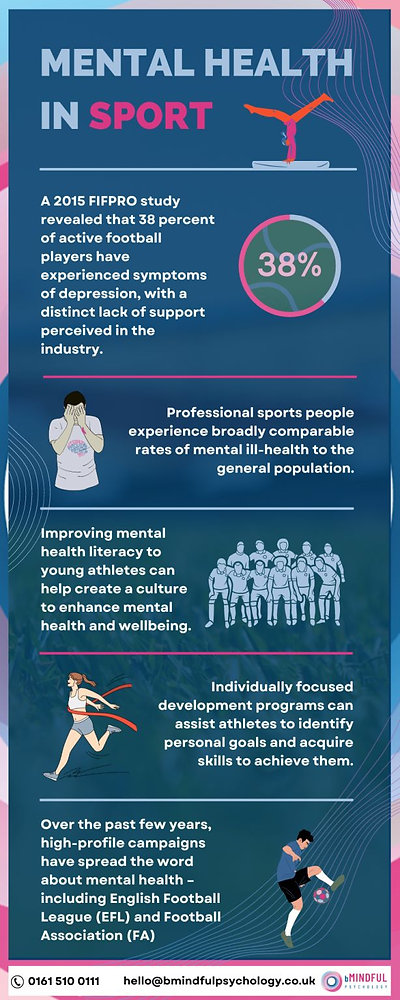
Mental health stigma remains a significant barrier to well-being and performance in sports. Developing targeted campaigns within sports communities is essential to foster open dialogue, encourage help-seeking behaviors, and create supportive environments for athletes.PMC
???? Understanding the Importance of Stigma Reduction
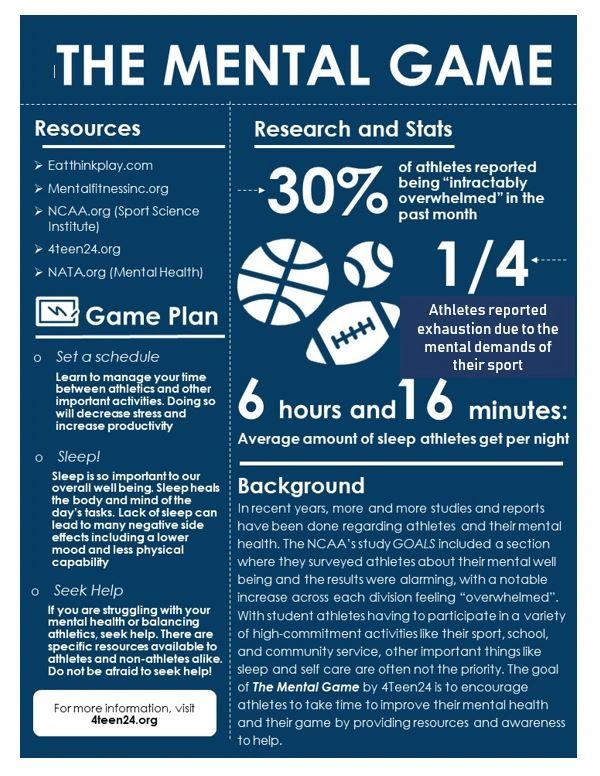
Stigma surrounding mental health in sports often leads athletes to conceal their struggles, fearing judgment or negative consequences. This culture of silence can exacerbate mental health issues and hinder recovery. Addressing stigma is crucial to ensure athletes feel safe and supported in seeking help.
???? Effective Strategies for Tailored Campaigns
Leverage Athlete Role Models: High-profile athletes sharing personal experiences can normalize mental health discussions and inspire others to seek support. Campaigns like the NFL’s “Love Your Mind” initiative, featuring athletes discussing their mental health rituals, have proven effective in reaching broad audiences. Ad Council Org
Implement Peer-Led Initiatives: Empowering athletes to lead mental health awareness programs fosters a sense of community and reduces stigma. Student-athletes, in particular, can influence campus culture positively. A study highlighted that involving student-athletes in mental health campaigns could decrease stigma across college campuses. aswis.orgGeorgia State News Hub
Integrate Mental Health Education into Training: Incorporating mental health topics into regular training sessions and workshops helps normalize these discussions. Educational programs can equip athletes and staff with the tools to recognize and address mental health issues effectively.
Utilize Media and Social Platforms: Creating content that showcases mental health resources, success stories, and coping strategies can reach a wide audience. Social media campaigns can amplify messages and encourage open dialogue among athletes and fans alike.
Collaborate with Mental Health Organizations: Partnering with organizations dedicated to mental health can provide expertise and resources to strengthen campaign efforts. For instance, the U.S. Center for Mental Health & Sport collaborates with sports organizations to promote mental wellness in athletic communities. mentalhealthandsport.org
???? Measuring Campaign Impact
To assess the effectiveness of stigma reduction campaigns, it’s essential to:
Conduct Pre- and Post-Campaign Surveys: Evaluate changes in attitudes towards mental health before and after campaign implementation.
Monitor Help-Seeking Behaviors: Track the number of athletes accessing mental health resources during and after the campaign period.
Gather Qualitative Feedback: Collect personal stories and testimonials to understand the campaign’s impact on individuals.
???? Global Initiatives and Insights
Internationally, various sports organizations have undertaken initiatives to reduce mental health stigma:
The Hidden Opponent: A nonprofit organization that provides resources and unites a global community to empower athletes to prioritize their mental health and shatter the stigma within sports culture. My Site
The Whole Being Athlete Program: An initiative by Athletes for Hope that unites and empowers athletes of all levels and backgrounds to work together and reduce the stigma of mental health in and out of sports. Athletes for Hope
Neftaly: Encouraging Mindfulness Meditation for Stress Reduction in Competition
Mindfulness meditation has emerged as a powerful tool for athletes aiming to enhance focus, reduce anxiety, and perform under pressure. By cultivating present-moment awareness and emotional regulation, mindfulness practices can significantly improve athletic performance and mental resilience.Wikipedia
????♂️ Benefits of Mindfulness Meditation for Athletes
Research underscores the effectiveness of mindfulness meditation in various aspects of athletic performance:
Reduced Competition Anxiety: Mindfulness training has been shown to alleviate both somatic and cognitive state anxiety in athletes, leading to improved self-efficacy and performance outcomes. Frontiers
Enhanced Focus and Performance: A meta-analysis revealed that mindfulness training significantly improves athletes’ mindfulness levels, fluency, psychological anxiety, and overall performance. Frontiers
Improved Emotional Regulation: Mindfulness practices help athletes manage stress and anxiety, supporting mental well-being and reducing the risk of injuries. Human Kinetics Journals
???? Implementing Mindfulness Meditation in Athletic Training
Incorporating mindfulness meditation into training routines can be straightforward and beneficial:
Yes, Neftaly (Southern Africa Youth Project) is actively integrating mind-body techniques to support stress reduction and mental well-being among youth athletes. These initiatives are part of their broader commitment to promoting health, safety, and well-being in communities across Southern Africa.
????♂️ Neftaly’s Mind-Body Wellness Approach
Neftaly employs a holistic approach to youth development that combines physical activity with mental and emotional support. Their programs are designed to ensure activities are balanced between physical challenges, safety, mental preparation, and team building. Key components include:arts.saypro.online
Breathing Exercises: Techniques to reduce stress and anxiety.arts.saypro.online
Positive Affirmations: Boosting self-esteem and resilience.
Mindfulness and Relaxation: Engaging in practices like meditation or guided relaxation after activities to process emotions and foster a calm mindset.arts.saypro.online
Recognizing the therapeutic power of creative expression, Neftaly incorporates art into their programs to enhance emotional well-being. Their Public Art and Mental Health Awareness initiative transforms urban environments into supportive spaces for reflection and connection. This program highlights murals, installations, and community projects that address mental health topics with compassion and honesty, fostering dialogue, reducing stigma, and promoting well-being. arts.saypro.online
Additionally, Neftaly offers Recovery Rooms: Interactive Art Therapy Sessions, providing youth with opportunities to engage in creative activities that support mental health and personal growth. southernafricayouth.org
???? Holistic Health and Wellness Programs
Neftaly’s commitment to mental health extends beyond individual programs. They conduct research and offer training in areas such as:
Music and Art Therapy: Evaluating therapeutic benefits for various mental health conditions.southernafricayouth.org
Sports and Physical Activity-Based Mental Health Programs: Analyzing impacts on depression and anxiety.southernafricayouth.org
Integrated Care Models: Focusing on the co-management of physical and mental health conditions.southernafricayouth.org+1
Mental Health Literacy Campaigns: Aiming to educate the public and reduce stigma. southernafricayouth.org
???? Get Involved or Learn More
To participate in or learn more about Neftaly’s initiatives, you can contact them directly at info@saypro.online or visit their official website at saypro.online. They offer various programs and resources aimed at enhancing the lives of young individuals across the region.
Neftaly (Southern Africa Youth Project) is actively promoting mental health literacy and stigma reduction at all levels of sports through comprehensive education, training, and community engagement initiatives. Recognizing the critical need to address mental health in sports, Neftaly’s programs aim to equip athletes, coaches, and communities with the knowledge and tools to foster a supportive environment that prioritizes mental well-being.
???? Mental Health Literacy in Sports
Mental health literacy involves understanding mental health issues, recognizing symptoms, knowing how to seek help, and fostering attitudes that promote mental well-being. In the context of sports, enhancing mental health literacy is essential for early identification of mental health challenges and encouraging athletes to seek appropriate support. Neftaly’s initiatives focus on:
Educational Workshops: Conducting sessions for athletes and coaching staff to increase awareness about mental health issues and available resources.
Resource Development: Creating accessible materials that provide information on mental health topics relevant to the sports community.
Collaborations with Mental Health Professionals: Partnering with experts to deliver specialized training and support.
???? Reducing Stigma in Sports
Stigma surrounding mental health can prevent athletes from seeking help and can negatively impact their performance and well-being. Neftaly addresses this issue by:
Awareness Campaigns: Launching initiatives to challenge misconceptions and promote open discussions about mental health in sports.
Peer Support Programs: Establishing networks where athletes can share experiences and support each other.
Training Coaches and Staff: Equipping sports personnel with the skills to recognize signs of mental health issues and respond appropriately.
???? Community Engagement and Support
Neftaly’s approach extends beyond individual athletes to include entire communities, ensuring a holistic support system:
Community Outreach: Engaging local communities through events and programs that promote mental health awareness.
Youth Empowerment: Providing platforms for young people to discuss mental health and develop resilience.
Collaborations with Schools and Organizations: Partnering with educational institutions and community groups to integrate mental health education into broader youth development programs.
???? Impact and Future Directions
Through these initiatives, Neftaly aims to create an environment where mental health is prioritized, stigma is reduced, and athletes are supported in achieving their full potential. The organization’s ongoing efforts focus on expanding reach, enhancing program effectiveness, and fostering a culture of mental well-being in sports across Southern Africa.
Neftaly advances athlete mental health by elevating mental health literacy and dismantling stigma through inclusive, evidence-based campaigns tailored to sports contexts.
Pillars of Effective Campaign Design
Education & Media Messaging Evidence shows that accurate, educational messaging effectively dispels myths and fosters empathy. Public campaigns—especially on digital platforms—can reduce negative attitudes toward mental health conditions and build community awareness.Park UniversitySAGE Journals
Lived-Experience Contact Meaningful impact comes from featuring personal stories—whether through testimonial videos or live speaking events—as they humanize mental health and challenge stigma.Pan American Health OrganizationWikipedia
Role Models & Athlete Champions Involving elite athletes who speak openly about their mental health helps reframe vulnerability as strength. Programs where athletes share their stories—especially when combined with creative expression—can deeply shift norms and inspire help-seeking behavior.SELFThe GuardianPMCNCAA.org
Digital Interactive Campaigns Campaigns using social media, storytelling, or games have proven effective in increasing mental health knowledge, reducing stigma, and encouraging help-seeking intentions.SAGE JournalsPMC
Successful Case Studies
“Ahead of the Game” Sports-Based Program This intervention combined literacy training, messaging campaigns, and education for parents and coaches. It significantly improved depression and anxiety literacy, help-seeking intentions, and resilience among adolescent male athletes.PubMed
Systematic Review on Athlete MHL Programs Research shows that mental health literacy (MHL) programs for athletes yield small to moderate improvements in mental health knowledge, stigma reduction, and help-seeking attitudes—though not yet consistently in actual help-seeking behaviors.PubMed
NCAA’s Tackling Stigma Pilot Focused on student-athletes, this program aimed to improve mental health literacy, empathy, and help-seeking by challenging stereotypes and facilitating contact with those impacted by mental health challenges.NCAA.org
Neftaly’s Strategic Framework
Strategic Element
Neftaly Implementation
Digital Campaigns
Launch athlete-featured videos and social content sharing personal stories and mental health facts.
Interactive Tools
Use engaging digital tools—mobile quizzes, webinars, or interactive games—that teach recognition and first-aid responses.
Role Model Engagement
Collaborate with respected athletes to speak candidly about mental health, reframing stigma as resilience.
Coach & Family Education
Deliver tailored workshops or resources to coaches and parents to boost literacy and destigmatizing language across environments.
Community Visibility
Host match-day mental health awareness events—like pre-game presentations, resource stands, and storytelling.
Why This Matters
Informed and Empathetic Athlete Communities: Education and contact-based campaigns cultivate understanding, reduce barriers, and build support systems.
Normalized Mental Health Discourse: Featuring real athlete narratives encourages open conversations and reduces stigma in sports culture.
Culture of Early Intervention: By improving recognition and help-seeking intentions, Neftaly promotes proactive mental health care.
In summary: Neftaly’s mental health literacy and stigma reduction campaigns blend digital media, storytelling, role model engagement, and educational outreach to foster empathetic and mentally resilient athletic environments.
Developing Mindfulness-Based Stress Reduction (MBSR) Programs for Athletes
Mindfulness-Based Stress Reduction (MBSR) is an evidence-based program that combines mindfulness meditation and yoga to help individuals manage stress, anxiety, and pain. Originally developed by Dr. Jon Kabat-Zinn in the late 1970s, MBSR has been adapted for various populations, including athletes, to enhance performance and well-being.Wikipedia+2Stony Brook University+2
????♂️ Core Components of MBSR for Athletes
An MBSR program tailored for athletes typically includes:
Mindful Breathing: Focusing on the breath to anchor attention and promote relaxation.
Body Scan Meditation: Systematically observing bodily sensations to increase body awareness.
Gentle Yoga: Incorporating mindful movement to enhance flexibility and reduce tension.
Mindful Eating and Walking: Practicing mindfulness in daily activities to cultivate present-moment awareness.
These practices aim to help athletes develop greater awareness of their thoughts, emotions, and physical sensations, leading to improved emotional regulation and stress management.
Reduced Stress and Anxiety: MBSR has been shown to decrease symptoms of stress and anxiety in athletes, leading to improved mental health and performance. PMC
Enhanced Emotional Regulation: Regular mindfulness practice helps athletes manage their emotions, leading to better decision-making and resilience under pressure.
Improved Sleep Quality: Mindfulness practices can enhance sleep quality, which is crucial for recovery and performance.
Increased Focus and Concentration: Mindfulness training can improve attention and focus, essential for peak performance in sports.
????️ Implementing an MBSR Program for Athletes
To develop an effective MBSR program for athletes, consider the following steps:
Needs Assessment: Evaluate the specific stressors and challenges faced by the athlete population.
Program Design: Tailor the MBSR curriculum to address the identified needs, incorporating relevant practices and techniques.
Qualified Instructors: Engage certified MBSR instructors with experience in working with athletes.
Integration with Training: Incorporate mindfulness practices into the athletes’ regular training schedules to promote consistency.
Ongoing Support: Provide continuous support and resources to help athletes maintain their mindfulness practice.
Programs like the Mindful Sport Performance Enhancement (MSPE) have successfully integrated MBSR principles to enhance athletic performance and well-being. mindfulsport