Neftaly Email: sayprobiz@gmail.com Call/WhatsApp: + 27 84 313 7407

Tag: related

Neftaly is a Global Solutions Provider working with Individuals, Governments, Corporate Businesses, Municipalities, International Institutions. Neftaly works across various Industries, Sectors providing wide range of solutions.

Neftaly Email: sayprobiz@gmail.com Call/WhatsApp: + 27 84 313 7407

  • Neftaly Addressing stigma related to mental health medication use in sports

    Neftaly Addressing stigma related to mental health medication use in sports

    Neftaly: Combating Stigma Surrounding Mental Health Medication Use in Sports

    Neftaly (Southern Africa Youth Project) is a non-profit organization dedicated to empowering youth across Southern Africa by addressing the interconnected aspects of mental, physical, and social well-being. Recognizing that holistic health is essential for personal development and community transformation, Neftaly integrates these dimensions into its programs to foster resilient and thriving youth.

    In the realm of sports, mental health challenges are prevalent among athletes, yet seeking help remains stigmatized. Research indicates that between 5% and 35% of elite athletes report experiencing mental health disorders, with numbers even higher among college athletes. Despite this, fewer than half of student-athletes who report mental health concerns seek treatment, often due to stigma. Cleveland ClinicPubMed

    The Impact of Stigma

    The stigma surrounding mental health medication in sports can deter athletes from seeking necessary treatment, potentially leading to worsened conditions and impaired performance. This stigma is often rooted in the misconception that using medication signifies weakness or a lack of mental toughness.

    Athletes Leading the Change

    Prominent athletes have begun to challenge these stigmas by openly discussing their mental health struggles and the role of medication in their treatment. For instance, Simone Biles addressed accusations regarding her use of ADHD medication, emphasizing that it was a legitimate part of her treatment plan. Similarly, Olympic sprinter Noah Lyles has been transparent about his mental health challenges, advocating for greater awareness and support. Teen VogueTIME+1The New Yorker+1

    Neftaly’s Commitment

    Neftaly is dedicated to dismantling the stigma associated with mental health medication in sports. Through education, advocacy, and support, Neftaly aims to create an environment where athletes feel empowered to seek the help they need without fear of judgment.

    Contact Information

  • Neftaly Addressing stigma related to mental health in elite sports communities

    Neftaly Addressing stigma related to mental health in elite sports communities

    Neftaly: Addressing Stigma Related to Mental Health in Elite Sports Communities

    Mental health stigma remains a major barrier to support and recovery in elite sports. Athletes often fear judgment, discrimination, or negative impacts on their careers if they disclose struggles. Neftaly is committed to breaking down these barriers and fostering a culture where mental health is treated with the same seriousness as physical health.

    1. Raising Awareness About Stigma’s Impact
    Neftaly educates athletes, coaches, and staff on how stigma undermines mental well-being and limits access to care.

    2. Promoting Open, Honest Conversations
    We create platforms and safe spaces where athletes can share experiences without fear, normalizing mental health discussions.

    3. Engaging Influential Role Models
    By partnering with respected athletes and leaders who share their mental health journeys, Neftaly helps reshape attitudes and inspire acceptance.

    4. Implementing Anti-Stigma Training Programs
    Neftaly delivers targeted training to challenge myths, biases, and stereotypes within sports organizations.

    5. Encouraging Policy Changes Supporting Mental Health
    We advocate for organizational policies that protect athletes from discrimination and promote inclusive mental health practices.

    Conclusion
    Addressing stigma is essential to creating supportive elite sports environments. Neftaly’s efforts empower communities to embrace mental health openly, fostering resilience and performance through acceptance and understanding.

  • Neftaly Addressing stigma related to mental health medication in competitive sports

    Neftaly Addressing stigma related to mental health medication in competitive sports

    Neftaly: Addressing Stigma Related to Mental Health Medication in Competitive Sports

    Mental health challenges in competitive sports are often accompanied by misconceptions and stigma, especially regarding the use of medication. Neftaly is dedicated to breaking down these barriers by providing accurate information, fostering open dialogue, and promoting acceptance around mental health treatments, including medication.

    Our programs educate athletes, coaches, and support staff about the role of medication as a valid and sometimes essential component of mental health care. By normalizing conversations about treatment options, Neftaly helps reduce fear, shame, and misinformation that can prevent athletes from seeking the help they need.

    Through workshops, testimonials, and resource sharing, Neftaly creates a supportive environment where athletes feel empowered to prioritize their mental well-being without judgment or fear of discrimination.

    With Neftaly, stigma is challenged, and mental health medication is understood as one of many tools athletes can use to achieve balance and sustain performance.

  • Neftaly Addressing mental health challenges related to career transitions and retirement

    Neftaly Addressing mental health challenges related to career transitions and retirement

    Neftaly: Empowering Career Transitions & Retirement with Mental Health Support

    Neftaly is a digital mental health platform tailored to provide confidential, structured, and empathetic support during career transitions—whether shifting professions, taking career breaks, or preparing for retirement.

    ???? Key Support Areas

    1. Navigating Identity Shift & Role Loss

    Transitioning from an established career to retirement or a new vocation often leads to loss of professional identity, social connection, and daily structure. Neftaly offers guided coaching, group workshops, and one-on-one counseling to help users redefine purpose and self-worth beyond their former roles Kiplinger+9CMH NSW+9TIME+9The Guardian.

    2. Managing Emotional Adjustment

    Major career changes can bring psychological distress, anxiety, and depressive symptoms—especially when transitions are involuntary or poorly planned PubMedBioMed CentralPubMed. Neftaly delivers structured support through CBT‑based interventions, resilience‑building sessions, and emotional regulation strategies that ease the adjustment phase.

    3. Preventing Social Isolation & Loneliness

    Loss of workplace social networks and community is a common trigger for loneliness in retirement WikipediaCMH NSW. Neftaly encourages group-based support, community engagement, peer mentoring, and digital social forums to rebuild connection.

    4. Building Routine, Purpose & Structure

    To counteract aimlessness or boredom post‑retirement, Neftaly assists clients in developing routines—through hobbies, volunteering, consulting, or part‑time work—to sustain meaning and daily engagement The Guardian+1SolCare Clinic+1.

    5. Financial & Transition Planning Support

    Uncertainty around finances and early exits contributes significantly to mental strain. Neftaly offers mental‑health‑focused intake that includes financial stress checks and signposting to planning resources, helping users proactively manage their future PMCFinancial Times.

    ???? Neftaly’s Delivery Model & Tools

    • Personalized Intake & Assessment: Guided questionnaires that assess career context, employment involuntariness, support resources, and emotional readiness—using evidence-based frameworks such as Schlossberg’s transition model PMC.
    • Multi-Modal Interventions: Flexible access through video sessions, secure messaging, group workshops, and self-guided modules—suited to varying preferences and schedules.
    • Peer Support Networks: Facilitated peer mentorship groups connect individuals experiencing similar transitions, helping to rebuild community and shared accountability.
    • Goal Setting & Transition Coaching: Helps users translate professional skills into new life roles or post-retirement purpose, such as volunteering, second careers, or passion projects SolCare Clinic+9PMC+9The Guardian+9SolCare Clinic+2TIME+2The Guardian+2.
    • Resilience & Mindfulness Training: Evidence-based programs—like mindfulness-based stress reduction and resilience coaching—support emotional flexibility and coping with change Wikipedia.

    ✅ Why Neftaly Makes a Difference

    BenefitDescription
    Holistic PreparationCombines emotional, identity, and social readiness with practical planning to support smooth transitions.
    Evidence‑Based & VersatileAdapts strategies that address both emotional distress and social risk factors rooted in retirement studies BioMed Central+1PMC+1.
    Designed for Modern TransitionsSupports micro‑retirement breaks, second careers, and phased retirements—not just traditional exits KiplingerPeople.com.
    Pre‑emptive & ProactiveGoes upstream—support offered well before emotional crises, reducing risk of depression, suicidal behavior, or prolonged disengagement PubMedBioMed Centralmdpi.com.
  • Neftaly Supporting athletes through grief and loss related to sports

    Neftaly Supporting athletes through grief and loss related to sports

    Neftaly: Guiding Athletes Through Grief and Loss in Sport

    Neftaly provides structured, compassionate mental health support for athletes navigating grief—whether arising from career-ending injury, retirement, loss of identity, or the death of teammates or mentors.

    ???? Understanding Grief in Athletic Contexts

    Athletes often face grief that is complex and layered:

    • Athletic Identity Loss: When sport is central to self-definition, career disruptions—even those voluntary—can trigger grief, depression, and identity voids requiring deliberate processing. Those with high athletic identity are especially vulnerable Reddit+11Wikipedia+11White House Sports Psychology+11.
    • Sport‑Specific Grief: The death of a teammate, coach, or close community member is often internalized without space to pause—masking deep emotional impact behind performance expectations White House Sports PsychologyThe Times.

    ???? Neftaly’s Comprehensive Grief Support Framework

    1. Normalization & Safe Spaces

    • Initiates open dialogue: validating grief experiences—reminding athletes “it’s okay not to be okay”—and resisting stigma around emotional struggle White House Sports PsychologyNU-MAC.
    • Facilitates team rituals or reflection moments—journal exercises, quiet huddles, or memorial activities—to honor loss and foster community healing White House Sports PsychologyThe Times.

    2. Personalized Assessment & Emotional Processing

    • Employs grief frameworks like Kubler-Ross stages, tasks of mourning, or the dual-process model to tailor interventions for each athlete’s emotional state Wikipedia.
    • Integrates interpersonal psychotherapy (IPT) techniques to address grief, role transitions, conflict, and relational loss—especially valuable for athletes transitioning from team sport structures Wikipedia.

    3. Individual & Peer Support Modalities

    • Offers one-on-one counseling to process personal grief experiences, emotional meaning, and identity shifts.
    • Sets up peer groups—connecting athletes who share similar experiences (like sidelined or retired peers) to foster mutual support and reduce isolation Wikipedia+15The LASER™ Foundation+15Dr Paul McCarthy+15.

    4. Athletic Transition & Identity Reframing

    • Helps athletes transfer skills, values, and strengths from sport into new life roles—emphasizing resilience, teamwork, discipline—as part of rebuilding identity and purpose Dr Paul McCarthy.
    • Supports development of daily routines, new hobbies, or community engagement to fill the structure gap left by sport involvement Reddit.

    5. Integrated Coach, Family & Team Engagement

    • Trains coaches, support staff, and families to identify subtle changes in performance, mood or engagement—and to offer empathetic, non-judgmental check-ins NU-MAC.
    • Encourages open channels for conversation, reassurance of emotional safety, and encouragement of athlete-driven support plans.

    6. Ongoing Monitoring & Adaptation

    • Tracks mood, performance trends, and emotional well-being through low-key questionnaires and check-ins to assess progress and emerging needs—as seen in proactive sport settings The TimesThe LASER™ Foundation.
    • Reviews and updates support pathways periodically, ensuring responsiveness to evolving feelings or identity shifts.

    ✅ Benefits of Neftaly’s Grief Support Approach

    OutcomeDescription
    Validated Emotional HealingOffers structured, personalized pathways to grieve losses without the pressure to “just get back on the field.”
    Resilience & Identity ReconstructionHelps athletes redefine purpose beyond performance, and view themselves as whole people—not just competitors.
    Community & Connection at CoreLeverages team culture, peer groups, and coach relationships to counteract isolation and disenfranchised grief.
    Long-Term Well‑BeingReduces risk of chronic depression, anxiety, and identity crises by intentionally addressing grief and transition needs.
  • Neftaly Addressing anxiety related to public speaking for athletes

    Neftaly Addressing anxiety related to public speaking for athletes

    Neftaly: Addressing Anxiety Related to Public Speaking for Athletes

    Public speaking anxiety is a common challenge for athletes, particularly when engaging with the media, participating in interviews, or representing their teams at events. This form of performance anxiety can impact confidence and communication effectiveness. Fortunately, strategies from sports psychology can help athletes manage and overcome this anxiety.


    ???? Understanding Public Speaking Anxiety

    Athletes often experience heightened anxiety in public speaking situations due to:

    • Fear of judgment or criticism: Concerns about how their words will be received by the audience.
    • Pressure to perform perfectly: The desire to meet expectations can lead to stress.YouTube+1Reddit+1
    • Unfamiliarity with the setting: New environments can increase nervousness.

    Recognizing these triggers is the first step in developing effective coping strategies.


    ????️ Strategies to Manage Public Speaking Anxiety

    1. Preparation and Practice Thorough preparation can significantly reduce anxiety. Practicing speeches or presentations multiple times, ideally in front of a trusted friend or coach, helps build confidence and familiarity with the material. Simulating the actual speaking environment can also be beneficial.
    2. Reframing Anxiety Athletes can reframe the physical symptoms of anxiety, such as increased heart rate, as signs of excitement rather than fear. This shift in perspective can transform nervous energy into a positive force.
    3. Visualization Techniques Visualization involves mentally rehearsing the speaking event, imagining a successful and confident delivery. This technique is widely used in sports to enhance performance and can be equally effective for public speaking.
    4. Positive Self-Talk Replacing negative thoughts with affirmations can boost self-confidence. Phrases like “I am prepared” or “I can handle this” reinforce a positive mindset.
    5. Breathing Exercises Deep breathing techniques can help calm the nervous system. Practicing slow, diaphragmatic breathing before and during the speaking engagement can reduce anxiety symptoms.
    6. Engaging with the Audience Shifting focus from oneself to the audience can alleviate pressure. Viewing the interaction as a conversation rather than a performance can make the experience more comfortable.

    ???? Local Context: South Africa

    In South Africa, where athletes may face additional challenges such as language barriers or cultural differences, it’s crucial to develop culturally sensitive training programs. Incorporating local languages and cultural nuances into public speaking training can enhance relatability and effectiveness.


    ???? Real-World Applications

    Athletes like Simone Biles have openly discussed their experiences with performance anxiety, emphasizing the importance of acknowledging and addressing these feelings. By implementing strategies such as preparation, reframing anxiety, and visualization, athletes can improve their public speaking skills and manage anxiety effectively. People.com+1MasterClass+1

  • Neftaly Addressing mental health challenges related to public scrutiny and media attention

    Neftaly Addressing mental health challenges related to public scrutiny and media attention

    Neftaly: Addressing Mental Health Challenges Related to Public Scrutiny and Media Attention

    At Neftaly, we understand that athletes often face intense scrutiny from media and public platforms — a pressure that can deeply affect mental health. From high-profile athletes like Simone Biles and Naomi Osaka to up-and-coming stars, media attention can trigger anxiety, self-doubt, and identity challenges. We’re committed to supporting athletes by equipping them with the tools to manage scrutiny and reclaim their narrative.


    ???? The Psychological Toll of Public Scrutiny

    • Stress from Media Expectations: Constant media coverage and press conferences intensify performance pressure. Athletes often feel judged on every move, which may lead to anxiety, burnout, and reduced focus. Seismic Sports Coverage™+6The Standard+6LuxuryFootballElite+6
    • Social Media Harassment: Online abuse, cyberbullying, and negative commentary increase depression and anxiety rates, especially among young or female athletes. LuxuryFootballElite
    • High-Profile Examples: Naomi Osaka and Simone Biles withdrew from major events citing overwhelming media and social pressure; Tyrese Haliburton disclosed anxiety triggered by social media criticism and poor form. The StandardTIMEThe Guardian
    • Identity and Self-Worth Impact: Public portrayal can dominate how athletes see themselves. Ilona Maher experienced significant distress post-viral fame, finding reassurance only after supportive psychological care. The Space Between+15people.com+15disa.org+15

    ???? Neftaly’s Support Framework

    1. Media & Social Media Literacy Training

    • Educate athletes about managing public image, controlling narrative, and engaging safely online.
    • Guide athletes in filtering content, mindful social media habits, and using support networks during high-stress periods. sportingbounce.com

    2. Psychological Resilience Techniques

    • Use cognitive reframing, mindfulness, and stress-regulation techniques to build emotional strength.
    • Teach athletes to interpret criticism constructively instead of internalizing it. sportingbounce.com

    3. Safe Media Policies & Advocacy

    • Encourage teams to protect athletes by limiting press obligations, allowing media opt-outs, and advocating for trauma-informed reporting. ✱
    • Athletes like Osaka have endorsed the right to media breaks—Neftaly champions these boundaries. en.wikipedia.org+2The Standard+2TIME+2

    4. Peer and Community Support

    5. Professional Support Access

    • Provide access to sports psychologists and mental health professionals trained in coping with fame-related stress.
    • Example: Ilona Maher worked with a sports psychologist to navigate anxiety around sudden popularity. people.com

    ???? Benefits of Neftaly’s Approach

    ObjectiveImpact
    Empowered Self-ManagementAthletes learn to navigate scrutiny proactively.
    Reduced Anxiety & BurnoutStructured mental skills buffer against persistent criticism.
    Psychological Safety in Media SpacesPolicies and boundaries reduce re-traumatization.
    Increased Help-SeekingPeer and professional support encourages early intervention.

    ???? Real-World Examples & Transformations

    • Tyrese Haliburton: Openly discussed how cyberbullying and performance anxiety affected everyday functioning, prompting broader conversations about athlete well-being. bulletrain.org
    • Angel Reese: Public advocacy after experiencing online racism and sexism showcased how athletes can lead cultural shifts toward empathy and mental wellness. swishappeal.com
    • Phil Jones: Retired footballer who turned psychological trauma from online and media abuse into motivation for recovery and coaching. thescottishsun.co.uk

    ???? Neftaly’s Continued Commitment

    Neftaly is committed to:

    • Educating athletes, coaches, and organizations about media-related mental health risks.
    • Developing policies that support athlete autonomy and mental safety.
    • Empowering athletes to reclaim their narratives and advocate for healthier media environments.

    By integrating literacy training, emotional regulation, peer support, and policy advocacy, Neftaly equips athletes to handle media scrutiny with resilience, dignity, and well-being.


    Further reading on athlete mental health & media scrutiny

    Tyrese Haliburton's moment of reflection sheds light on stars' secret struggles

    The Guardian

    Tyrese Haliburton’s moment of reflection sheds light on stars’ secret struggles

    May 19, 2025

    Ilona Maher Says Adjusting to Viral Fame was 'Hard' - But Working with Sports Psychologist Helped (Exclusive)

    people.com

    Ilona Maher Says Adjusting to Viral Fame was ‘Hard’ – But Working with Sports Psychologist Helped (Exclusive)

    Aug 8, 2024

    The urgency of Angel Reese's call for mental wellness

    swishappeal.com

    The urgency of Angel Reese’s call for mental wellness

  • Neftaly Supporting athletes dealing with grief and loss related to sport

    Neftaly Supporting athletes dealing with grief and loss related to sport

    Neftaly: Supporting Athletes Dealing with Grief and Loss Related to Sport

    Neftaly recognizes that athletes often face profound grief and loss—whether from injury, career transitions, or the death of loved ones. These experiences can deeply affect their mental health and performance. Neftaly is committed to providing comprehensive support to help athletes navigate these challenges and find pathways to healing.


    ???? Understanding Grief in Athletes

    Grief in athletes can manifest in various forms:

    • Injury-Induced Loss: Sustaining a significant injury can lead to the loss of athletic identity and future aspirations. athletesconnected.umich.edu
    • Career Transitions: Retiring or being sidelined can result in a loss of purpose and routine. Sidelined USA
    • Loss of Loved Ones: The death of family members or close friends can profoundly impact an athlete’s emotional well-being.

    These losses often go unrecognized, yet they can significantly affect an athlete’s mental health and performance.


    ????️ Neftaly’s Supportive Strategies

    Neftaly employs a holistic approach to support athletes through grief and loss:

    1. Normalize the Conversation

    Encouraging open discussions about grief helps athletes feel understood and supported. Creating an environment where it’s okay not to be okay fosters healing. White House Sports Psychology

    2. Provide Structured Support

    Utilizing resources like guided journals and grief processing tools can help athletes articulate their feelings and navigate their grief journey. White House Sports Psychology

    3. Offer Reflective Spaces

    Incorporating moments of reflection during practices or team meetings allows athletes to process their emotions in a supportive setting. White House Sports Psychology

    4. Strategic Return to Play

    Recognizing that healing is not linear, Neftaly emphasizes the importance of mental and emotional health in the return-to-play process, ensuring athletes are ready both physically and psychologically. White House Sports Psychology


    ???? Real-World Examples

    • Ella Toone and Beth Mead: Following England’s UEFA Women’s Euro 2025 triumph, both players dedicated their victory to their late parents, highlighting how grief and joy can coexist. Woman & Home
    • Mick Fanning: The surfing legend opened up about his mental health struggles after the loss of his third brother, emphasizing the importance of seeking help and talking to loved ones during tough times. Daily Telegraph
    • Jordan Chiles: The Team USA gymnast reflected on her healing process after losing her aunt and grandfather, underscoring the significance of family support and seeking help for mental health. People.com

    ✅ Summary

    Neftaly is dedicated to supporting athletes through the complexities of grief and loss. By normalizing conversations, providing structured support, offering reflective spaces, and emphasizing a strategic return to play, Neftaly ensures that athletes receive the comprehensive care they need to navigate these challenges.

  • Neftaly Addressing stigma related to mental health in elite athletes

    Neftaly Addressing stigma related to mental health in elite athletes

    https://www.mountainside.com/wp-content/uploads/sites/34/2020/12/athletes-and-mental-health.jpg
    https://live-global-sport-matter.ws.asu.edu/wp-content/uploads/sites/34/2018/04/Mental-health-illustration-crop.jpg
    https://www.virtuerecoverycenter.com/wp-content/uploads/sites/34/2024/03/Mental-Health-Challenges-Amongst-Elite-Athletes-Virtue_Recovery.png
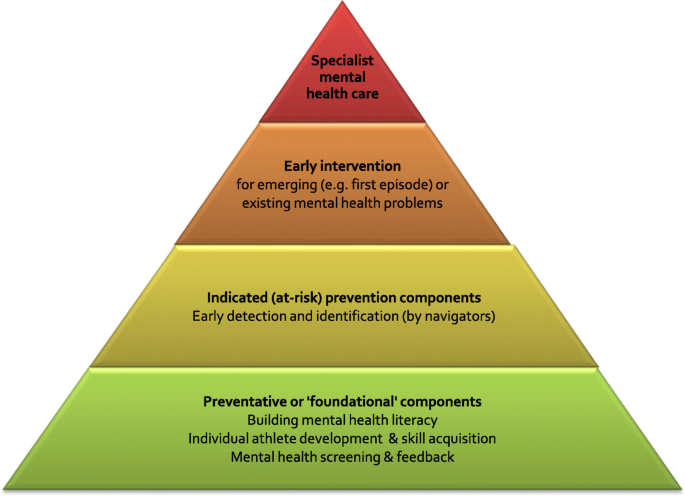
    https://media.springernature.com/lw685/springer-static/image/art%3A10.1186%2Fs40798-019-0220-1/MediaObjects/40798_2019_220_Fig3_HTML.png

    Neftaly: Addressing the Stigma of Mental Health in Elite Athletes


    ???? The Challenge: Stigma in Elite Sports

    Mental health issues are prevalent among elite athletes, with studies indicating that between 5% and 35% report experiencing mental health disorders, including depression and anxiety. Despite this, stigma remains a significant barrier to seeking help. Athletes often perceive mental health struggles as a sign of weakness, conflicting with the cultural emphasis on mental toughness in sports. Cleveland ClinicResearchGate


    ????️ Neftaly’s Strategic Initiatives

    1. Normalizing Mental Health Conversations

    Creating an environment where mental health is openly discussed helps reduce stigma and encourages athletes to prioritize their well-being. Strategies include:Kent State Online

    • Workshops and Team Discussions: Facilitating open dialogues about mental health within teams.
    • Sharing Success Stories: Highlighting athletes who have successfully managed mental health challenges.
    • Education and Awareness Campaigns: Providing information to athletes and staff about mental health issues and resources.

    2. Providing Accessible Mental Health Resources

    Ensuring that athletes have easy access to mental health services is crucial. This includes:

    • Confidential Counseling Services: Offering private sessions with licensed professionals.
    • Online Mental Health Platforms: Implementing digital tools for remote support, which have shown high acceptance among athletes. Frontiers
    • On-Site Mental Health Professionals: Having specialists available during training and competitions.

    3. Training Coaches and Staff

    Educating coaches and support staff to recognize signs of mental health issues and respond appropriately is vital. Programs like the Australian Football League’s “Manage Your Mind” initiative teach players and staff about mental health symptoms and coping strategies. Wikipedia

    4. Promoting Athlete Advocacy

    Encouraging athletes to share their experiences can inspire others to seek help. High-profile athletes such as Simone Biles, Naomi Osaka, and Michael Phelps have publicly discussed their mental health challenges, helping to shift perceptions and reduce stigma. People.com


    ???? Evidence of Impact

    Implementing these strategies has led to:

    • Increased Help-Seeking Behaviors: A meta-analysis found that the mental health help-seeking rate among athletes is 22.4%. ScienceDirect+1
    • Enhanced Mental Health Literacy: Educational programs have improved athletes’ understanding of mental health issues.
    • Reduced Stigma: Open discussions and shared experiences have contributed to a more supportive environment.

    ???? Global Initiatives

    Organizations like Athletes for Hope and the Sporting Chance Clinic are leading efforts to address mental health stigma in sports. Athletes for Hope’s “Whole Being Athlete” program focuses on storytelling, education, and advocacy to reduce stigma. The Sporting Chance Clinic offers specialized treatment for addictive disorders among professional athletes. Wikipedia+2athletesforhope.org+2Wikipedia


    ???? Conclusion

    Addressing the stigma surrounding mental health in elite athletes is essential for their well-being and performance. By normalizing conversations, providing accessible resources, training staff, and promoting athlete advocacy, we can create a supportive environment that encourages athletes to seek the help they need.


    Athletes Leading the Charge in Mental Health Awareness

    16 Times Athletes Opened Up About Their Mental Health: From Simone Biles to Michael Phelps

    People.com

    16 Times Athletes Opened Up About Their Mental Health: From Simone Biles to Michael Phelps

    Aug 14, 2024

    TIME

    Simone Biles Returns to the Tokyo Olympics-With a Big Statement

    Aug 3, 2021

    AP News

    Decathlete Trey Hardee’s mental health struggles began after celebrated career ended