???? Why ML Matters in Injury Prevention
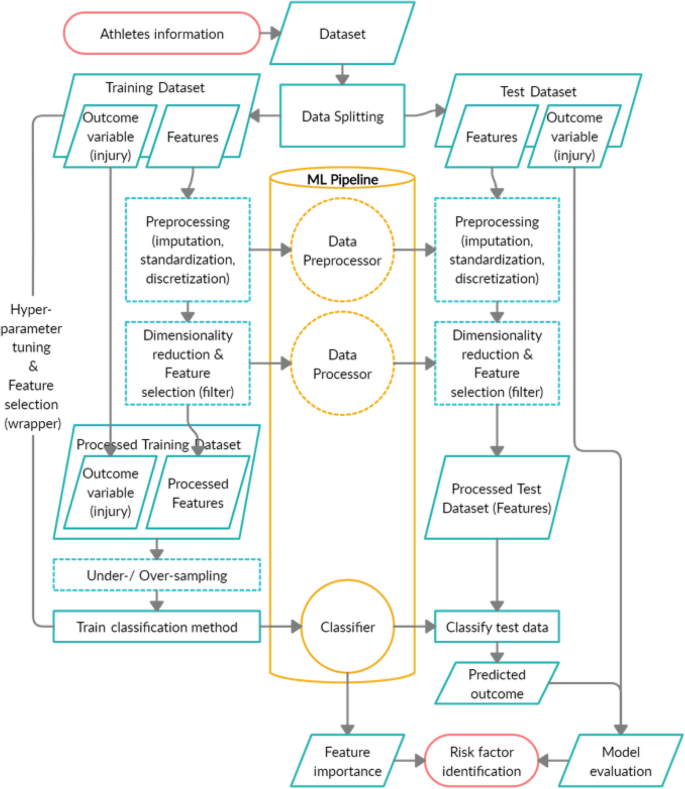
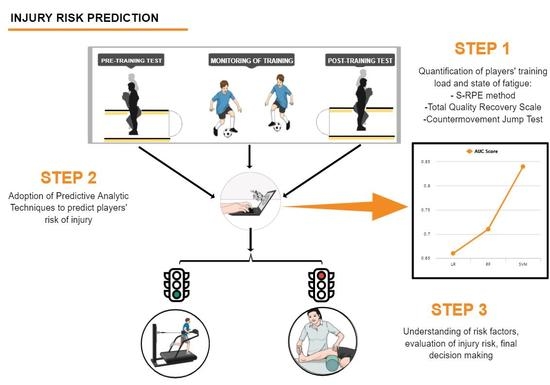
ML models can analyze complex, multidimensional data—anthropometrics, neuromuscular screening, movement asymmetries, training load, wellness metrics—to identify subtle injury-risk patterns that traditional assessments may overlook. While no model can predict injury with 100% certainty, evidence shows ML offers real-world value by guiding targeted preventive measures.SpringerOpen+8PMC+8Reddit+8PubMed
???? Key Research Findings in Youth Sport Settings
Elite Youth Football (Soccer) Models
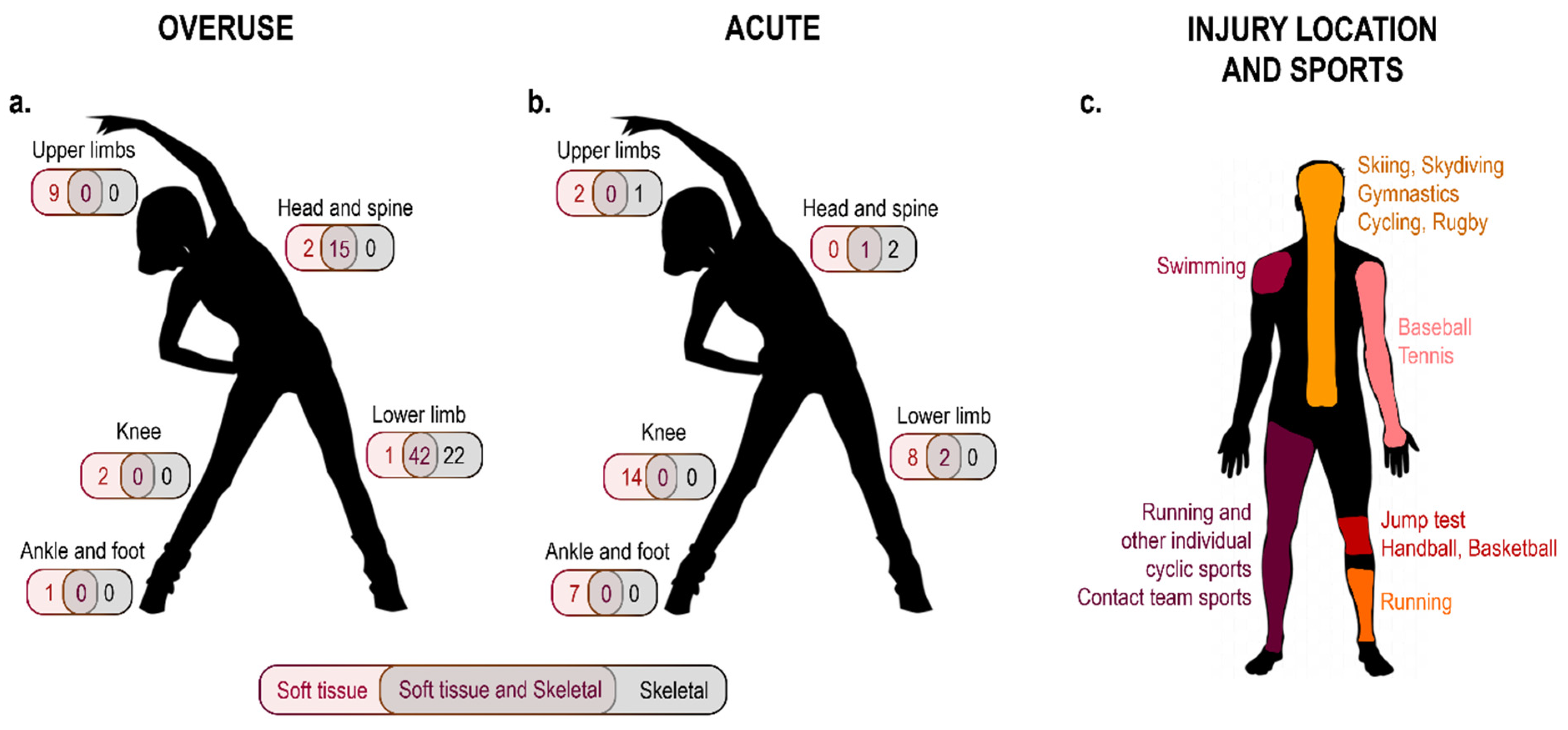
A study of 734 elite Belgian youth football players (U10–U15) used XGBoost models trained on preseason physical and coordination measures. It predicted injury occurrence with ~85% accuracy, recall, and precision—and also differentiated between overuse and acute injuries with ~78% accuracy.PubMed
Neuromuscular Screening Integration
In a cohort of 355 male youth football players aged 10–18, a decision-tree ML model leveraged measures such as single-leg jump asymmetry, knee valgus, and balance tests. This model delivered superior sensitivity (≈56%) and balanced specificity (~74%) compared to logistic regression.PubMed
Broader Youth Samples in Team Sports
Random forest models applied to 314 young basketball and floorball athletes identified consistent predictors like BMI, flexibility, knee laxity, and joint kinematics. The models achieved moderate predictive power (AUC ≈ 0.63–0.65) but reliably highlighted important variable associations.PubMed+13PubMed+13Reddit+13
Screening in Non-Elite Youth Soccer
A screening model using six simple field-based tests (e.g. knee asymmetry during drops, range-of-motion, BMI) achieved AUC ≈ 0.70, with a true positive rate of ~54% and true negative rate of ~74%. These measures are easy to incorporate into regular training protocols.ScienceDirect
???? Common ML Techniques & Risk Drivers
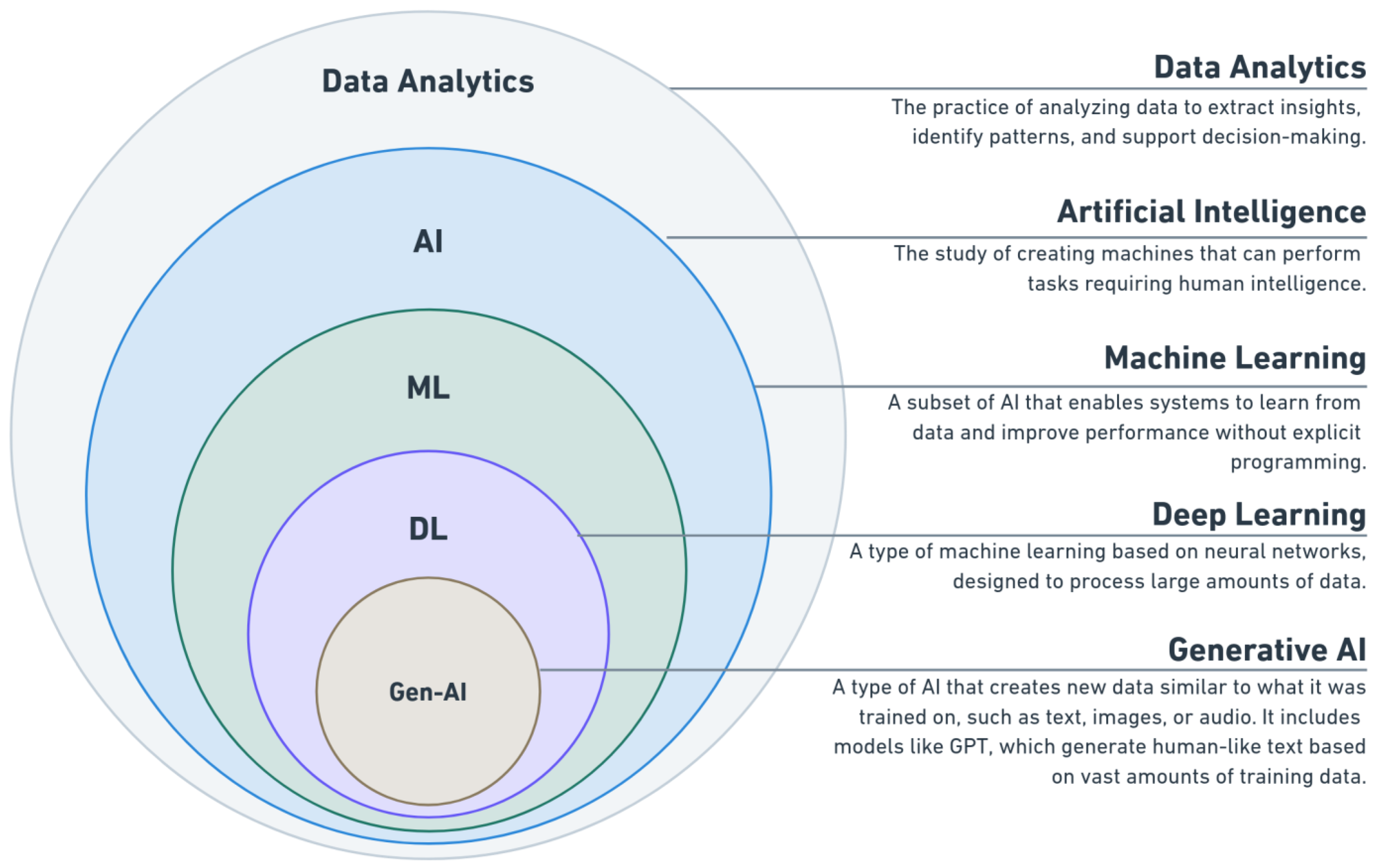
- Tree‑based models (Random Forest, XGBoost) dominate injury prediction research—offering interpretability, feature importance ranking, and strong performance. Logistic regression sometimes matches performance on smaller datasets.PubMedPMC
- Key shared risk factors: previous injury, biological size, strength/flexibility imbalances, movement asymmetries, high training load, and neuromuscular control deficits.SpringerOpenPMC
- Data quality matters: small sample sizes, inconsistent injury definitions, and dataset leakage remain challenges; rigorous validation methods like stratified cross-validation are essential.SpringerOpen
???? What This Means for Neftaly
1. Integrated Risk Profiling
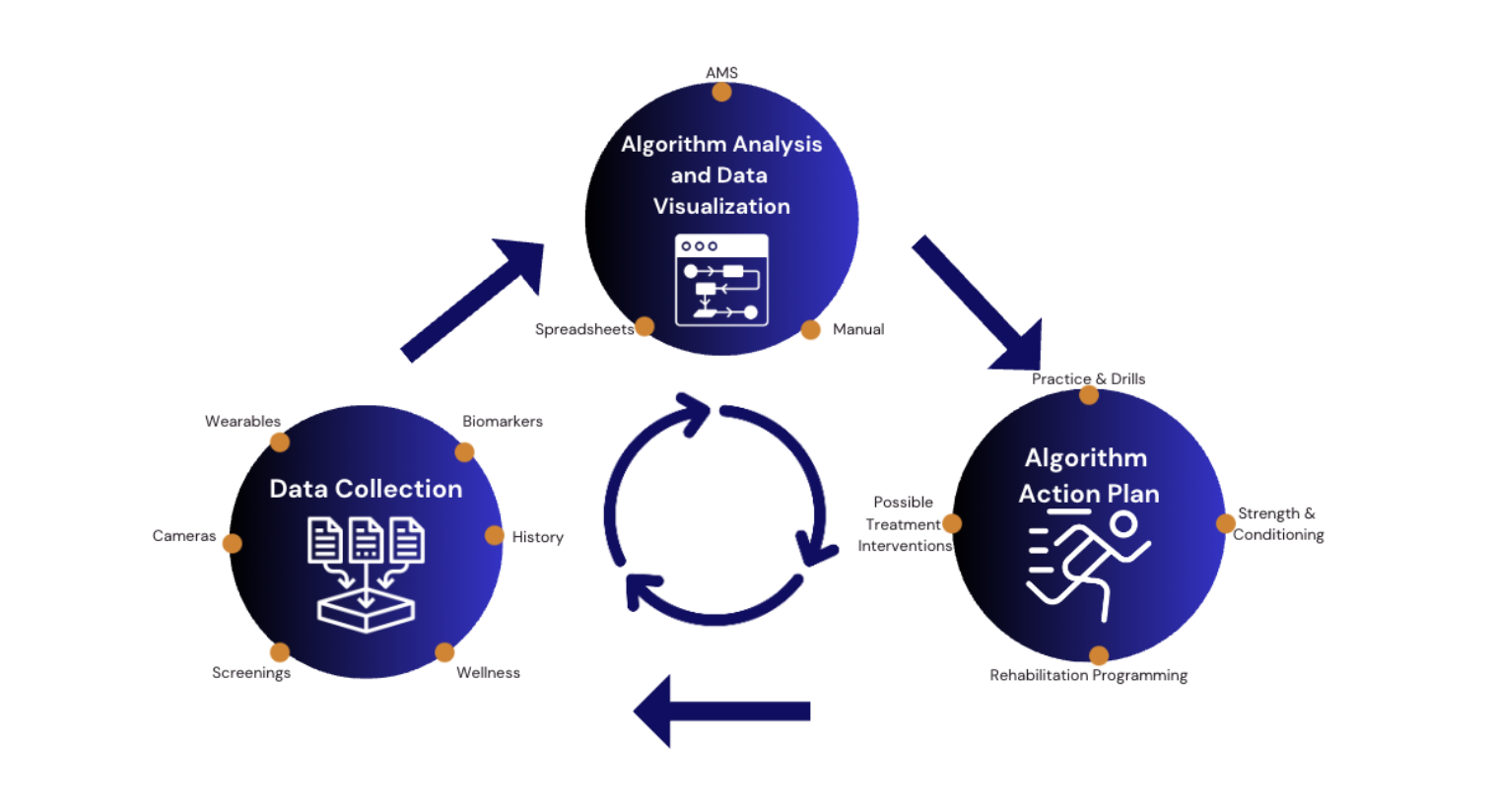
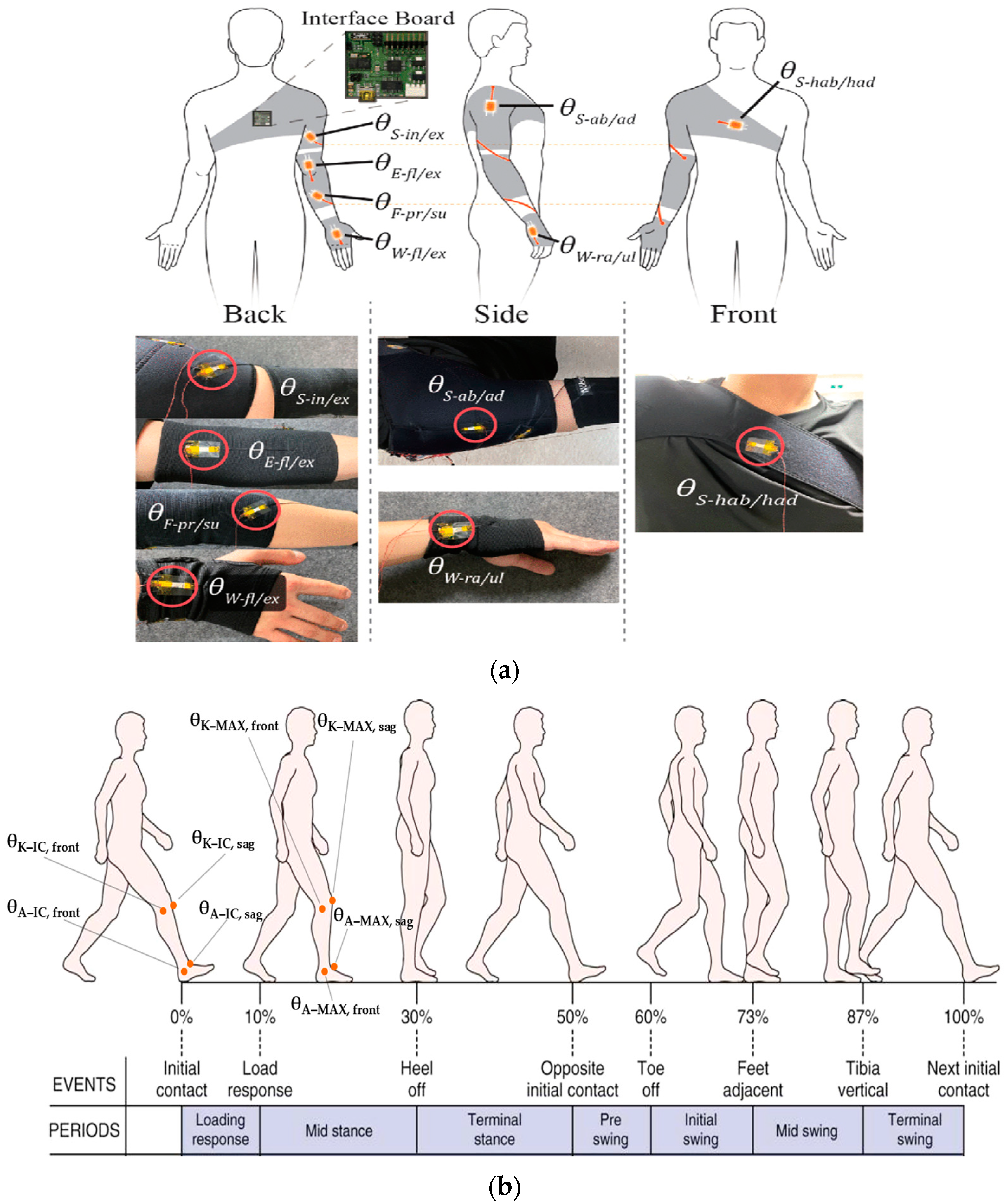
Combine preseason screenings (anthropometrics, balance, mobility), training load data, wearable sensor inputs (e.g. biomechanics or wellness), and injury history to feed into ML models.
2. Build Sport- & Age-Specific Models
Use tree‑based algorithms to tailor models for different age groups or sports, enabling prediction of risk for overuse vs acute injuries and guiding preventative programming.
3. Targeted Interventions
Identify personalized risk profiles, then implement focused strength, flexibility, or movement-control programs—for example addressing knee valgus or leg asymmetries as flagged by the model.
4. Educate Users
Present features with interpretability tools like SHAP or decision tree outputs to coaches and athletes—ensuring transparency of why risk is elevated and what actions to take.
5. Continuous Validation & Refinement
Update models regularly with fresh data, assess performance metrics (AUC, precision/recall), and align with real-world outcomes to enhance predictive reliability.
???? Sample Program Blueprint
| Phase | Action | Expected Benefit |
|---|---|---|
| Preseason Testing | Conduct neuromuscular & anthropometric screening | Establish risk baselines via ML identification |
| In-Season Monitoring | Track training load, movement asymmetry, wellness metrics | Update risk predictions dynamically |
| Coach Dashboard | Visualize athlete risk profiles and contributing factors | Enable proactive load adjustment and corrective drills |
| Interventions | Introduce neuromuscular, flexibility, and recovery protocols | Reduce likelihood of high-risk movement patterns |
| Reassessment | Mid- and post-season reevaluation | Monitor risk changes and refine model accuracy |
⚠️ Caveats & Best Practices
- Injury prediction is inherently probabilistic—no deterministic outcome. Models should supplement, not replace, professional judgment and clinical assessment.PubMedBioMed Central
- Ethical use requires transparent communication with athletes and guardians, particularly when using predictive risk data.
- Ensure definitions of injury are consistent; team context and psychosocial variables (like stress/fatigue) should be interpreted alongside model outputs.PubMedreuters.com