Neftaly Email: sayprobiz@gmail.com Call/WhatsApp: + 27 84 313 7407

Tag: role

Neftaly is a Global Solutions Provider working with Individuals, Governments, Corporate Businesses, Municipalities, International Institutions. Neftaly works across various Industries, Sectors providing wide range of solutions.

Neftaly Email: sayprobiz@gmail.com Call/WhatsApp: + 27 84 313 7407

  • Neftaly Addressing the role of social determinants in athlete mental wellness

    Neftaly Addressing the role of social determinants in athlete mental wellness

    Neftaly (Southern Africa Youth Project) is committed to addressing the role of social determinants in athlete mental wellness by focusing on the broader social, economic, and environmental factors that influence mental health outcomes in athletes. Recognizing that mental health is not solely an individual concern but is deeply intertwined with societal structures, Neftaly aims to create supportive environments that mitigate these determinants and promote well-being among athletes.


    ???? Understanding Social Determinants of Athlete Mental Health

    Social determinants of health encompass the conditions in which people are born, grow, live, work, and age, including factors such as socioeconomic status, education, physical environment, employment, social support networks, and access to healthcare. These determinants significantly impact mental health outcomes. For athletes, additional factors like performance pressures, identity tied to sport, and exposure to public scrutiny can exacerbate mental health challenges.

    Research indicates that athletes from marginalized backgrounds, including those from lower socioeconomic statuses, often face increased stressors that can negatively affect their mental health. These stressors may include financial instability, lack of access to mental health resources, and experiences of discrimination or bias. Addressing these social determinants is crucial for fostering an environment where athletes can thrive both mentally and physically. PMC


    ???? Neftaly’s Approach to Mitigating Social Determinants

    Neftaly adopts a multifaceted approach to support athlete mental wellness by addressing the social determinants that impact mental health:

    • Community Engagement: Neftaly collaborates with local communities to raise awareness about the importance of mental health in sports and to reduce stigma associated with seeking help.
    • Access to Resources: The organization works to improve access to mental health services for athletes, particularly those from underserved areas, by facilitating connections with healthcare providers and offering support programs.
    • Education and Training: Neftaly provides education and training for coaches, athletes, and their families on recognizing signs of mental health issues and implementing strategies to support mental well-being.
    • Advocacy: The organization advocates for policies that promote equity in sports, ensuring that all athletes have the opportunity to succeed without being hindered by social or economic barriers.

    ???? Impact on Athlete Mental Wellness

    By addressing the social determinants of mental health, Neftaly aims to create an environment where athletes can focus on their performance without the added burden of external stressors. This holistic approach not only enhances individual well-being but also contributes to the overall success and sustainability of athletes’ careers.


    ???? Moving Forward

    Neftaly continues to evaluate and adapt its strategies to effectively address the evolving social determinants that impact athlete mental wellness. Through ongoing collaboration with communities, stakeholders, and policymakers, Neftaly strives to create a supportive and equitable environment for all athletes.
  • Neftaly The role of emotional regulation in injury prevention

    Neftaly The role of emotional regulation in injury prevention

    ???? The Link Between Emotional Regulation and Injury Prevention

    1. Reducing Impulsive Behaviors
      Athletes with poor emotional regulation may exhibit impulsive behaviors, such as aggressive actions or risk-taking, which can increase the likelihood of injury. Studies have shown that athletes who struggle with emotional control tend to make rash decisions or become distracted, leading to more mistakes and a higher risk of injury .
    2. Enhancing Focus and Decision-Making
      Effective emotional regulation allows athletes to maintain focus and make better decisions under pressure. This heightened awareness and control can prevent situations that might lead to injury.

    ???? Strategies to Enhance Emotional Regulation

    1. Mindfulness Training
      Mindfulness practices help athletes become more aware of their emotions and reactions, allowing them to respond rather than react impulsively. Research indicates that mindfulness can reduce competitive state anxiety and burnout, thereby improving emotional self-efficacy in athletes .
    2. Cognitive Reappraisal
      Teaching athletes to reinterpret potentially distressing situations in a more positive light can help manage emotions effectively. This approach has been linked to improved emotional regulation and reduced depressive symptoms among athletes .
    3. Emotion-Focused Therapy
      This therapeutic approach encourages athletes to fully experience and express their emotions, rather than suppress them. Allowing the expression of negative emotions related to injuries can promote acceptance and facilitate future-oriented coping behaviors, including rehabilitation .

    ????‍♂️ Impact on Injury Recovery

    Athletes who effectively regulate their emotions tend to have better outcomes during recovery. By managing anxiety and stress, they can maintain motivation and adhere to rehabilitation protocols more effectively. This psychological resilience contributes to a more successful return to sport.PMC


    ???? Recommendations for Neftaly

    • Implement Emotional Regulation Training: Incorporate mindfulness and cognitive reappraisal techniques into training programs to enhance athletes’ emotional regulation skills.
    • Provide Access to Therapy: Offer emotion-focused therapy sessions to help athletes process and express their emotions healthily.Taylor & Francis Online+1
    • Promote Open Communication: Create an environment where athletes feel comfortable discussing their emotional experiences, reducing the stigma around emotional expression.
    • Monitor Emotional Well-Being: Regularly assess athletes’ emotional states to identify those who may benefit from additional support.
  • Neftaly The role of cultural identity in athlete mental health

    Neftaly The role of cultural identity in athlete mental health

    Neftaly: The Role of Cultural Identity in Athlete Mental Health

    Neftaly, the Southern Africa Youth Project, is a nonprofit organization dedicated to empowering youth across Southern Africa. Established in 2005 by Neftaly Malatjie, Neftaly operates with the mission of reducing youth unemployment and poverty by providing skills development, education, and economic opportunities. The organization has a strong presence in South Africa, with regional offices in Johannesburg, Cape Town, Pietermaritzburg, and Diepsloot.

    Recognizing the profound impact of cultural identity on mental health, Neftaly is committed to fostering environments that respect and celebrate the diverse cultural backgrounds of athletes. Understanding and integrating cultural identity into sports settings can enhance athletes’ sense of belonging, self-esteem, and overall well-being.

    Key Components of Neftaly’s Cultural Identity Initiatives

    1. Cultural Awareness and Sensitivity Training Neftaly provides training programs for coaches, athletes, and staff to enhance cultural awareness and sensitivity. These programs aim to reduce cultural misunderstandings and promote inclusivity within sports teams.
    2. Support for Ethnic Identity Development Recognizing the importance of ethnic identity, Neftaly supports athletes in exploring and embracing their cultural heritage. Research indicates that a strong ethnic identity can serve as a buffer against stress and contribute to positive mental health outcomes.
    3. Addressing Minority Stress Neftaly is aware of the unique stressors faced by athletes from minority backgrounds, including experiences of discrimination and prejudice. The organization works to create supportive environments that mitigate these stressors and promote mental well-being.
    4. Inclusive Leadership and Representation Neftaly encourages diverse representation in leadership roles within sports organizations. Inclusive leadership can positively influence athletes’ mental health by fostering a sense of belonging and validation.

    Conclusion

    Neftaly’s commitment to integrating cultural identity into its programs underscores the organization’s dedication to promoting mental health and well-being among athletes. By providing cultural awareness training, supporting ethnic identity development, addressing minority stress, and encouraging inclusive leadership, Neftaly aims to create an environment where every athlete feels valued and supported.

  • Neftaly The role of technology in monitoring athlete mental health

    Neftaly The role of technology in monitoring athlete mental health

    Neftaly: Leveraging Technology to Monitor and Support Athlete Mental Health

    In the evolving landscape of sports, mental health has become a critical focus, especially for athletes who often face intense pressures. Recognizing this, Neftaly is integrating advanced technologies to monitor and enhance the mental well-being of athletes. By adopting data-driven tools, Neftaly aims to provide proactive support, ensuring athletes can perform at their best both physically and mentally.


    ???? Technological Tools for Mental Health Monitoring

    1. Wearable Devices and Biometric Sensors

    Devices such as smartwatches and fitness trackers offer real-time data on physiological metrics like heart rate variability, sleep patterns, and physical activity levels. These indicators can provide insights into an athlete’s stress levels, recovery, and overall mental state. For instance, monitoring heart rate variability can help detect early signs of stress or burnout.

    2. Digital Mental Health Platforms

    Platforms like AthleteMonitoring facilitate the collection of self-reported data on mood, fatigue, and stress. Athletes can complete regular surveys, allowing coaches and mental health professionals to track trends and identify potential issues early. This proactive approach enables timely interventions and personalized support. athletemonitoring.com+1

    3. Artificial Intelligence and Predictive Analytics

    AI-driven tools analyze vast amounts of data to predict mental health trends and potential risks. By examining patterns in physiological and psychological data, these systems can alert support staff to emerging concerns, allowing for swift and targeted interventions.

    4. Virtual Reality (VR) for Mental Skills Training

    VR technology is being utilized to simulate high-pressure scenarios, helping athletes develop coping strategies and resilience. By immersing athletes in controlled environments, they can practice mental skills like focus, relaxation, and visualization, enhancing their ability to manage stress during actual competitions.


    ???? Neftaly’s Commitment to Athlete Mental Health

    Neftaly is dedicated to integrating these technological advancements into its programs to support the mental health of athletes. By combining data-driven insights with personalized care, Neftaly aims to create an environment where athletes can thrive both on and off the field.

    For more information on Neftaly’s initiatives and programs, please visit southernafricayouth.org.


    Recent Developments in Athlete Mental Health Support

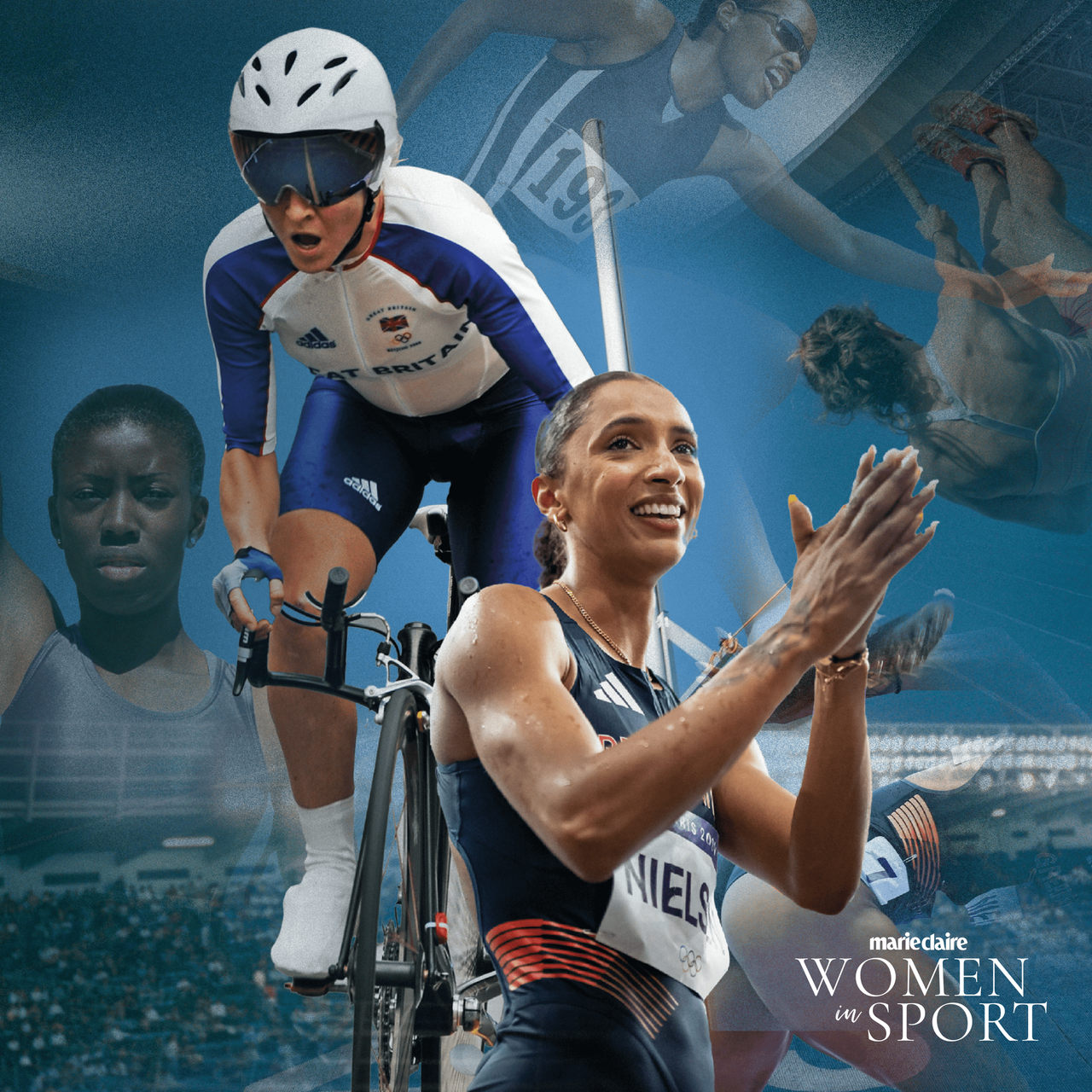
    "It's Not All Gold Medals and Trophies": What It's Really Like Being a Top Female Athlete in 2025

    Marie Claire UK

    “It’s Not All Gold Medals and Trophies”: What It’s Really Like Being a Top Female Athlete in 2025

    3 days ago

    TIME

    How Olympians Are Fighting to Put Athletes’ Mental Health First

    Jul 22, 2021

    French Open 2024: AI-powered tools help filter online hate targeting athletes

    Le Monde.fr

    French Open 2024: AI-powered tools help filter online hate targeting athletes

    Jun 8, 2024

  • Neftaly The role of emotional support animals in athlete recovery

    Neftaly The role of emotional support animals in athlete recovery

    Why Animal-Assisted Support Matters in Athlete Recovery

    Emotional Support & Stress Reduction

    • ESAs and therapy animals offer companionship, unconditional acceptance, and a calming non-judgmental presence—especially helpful for athletes facing stress, isolation, or post-injury emotional struggles. This interaction can lower cortisol (stress hormone) levels and boost oxytocin, serotonin, and dopamine—the “feel-good” neurochemicals.Asteroid Healthrecoveryhomepa.com
    • Animal-assisted therapy (AAT) has been shown to reduce anxiety, depression, and promote emotional “openness” during recovery phases.rehab-centre.org.ukWikipedia

    Support During Injury Rehabilitation

    • A standout example: at the University of North Carolina, a therapy dog named Remington was integrated into a college baseball team’s rehab routines. Trainers observed faster recovery, fewer injuries, and elevated morale among athletes interacting with the dog.ResearchGate

    Enhanced Recovery Outcomes

    Elite-Level Example

    • During the 2024 Paris Olympics, Beacon, a therapy golden retriever, provided emotional relief to elite gymnasts such as Simone Biles and Suni Lee. Athletes regularly interacted with Beacon, which helped lower anxiety, blood pressure, and cortisol levels.New York Post

    How Neftaly Can Apply These Insights

    InitiativeDescription
    On-Site Therapy AnimalsPartner with trained therapy dogs to support athletes during intense training phases or recovery sessions.
    Structured AAT SessionsSchedule goal-oriented interactions—e.g., grooming or walking animals—to integrate emotional and interactive therapy into rehab routines.
    ESAs for Individual SupportEnable athletes managing prolonged stress or anxiety periods to pair with an ESA, with guidance from mental health professionals.
    Routine and Responsibility BuildingEncourage athlete caregivers’ routines—such as pet care—promoting self-worth, structure, and meaningful breaks.
    Team-Based Animal EngagementUse communal animal-assisted moments to strengthen team cohesion and create a shared sense of support.
    Integrated Mental Health ProgrammingCombine AAT with counseling, mindfulness, or peer support to maximize emotional and psychological benefits.

    Summary

    Incorporating emotional support animals and structured AAT offers a multi-layered benefit to athlete recovery—emotionally calming, physically engaging, and socially supportive. Neftaly can enrich its mental health programs by embedding these human-animal interactions into both individual and team rehabilitation approaches, drawing on compelling evidence that shows such strategies boost morale, speed recovery, and foster emotional resilience.

  • Neftaly The role of humor in coping with sports-related stress

    Neftaly The role of humor in coping with sports-related stress

    Here’s how Neftaly can effectively harness the POWER OF HUMOR to help athletes cope with sports‑related stress:


    Why Humor Matters in Athlete Mental Health

    • Adaptive Coping and Resilience
      Humor—especially positive, self-enhancing styles—can lighten the emotional load and reframe stressful experiences, which helps athletes manage setbacks and bounce back more quickly.TermediaWikipedia
    • Immediate Stress Relief
      Laughing reduces stress hormones like cortisol and adrenaline, while increasing endorphins and oxytocin—the body’s natural “feel-good” chemicals. This quick emotional release helps athletes reset and refocus in high-pressure situations.Mayo Clinic PressWikipedia
    • Cognitive Reframing & Perspective Shifts
      Humor enables a distancing effect—helping athletes reinterpret challenges in a lighter, less threatening way (a key emotion-regulation strategy).WikipediaPMC
    • Performance Under Pressure
      Studies in competitive sports show that strategic humor (like light jokes during matches) helps relieve tension, regain composure, and even signal emotional control to opponents, reducing performance anxiety.physicaleducationupdate.com
    • Moderating Avoidance Coping
      Humor can buffer the effects of avoidance-driven coping—common in unpredictable and uncontrollable stress scenarios—by reducing perceived stress even when athletes feel uncertain or overwhelmed.PubMed

    Practical Ways Neftaly Can Apply Humor Strategically

    StrategyDescription
    Humor-Focused WorkshopsFacilitate sessions teaching athletes to use humor (e.g., puns, quips) to reframe errors or stressors as lighter moments, encouraging self-compassion and perspective.
    Coach & Athlete TrainingTrain coaches and leaders to model humorous responses to pressure and normalize lightheartedness during intense moments.
    In-Competition Humor TechniquesEncourage athletes to develop personal humorous cues (e.g., funny self-talk) to lighten tension mid-game—similar to techniques used in tennis.physicaleducationupdate.com
    Laughter RitualsIntegrate brief group laughter breaks, funny clips, or joke-sharing into training and recovery sessions to build camaraderie and relieve tension.
    Embedding PlayfulnessPromote a playful mindset—valuing resilience over perfection—to help athletes remain adaptable and mentally agile in challenging environments.New York Post
    Monitoring Humor StylesEncourage adaptive humor (self-enhancing, affiliative) over aggressive or self-defeating humor to maximize emotional benefits.Wikipedia

    Summary

    Humor isn’t just for laughs—it’s a proven, scientifically supported tool to manage pressure, build emotional resilience, and foster stronger team bonds. By weaving humor into its athlete mental health programming, Neftaly can help young athletes handle stress more effectively, maintain perspective, and perform with sustainable mental balance.

    Would you like help designing a humor-based workshop module or guide tailored for athletic teams?

    Related News

    New York Post

    What is ‘lemonading’? How this simple trick can help you better cope with stress

  • Neftaly The role of emotional regulation in preventing sports burnout

    Neftaly The role of emotional regulation in preventing sports burnout

    The Role of Emotional Regulation in Preventing Sports Burnout

    Emotional regulation is a critical psychological skill that enables athletes to manage their emotional responses to stressors, maintaining balance and resilience. In the context of sports, effective emotional regulation can significantly reduce the risk of burnout, a state of physical and mental exhaustion resulting from prolonged stress.


    ???? Understanding Emotional Regulation

    Emotional regulation involves strategies to influence the intensity and duration of emotional responses. Key strategies include:

    • Cognitive Reappraisal: Reinterpreting a situation to change its emotional impact.Wikipedia
    • Expressive Suppression: Inhibiting emotional expressions.
    • Mindfulness and Relaxation Techniques: Practices that enhance awareness and reduce stress.

    Athletes who employ these strategies effectively can maintain composure under pressure, leading to better performance and reduced burnout risk.


    ???? Emotional Regulation and Burnout Prevention

    Research indicates that athletes with strong emotional regulation skills are better equipped to handle the stresses of competition and training, thereby lowering the likelihood of burnout. For instance, studies have shown that cognitive emotion regulation strategies play a crucial role in mitigating the effects of life stress on athlete burnout .PMC

    Furthermore, emotional intelligence (EI), which encompasses the ability to recognize and manage one’s emotions, has been linked to superior emotional self-regulation and empathy. These traits help athletes cope more effectively with stress, reducing the risk of burnout .MDPI


    ????️ Strategies to Enhance Emotional Regulation

    To bolster emotional regulation and prevent burnout, athletes can:

    • Develop Self-Awareness: Regularly assess emotional states to identify stressors early.
    • Practice Mindfulness: Engage in activities like meditation to enhance focus and reduce stress.
    • Utilize Cognitive Reappraisal: Reframe negative situations to view them positively.
    • Maintain a Balanced Lifestyle: Ensure adequate rest, nutrition, and social support to manage stress effectively.

    Implementing these strategies can help athletes maintain emotional balance, leading to improved performance and reduced burnout risk.