Neftaly Email: sayprobiz@gmail.com Call/WhatsApp: + 27 84 313 7407

Tag: safety

Neftaly is a Global Solutions Provider working with Individuals, Governments, Corporate Businesses, Municipalities, International Institutions. Neftaly works across various Industries, Sectors providing wide range of solutions.

Neftaly Email: sayprobiz@gmail.com Call/WhatsApp: + 27 84 313 7407

  • Neftaly Promoting psychological safety within competitive sports environments

    Neftaly Promoting psychological safety within competitive sports environments

    Neftaly: Promoting Psychological Safety Within Competitive Sports Environments

    In the high-stakes world of competitive sports, psychological safety is essential for athletes to perform at their best. At Neftaly, we advocate for creating environments where athletes feel safe to express themselves, take risks, and seek support without fear of judgment or repercussions.

    What is Psychological Safety?

    Psychological safety means fostering a culture where athletes trust that their thoughts, concerns, and mistakes will be met with understanding and respect. It encourages open communication, vulnerability, and collaboration—all critical for growth and resilience.

    Why Psychological Safety Matters in Sports

    • Enhances Performance: Athletes who feel safe are more willing to take calculated risks and push their limits.
    • Fosters Learning: Mistakes are seen as opportunities for improvement rather than punishment.
    • Improves Team Cohesion: Open dialogue strengthens trust and connection among teammates and coaches.
    • Supports Mental Health: A safe environment reduces anxiety, burnout, and stigma around seeking help.

    Strategies to Build Psychological Safety

    • Lead with Empathy: Coaches and leaders model compassionate, non-judgmental responses.
    • Encourage Open Dialogue: Create regular opportunities for athletes to share feelings and feedback.
    • Normalize Mistakes: Reinforce that errors are part of learning and growth.
    • Promote Inclusivity: Ensure all athletes feel valued and respected regardless of background or role.
    • Provide Support Resources: Make mental health services accessible and visible.

    Neftaly’s Role

    Neftaly partners with sports organizations to implement training, workshops, and policies that prioritize psychological safety. By cultivating these supportive environments, we empower athletes to thrive mentally, emotionally, and physically.

  • Neftaly Promoting open communication and psychological safety within teams

    Neftaly Promoting open communication and psychological safety within teams

    Neftaly: Promoting Open Communication and Psychological Safety within Teams

    Strong, high-performing teams are built on trust, respect, and the freedom to speak openly. Neftaly champions these values by fostering environments where every team member feels safe to share ideas, raise concerns, and admit mistakes without fear of judgment or retaliation.

    Our programs draw on evidence-based practices in organizational psychology to help teams develop healthy communication habits, active listening skills, and empathy-driven leadership. By promoting psychological safety, we empower teams to collaborate more effectively, solve problems creatively, and adapt to challenges with confidence.

    Through workshops, facilitated discussions, and tailored team-building activities, Neftaly helps leaders and team members create a culture of openness—where honest dialogue drives innovation, strengthens relationships, and supports mental well-being.

    With Neftaly, open communication isn’t just encouraged—it becomes the foundation of a thriving, resilient, and high-trust team culture.

  • Neftaly Promoting psychological safety in high-performance training environments

    Neftaly Promoting psychological safety in high-performance training environments

    Neftaly: Promoting Psychological Safety in High-Performance Training Environments

    Psychological safety is a critical component of high-performance sports, fostering an environment where athletes feel secure to take risks, express concerns, and learn from mistakes without fear of judgment. This foundation enhances both individual well-being and team performance.leaderfactor.com+1Focused Psychology Services+1journalofsportbehavior.org+1leaderfactor.com+1


    ???? Understanding Psychological Safety in Sport

    In high-performance settings, psychological safety enables athletes to:

    Research indicates that psychologically safe environments in sports increase learning behavior, performance, communication, innovation, job attitudes, and individual well-being. journalofsportbehavior.org


    ???? Key Strategies to Foster Psychological Safety

    1. Lead by Example: Coaches and leaders should model vulnerability by admitting their own mistakes and uncertainties. This sets a tone that it’s okay to be human and encourages openness within the team. flagshippartners.co.uk
    2. Encourage Open Communication: Actively invite input from all team members and listen without judgment. This ensures that everyone feels valued and heard. flagshippartners.co.uk+1leaderfactor.com+1
    3. Normalize Mistakes: Emphasize that errors are a natural part of the learning process. Discussing what went wrong without blame fosters a culture of continuous improvement. flagshippartners.co.uk
    4. Provide Constructive Feedback: Offer feedback that is specific, actionable, and aimed at growth. Ensure that it is delivered in a supportive manner to encourage development. flagshippartners.co.uk
    5. Celebrate Effort and Growth: Recognize and reward the process of learning and improvement, not just outcomes. This reinforces the value of effort and resilience.

    ???? Assessing Psychological Safety

    Tools like the Sport Psychological Safety Inventory (SPSI) can help organizations measure the level of psychological safety within their environment. Regular assessments allow for identifying areas of improvement and tracking progress over time. Focused Psychology Services


    ???? Global Initiatives and Insights

    • International Olympic Committee (IOC): The IOC has launched initiatives such as mental health toolkits, mindfulness programs, and post-competition support to promote psychological safety among athletes. The Guardian
    • Cambridge Women’s Boat Race Team: This team achieved success by fostering a supportive and caring environment, demonstrating that compassion can enhance performance. The Guardian
    • Red Bull High Performance Program: Utilizes innovative training methods that incorporate psychological safety principles to build resilience and adaptability in athletes. WIRED

    By prioritizing psychological safety, high-performance training environments can cultivate trust, enhance team dynamics, and support the holistic development of athletes.


  • Neftaly Promoting psychological safety during team conflicts and resolutions

    Neftaly Promoting psychological safety during team conflicts and resolutions

    https://vanjaradic.fi/wp-content/uploads/sites/34/2025/04/Psychological-Safety-in-Sports-Vanja-Radic-Coaching.webp
    https://static.wixstatic.com/media/cc54df_b2a69d956681471d9fca7c42bc2b1ac7~mv2.png/v1/fill/w_568%2Ch_568%2Cal_c%2Cq_85%2Cusm_0.66_1.00_0.01%2Cenc_avif%2Cquality_auto/cc54df_b2a69d956681471d9fca7c42bc2b1ac7~mv2.png
    https://miro.medium.com/v2/1%2AOrZVloyjaP3mirwhKQk42Q.png
    https://cdn.prod.website-files.com/5e6fda408b05912878a8bdc6/664e3684e2984ef2c14ad367_Psychological%20Safety%20vs.%20Psychological%20Danger.png

    Neftaly: Promoting Psychological Safety During Team Conflicts and Resolutions

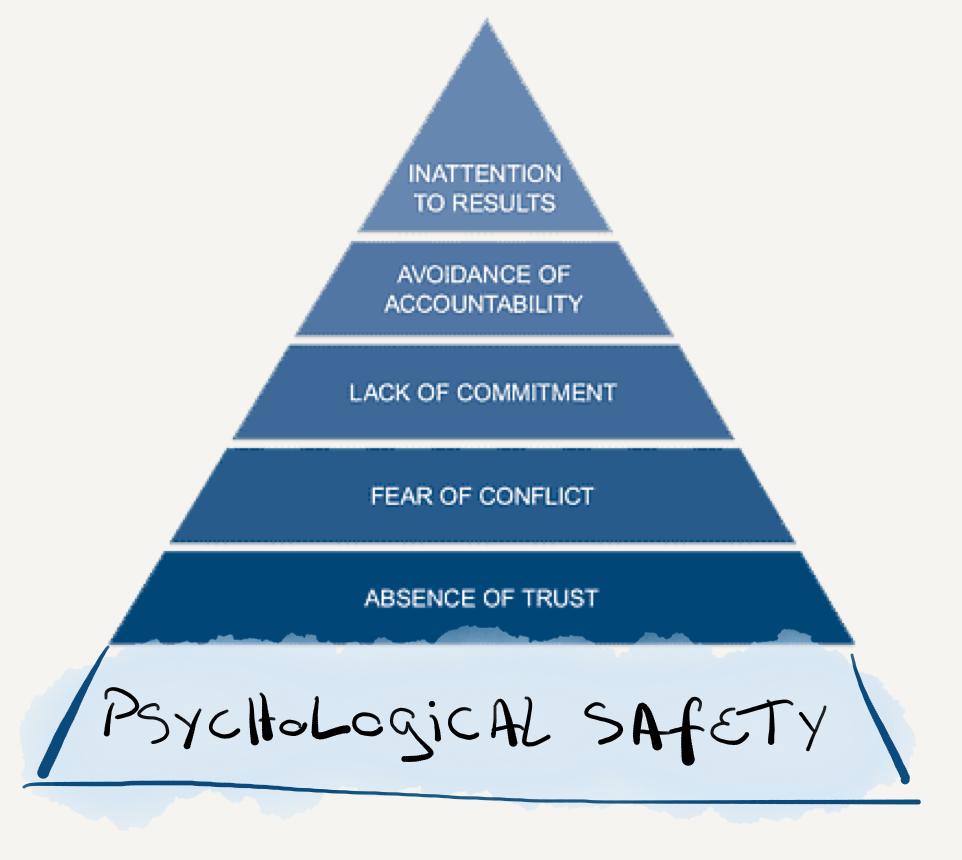
    In sports, particularly within team environments, conflicts are inevitable. However, how these conflicts are managed can significantly impact team cohesion, performance, and individual well-being. Promoting psychological safety during conflicts ensures that athletes feel supported, valued, and heard, leading to constructive resolutions and a healthier team dynamic.


    ???? Understanding Psychological Safety in Sports

    Psychological safety refers to the belief that one will not be humiliated or penalized for speaking up with ideas, questions, concerns, or mistakes. In sports teams, it means creating an environment where athletes feel safe to express themselves without fear of negative consequences. This safety fosters open communication, trust, and mutual respect, which are crucial during conflicts.Wikipedia


    ???? Strategies for Promoting Psychological Safety During Conflicts

    1. Encourage Open Communication

    Create an environment where athletes feel comfortable expressing their thoughts and feelings. Encourage active listening and validate each person’s perspective to ensure everyone feels heard and understood.

    2. Establish Clear Conflict Resolution Protocols

    Implement structured processes for addressing conflicts, ensuring that all parties understand the steps and feel confident in the fairness of the procedure.

    3. Lead by Example

    Coaches and team leaders should model respectful behavior, demonstrating how to handle disagreements constructively. Their actions set the tone for the rest of the team.

    4. Foster a Culture of Respect

    Promote values such as empathy, understanding, and mutual respect. Encourage team-building activities that strengthen relationships and build trust among team members.

    5. Provide Support Resources

    Offer access to mental health professionals or counselors who can assist athletes in managing stress and emotions related to conflicts.


    ???? Global Examples of Effective Practices

    Organizations worldwide have recognized the importance of psychological safety in sports:

    • Rugby Canada: Implemented initiatives to assess and improve psychological safety within its high-performance programs by gathering insights from athletes about their experiences and the factors affecting their sense of safety. VANJA RADIC COACHING
    • England Rugby: After revelations about a toxic environment under previous leadership, efforts were made to instill values-driven leadership, emphasizing respect and well-being alongside performance.
  • Neftaly Wearable ECG devices ensuring cardiac safety during high-intensity exercise

    Neftaly Wearable ECG devices ensuring cardiac safety during high-intensity exercise

    ???? Neftaly Wearable ECG for Cardiac Monitoring in Athletes

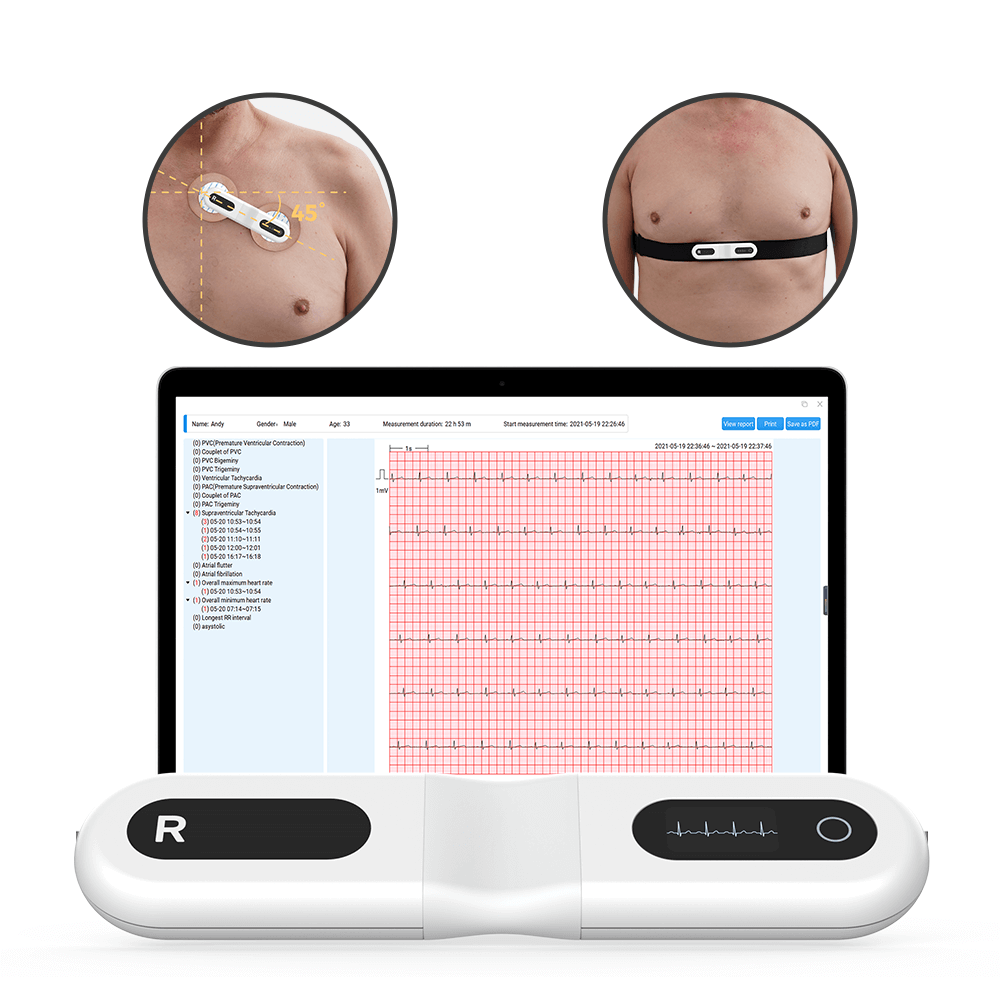
    Neftaly equipment includes wearable, continuous ECG monitoring devices—such as chest straps, sensorized vests, or smart clothing—that record single-lead ECG tracings and heart rate variability (HRV) in real-time. These systems are purpose-built to support cardiac safety during intense athletic activity.


    ???? Core Features & Technology

    • Continuous Real-Time ECG Monitoring

    Neftaly’s wearables continuously record ECG data during training and competition, allowing detection of potential arrhythmias or cardiac abnormalities. Unlike spot-check ECG tools, these systems run passively even during movement.

    • AI-assisted ECG Interpretation

    Embedded AI algorithms scan ECG rhythms for abnormalities—such as atrial fibrillation, premature beats, or signs of ischemia—triggering alerts only when clinical anomalies are detected, thereby reducing manual review burden PMC+4PMC+4PMC+4PMC.


    ✅ Performance Benefits for Athletes

    • Ongoing rhythm surveillance during high-intensity sessions, capturing transient arrhythmias that might be missed in spot recordings PMCPMC.
    • Early warning: continuous monitoring can detect early deviations—helping prevent escalation into serious events.
    • Exercise-adapted design: chest straps or vest systems maintain signal fidelity during vigorous movement, outperforming wrist-worn PPG devices in accuracy under stress PMC+2PMC+2PMC+2.
    • AI accuracy: modern single-lead ECG with AI has sensitivity and specificity approaching clinical-grade devices when identifying arrhythmias PMC+7ResearchGate+7cardio.jmir.org+7.

    ⚠️ Important Limitations & Considerations

    • Limited sensitivity for brief arrhythmias: since many wearable ECG devices capture one lead and require motion stillness, some short-lived arrhythmias (<30 seconds) may be missed PMC.
    • Risk of false positives: higher sensitivity yields more flagged events, some of which may not be clinically significant—especially in otherwise healthy athletes. Confirmatory testing with full 12‑lead ECG remains essential PMCPMC.
    • Wearable classification tools are meant as adjuncts—not replacements—for clinical evaluation. Any high-risk condition must be verified in a medical setting using standard diagnostic equipment.

    ???? Typical Workflow: How Neftaly’s System Works

    1. Wearable Setup
      Athlete wears Neftaly ECG-enabled vest or strap during training or competition.
    2. Continuous ECG Capture
      Single-lead ECG and HRV are logged continuously, even during movement.
    3. AI Rhythm Detection
      Embedded models analyze rhythms in real-time; flag anomalies automatically.
    4. Alert & Review Protocol
      Alerts surfaced via mobile app or coach/medical dashboard prompt evaluation.
    5. Clinical Follow-Up
      Suspected events trigger confirmatory measures using standard ECG diagnostics.
    6. Long-term Reporting
      Trend data over weeks or months helps assess patterns (e.g. increasing ectopy during high load).

    ????‍♂️ Use Cases Well Suited to This System

    • Endurance training (e.g. cycling, running) where sustained intensity may unmask arrhythmic risk.
    • High-performance sport camps, where routine workload changes might influence autonomic strain.
    • Athletes with mild cardiac symptoms (e.g. palpitations), allowing objective rhythm correlation.
    • Pre-competition screening in elite or master athletes—especially when traditional testing resources are limited.

    ???? Supporting Evidence from Sports Cardiology

    • Continuous wearable ECG systems increase detection of arrhythmias in symptomatic athletes, but require cautious interpretation given the low prevalence of serious cardiac conditions (~1 in 100,000 athlete-years) ResearchGatecardio.jmir.org+15PMC+15en.wikipedia.org+15PMC.
    • Single-lead wearable ECG systems show high reliability when compared to standard ECGs in exercise environments, particularly chest-strap systems over wrist-based PPG PMC.
    • AI-enhanced interpretation of ECG may uncover broader cardiac dysfunctions (e.g. left ventricular dysfunction) beyond arrhythmia screening with improved specificity and reduced clinician workload ResearchGatefactmedics.com.

    ???? Why Choose Neftaly’s Wearable ECG Solution?

    Neftaly integrates AI-driven ECG analysis into athlete-grade wearables optimized for movement, offering a continuous monitoring capability uncommon in consumer devices. Its system balances accuracy, real-time risk detection, and usability, while maintaining clinical oversight and fallback through standard ECG confirmation when required.

  • Neftaly Real-time physiological monitoring enhancing athlete safety

    Neftaly Real-time physiological monitoring enhancing athlete safety

    https://pub.mdpi-res.com/bioengineering/bioengineering-10-01085/article_deploy/html/images/bioengineering-10-01085-g001-550.jpg?1694666165=
    https://www.firstbeat.com/wp-content/uploads/sites/34/2021/05/Firstbeat-Sports-Tablet-Real-time-view-800x533.jpg
    https://www.quytech.com/blog/wp-content/uploads/sites/34/2024/07/role-of-wearable-technology-in-athlete-performance-monitoring-and-injury-prevention.png
    https://cdn.medicalfuturist.com/wp-content/uploads/sites/34/2024/03/digital-health-on-our-body-infographic-768x718.png

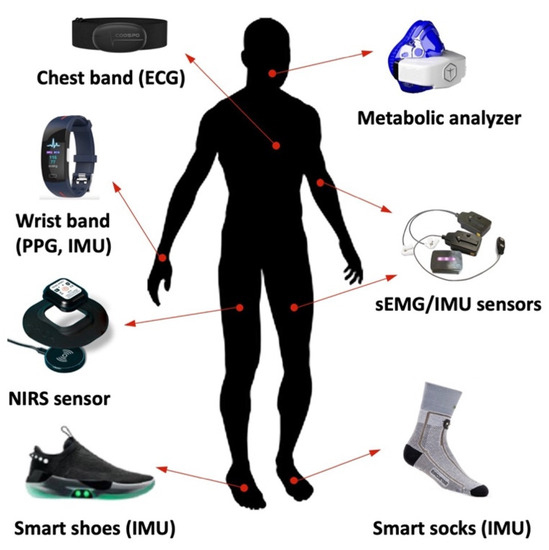
    Real-time physiological monitoring has become a cornerstone in enhancing athlete safety, enabling coaches, medical staff, and athletes themselves to make data-driven decisions that prevent injuries and optimize performance.


    ???? Key Benefits of Real-Time Monitoring

    1. Injury Prevention

    Wearable devices equipped with sensors track metrics such as heart rate variability, movement patterns, and stress levels. By identifying early signs of fatigue or abnormal biomechanics, these tools allow for timely interventions to prevent injuries.

    2. Personalized Training Adjustments

    Continuous monitoring enables coaches to tailor training loads to individual athletes, ensuring optimal performance without overtraining. This personalized approach helps in maintaining peak physical condition and reducing the risk of burnout.

    3. Enhanced Recovery Strategies

    By analyzing data on sleep patterns, muscle recovery, and physiological stress, real-time monitoring aids in developing effective recovery protocols. This ensures athletes return to training at the right time, minimizing the risk of re-injury.

    4. Real-Time Feedback for Immediate Action

    Devices with haptic or audio alerts provide athletes with immediate feedback during training or competition, allowing for prompt corrective actions to prevent potential injuries. MDPI


    ???? Examples of Wearable Technologies in Use

    • Hexoskin Smart Shirt: Monitors EKG, heart rate, breathing rate, and activity levels, providing comprehensive data for performance analysis. Wikipedia
    • Empatica E4 Wristband: Tracks physiological signals such as heart rate variability, electrodermal activity, and skin temperature, offering insights into an athlete’s stress and recovery levels. Wikipedia
    • Theo Health’s Alpha Shorts: Embedded with inertial measurement units, these smart shorts analyze movement patterns to prevent injuries and aid in recovery. The Times

    ⚠️ Considerations and Limitations

    While these technologies offer significant advantages, it’s crucial to recognize that they are tools to assist decision-making and not replacements for professional medical judgment. For instance, the FDA has cautioned companies like Whoop for introducing features that may cross into medical diagnostic territory without proper clearance. Such developments highlight the need for clear regulatory definitions and consumer awareness regarding the capabilities and limitations of wearable health technologies. The Verge

  • Neftaly Impact of wearable ECG monitors on cardiac safety in sports

    Neftaly Impact of wearable ECG monitors on cardiac safety in sports

    https://media.post.rvohealth.io/wp-content/uploads/sites/34/2021/04/1077831-Best-ECG-Monitors-for-At-Home-Use-DuoEK-Wearable-EKG-Monitor_WithBG.png
    https://getwellue.com/cdn/shop/files/24-hourecgrecorderwithscreen.png?v=1709549000
    https://www.researchgate.net/publication/380306215/figure/fig1/AS%3A11431281270390020%401723056646254/Multifaceted-aspects-of-wearable-ECG-monitoring-devices-for-athletes-A-Requirements-for.png
    https://pub.mdpi-res.com/sensors/sensors-21-01061/article_deploy/html/images/sensors-21-01061-g001.png?1631702245=

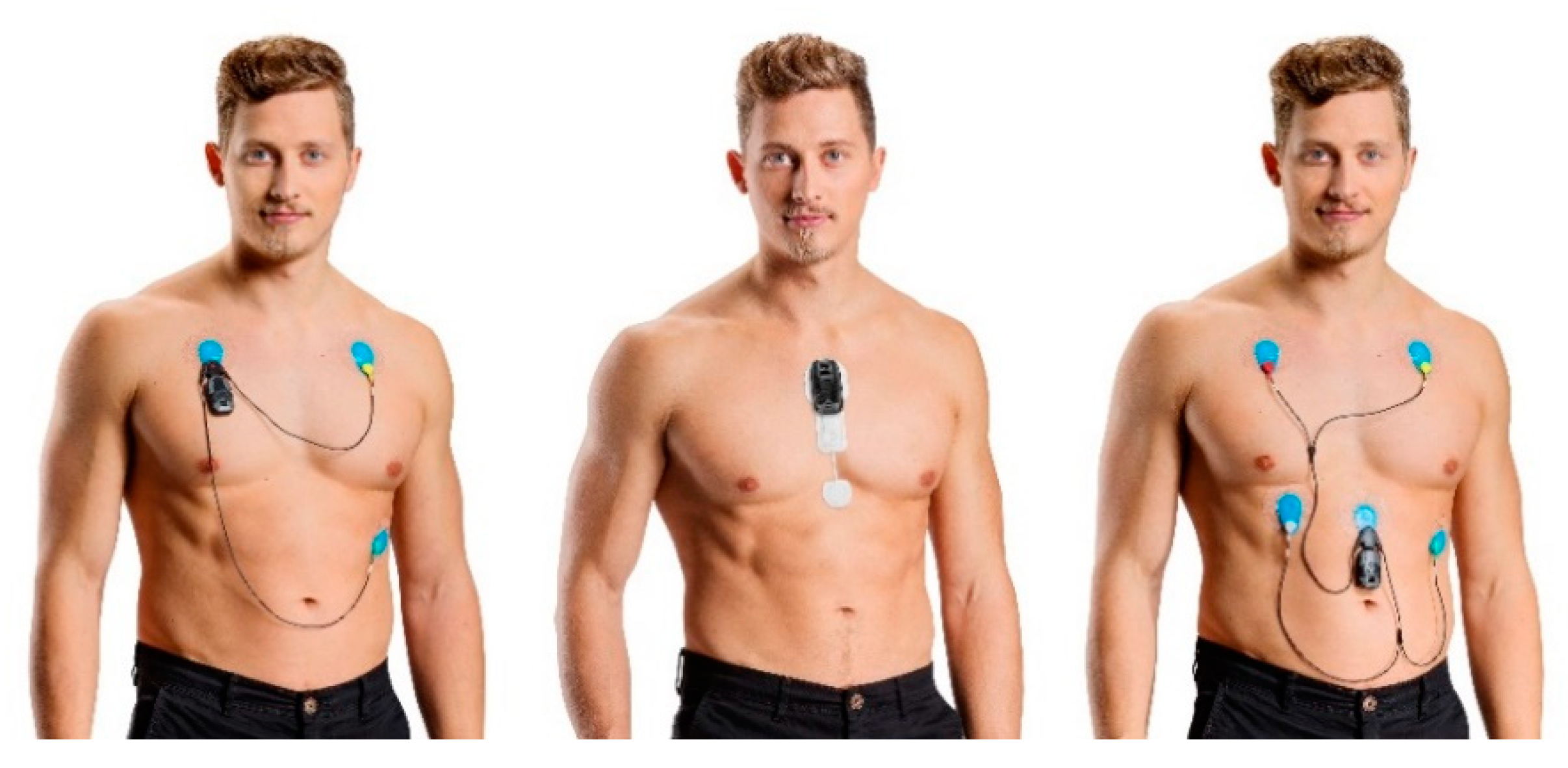
    Wearable electrocardiogram (ECG) monitors are revolutionizing cardiac safety in sports by enabling continuous, real-time heart health monitoring. These devices are particularly beneficial for athletes, providing early detection of potential cardiac issues and enhancing overall performance management.Applied Clinical Trials


    ???? Role of Wearable ECG Monitors in Athlete Cardiac Safety

    1. Continuous Heart Monitoring

    Wearable ECG devices offer uninterrupted heart rhythm tracking, allowing for the detection of arrhythmias such as atrial fibrillation or bradycardia during training sessions and competitions. This continuous monitoring is more effective than traditional methods, which often require patients to make frequent clinic visits or wear cumbersome devices. Applied Clinical Trials

    2. Early Detection of Cardiac Events

    These devices can identify transient cardiac events that might be missed during standard in-clinic ECGs. By providing real-world data, wearable ECGs enable healthcare providers to detect potential issues early, facilitating timely interventions. Applied Clinical Trials

    3. Enhanced Performance Management

    Athletes can use data from wearable ECG monitors to assess their cardiovascular health in relation to training loads. This information helps in optimizing training regimens and preventing overtraining, thereby reducing the risk of cardiac strain.


    ⚠️ Considerations and Limitations

    • Data Accuracy: While wearable ECG monitors provide valuable insights, they may not always match the precision of clinical-grade equipment. It’s essential to interpret the data within the context of professional medical advice.
    • Device Interference: Some wearable fitness trackers may interfere with implanted cardiac devices like pacemakers or defibrillators. It’s crucial for individuals with such devices to consult healthcare providers before using wearable ECG monitors. The Guardian
    • Privacy Concerns: Continuous data collection raises questions about data security and privacy. Users should ensure that the devices comply with relevant data protection regulations and that their personal health information is secure.PMC+2Fourth Frontier Technologies LLC+2Checkme+2

    ???? Real-World Applications

    • Sudden Cardiac Arrest (SCA) Prevention: A smartwatch-based screening platform has been developed to detect risk factors for SCA in youth athletes. This system demonstrated high sensitivity and specificity, outperforming human physicians in identifying potential cardiac risks. arXiv
    • Cardiac Rehabilitation: Wearable ECG monitors are being utilized in cardiac rehabilitation programs to safely monitor patients’ heart health during exercise, ensuring that they remain within safe heart rate zones. PMC

    ????️ Conclusion

    Wearable ECG monitors are transforming cardiac safety in sports by providing athletes and healthcare providers with continuous, real-time heart health data. While they offer significant benefits in early detection and performance optimization, it’s essential to consider their limitations and use them as complementary tools alongside professional medical evaluations.