Neftaly leverages Artificial Intelligence (AI) to revolutionize the optimization of training schedules, ensuring athletes achieve peak performance while minimizing the risk of overtraining and injury. By analyzing a multitude of data points, AI-driven systems can create personalized training plans that adapt in real-time to an athlete’s condition and progress.RunFlo
???? How AI Optimizes Training Schedules
1. Personalized Training Plans: AI systems analyze individual metrics such as fitness levels, recovery status, and performance goals to design customized training schedules. These plans are dynamic, adjusting based on ongoing data to ensure optimal progression. RunFlo
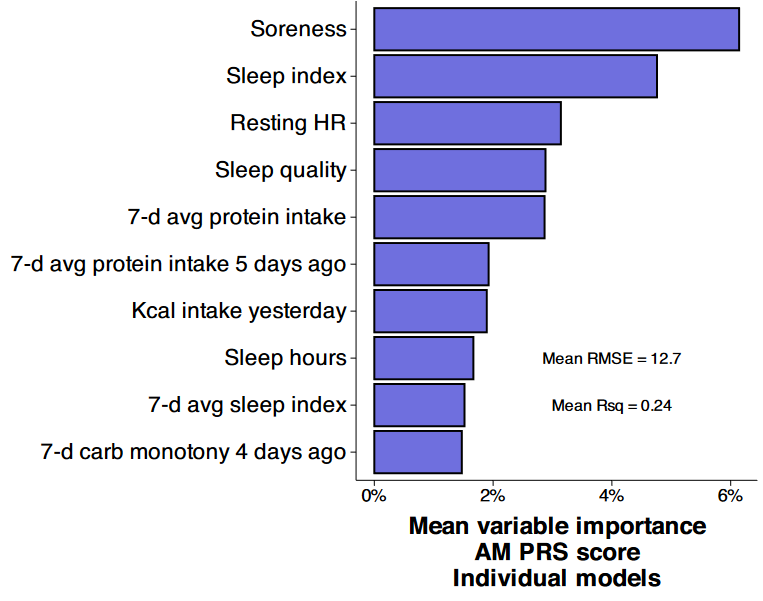
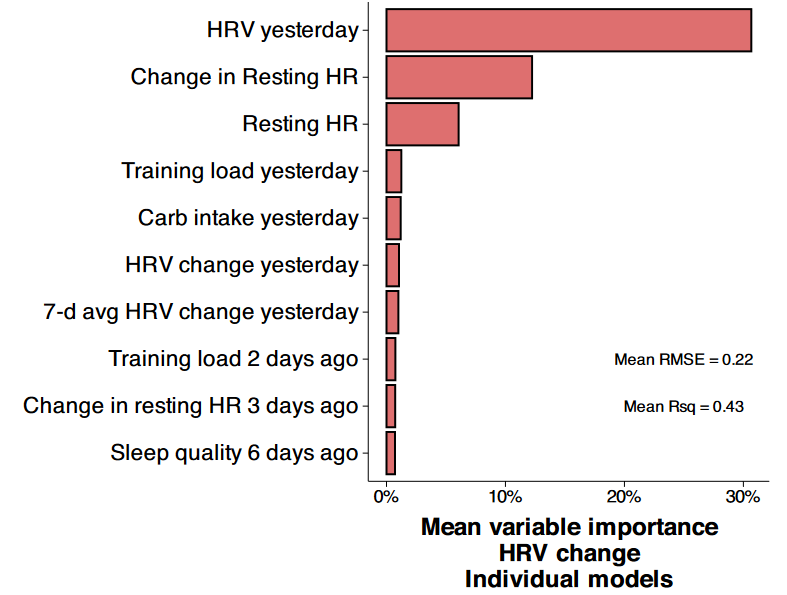
2. Load Management: By monitoring factors like sleep quality, stress levels, and physical exertion, AI can predict fatigue and adjust training loads accordingly. This approach helps in balancing intensity and recovery, reducing the risk of overtraining.
3. Real-Time Adjustments: AI systems can process data from wearables and sensors to make immediate modifications to training sessions. For instance, if an athlete shows signs of fatigue or underperformance, the system can suggest rest or alternative exercises.
4. Recovery Optimization: AI tools assess recovery metrics, including sleep patterns and muscle fatigue, to recommend rest periods and recovery strategies. This ensures athletes are adequately prepared for subsequent training sessions. RunFlo
???? Real-World Applications
- Professional Sports Teams: Organizations like Brighton & Hove Albion utilize AI to tailor training programs that align with their high-press playing style. Through rigorous testing and continuous monitoring, they adjust training loads to optimize performance and reduce injury risks. The Times
- Individual Athletes: Platforms such as Athletica AI offer personalized training plans for sports like triathlon, cycling, and running. These plans adapt to an athlete’s progress, ensuring efficient training that fits within their lifestyle. Athletica
???? Future Prospects
The integration of AI in training schedule optimization is expected to advance with the incorporation of more sophisticated data sources, including genetic information and advanced biometrics. This evolution will lead to even more precise and individualized training regimens, further enhancing athletic performance and well-being.