


Sensor-embedded apparel is transforming muscle performance monitoring by integrating advanced technologies into everyday athletic wear. These garments provide real-time insights into muscle activity, fatigue, and recovery, enabling athletes to optimize their training and reduce injury risks.
???? Key Technologies in Sensor-Embedded Apparel
1. Electromyography (EMG) Sensors
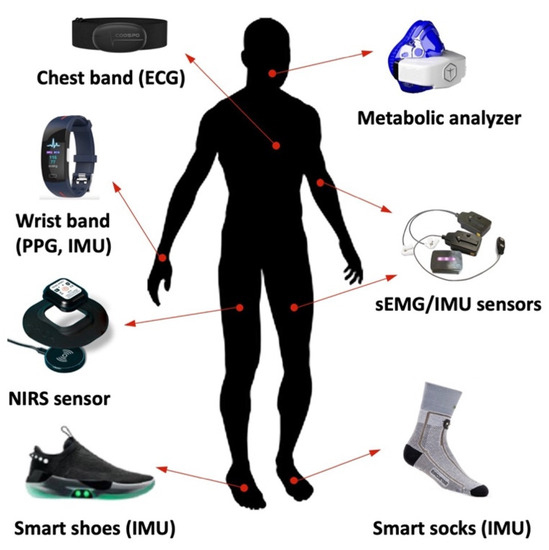
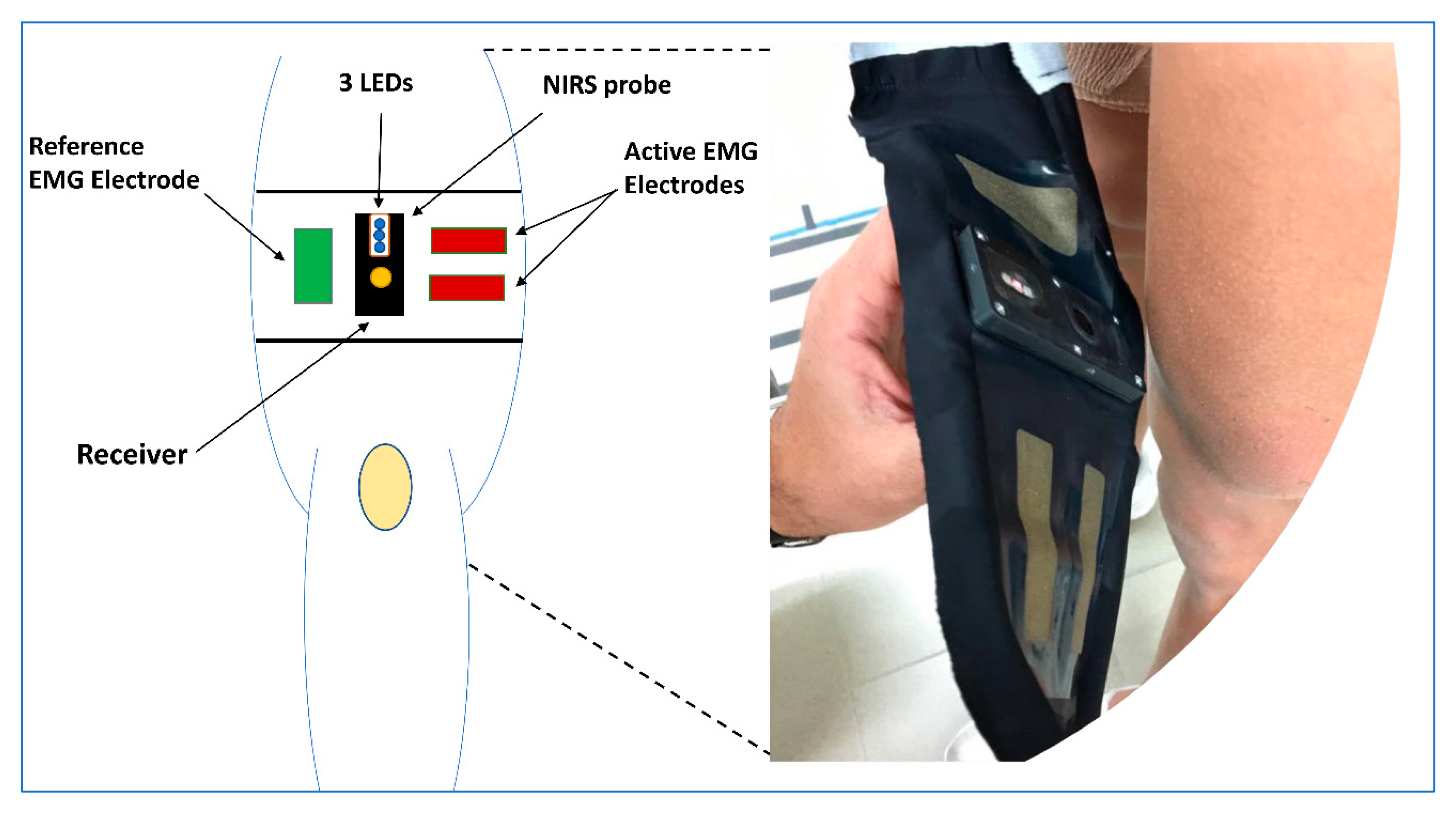
EMG sensors embedded in clothing detect electrical signals generated during muscle contractions. This data helps monitor muscle activation patterns, identify imbalances, and assess fatigue levels, allowing for targeted training adjustments. CAS
2. Textile-Based Strain Sensors
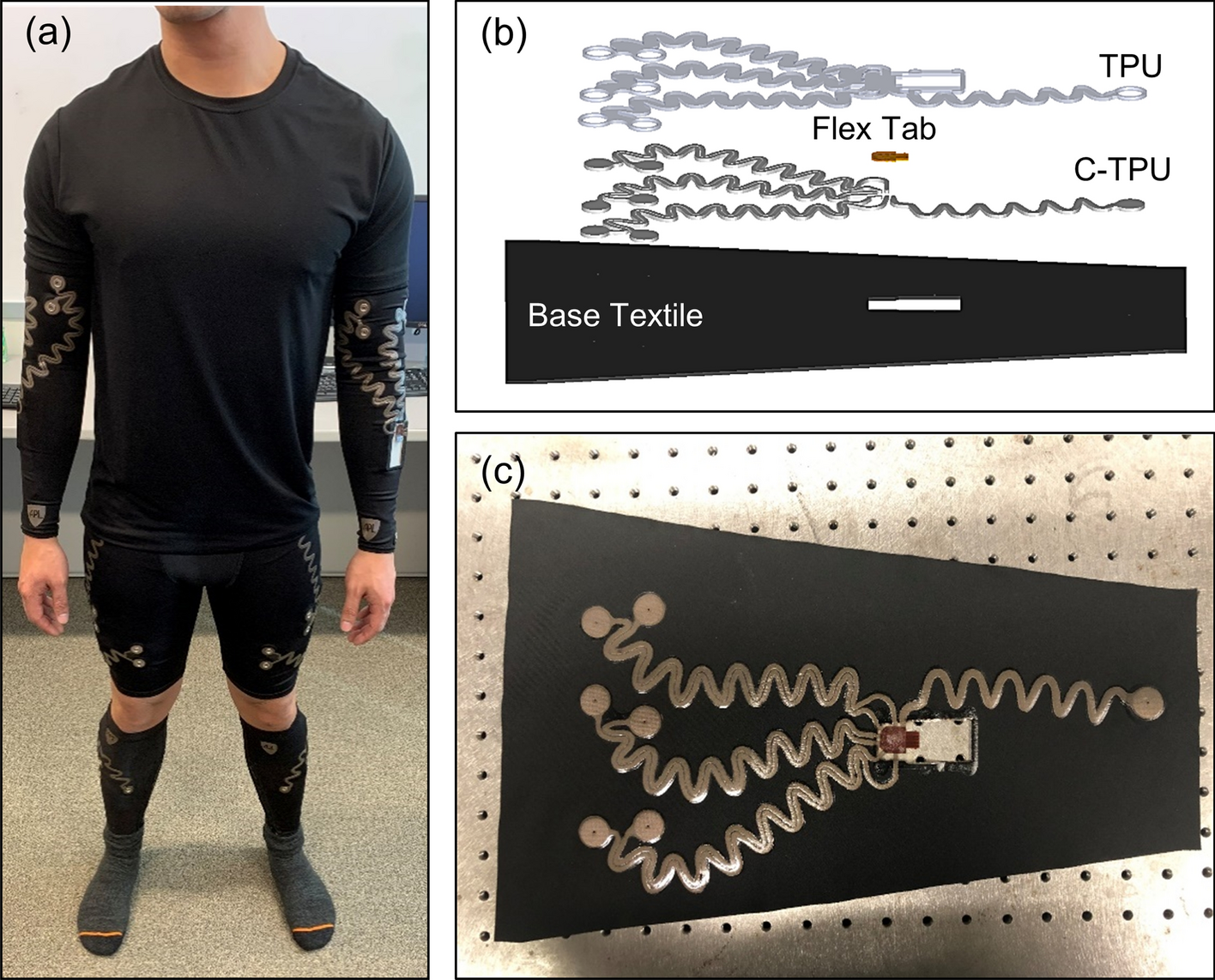
Stretchable strain sensors integrated into fabrics can measure muscle elongation and contraction in real-time. These sensors provide valuable information on muscle performance and movement efficiency during various exercises.
3. Near-Infrared Spectroscopy (NIRS)
NIRS technology embedded in textiles assesses muscle oxygenation levels, offering insights into muscle endurance and recovery. This non-invasive method is particularly useful for monitoring performance during prolonged physical activities.
4. Wireless Data Transmission
Advanced sensor-embedded apparel often includes wireless modules that transmit data to smartphones or other devices. This enables athletes and coaches to receive real-time feedback and make informed decisions about training loads and recovery strategies. LOOMIA Soft Electronics | E-textiles
????️♂️ Applications in Sports and Fitness
- Resistance Training: Smart garments monitor muscle exertion and form, ensuring exercises are performed correctly and effectively. CAS+2Meegle+2Designboom+2
- Rehabilitation: Continuous muscle activity monitoring aids in tracking recovery progress and adjusting rehabilitation programs accordingly. Universiteit Gent
- Performance Optimization: Real-time data allows athletes to fine-tune their training, enhancing performance and reducing the risk of overtraining.
???? Future Trends
The integration of artificial intelligence (AI) with sensor-embedded apparel is on the rise. AI algorithms can analyze complex data patterns, providing deeper insights into muscle performance and predicting potential injuries. This advancement is paving the way for personalized training programs tailored to individual needs.
???? Conclusion
Sensor-embedded apparel represents a significant leap forward in muscle performance monitoring. By combining comfort with cutting-edge technology, these garments offer athletes and fitness enthusiasts a powerful tool to enhance training outcomes and ensure long-term health.