



Neftaly: Supporting Athlete Mental Health Through Nutrition, Sleep, and Recovery
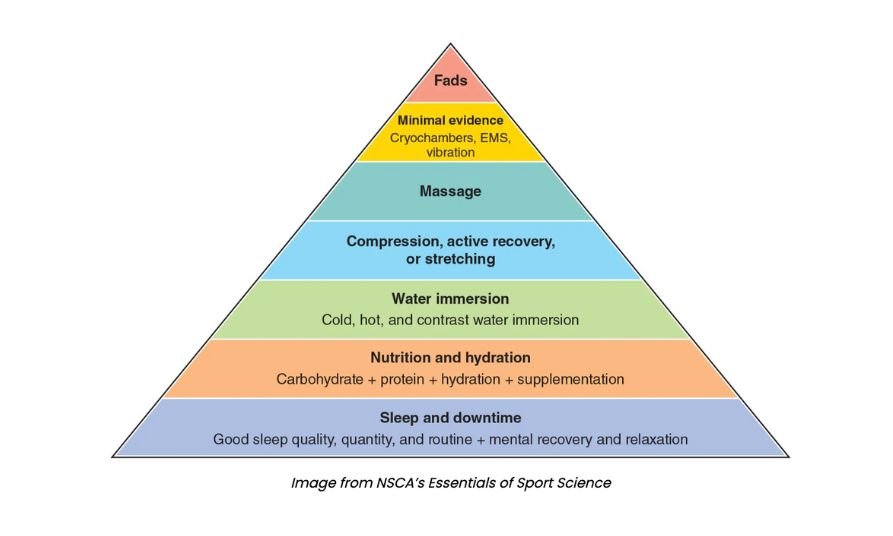
Athletes often focus on physical training, but mental well-being is equally crucial. Proper nutrition, quality sleep, and effective recovery strategies are foundational to both physical performance and mental health.
???? Nutrition: Fueling the Body and Mind
A balanced diet is essential for maintaining energy levels, supporting brain function, and regulating mood. Nutrient-rich foods can alleviate symptoms of anxiety and depression in athletes. For instance, diets rich in vitamins, minerals, and omega-3 fatty acids have been linked to improved mental health outcomes. Frontiers
Key Nutritional Strategies:
- Complex Carbohydrates: Provide a steady energy source and support serotonin production, which can enhance mood.
- Lean Proteins: Aid in neurotransmitter function and muscle repair, contributing to overall well-being.
- Healthy Fats: Omega-3 fatty acids, found in fish and flaxseeds, are associated with reduced inflammation and improved cognitive function.
- Micronutrients: Vitamins and minerals like magnesium and B-vitamins play roles in mood regulation and stress response.
???? Sleep: The Cornerstone of Recovery
Quality sleep is vital for cognitive function, emotional regulation, and physical recovery. Sleep disturbances can negatively impact athletic performance and increase the risk of mental health issues. Athletes who experience chronic sleep deprivation may face challenges such as impaired decision-making and increased susceptibility to stress. mtsphysicaltherapy.com
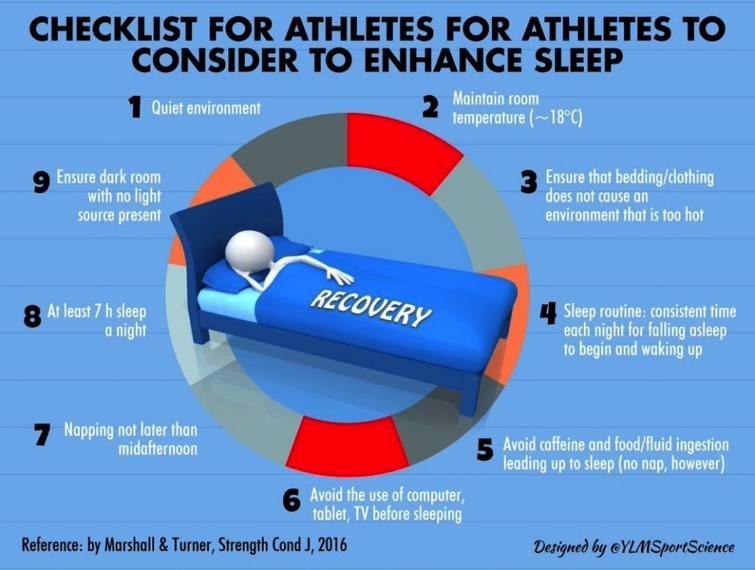
Sleep Hygiene Tips:
- Consistent Sleep Schedule: Go to bed and wake up at the same time every day to regulate the body’s internal clock.
- Optimal Sleep Environment: Keep the bedroom cool, dark, and quiet to promote restful sleep.UCHealth
- Limit Stimulants: Avoid caffeine and electronic devices before bedtime to prevent sleep disturbances.
- Relaxation Techniques: Engage in calming activities, such as reading or meditation, to prepare the body for sleep.
????️ Recovery: Balancing Physical and Mental Health
Recovery is not just about resting the body; it’s also about rejuvenating the mind. Incorporating strategies that address both physical and mental recovery can enhance overall well-being.
Effective Recovery Practices:
- Active Recovery: Engage in low-intensity activities like walking or swimming to promote circulation and reduce muscle stiffness.
- Mindfulness and Relaxation: Techniques such as yoga and deep breathing can reduce stress and improve mental clarity.
- Social Support: Maintaining connections with teammates, coaches, and family can provide emotional support and reduce feelings of isolation.
- Professional Guidance: Consulting with sports psychologists or counselors can help athletes navigate the mental challenges associated with training and competition.
???? Local Resources in South Africa
For athletes in South Africa seeking support, organizations like the South African Depression and Anxiety Group (SADAG) offer resources and assistance. Additionally, local sports clinics and wellness centers provide services tailored to the needs of athletes.

