


Neftaly: Smart Sensors for Monitoring Joint Stress
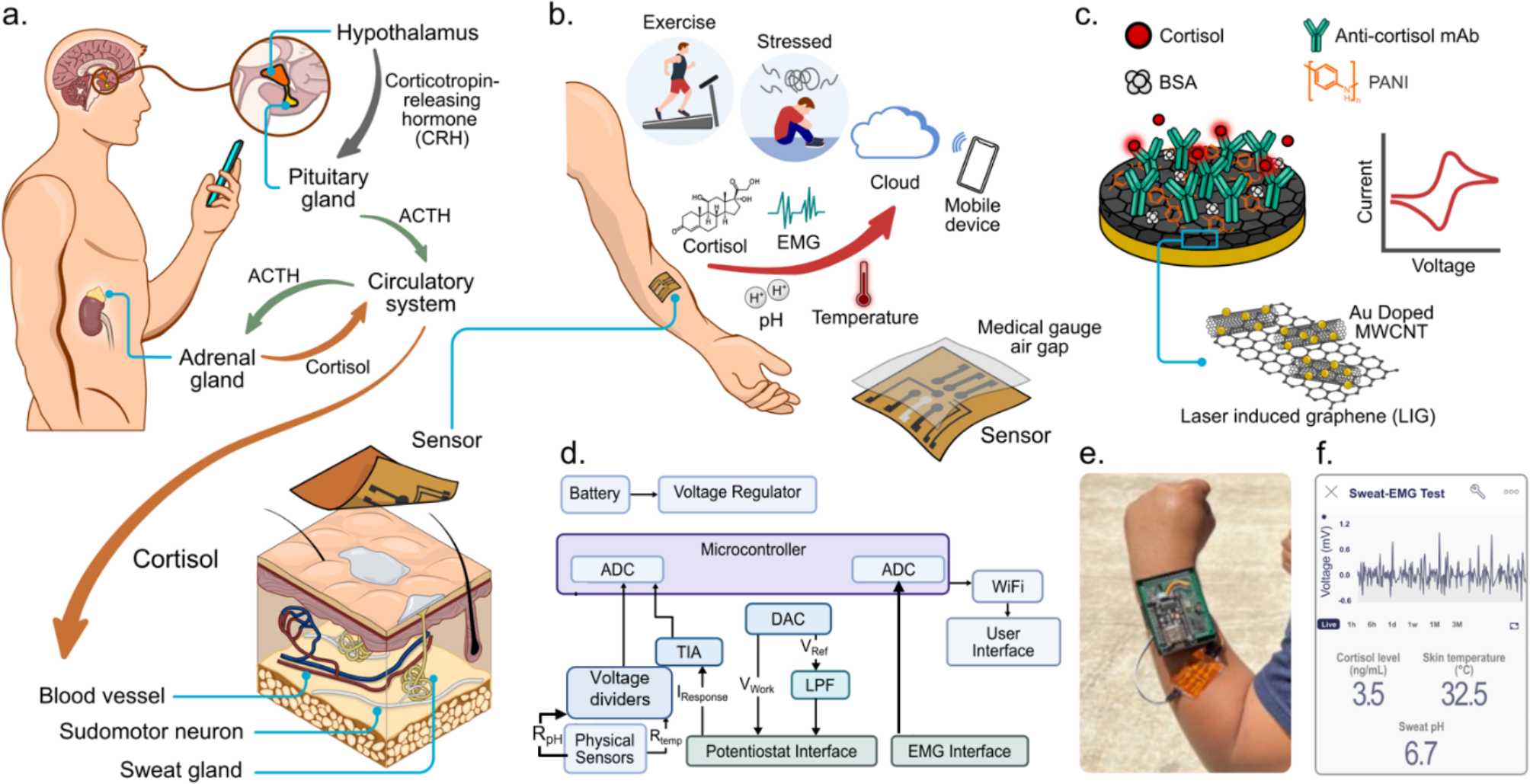
Neftaly integrates advanced wearable technologies to monitor joint stress in real-time, providing valuable insights for athletes, rehabilitation patients, and active individuals. These smart sensors offer continuous tracking of joint mechanics, strain, and fatigue, enabling proactive management of joint health.
???? How Smart Sensors Monitor Joint Stress
Wearable sensors utilize various technologies to assess joint stress:
- Strain and Pressure Sensors: Devices like the knee sleeve developed at Brigham Young University use multiple sensors to measure flexion, extension, and rotation of the knee joint. This system provides real-time data on joint movements, helping in the early detection of abnormal stress patterns. BYU ScholarsArchive
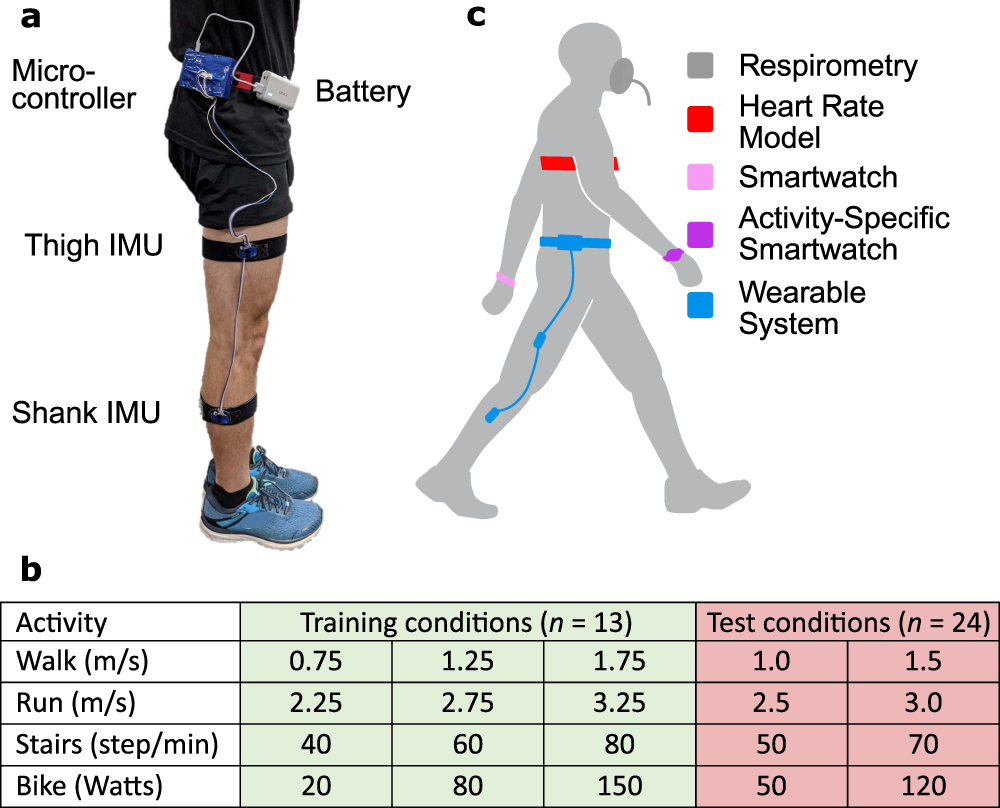
- Inertial Measurement Units (IMUs): IMUs are integrated into wearable devices to capture joint angles and movement dynamics. For instance, a wearable system developed for knee joint health uses IMUs to monitor joint health during various activities. IEEE Sensors Alert
- Flexible Strain Sensors: Researchers have developed low-hysteresis, pressure-insensitive, and transparent capacitive strain sensors for human activity monitoring. These sensors are capable of detecting subtle movements and strains, providing detailed information about joint stress. Nature
✅ Benefits of Monitoring Joint Stress with Smart Sensors
- Early Detection of Abnormal Patterns: Continuous monitoring allows for the identification of unusual joint movements or stress, enabling timely intervention.
- Personalized Rehabilitation Plans: Data collected from wearable sensors can inform customized rehabilitation programs, enhancing recovery outcomes.
- Prevention of Overuse Injuries: By tracking joint stress, individuals can adjust their activities to prevent overuse injuries, promoting long-term joint health.
- Enhanced Performance: Understanding joint mechanics can lead to improved movement efficiency and performance in various activities.
⚠️ Considerations
- Device Accuracy: The precision of measurements can vary among different wearable devices. It’s essential to choose devices validated for accuracy.
- Comfort and Fit: Proper fit is crucial for accurate data collection and user comfort during use.
- Battery Life: Continuous monitoring features may impact battery life, requiring regular charging.
???? Use Cases
| Scenario | Application of Smart Sensors in Joint Stress Monitoring |
|---|---|
| Athletic Training | Monitor joint movements to optimize performance and prevent injuries. |
| Rehabilitation | Track recovery progress and adjust therapy based on joint stress data. |
| Elderly Care | Detect abnormal joint stress patterns to prevent falls and enhance mobility. |
| Occupational Health | Assess joint strain in workers to prevent work-related musculoskeletal disorders. |