Neftaly Email: sayprobiz@gmail.com Call/WhatsApp: + 27 84 313 7407

Tag: social

Neftaly is a Global Solutions Provider working with Individuals, Governments, Corporate Businesses, Municipalities, International Institutions. Neftaly works across various Industries, Sectors providing wide range of solutions.

Neftaly Email: sayprobiz@gmail.com Call/WhatsApp: + 27 84 313 7407

  • Neftaly The impact of social support on athlete mental wellness

    Neftaly The impact of social support on athlete mental wellness

    Here’s how social support profoundly enhances athlete mental wellness, backed by recent research across psychology and sports science:


    The Power of Social Support for Athlete Mental Health

    A. Belonging & Social Identity: The “Social Cure”

    • Strong social connections, especially through meaningful group memberships like a sports team, fulfill psychological needs for belonging, esteem, and purpose. This significantly protects mental health. Social identity not only fosters social support but also enhances well-being itself.PMC
    • Longitudinal studies show that athletes who identify strongly with their team—and even increase that identity over time—report notable gains in life satisfaction and health.PMC
    • Moreover, real-life studies demonstrate that making one’s group memberships more salient can bolster resilience after setbacks.PMC

    B. Buffering Stress and Boosting Coping

    • Among high-performance athletes, higher perceived social support correlates with lower stress levels—particularly when it comes to informational and emotional support. Teammates, coaches, and trusted staff play pivotal roles.Herald Open Access
    • Among adolescent football players, social support from family and peers effectively reduces symptoms of depression and anxiety—supporting the stress-buffering hypothesis.PubMed

    C. Reducing Burnout and Enhancing Well-being

    • In female collegiate athletes, social support is strongly correlated with lower burnout (including exhaustion, devaluation) and higher overall well-being. The correlation is moderate to strong, indicating substantial impact.PubMed
    • Negative social interactions (e.g., criticisms or conflicts) have detrimental effects, whereas positive support consistently contributes to psychological wellness over time.PubMed

    D. Essential in Injury Recovery

    • For injured collegiate athletes, greater satisfaction with social support post-injury is linked to significantly reduced anxiety and depression as they return to play. Satisfaction matters—those highly satisfied reported markedly fewer symptoms.PubMedPMC
    • Athletic trainers who build trust and provide meaningful support help athletes significantly decrease depressive and anxiety symptoms during recovery.PubMedWikipedia

    E. Across Contexts: A Universal Protective Resource

    • Extensive social support research (outside athletics) shows it consistently buffers against distress—from anxiety and depression to chronic health issues—acting as both an emotional anchor and problem-solving aid.Wikipedia
    • Particularly in environments of high stress, like the COVID-19 pandemic, athletes with strong perceived social support showed reduced hopelessness and better coping capacity.SpringerLink

    Summary Table: Social Support & Athlete Mental Health

    Benefit AreaKey Impact
    Belonging & IdentityEnhances life satisfaction and resilience through social cohesion
    Stress BufferingLowers anxiety, mental strain via emotional and informational support
    Burnout PreventionDecreases exhaustion and devaluation; improves overall mental well-being
    Injury RecoveryReduces depression/anxiety; aids psychological rehabilitation
    Resilience BuildingAmplifies self-worth and coping capacity, especially under high stress

    Why It Matters for Neftaly

    Encouraging social support structures is not ancillary—it’s central to athlete mental wellness. Neftaly can integrate this by:

    • Strengthening team cohesion and group identity in sports programs
    • Training coaches, trainers, and support staff to offer empathetic, consistent support
    • Empowering peers and family engagement as active contributors to mental health
    • Paying particular attention during high-stress or recovery phases to maintain quality support
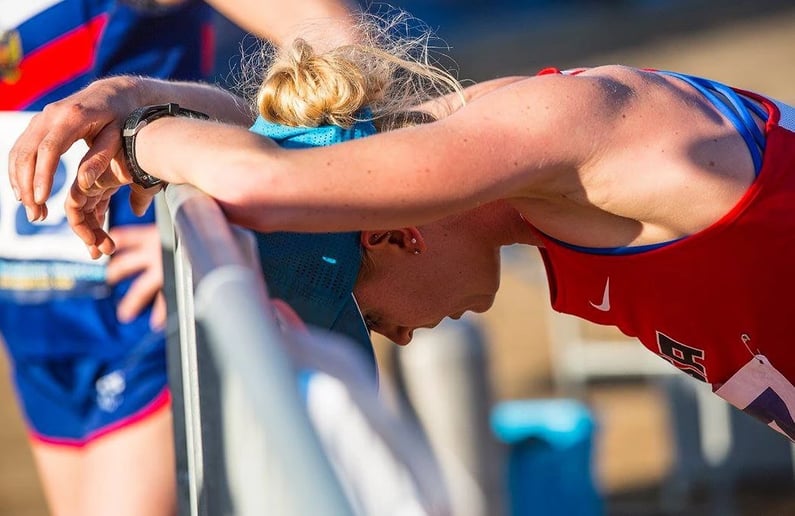
  • Neftaly Supporting mental health in athletes experiencing social isolation

    Neftaly Supporting mental health in athletes experiencing social isolation

    Neftaly: Supporting Mental Health in Athletes Experiencing Social Isolation

    Neftaly, also known as the Southern Africa Youth Project, is a nonprofit organization dedicated to empowering youth across Southern Africa. Established in 2005 by Neftaly Malatjie, Neftaly operates with the mission of reducing youth unemployment and poverty by providing skills development, education, and economic opportunities. The organization has a strong presence in South Africa, with regional offices in Johannesburg, Cape Town, Pietermaritzburg, and Diepsloot.

    Recognizing the significant impact of social isolation on athletes’ mental health, especially during challenging times such as the COVID-19 pandemic, Neftaly has implemented targeted initiatives to support athletes experiencing social isolation. A study conducted during the pandemic revealed that nearly half of the participating athletes reported high psychological distress, with social well-being being more disrupted than emotional and psychological well-being. The study highlighted that athletes’ mental well-being seemed to mitigate their psychological distress, emphasizing the importance of mental health support during periods of isolation. PMC

    Key Initiatives by Neftaly:

    1. Mental Health and Psychosocial Support Programs:
      Neftaly offers comprehensive mental health and psychosocial support services aimed at addressing the challenges faced by athletes experiencing social isolation. These programs provide counseling, therapy, and community-building activities to foster resilience and well-being among athletes.
    2. Analyzing the Health Impacts of Social Isolation:
      Neftaly conducts research and analysis on the health impacts of social isolation and loneliness, providing valuable insights into the specific needs of athletes during periods of isolation. This research informs the development of targeted interventions and support strategies.
    3. Youth Development and Empowerment:
      Through various youth development programs, Neftaly empowers athletes with the skills and resources needed to navigate challenges related to social isolation. These programs focus on building leadership, communication, and coping skills, enhancing athletes’ ability to manage stress and maintain mental health.

    Conclusion:

    Neftaly’s commitment to supporting athletes experiencing social isolation underscores the organization’s dedication to promoting mental health and well-being. By implementing targeted initiatives and providing comprehensive support, Neftaly plays a pivotal role in helping athletes overcome the challenges associated with social isolation, fostering a healthier and more resilient sports community.

  • Neftaly Addressing loneliness and social isolation in professional sports

    Neftaly Addressing loneliness and social isolation in professional sports

    https://impact.paritynow.co/hs-fs/hubfs/IMG_3172%281%29.webp?height=516&name=IMG_3172%281%29.webp&width=795
    https://i.guim.co.uk/img/media/3dca5be34509afff18cc3c0622b056373427b674/0_163_4896_2938/master/4896.jpg?auto=format&fit=crop&height=1200&quality=85&s=567706952f1d09a2cce05d6d6d0b8496&width=1200
    https://scx2.b-cdn.net/gfx/news/hires/2024/soccer-ball-1.jpg
    https://www.athleteassessments.com/wp-content/uploads/sites/34/2019/06/ING_32193_77527.jpg?x80341=

    Addressing Loneliness and Social Isolation in Professional Sports

    Professional athletes often face unique challenges that can lead to feelings of loneliness and social isolation. The intense demands of training, travel, and competition can create an environment where personal connections are limited, and mental health may suffer as a result.


    ???? The Psychological Impact

    Studies have shown that loneliness is prevalent in the sporting community and is closely associated with a range of mental health challenges, including depression, anxiety, and even suicidal thoughts. A comprehensive review of 194 studies involving over 88,500 participants revealed that loneliness is a significant concern among athletes. Medical XpressMedical Xpress

    The solitary nature of certain sports, such as golf, can exacerbate feelings of isolation. The recent suicide of professional golfer Grayson Murray highlighted the mental health struggles within the sport, emphasizing the need for greater support systems. New York Post


    ???? Voices from the Field

    NBA star Tyrese Haliburton recently opened up about his mental health struggles, shedding light on the hidden pressures faced by elite athletes. He revealed how injuries, poor form, and abusive social media comments led to anxiety and depression, making daily routines increasingly difficult. The Guardian

    Tennis player Alexander Zverev also shared his experiences, describing feelings of emptiness and lack of joy, even beyond tennis. His candidness has reignited conversations around mental health in tennis, encouraging others to seek support and prioritize well-being. AP News


    ????️ Support Systems and Solutions

    Organizations like the Professional Footballers’ Association (PFA) and the Sporting Chance Clinic offer specialized support for athletes. The PFA provides a 24/7 helpline, access to over 200 therapeutic counselors, and residential care for those facing mental health challenges. Wikipedia+1

    Additionally, the Mental Health through Sport model suggests that participation in team sports can provide mental and social benefits, potentially reducing feelings of loneliness. BioMed Central


    ???? A Call for Cultural Change

    The experiences of athletes like Naomi Osaka and Simone Biles have sparked a significant shift in the discourse around mental health in sports. Their openness about personal struggles has highlighted the importance of mental well-being and the need for systemic changes to support athletes. The New Yorker

    To address loneliness and social isolation in professional sports, it’s crucial to foster an environment where mental health is prioritized, and athletes feel supported both on and off the field.


    Athletes Speak Out on Mental Health Challenges

    Grayson Murray's suicide is a wake-up call for pro-golf

    New York Post

    Grayson Murray’s suicide is a wake-up call for pro-golf

    Jun 1, 2024

    AP News

    The conversation on mental health returns to tennis after Alexander Zverev’s post-loss lament

    Jul 2, 2025

    Tyrese Haliburton's moment of reflection sheds light on stars' secret struggles

    The Guardian

    Tyrese Haliburton’s moment of reflection sheds light on stars’ secret struggles

    May 19, 2025


  • Neftaly Exploring the relationship between social support and athlete mental health

    Neftaly Exploring the relationship between social support and athlete mental health

    Exploring the Relationship Between Social Support and Athlete Mental Health

    Social support plays a pivotal role in enhancing the mental health and well-being of athletes. Research consistently demonstrates that robust social networks—comprising teammates, coaches, family, and friends—serve as protective factors against stress, anxiety, and depression, while also bolstering resilience and performance.


    ???? The Impact of Social Support on Athlete Mental Health

    1. Buffering Stress and Enhancing Coping Mechanisms Social support acts as a buffer against stress, particularly during challenging periods such as injuries or transitions. For instance, emotional support from coaches and teammates can alleviate feelings of hopelessness and reduce psychological distress. Studies have shown that athletes with higher levels of perceived social support report better mental health outcomes, even under high-pressure situations .
    2. Mediating Effects Through Self-Efficacy and Mental Toughness In adolescent athletes, social support has been found to positively influence engagement in sports by enhancing self-efficacy and mental toughness. These psychological factors mediate the relationship between social support and athlete engagement, highlighting the importance of supportive environments in fostering confidence and resilience .
    3. Types of Social Support and Their Significance Emotional support, characterized by empathy, trust, and care, has been identified as a significant predictor of mental well-being among elite athletes. While other forms of support, such as informational and tangible support, are valuable, emotional support is particularly crucial in maintaining mental health during adverse conditions .
    4. Influence of Social Support on Injury Recovery Athletes recovering from injuries benefit from various types of social support. Emotional support can alleviate stress and anxiety, while informational and tangible support can aid in the rehabilitation process. Collectively, these forms of support contribute to a more positive recovery experience and better mental health outcomes .

    ???? Practical Implications for Coaches, Teams, and Organizations

    • Cultivate Supportive Environments: Encourage open communication and foster a culture of empathy within teams to enhance emotional support.
    • Provide Comprehensive Support: Offer a combination of emotional, informational, and tangible support to address the diverse needs of athletes.
    • Monitor Mental Health: Regularly assess the mental well-being of athletes and provide access to mental health resources when necessary.
    • Promote Peer Support: Facilitate mentorship programs and peer support networks to strengthen social connections among athletes.

    ???? Resources for Further Reading

  • Neftaly Designing unity-themed social media filters for national games

    Neftaly Designing unity-themed social media filters for national games

    Here’s an example image showcasing a sports-themed social media filter—an ideal visual reference for how fans can engage with unity-themed designs during national games.


    Neftaly: Designing Unity-Themed Social Media Filters for National Games

    Harnessing the power of augmented reality (AR) filters can turn sports events into immersive experiences that foster unity and fan engagement. Here’s how Neftaly can implement this with impact:

    Key Design Concepts

    • Unity Frame Overlays
      Create branded frames for Instagram or Snapchat that blend national colors, unity slogans, and symbolisms—like hands joining, national flora, or unity motifs—encouraging fans to share identity-driven content.
    • Face Paint & Mascot Lenses
      Popularized during the FIFA World Cup and Paris 2024, filters can let fans apply virtual face paint in national colors or don dynamic mascot overlays, bridging personal expression with national pride Byten21Lenslist Blog.
    • AR Mini-Games & Interactive Elements
      Engage fans using playful features like Try-on jersey lenses, branded countdowns, or pose-matching games (e.g., copying mascot gestures)—increasing interaction while embedding unity messaging Byten21Marketing-Interactive.

    Engagement Benefits

    • Fan Empowerment & Shareability
      Similar to successful AR campaigns by the San Jose Sharks—who saw 35% more fan interaction and 45% rise in social media engagement—unity-focused AR filters encourage organic sharing and elevate fan-generated storytelling Optic Sky ProductionsCross Creators.
    • Amplified Reach & Community
      Filters become digital rallying points, building emotional bonds and spreading awareness through each shared fan post—like the Olympic “Train like an Olympian” filter that spurred active participation during the Games Marketing-InteractiveSocial Media Today.

    Implementation Roadmap for Neftaly

    StepAction Item
    1. Platform SelectionUse Spark AR (Instagram/Facebook), Lens Studio (Snapchat), or Effect House (TikTok) Banuba.
    2. Theme & MessagingDesign visuals centered on unity—e.g., interlocking hands, national colors, solidarity slogans.
    3. Filter TypesLaunch a suite—frames, face paint, mascot overlays, mini-interactive games.
    4. Launch StrategyRelease filters before national team games with calls-to-action and influencer teases.
    5. Amplify ContentPromote user posts on Neftaly’s platforms, feature top entries, and monitor engagement using platform analytics.
    6. Measure ImpactTrack metrics: usage, shares, engagement, sentiment—continuously refining filter concepts.

    Why This Works for Neftaly
    This approach aligns perfectly with Neftaly’s mission to foster unity through sport and youth engagement. It enables fans—especially youth—to become co-creators, rallying support visually, socially, and emotionally during national games.