Neftaly is a Global Solutions Provider working with Individuals, Governments, Corporate Businesses, Municipalities, International Institutions. Neftaly works across various Industries, Sectors providing wide range of solutions.
Neftaly: Supporting Mental Health through Peer Mentorship and Social Support Networks
Mental health thrives in communities where individuals feel connected, understood, and supported. Neftaly fosters strong peer mentorship programs and social support networks to enhance emotional well-being among athletes and teams.
By pairing individuals with trained peer mentors and facilitating supportive group interactions, Neftaly encourages sharing experiences, normalizing mental health challenges, and building resilience. These social connections reduce feelings of isolation, increase motivation, and create a sense of belonging critical for mental health maintenance.
Our programs are designed to cultivate trust, empathy, and open dialogue within teams and sports communities, helping participants develop essential interpersonal skills that translate both on and off the field.
With Neftaly, peer support becomes a powerful resource for sustaining mental health, improving coping strategies, and fostering a positive, inclusive sports culture.
Neftaly: Promoting Holistic Wellness Models that Integrate Mind, Body, and Social Support
Optimal mental health in sports requires more than addressing individual symptoms—it demands a holistic approach that nurtures the mind, body, and social connections. Neftaly champions wellness models that integrate physical health, psychological resilience, and strong social support networks to create balanced, thriving athletes.
Our programs combine cognitive-behavioral techniques, mindfulness practices, physical conditioning, and peer support to address the complex interplay between mental and physical well-being. By emphasizing the importance of community and relationships, Neftaly fosters environments where athletes feel connected, supported, and empowered.
This integrated approach enhances performance, reduces burnout, and promotes sustainable mental health throughout an athlete’s career and beyond.
With Neftaly, wellness is a comprehensive journey—one that embraces all aspects of an athlete’s life to cultivate lasting strength and vitality.
Neftaly: Addressing Social Determinants of Health in Athlete Mental Wellness Programs
Athlete mental wellness is deeply influenced by social determinants such as socioeconomic status, access to resources, cultural background, and community support. Neftaly recognizes these factors and integrates them into mental wellness programs to provide more equitable and effective care.
Our approach involves assessing and addressing barriers related to housing, education, financial stability, and social inclusion that impact athletes’ mental health. By incorporating these broader contexts, Neftaly designs interventions that are personalized, relevant, and sustainable.
We collaborate with community organizations, healthcare providers, and sports institutions to create support systems that mitigate social challenges and promote holistic well-being.
With Neftaly, athlete mental wellness programs go beyond individual treatment to embrace the social realities shaping mental health—ensuring every athlete has the foundation to thrive.
Neftaly: Addressing Social Media’s Impact on Athlete Mental Health
Social media has become an integral part of athletes’ lives, offering platforms for connection, branding, and fan engagement. However, its pervasive presence also introduces significant mental health challenges. Understanding and mitigating these impacts is crucial for fostering a supportive environment for athletes.
???? Negative Impacts of Social Media on Athlete Mental Health
Performance Pressure and Comparison Athletes often face heightened expectations and scrutiny on social media, leading to increased pressure to perform and maintain a certain image. This can result in stress, anxiety, and diminished self-esteem .
Cyberbullying and Abuse Instances of online harassment, including racist and sexist comments, have been reported by athletes, contributing to emotional distress and a negative impact on mental well-being .
Sleep Disruption and Addiction Excessive use of social media, especially before bedtime, can interfere with sleep patterns, leading to fatigue and impaired mental health. Additionally, addiction to digital media is associated with decreased mental health in adolescent athletes .
✅ Positive Aspects of Social Media for Athletes
Community Building and Support Platforms allow athletes to connect with peers, mentors, and fans, fostering a sense of community and support. This can be particularly beneficial for mental health by reducing feelings of isolation.
Advocacy and Awareness Athletes can use their platforms to raise awareness about mental health issues, share personal experiences, and advocate for positive change, thereby reducing stigma .
Motivation and Inspiration Exposure to fellow athletes’ achievements and journeys can serve as motivation and inspiration, encouraging personal growth and resilience.
????️ Strategies for Mitigating Negative Impacts
Setting Boundaries: Establishing limits on social media usage, such as designated times for checking platforms, can help manage exposure and reduce stress .UC Davis Health
Curating Content: Following accounts that promote positivity, mental health awareness, and personal growth can create a supportive online environment.
Seeking Professional Support: Engaging with sports psychologists or counselors can provide strategies to cope with online pressures and maintain mental well-being.
Utilizing Technology: Tools like AI-driven content moderation can help filter out harmful comments and protect athletes from abuse .
???? Local Context: South Africa
In South Africa, athletes face unique challenges related to social media, including exposure to racial discrimination and limited access to mental health resources. Organizations such as the South African Depression and Anxiety Group (SADAG) offer support and resources to help athletes navigate these challenges .
Developing Educational Materials on Sportsmanship and Social Cohesion
In South Africa, fostering sportsmanship and social cohesion is vital for building inclusive communities and promoting positive youth development. Educational materials that emphasize values such as respect, teamwork, and fair play can play a crucial role in achieving these objectives.
Key Components of Effective Educational Materials
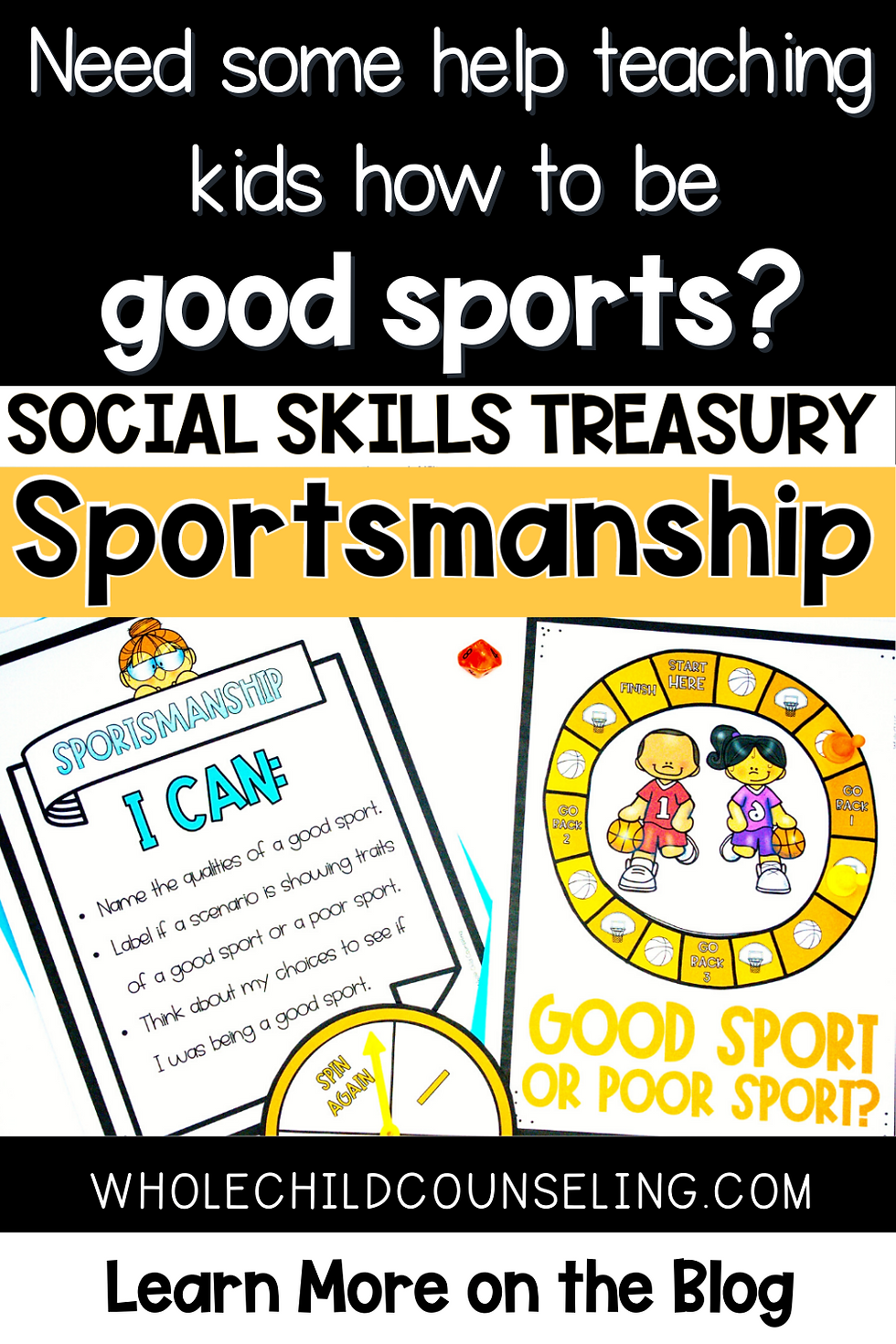
Interactive Activities and Games: Incorporating board games, scenario cards, and role-playing exercises can engage learners and help them understand the importance of good sportsmanship in various situations.
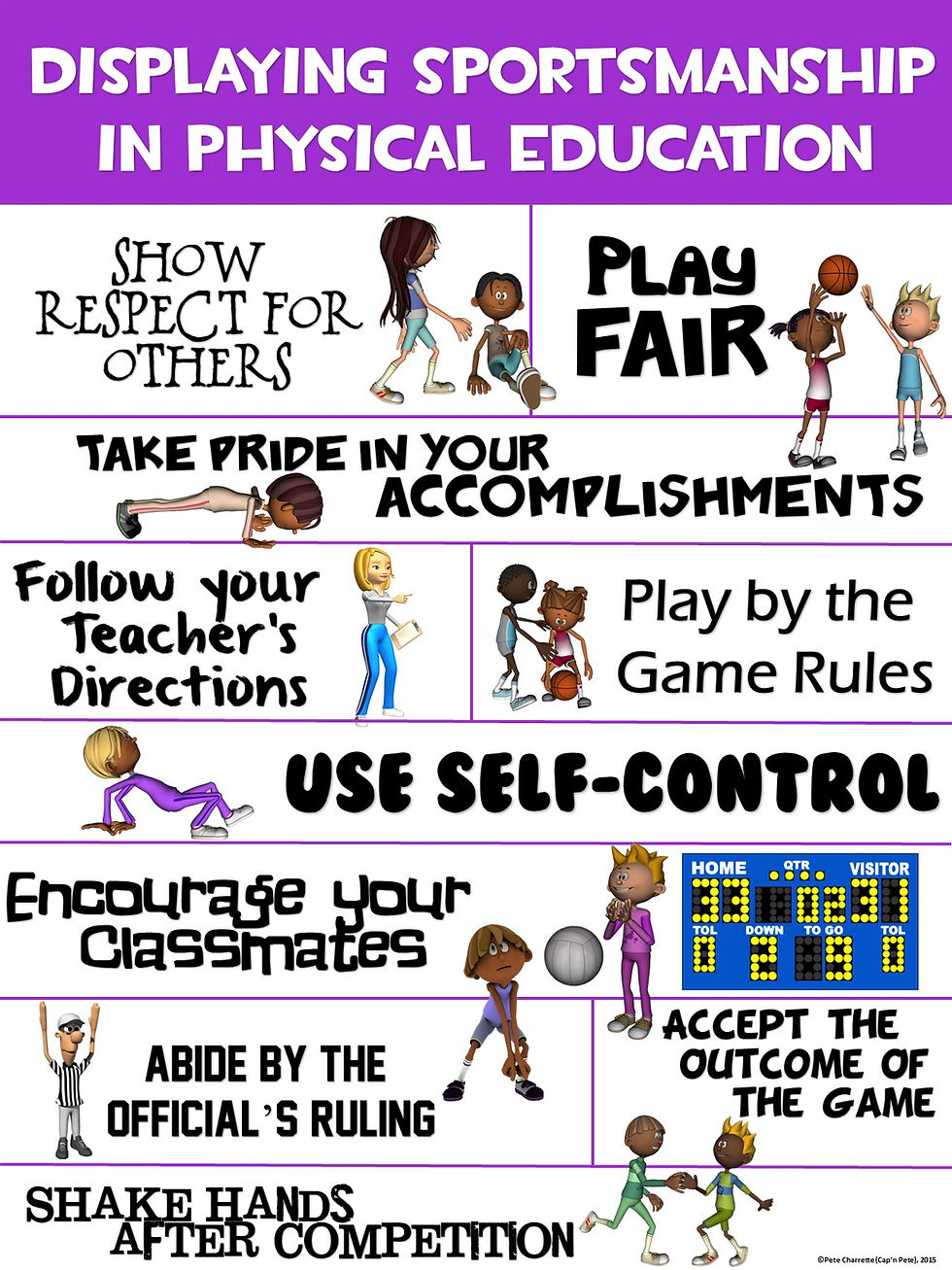
Visual Aids and Posters: Displaying posters that highlight positive behaviors like playing fair, encouraging others, and handling wins and losses gracefully can reinforce desired behaviors in educational settings.Whole Child Counseling
Storytelling and Social Stories: Utilizing stories that depict characters demonstrating good sportsmanship can help learners relate to and internalize these values.
Craft and Reflection Activities: Engaging students in creative activities, such as crafting “Good Sport” badges, allows them to reflect on the qualities of a good sport and how they can embody these traits.Whole Child Counseling
Supporting Research and Initiatives
A study by the University of Pretoria highlighted that sport and recreation youth camps contribute to personal development outcomes such as respect, responsibility, leadership, and communication skills, which are essential for social cohesion. UPSpace Repository
The South African Government has emphasized the role of sport in building social cohesion and human solidarity, noting that sports like rugby and cricket have contributed significantly to unifying the country. Government of South Africa+1HSRC+1
Neftaly: Organizing Youth Sports Festivals Focused on Cultural Diversity and Social Cohesion
Neftaly (Southern Africa Youth Project) is a nonprofit organization dedicated to empowering youth across Southern Africa by providing skills development, education, and economic opportunities. While Neftaly’s primary focus has been on youth empowerment through various programs, there is no publicly available information indicating that Neftaly currently organizes youth sports festivals specifically aimed at promoting cultural diversity and social cohesion. However, Neftaly has been involved in initiatives that promote cultural awareness and social cohesion, which align with the broader goals of fostering unity through sports. For instance, Neftaly has partnered with the Department of Sport, Arts, and Culture to promote arts and culture, which are essential components of fostering cross-cultural understanding. Additionally, Neftaly’s involvement in the Sporting Unity project, in partnership with the Southern Africa Youth Project, aims to overcome colonial legacies and foster cross-cultural understanding through Olympic values. These initiatives contribute to cultural exchange and understanding, aligning with the objectives of promoting unity through sports.
For more information on Neftaly’s programs and initiatives, you can visit their official website:
Social media and podcasts have empowered athletes to bypass traditional media gatekeepers, amplifying authentic stories on systemic issues like racism and inequality.SpringerLink
⚖️ Activists Making an Impact: Global & Local Highlights
Naomi Osaka (Tennis)
Used her platform to protest police brutality and anti-Black violence by wearing masks with victims’ names at major tournaments. She paused play at the Cincinnati Open to raise awareness. Named Sports Illustrated’s Sportsperson of the Year and featured on Time 100 in 2020 for her activism.Wikipedia
Maya Moore (WNBA)
Walked away from her extraordinary basketball career to fight for criminal justice reform. Founded Win with Justice, secured the release of her wrongfully convicted husband, and was honored with the Arthur Ashe Courage Award.Wikipedia
Allyson Felix (Track & Field)
Retired Olympic icon advocating for maternal health protections in sports. After confronting Nike over maternity coverage, she launched her own brand and received a major grant to support Black maternal wellness.Glamour
Painted a red hand over her mouth to spotlight violence against Indigenous women, using her runs and TEDx talks as powerful advocacy tools.parents.com+7Wikipedia+7CATALYST PLANET+7
???? How Neftaly Can Feature These Stories
1. Digital Storytelling Series
Produce mini-documentaries or interviews featuring South African athlete activists—current or emerging—highlighting their impact. Use global examples (like Osaka or Moore) for inspiration and context.
2. Podcast or Vlogs
Invite athlete voices to lead conversations on social responsibility, equity, and activism, following the trend of direct athlete media noted in recent research.managementnote.com+3SpringerLink+3Number Analytics+3
3. Education Toolkits
Create resources around featured activist stories for schools and youth camps. Use historical moments like John Carlos and Tommie Smith’s 1968 Olympics protest to inspire ethical leadership conversations.Play the Game+2managementnote.com+2pickstar.pro+2
4. Social Media Campaigns
Launch campaigns like #NeftalyVoices or #AthleteResponsibility featuring activist-athlete quotes, video highlights, and calls to action.
5. Local Champions Initiative
Spotlight South African athlete-activists or civic-minded sports figures (such as Paralympians, eco-sport advocates, or LGBTQ+ sports leaders) via Neftaly’s platforms.
???? Why It Aligns with Neftaly’s Mission
Amplifies youth leadership: Inspiring youth through role models who blend athletic success with social consciousness.
Strengthens social impact orientation: Enhances Neftaly’s identity as a values-driven organization linking sport and social justice.Diepsloot Youth+3Neftaly+3Neftaly Arts+3
Encourages ethical engagement among sports communities and fans.
✅ Implementation Roadmap
Step
Action
Research & Interviews
Identify athlete activists (local & international) for features
Media Production
Create short videos, social briefs, podcast episodes
Partner & Collaborate
Work with sports advocacy groups or athlete foundations
Amplification
Launch on Neftaly platforms and engage local media
Integration
Use stories in existing leadership curricula or events
???? Sample Story Angles
A South African runner dedicated to environmental sustainability (like Innes FitzGerald’s eco activism) for a local adaptation.theguardian.com
A local LGBTQ+ or disabled athlete championing inclusion and challenging norms—e.g. inspired by Chaeli Mycroft or Eudy Simelane.Wikipedia+1Wikipedia+1
???? Neftaly’s Foundation in Leadership & Youth Training
Neftaly delivers comprehensive leadership and life skills development through its Diepsloot Youth Mentorship Programme. This includes workshops on leadership, conflict resolution, communication, and career development aimed at empowering youth aged 18–30.Reddit+11diepslootyouth.org.za+11sports.saypro.online+11
Additionally, Neftaly’s Sports & Community Development Programme combines sport with social development, reinforcing personal responsibility and ethical citizenship.diepslootyouth.org.zadiepslootyouth.org.za
All of these provide a strong foundation for introducing workshops focused specifically on ethics and social responsibility within sport.
???? Why Workshops on Ethics & Social Responsibility Matter
Globally, initiatives like the Bambisanani Partnership illustrate the power of sport-based leadership education to foster values such as integrity, teamwork, and civic action.Wikipedia
Similarly, African leadership models—such as those promoted by the Steve Biko Foundation—emphasize consciousness, community, identity, and agency, core values that align well with ethical sports leadership.Wikipedia
Embedding these frameworks into sports-specific training helps young athletes not only succeed in sport but also serve as principled leaders within their communities.
???? Core Workshop Modules for Athletic Ethical Leadership
Fundamentals of Leadership in Sports
Exploring different leadership styles, team dynamics, and motivation.
Addressing fair play, anti-doping, inclusion, and non-discrimination.
Case studies of real-world scenarios and decision-making frameworks.
Social Responsibility & Community Impact
How athletes can use sport to advance social goals like reconciliation and inclusion.
Practical design of athlete-led community initiatives or CSR micro‑projects.
Conflict Resolution & Integrity
Communication strategies, ethical decision-making under pressure.
Role-play exercises and guided reflection circles.
Personal Values & Identity
Encouraging athletes to reflect on their role as community symbols.
Aligning personal ambition with service and legacy.
???? Suggested Delivery Format
Hybrid workshops: Combine in-person sessions at Neftaly Sports Academies with online webinars—ideal for flexibility and scale.Wikipedia+1Wikipedia+1sports.saypro.online
Collaborative teaching: Lead by trained facilitators along with guest athlete leaders, coaches, or ethical leadership specialists (e.g., from Bambisanani Partnership).
Experiential learning: Group exercises, case discussion, and field visits to community programs led by athletes.
Peer-led mentoring circles: Follow-up groups to support application of ethical leadership in real contexts.
???? Strategic Impact for Neftaly
Impact Area
How the Workshops Strengthen Neftaly’s Mission
Leadership Development
Aligns with Neftaly’s track record in youth training and mentorship.
Role Model Building
Equips athletes to be coaches, mediators, and ethical ambassadors.
Community Benefit
Promotes athlete-driven projects with broader social good.
Organizational Visibility
Positions Neftaly as a thought leader in ethical sports leadership in South Africa.
Neftaly’s Diepsloot Youth Project, particularly its Sports & Community Development programming, combines grassroots sports (soccer, cricket, netball, volleyball, dance events) with efforts to foster social connection among youth. These free or low-cost programs provide youth from different backgrounds opportunities to interact, learn life skills, and build community engagement.turn0search0
???? Why This Is Crucial: Evidence & Context
In Stellenbosch, football remains racially segmented, with African and Coloured clubs historically operating separately. Even after integration into a unified football association, deep-rooted spatial and racial divides persisted. Sport alone didn’t dissolve the divide—it underscored existing inequalities unless complemented by broader social efforts.turn0search6turn0search7
Conversely, structured sport-for-development initiatives—like Football for Hope (e.g. in Khayelitsha) and the Bambisanani Partnership—have effectively used sport as a bridge across social divides by integrating health education, leadership development, intercultural learning, and regular engagement.turn0search12turn0search17
???? Scaling Up: Neftaly’s Strategic Framework
By building on its existing community sports base, Neftaly can strategically enhance unity and social cohesion through the following approaches:
????️ 1. Integrated Multi-Community Sports Events
Organize festivals or tournaments that purposefully include teams from diverse neighborhoods (e.g., township, peri-urban, suburban), encouraging cross-community interaction beyond Diepsloot.
???? 2. Sport-Embedded Dialogue & Education
Pair sporting activities with structured reflection or dialogue workshops—facilitated by youth leaders or trained volunteers—to address stereotypes, conflict resolution, identity, and respect.
???? 3. Sport for Development Add-Ons
Incorporate educational modules (e.g. health, gender equity, HIV awareness) into training drills or match-day skill sessions, following Football for Hope models like the Skillz Programme at the Khayelitsha centre.turn0search12
???? 4. Leadership by Youth Ambassadors
Train selected youth participants to serve as peer facilitators—champions of unity, sportsmanship, and inclusion—who help lead camps, reflection sessions, and community service projects.
????️ 5. Partnerships with Sport‑for‑Peace Networks
Link with groups like Bambisanani Partnership or Football for Hope to draw on pedagogical tools, exchange experiences, foster interprovincial or international collaboration, and amplify impact.turn0search17turn0search12
⚙️ Sample Program Structure
Component
Purpose
Integrated sports festivals
Bring together youth from diverse areas to play and build relationships
Dialogue workshop sessions
Promote empathy, reduce prejudice, and encourage reflection after events
Educational sessions in sport
Address social issues while engaging youth through sport-based learning
Youth solidarity ambassador program
Develop peer-led ethics and community leadership roles
Partner collaboration
Elevate program design, share resources, and expand credibility and scope
???? Why This Matters for Neftaly
Strengthens Neftaly’s commitment to bridging divides through accessible sport-based youth empowerment.turn0search0turn0search4
Tackles South Africa’s persisting spatial and racial segregation in sport—turning sport from a reflection of division into a tool for unity—with intentional programming.turn0search6turn0search7
Aligns with global best practices observed by Football for Hope and Bambisanani, combining sport, education, leadership, and social transformation.turn0search12turn0search17
Deepens impact: youth gain confidence, skills, cross-community networks, and opportunities to lead positive change in their local areas.
✅ Suggested Next Steps
Develop a pilot series in at least two diverse locations (e.g., Diepsloot plus a neighboring township or mixed community area).
Draft curriculum integrating sport drills with dialogue and life‑skills education—possibly in collaboration with Football for Hope partners.
Train youth ambassadors to serve as peer facilitators and inclusion champions.
Secure partnerships with local NGOs, schools, municipalities, and sport-for-development networks to support programming and scale.
Plan monitoring and evaluation to capture outcomes in social cohesion, leadership growth, and intergroup attitudes.
Neftaly can play a pivotal role in supporting research on the social impact of sports events on national identity in South Africa. This initiative aligns with the country’s rich history of using sports as a tool for nation-building and social cohesion.
???????? National Context
South Africa’s experience with major sports events, such as the 1995 Rugby World Cup and the 2010 FIFA World Cup, has demonstrated the profound impact sports can have on national identity. These events have served as platforms for fostering unity, pride, and a collective sense of belonging among South Africans. Research indicates that hosting such events can enhance national identity, improve subjective well-being, and positively influence the city’s image .PMC
???? Proposed Research Framework
1. Objectives:
Assess Social Impact: Evaluate how sports events influence social cohesion, national pride, and collective identity.
Analyze Long-Term Effects: Investigate the enduring impact of sports events on community development and national unity.
Inform Policy and Planning: Provide evidence-based insights to guide future sports event planning and national development strategies.
2. Research Areas:
Community Engagement: Examine how local communities participate in and benefit from sports events.
Cultural Representation: Analyze how sports events reflect and shape national culture and identity.
Economic and Social Outcomes: Assess the broader economic and social impacts of hosting sports events.
3. Methodology:
Surveys and Interviews: Collect qualitative and quantitative data from participants, residents, and stakeholders.
Case Studies: Conduct in-depth analyses of specific events and their impacts.
Comparative Analysis: Compare South Africa’s experiences with those of other nations to identify best practices and lessons learned.
???? Potential Collaborations
Academic Institutions: Partner with universities and research centers specializing in sports studies, sociology, and national development.
Government Agencies: Collaborate with the Department of Sport, Arts and Culture and other relevant bodies.
Community Organizations: Engage local communities in the research process to ensure diverse perspectives.
???? Expected Outcomes
Enhanced Understanding: Gain deeper insights into the role of sports in shaping national identity.
Policy Recommendations: Develop strategies to maximize the positive impacts of sports events on national unity.
Community Empowerment: Empower communities by involving them in the research process and utilizing findings to address local needs.