

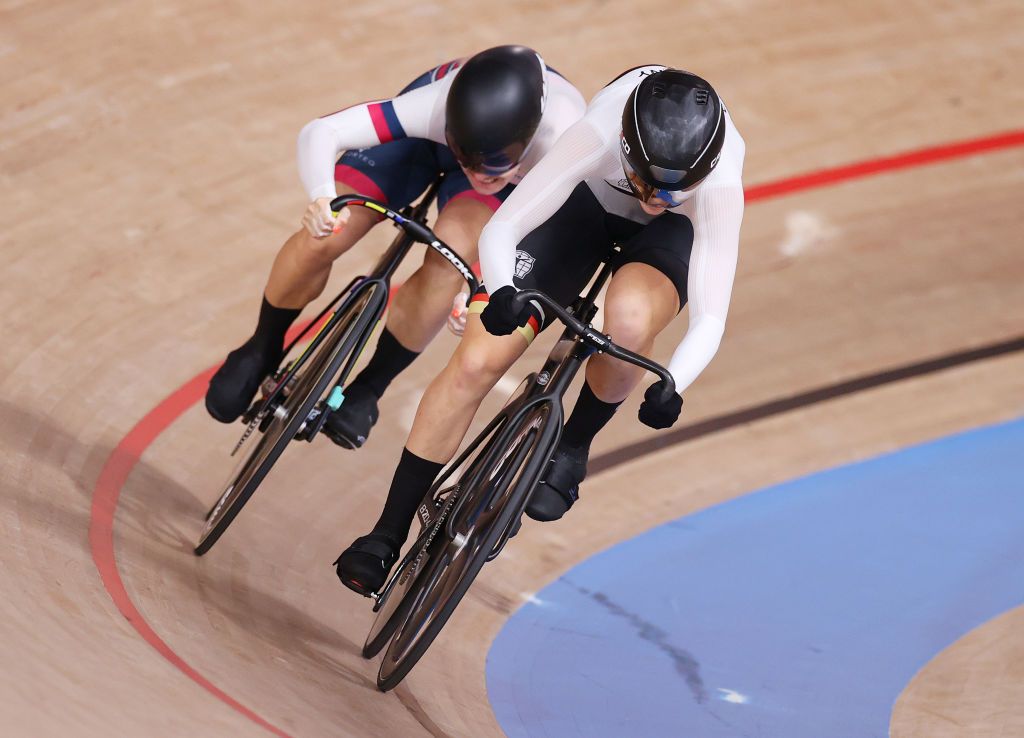
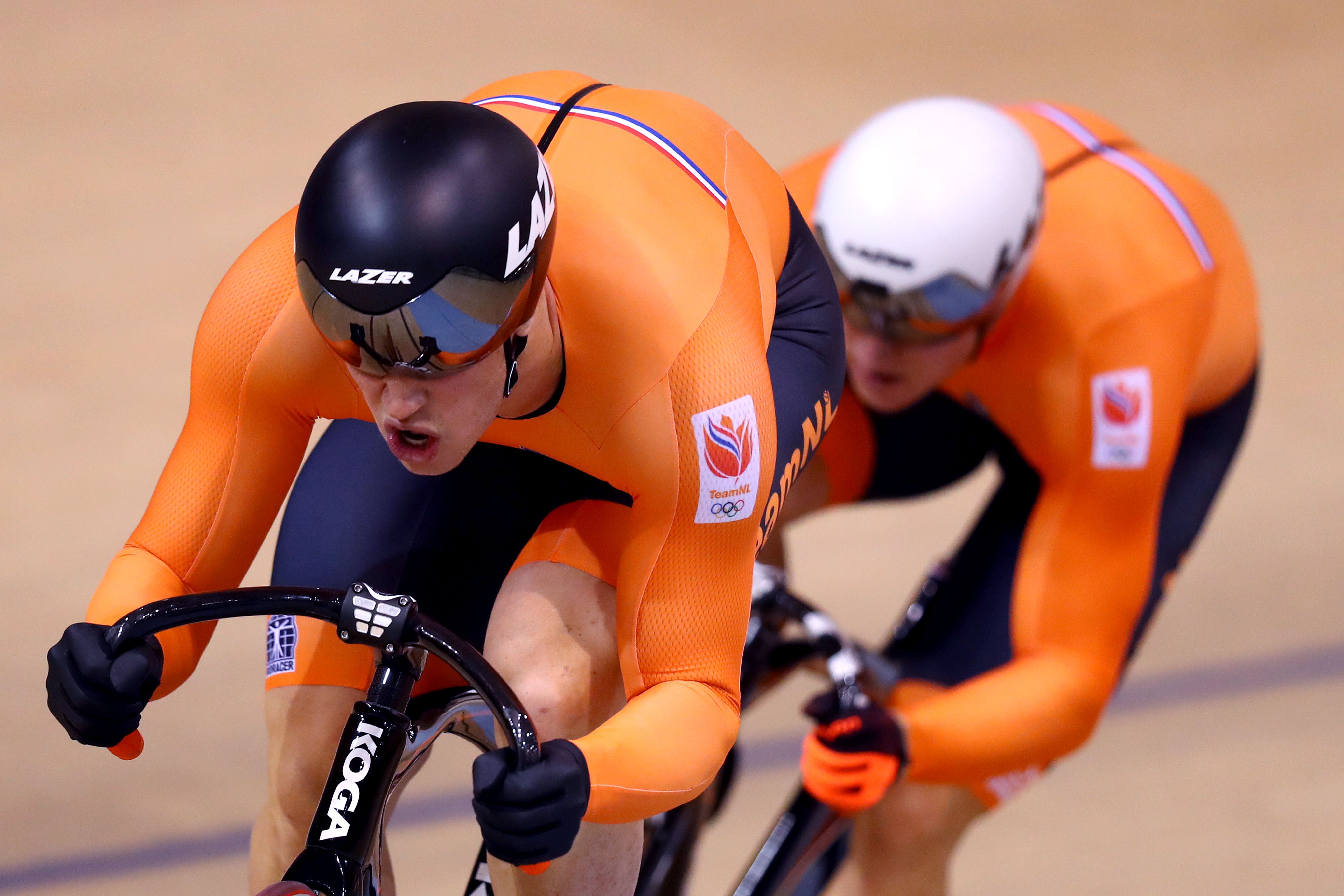


Here’s a visual dive-in into the electrifying world of track cycling sprinting—including elite duels, powerful stances, and razor-sharp positioning on the velodrome.
Neftaly — Track Cycling: The Art of Sprinting
1. Anatomy of the Match Sprint: More Mind Game Than Straight Burst
While the sprint may cover just three laps (~750 m), it’s highly strategic—not a flat-out start-to-finish effort. Riders engage in a “cat-and-mouse” duel, jockeying for position and trying to force the other into the front for a tactical advantage. Many moments are spent almost stationary, including track stands, to bait the opponent into taking the lead.Coach PavCCCCBikeRadar
Qualifying begins with a flying 200 m time trial that seeds riders. From there, they face off in knockout rounds—eventually leading to best-of-three match sprints in later stages.Herne Hill VelodromeProCyclingUKBikeRadar
2. Key Tactics and Strategic Playbooks
Slipstreaming & Positioning
Riders try to manipulate race dynamics so they can draft behind their opponent—saving energy and striking decisively in the final lap.Coach PavUCI Track Champions League
Front vs. Second: Who Controls the Game?
Leading can be both a blessing and a curse—offering control but giving the chaser drafting advantage. Strategies differ based on whether you’re leading or trailing.Track Cycling AcademyCCCCCoach Pav
Distance, Speed & Track Usage
Effective sprinters monitor their distance and speed carefully and use banking smartly—gaining or bleeding speed without cost.FitLabTrack Cycling Academy
3. Technique: Body, Bike, and Gear Optimization
Positioning on the Bars
Sprinting from the drops provides aerodynamic lean, stability, and power leverage—maximizing energy efficiency in the heat of battle.Saddle Up!
Gear & Cadence Balance
Sprinters aim for a higher gear with a cadence that still allows rapid acceleration—often reaching 110–120 rpm by the line.FitLabSaddle Up!
4. Science Meets Strategy
Cutting-edge research shows that qualifying outcomes heavily influence final results. For example, Olympic champion Harrie Lavreysen had a 75% chance of gold after qualifying, highlighting how position, tactics, and psychology intertwine.École polytechnique, école d’ingénieur
5. Competitive Structure: From Qualifiers to Finals
| Phase | Description |
|---|---|
| Qualifying | Flying 200 m time trial to seed riders—sets tone for bracket placement.Herne Hill VelodromeProCyclingUKBicycling |
| Early Rounds | Head-to-head heats, often with repechage rounds for second chances.ProCyclingUKBikeRadar |
| Final Rounds | Best-of-three elimination sprints showcasing all tactical and technical elements.Herne Hill VelodromeCoach PavBikeRadar |
6. Why Sprinting Rules the Track
- Intense Tactical Warfare: A mental game that unpacks over seconds.
- Technical Finesse: Position, gearing, and bike handling matter just as much as strength.
- Unpredictable Thrills: Momentum sends riders from near-stop to all-out in a flash.
- Training Depth: From explosive power workouts to mock race simulations—sprinters train hard on both body and brain.Coach PavFitLabTrack Cycling Academy
In Summary
“The Art of Sprinting” in track cycling is a layered blend of strategy, technique, and timing:
- Think tactically—rush, lull, feint, and strike
- Use your gear wisely—optimized for explosive bursts
- Ride smart on the track—banking, spacing, and body position are everything
- Let science guide you—data-driven insights give you the strategic edge