Neftaly Email: sayprobiz@gmail.com Call/WhatsApp: + 27 84 313 7407

Tag: stigma

Neftaly is a Global Solutions Provider working with Individuals, Governments, Corporate Businesses, Municipalities, International Institutions. Neftaly works across various Industries, Sectors providing wide range of solutions.

Neftaly Email: sayprobiz@gmail.com Call/WhatsApp: + 27 84 313 7407

  • Neftaly Encouraging mental health literacy and stigma reduction at all levels of sports

    Neftaly Encouraging mental health literacy and stigma reduction at all levels of sports

    https://static.wixstatic.com/media/da4dbf_6b80ce2f15a94fbb9d23d9a25e2ca820~mv2.jpeg/v1/fill/w_400%2Ch_1000%2Cal_c%2Cq_85%2Cusm_0.66_1.00_0.01/da4dbf_6b80ce2f15a94fbb9d23d9a25e2ca820~mv2.jpeg
    https://img1.wsimg.com/isteam/ip/6c63ddbb-1e96-4cce-9da4-8d771ac6db19/MENTAL%20GAME%20JPG.JPG
    https://cluecho.com/wp-content/uploads/sites/34/2023/11/Student-Athlete-Mental-Health.png
    https://members.believeperform.com/wp-content/uploads/sites/34/2019/09/How-coaches-can-reduce-the-stigma-attached-to-mental-health-in-sport.png

    Neftaly (Southern Africa Youth Project) is actively promoting mental health literacy and stigma reduction at all levels of sports through comprehensive education, training, and community engagement initiatives. Recognizing the critical need to address mental health in sports, Neftaly’s programs aim to equip athletes, coaches, and communities with the knowledge and tools to foster a supportive environment that prioritizes mental well-being.


    ???? Mental Health Literacy in Sports

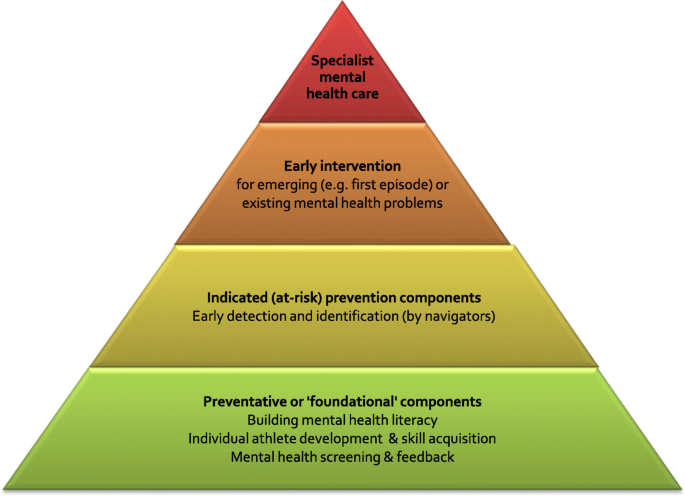
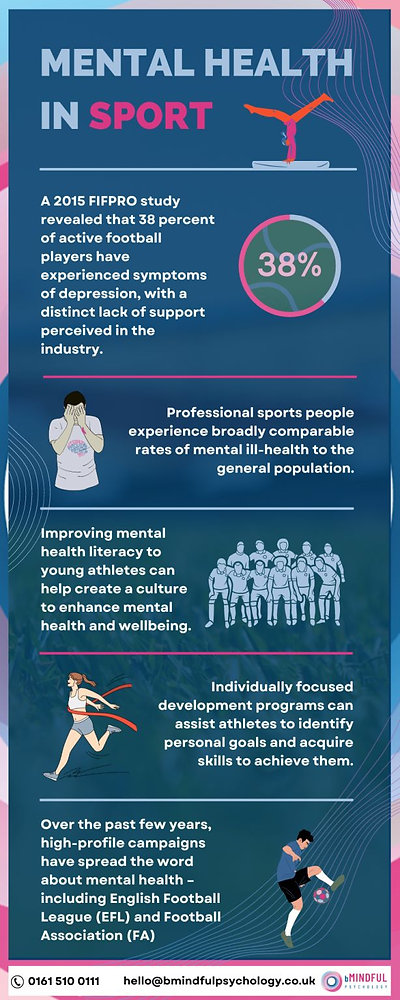
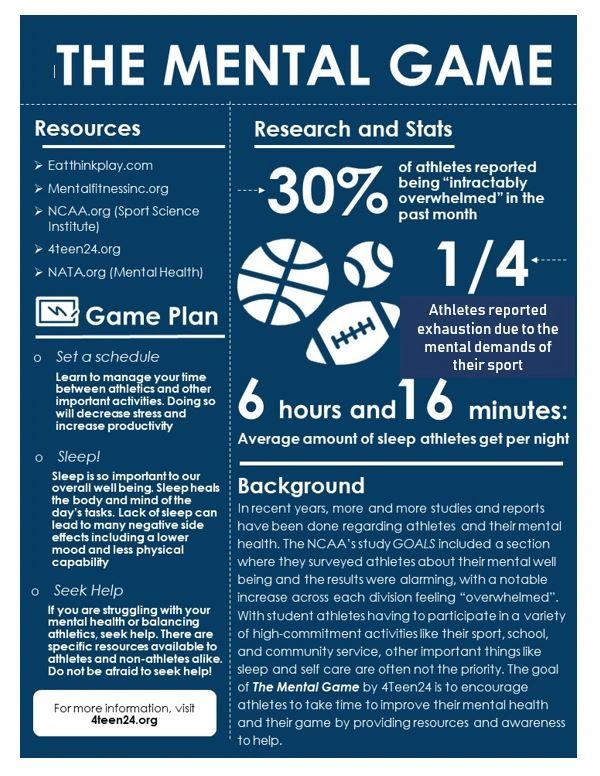
    Mental health literacy involves understanding mental health issues, recognizing symptoms, knowing how to seek help, and fostering attitudes that promote mental well-being. In the context of sports, enhancing mental health literacy is essential for early identification of mental health challenges and encouraging athletes to seek appropriate support. Neftaly’s initiatives focus on:

    • Educational Workshops: Conducting sessions for athletes and coaching staff to increase awareness about mental health issues and available resources.
    • Resource Development: Creating accessible materials that provide information on mental health topics relevant to the sports community.
    • Collaborations with Mental Health Professionals: Partnering with experts to deliver specialized training and support.

    ???? Reducing Stigma in Sports

    Stigma surrounding mental health can prevent athletes from seeking help and can negatively impact their performance and well-being. Neftaly addresses this issue by:

    • Awareness Campaigns: Launching initiatives to challenge misconceptions and promote open discussions about mental health in sports.
    • Peer Support Programs: Establishing networks where athletes can share experiences and support each other.
    • Training Coaches and Staff: Equipping sports personnel with the skills to recognize signs of mental health issues and respond appropriately.

    ???? Community Engagement and Support

    Neftaly’s approach extends beyond individual athletes to include entire communities, ensuring a holistic support system:

    • Community Outreach: Engaging local communities through events and programs that promote mental health awareness.
    • Youth Empowerment: Providing platforms for young people to discuss mental health and develop resilience.
    • Collaborations with Schools and Organizations: Partnering with educational institutions and community groups to integrate mental health education into broader youth development programs.

    ???? Impact and Future Directions

    Through these initiatives, Neftaly aims to create an environment where mental health is prioritized, stigma is reduced, and athletes are supported in achieving their full potential. The organization’s ongoing efforts focus on expanding reach, enhancing program effectiveness, and fostering a culture of mental well-being in sports across Southern Africa.

  • Neftaly Promoting mental health literacy and stigma reduction campaigns

    Neftaly Promoting mental health literacy and stigma reduction campaigns

    Neftaly: Empowering Minds – Literacy & Stigma-Free Sports Culture

    Neftaly advances athlete mental health by elevating mental health literacy and dismantling stigma through inclusive, evidence-based campaigns tailored to sports contexts.

    Pillars of Effective Campaign Design

    • Education & Media Messaging
      Evidence shows that accurate, educational messaging effectively dispels myths and fosters empathy. Public campaigns—especially on digital platforms—can reduce negative attitudes toward mental health conditions and build community awareness.Park UniversitySAGE Journals
    • Lived-Experience Contact
      Meaningful impact comes from featuring personal stories—whether through testimonial videos or live speaking events—as they humanize mental health and challenge stigma.Pan American Health OrganizationWikipedia
    • Role Models & Athlete Champions
      Involving elite athletes who speak openly about their mental health helps reframe vulnerability as strength. Programs where athletes share their stories—especially when combined with creative expression—can deeply shift norms and inspire help-seeking behavior.SELFThe GuardianPMCNCAA.org
    • Digital Interactive Campaigns
      Campaigns using social media, storytelling, or games have proven effective in increasing mental health knowledge, reducing stigma, and encouraging help-seeking intentions.SAGE JournalsPMC

    Successful Case Studies

    • “Ahead of the Game” Sports-Based Program
      This intervention combined literacy training, messaging campaigns, and education for parents and coaches. It significantly improved depression and anxiety literacy, help-seeking intentions, and resilience among adolescent male athletes.PubMed
    • Systematic Review on Athlete MHL Programs
      Research shows that mental health literacy (MHL) programs for athletes yield small to moderate improvements in mental health knowledge, stigma reduction, and help-seeking attitudes—though not yet consistently in actual help-seeking behaviors.PubMed
    • NCAA’s Tackling Stigma Pilot
      Focused on student-athletes, this program aimed to improve mental health literacy, empathy, and help-seeking by challenging stereotypes and facilitating contact with those impacted by mental health challenges.NCAA.org

    Neftaly’s Strategic Framework

    Strategic ElementNeftaly Implementation
    Digital CampaignsLaunch athlete-featured videos and social content sharing personal stories and mental health facts.
    Interactive ToolsUse engaging digital tools—mobile quizzes, webinars, or interactive games—that teach recognition and first-aid responses.
    Role Model EngagementCollaborate with respected athletes to speak candidly about mental health, reframing stigma as resilience.
    Coach & Family EducationDeliver tailored workshops or resources to coaches and parents to boost literacy and destigmatizing language across environments.
    Community VisibilityHost match-day mental health awareness events—like pre-game presentations, resource stands, and storytelling.

    Why This Matters

    • Informed and Empathetic Athlete Communities: Education and contact-based campaigns cultivate understanding, reduce barriers, and build support systems.
    • Normalized Mental Health Discourse: Featuring real athlete narratives encourages open conversations and reduces stigma in sports culture.
    • Culture of Early Intervention: By improving recognition and help-seeking intentions, Neftaly promotes proactive mental health care.

    In summary:
    Neftaly’s mental health literacy and stigma reduction campaigns blend digital media, storytelling, role model engagement, and educational outreach to foster empathetic and mentally resilient athletic environments.

  • Neftaly Addressing stigma related to mental health in elite athletes

    Neftaly Addressing stigma related to mental health in elite athletes

    https://www.mountainside.com/wp-content/uploads/sites/34/2020/12/athletes-and-mental-health.jpg
    https://live-global-sport-matter.ws.asu.edu/wp-content/uploads/sites/34/2018/04/Mental-health-illustration-crop.jpg
    https://www.virtuerecoverycenter.com/wp-content/uploads/sites/34/2024/03/Mental-Health-Challenges-Amongst-Elite-Athletes-Virtue_Recovery.png
    https://media.springernature.com/lw685/springer-static/image/art%3A10.1186%2Fs40798-019-0220-1/MediaObjects/40798_2019_220_Fig3_HTML.png

    Neftaly: Addressing the Stigma of Mental Health in Elite Athletes


    ???? The Challenge: Stigma in Elite Sports

    Mental health issues are prevalent among elite athletes, with studies indicating that between 5% and 35% report experiencing mental health disorders, including depression and anxiety. Despite this, stigma remains a significant barrier to seeking help. Athletes often perceive mental health struggles as a sign of weakness, conflicting with the cultural emphasis on mental toughness in sports. Cleveland ClinicResearchGate


    ????️ Neftaly’s Strategic Initiatives

    1. Normalizing Mental Health Conversations

    Creating an environment where mental health is openly discussed helps reduce stigma and encourages athletes to prioritize their well-being. Strategies include:Kent State Online

    • Workshops and Team Discussions: Facilitating open dialogues about mental health within teams.
    • Sharing Success Stories: Highlighting athletes who have successfully managed mental health challenges.
    • Education and Awareness Campaigns: Providing information to athletes and staff about mental health issues and resources.

    2. Providing Accessible Mental Health Resources

    Ensuring that athletes have easy access to mental health services is crucial. This includes:

    • Confidential Counseling Services: Offering private sessions with licensed professionals.
    • Online Mental Health Platforms: Implementing digital tools for remote support, which have shown high acceptance among athletes. Frontiers
    • On-Site Mental Health Professionals: Having specialists available during training and competitions.

    3. Training Coaches and Staff

    Educating coaches and support staff to recognize signs of mental health issues and respond appropriately is vital. Programs like the Australian Football League’s “Manage Your Mind” initiative teach players and staff about mental health symptoms and coping strategies. Wikipedia

    4. Promoting Athlete Advocacy

    Encouraging athletes to share their experiences can inspire others to seek help. High-profile athletes such as Simone Biles, Naomi Osaka, and Michael Phelps have publicly discussed their mental health challenges, helping to shift perceptions and reduce stigma. People.com


    ???? Evidence of Impact

    Implementing these strategies has led to:

    • Increased Help-Seeking Behaviors: A meta-analysis found that the mental health help-seeking rate among athletes is 22.4%. ScienceDirect+1
    • Enhanced Mental Health Literacy: Educational programs have improved athletes’ understanding of mental health issues.
    • Reduced Stigma: Open discussions and shared experiences have contributed to a more supportive environment.

    ???? Global Initiatives

    Organizations like Athletes for Hope and the Sporting Chance Clinic are leading efforts to address mental health stigma in sports. Athletes for Hope’s “Whole Being Athlete” program focuses on storytelling, education, and advocacy to reduce stigma. The Sporting Chance Clinic offers specialized treatment for addictive disorders among professional athletes. Wikipedia+2athletesforhope.org+2Wikipedia


    ???? Conclusion

    Addressing the stigma surrounding mental health in elite athletes is essential for their well-being and performance. By normalizing conversations, providing accessible resources, training staff, and promoting athlete advocacy, we can create a supportive environment that encourages athletes to seek the help they need.


    Athletes Leading the Charge in Mental Health Awareness

    16 Times Athletes Opened Up About Their Mental Health: From Simone Biles to Michael Phelps

    People.com

    16 Times Athletes Opened Up About Their Mental Health: From Simone Biles to Michael Phelps

    Aug 14, 2024

    TIME

    Simone Biles Returns to the Tokyo Olympics-With a Big Statement

    Aug 3, 2021

    AP News

    Decathlete Trey Hardee’s mental health struggles began after celebrated career ended

  • Neftaly Using peer-led workshops to reduce mental health stigma

    Neftaly Using peer-led workshops to reduce mental health stigma

    Here’s how Neftaly can effectively use peer-led workshops to reduce mental health stigma—drawing on evidence-based findings:


    The Power of Peer-Led Workshops

    1. Proven to Reduce Self‑Stigma & Encourage Help‑Seeking

    A meta-analysis of randomized controlled trials shows that peer-led interventions significantly lower self-stigma and “stigma stress.” Participants often experience enhanced self-efficacy and increased willingness to seek professional help—even if clinical symptoms don’t immediately change.PubMed

    2. Effective Amongst Youth and Sports Contexts

    • At a Hong Kong university, students engaged in peer-led programs featuring both mental health education and coping-strategy workshops (e.g., meditation, kickboxing). After participation, mental health awareness significantly increased, and participants gained better knowledge of how to support themselves and others.PubMed
    • In the sports context, the “Help Out a Mate” workshop delivered within a football team improved participants’ recognition of mental illness and their intention to help peers—boosting literacy and reducing stigma.ResearchGate

    3. Youth in South Africa Lead Effective Change

    A youth peer-to-peer model in disadvantaged South African communities demonstrated that youth-led mental health programs foster engagement, destigmatize conversations, and empower youth to support one another. The approach is especially impactful when integrated into existing support systems and includes proper training and supervision.SAGE Journals

    4. As Effective as Adult-Led Sessions

    In school settings, peer-led workshops were found to be equally effective as adult-led alternatives in improving mental health literacy and help-seeking intentions—particularly resonating with male students.PubMed


    Neftaly’s Action Plan: Peer-Led Workshops for Stigma Reduction

    ElementStrategy
    Peer Educator SelectionRecruit relatable athletes or youth leaders who receive training in mental health literacy and facilitation skills.
    Co-Design SessionsInvolve peer trainers in co-creating workshop content—ensuring relevancy and authenticity.SAGE Journals
    Workshop StructureCombine informative segments (e.g., myths vs. facts about mental illness) with interactive coping activities (e.g., breathing exercises, dialogue circles)PubMed. Incorporate real sharing to foster connection.
    Targeted DeliveryConduct sessions within sports teams or clubs to maximize relevance, comfort, and uptake—mirroring the success of on-field delivery in the “Help Out a Mate” model.ResearchGate
    Measure OutcomesTrack changes in self-stigma, help-seeking intent, and mental health literacy through pre- and post-intervention surveys. Include qualitative feedback as well.
    Embed in Support SystemsEnsure workshops are integrated into Neftaly’s broader psychosocial infrastructure, offering follow-up support and clear referral pathways.SAGE Journals

    Summary

    Peer-led workshops are a credible, relatable approach to reducing stigma in athletic communities. Research shows they help lower self-stigma, boost help-seeking behaviors, and elevate mental health awareness. By co-designing and embedding these sessions within team frameworks, Neftaly can cultivate safe spaces, normalize mental health conversations, and reinforce community resilience.

  • Neftaly Developing programs to reduce stigma in mental health treatment

    Neftaly Developing programs to reduce stigma in mental health treatment

    Neftaly: Developing Programs to Reduce Stigma in Mental Health Treatment

    Neftaly, the Southern Africa Youth Project, is dedicated to empowering youth across Southern Africa by providing skills development, education, and economic opportunities. Recognizing the significant impact of mental health stigma on individuals seeking treatment, Neftaly is committed to developing programs that reduce stigma and promote open conversations about mental health. These initiatives aim to create a supportive environment where individuals feel safe to seek help and discuss their mental health challenges.

    Key Strategies for Reducing Mental Health Stigma

    1. Mental Health Awareness Events Neftaly regularly organizes Mental Health Awareness Events to raise awareness, reduce stigma, and promote open conversations about mental health. These events are designed to create a safe space where individuals can discuss mental health topics, share their experiences, and learn from experts. Activities include workshops, panel discussions, and webinars featuring mental health professionals.
    2. Peer Support Programs Neftaly offers Peer Support Programs where individuals can participate in or create informal peer support groups to share experiences, offer advice, and support each other’s mental health journeys. Trained Peer Supporters undergo a certification process that teaches them how to listen effectively, provide empathy, and direct colleagues to appropriate professional resources if needed. These programs are designed to be confidential, non-judgmental, and respectful of personal boundaries, ensuring that individuals feel safe to share their mental health concerns.
    3. Training for Managers and Leadership Recognizing the critical role that managers and team leaders play in supporting mental health, Neftaly offers specialized training for managers on how to recognize signs of mental health struggles, offer support, and create an open, compassionate work environment. Training topics include identifying mental health issues, providing support, and creating a healthy work environment.
    4. Integration of Mental Health Resources Neftaly ensures that individuals have access to immediate help in case of mental health emergencies or crises. Resources include national crisis helplines, on-demand therapy through virtual platforms, and information about local mental health services.

    Impact of Neftaly’s Initiatives

    Through these initiatives, Neftaly aims to:

    • Increase Awareness: Educate individuals about mental health issues and the importance of seeking help.
    • Reduce Stigma: Create an environment where individuals feel comfortable discussing their mental health challenges without fear of judgment.
    • Promote Access to Resources: Ensure that individuals are aware of and have access to mental health resources and support.
    • Foster Supportive Communities: Build communities where individuals support each other’s mental health journeys.

    By implementing these strategies, Neftaly is working towards a future where mental health is treated with the same importance as physical health, and individuals feel empowered to seek the help they need.

    For more information on Neftaly’s initiatives and programs, please visit southernafricayouth.org.

  • Neftaly Addressing stigma around mental health in minority athlete groups

    Neftaly Addressing stigma around mental health in minority athlete groups

    Neftaly: Addressing Mental Health Stigma in Minority Athlete Communities

    Neftaly, the Southern Africa Youth Project, is a nonprofit organization committed to empowering youth across Southern Africa by reducing unemployment and poverty through skills development and education. Established in 2005 by Neftaly Malatjie, Neftaly operates with the mission of reducing youth unemployment and poverty by providing skills development, education, and economic opportunities. The organization has a strong presence in South Africa, with regional offices in Johannesburg, Cape Town, Pietermaritzburg, and Diepsloot.

    As part of its mission to foster social cohesion and healing, Neftaly has initiated public art installations that honor sports reconciliation. These installations serve as powerful symbols of unity, healing, and shared identity, using the universal language of sports to bridge divides and promote understanding among diverse communities.

    In line with its commitment to community development, Neftaly has initiated public art installations that honor sports reconciliation. These installations serve as powerful symbols of unity, healing, and shared identity, using the universal language of sports to bridge divides and promote understanding among diverse communities.

    Through these art projects, Neftaly not only beautifies public spaces but also fosters dialogue and collaboration, creating lasting impressions that inspire collective action and solidarity.